
“Sometimes it’s a little better to travel than to arrive”
― Robert M. Pirsig
The impending road trip to Jaisalmer for a get together with colleagues was eagerly looked forward to. For the twin reason of a long drive, something everyone in the family enjoys; and the anticipation of meeting many long lost friends in an exotic place! The car didn’t require much attention even though it had run nearly 80,000 km. I just did the basic checks and topped up the coolant. The only preparation was to buy a good quality mobile phone holder to fix on the windscreen. Google maps was an inescapable necessity for any travel nowadays and the car did not have an inbuilt map. The other purchase was a multiple USB drive car charger. With four of us travelling, mobile and other devices’ charging was going to be an issue.
We worked out our route. Arun and Madhu were joining us on our journey in their own car. They had travelled from Pune earlier and we planned to meet on the 13th Dec 2016 morning for their last leg of the journey.
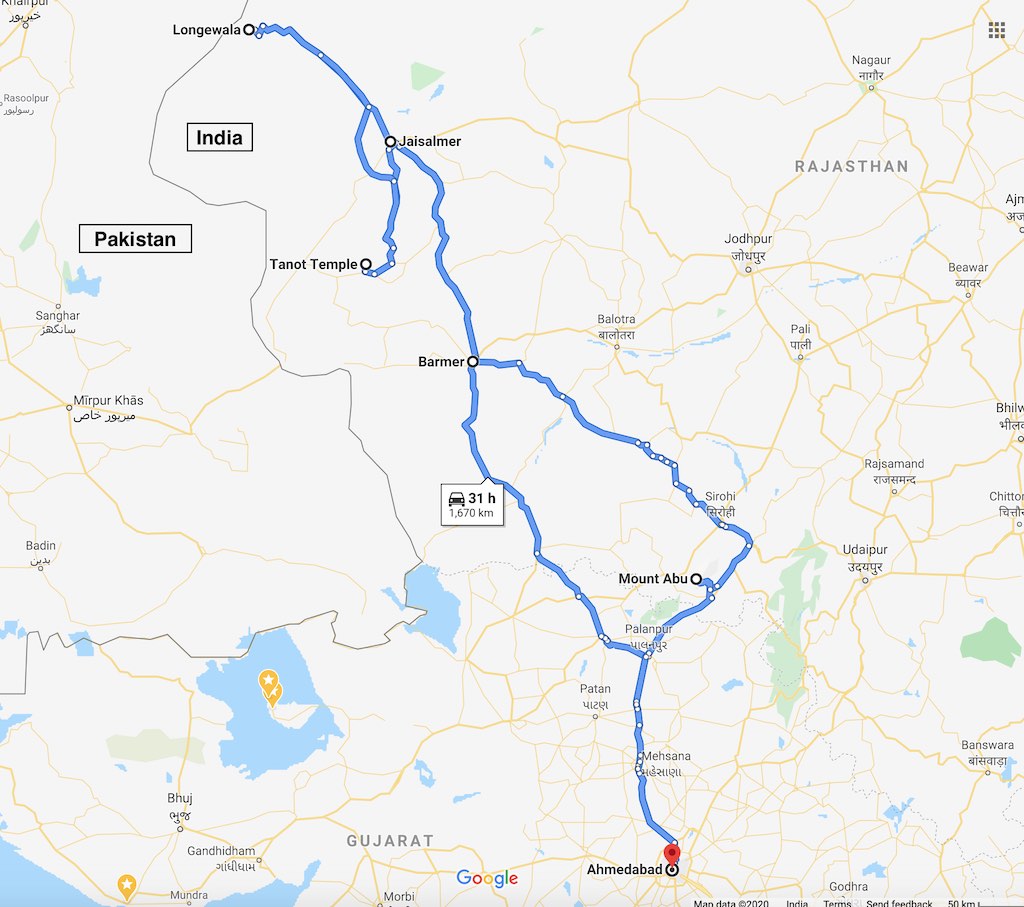
Jaisalmer was 534 km via Palanpur-Sanchore-Barmer. We planned for a night halt at Barmer, about 400 km from Ahmedabad.
Amid the usual hullabaloo before departure, the multitude of personal belongings, eatables, water etc were loaded in the car early in the morning and we kicked off on the journey a few minutes after 8:00 am.
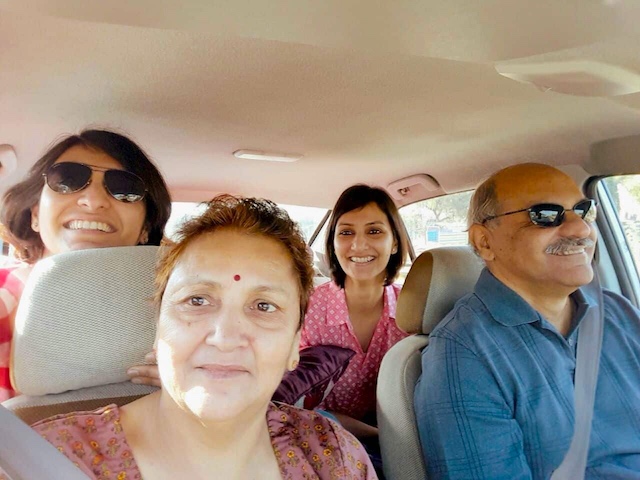
A “minor’ error in our GPS – the mode of travel got changed to “Walking” and the route took a turn to small country roads, which ultimately petered out into bicycle tracks. Arun gamely followed us along the diminishing roads till his SUV could hardly squeeze through the dense undergrowth on either side of the dirt tracks! A stop to review the predicament revealed the “error”! Soon we were back on the excellent highways of Gujarat and speeding towards our destination.
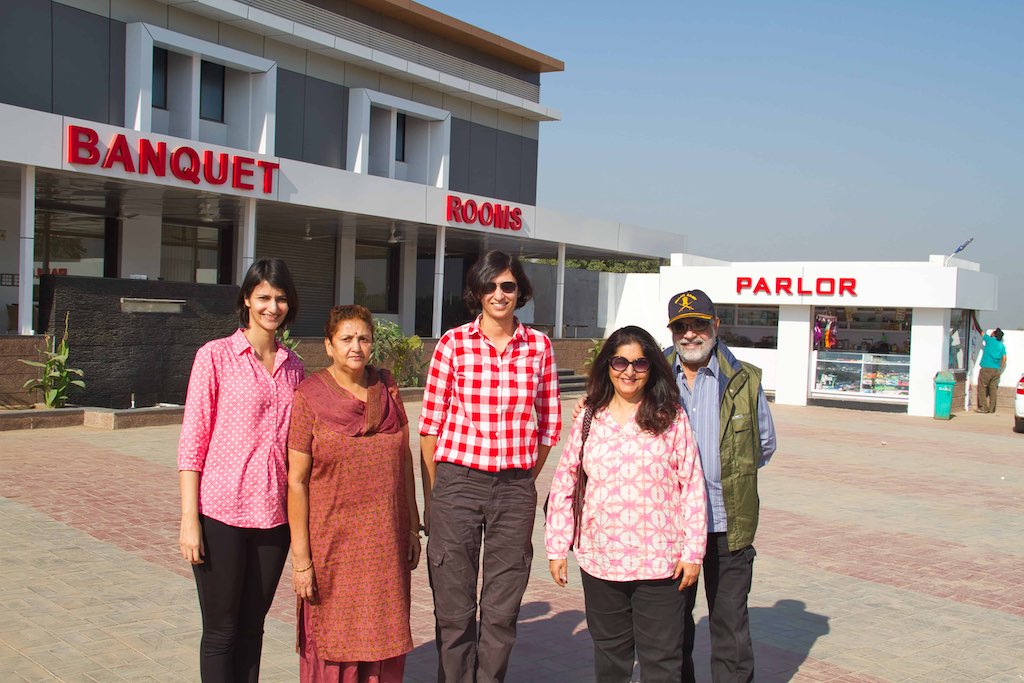
The roads in this part of the country are mostly deserted. The closer we got to the international border, the more sparse was the traffic. As we headed north towards the desert, the surroundings gradually turned arid and sparsely cultivated. However, this region is now irrigated by the Narmada Canal (since 2008) and it was a complete change from my earlier travels on this road in the early 1970s when I had traversed these roads on many occasions as part of the Army convoys.

We stopped for lunch at Sanchore, soon after crossing into Rajasthan. A huge “International” hotel popped up in the town and was an unexpected surprise. Most likely it had come up due to the gas finds by Cairns Energy in the area. A wedding ceremony was being celebrated in a part of the hotel and we had our lunch accompanied by loud music and running children scooting between and under our tables!
We learnt about an interesting fact that the largest gaushala in India is at Pathmeda village near Sanchore, the Gopal Govardhan Gaushala. Spread over 200 acres (0.81 km2), the gaushala takes care of more than 18,000 cattle.
Though roads were generally good in Gujarat, the roughly 140 km journey from Sanchore to Barmer was undergoing major improvement works, slowing us down and making us drive on numerous diversions and temporary roads.
We reached Barmer by 5:30 pm, fortunately before dusk set in. It took a while to find our hotel as it was not showing on Google Maps. Few local inquiries and we realised that it was located right on the National Highway itself! I had booked it online and had hoped it was a good choice. Hotel Yaduraj was a quaint hotel, small but with exquisitely carved exteriors, giving it a rich appearance. Our welcome made up for the size and we were soon ensconced in our rooms, like with everything looking scaled down in size – rooms, windows etc! But clean and comfortable.
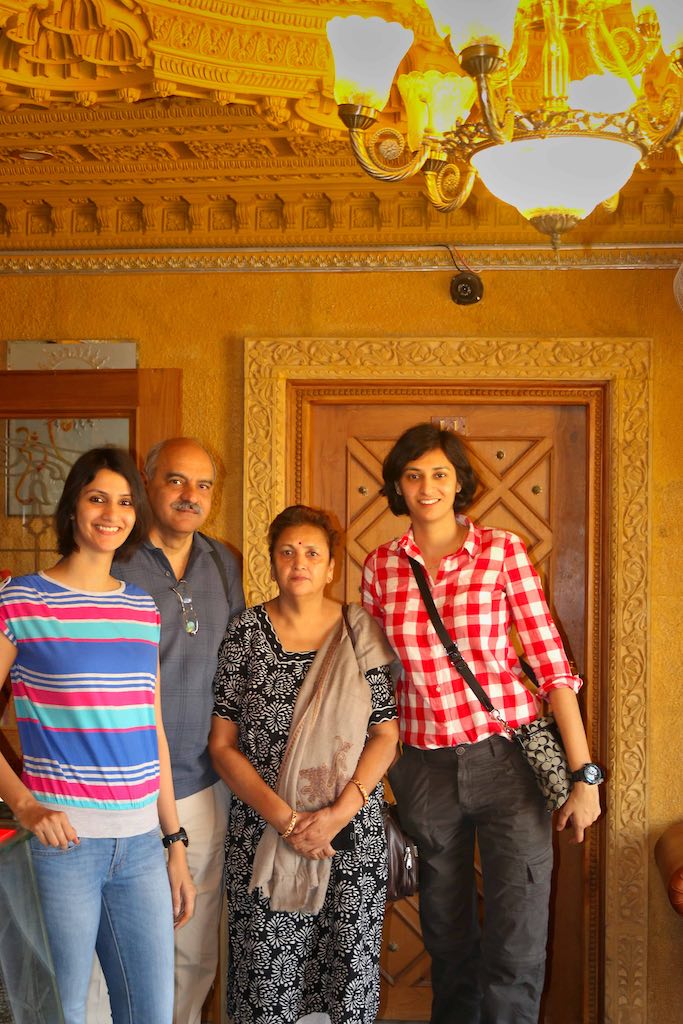
Rich interiors 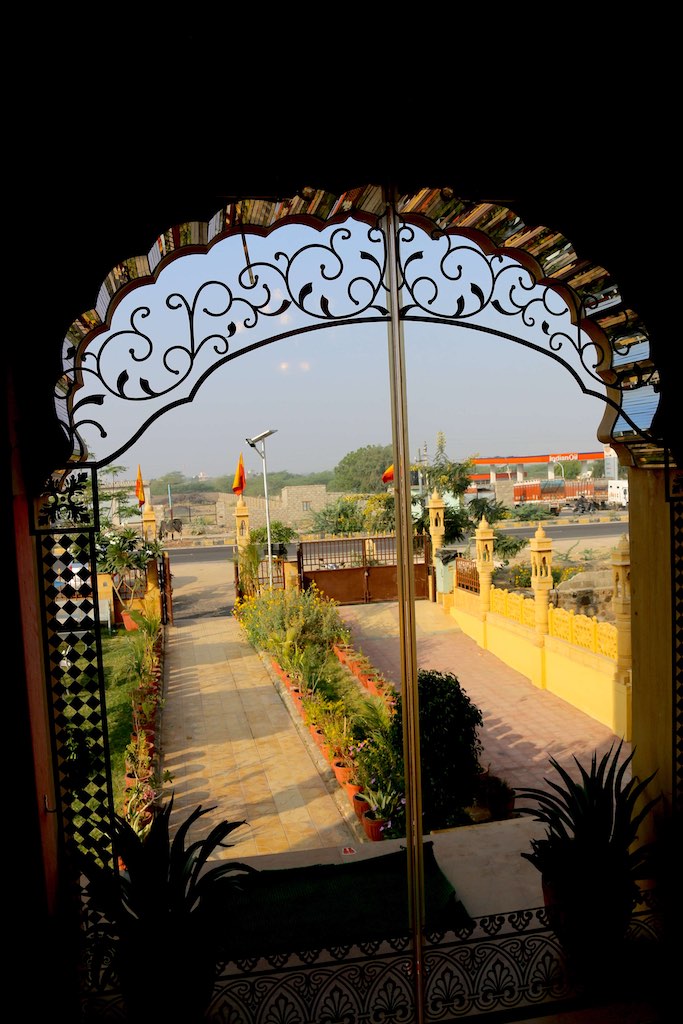
Hotel entrance
The quaint heritage hotel on the highway, where we halted for the night. The setting sun lights up the hotel in its glow
The night was spent reminiscing old times on the rooftop over a few glasses (later converted to bottles) of a variety of drinks Arun conjured up. We were the only guests in the hotel and had the staff all to ourselves, the advantages of staying in small places. It was a full moon night and provided an ideal setting! The chef was excellent and the food was very tasty, giving us the authentic local varieties.
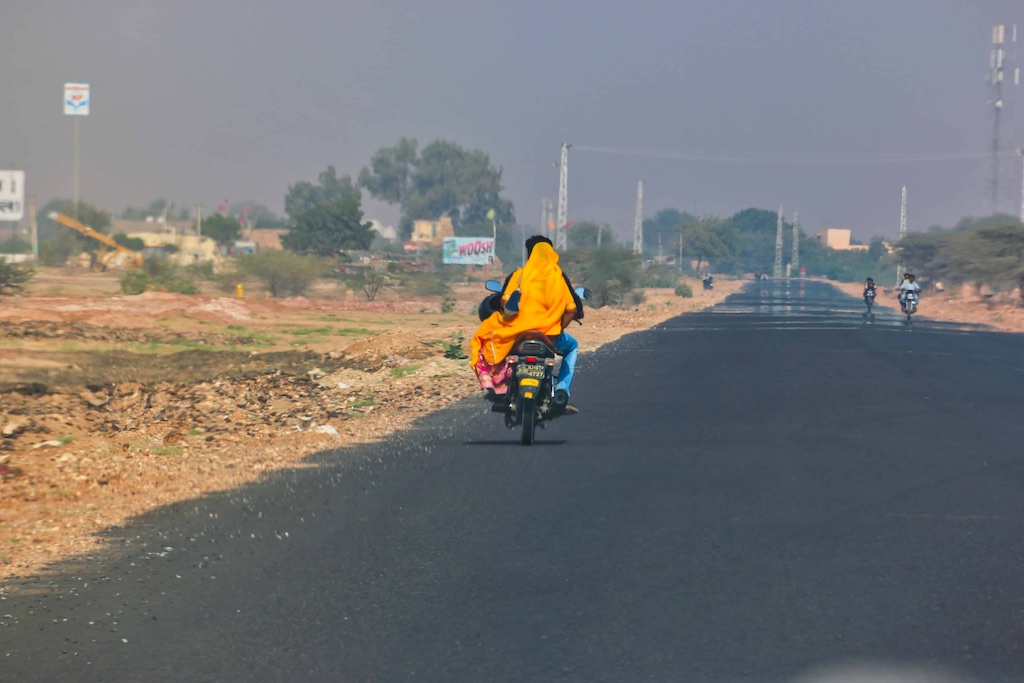
A leisurely breakfast, accompanied by delicious tea made in fresh camel milk was the highlight of the morning! The 156 km from Barmer to Jaisalmer was across mostly empty highways. There appeared more camels and goats than humans on the road! The roads themselves were excellent, wide and recently constructed. Probably catering to the Army movements with heavy equipment and tanks along the border. By now we were in the middle of the Thar desert and the surroundings were barren and sandy. Since the time of my tenure in the Army here in the early 1970s, a lot of green shrubs and desert resistant trees were visible. I could recollect that in the old days the area was absolutely barren and sandy. It seemed that the Government schemes to arrest the advancing desert were bearing fruit.
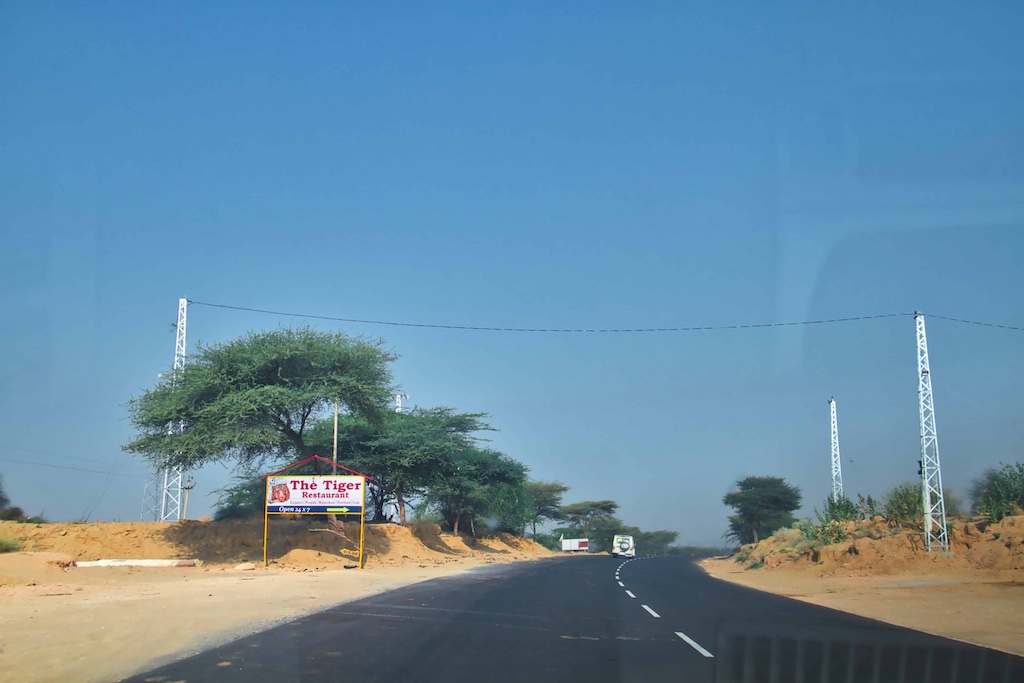
Despite the frequent lure of chilled beer along the highway, we desisted from taking the bait. The only halt we made was to tank up the cars.

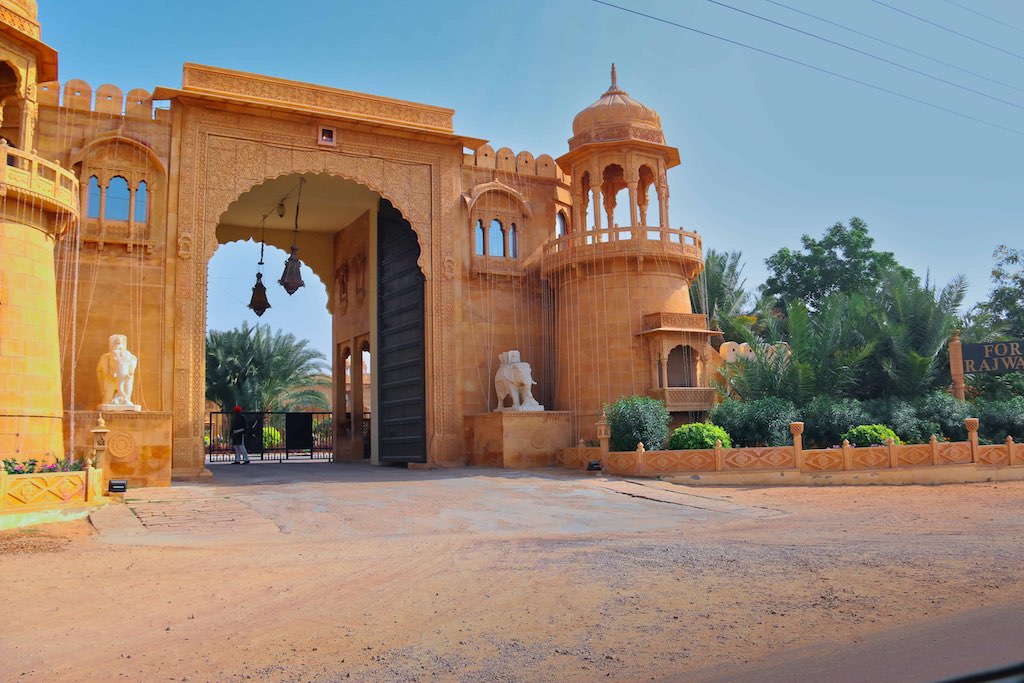
Hotel Fort Rajwada was a magnificent property and would be our home for the next three days and play host to the reunion of friends. The entrance gateway to the Hotel was very imposing.

The lush green grounds of the hotel were a contrast to the barren landscape we had driven through since the morning.
The hotel was splendidly appointed. My request for an additional room for Richa and Ankita was addressed promptly. A quick tour of the property followed to see what facilities it provided. It was spread over a large area and was the perfect choice for meeting up with the around 60 friends and family that were expected. The lunch was spent catching up with friends over vanishing bottles of beer!
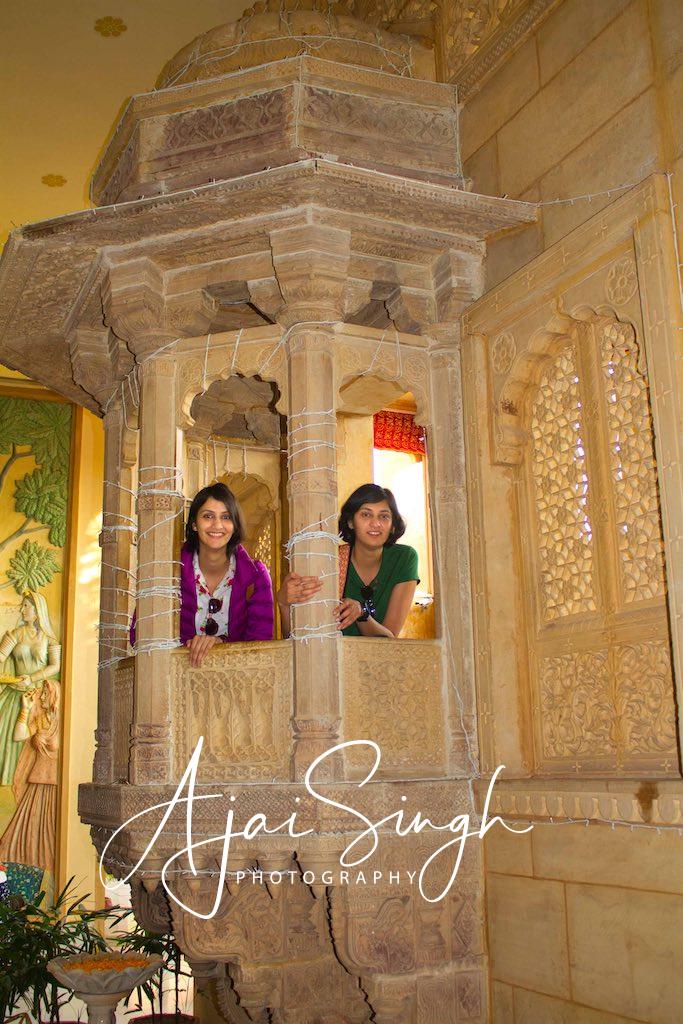
In the evening we were off to see Jaisalmer Fort. It is one of the largest fully preserved fortified cities in the world and a World Heritage Site. It was built in 1156 AD by the Rajput ruler Rawal Jaisal, from whom it derives its name. The fort stands amidst the sandy expanse of the Great Thar Desert on Trikuta Hill. Before the days of the British Raj, the fortress city served as a refuge and way-station for caravans and travellers along the Silk Road. Its ramparts served as the backdrop for many battles in past when the Silk Road still served as one of the main trade routes between the East and West. The fort continues to be populated.
The fort comprised of three rows of walls. The outer or the lower layer is made of solid stone blocks and reinforces the loose rubble of Trikuta Hill.
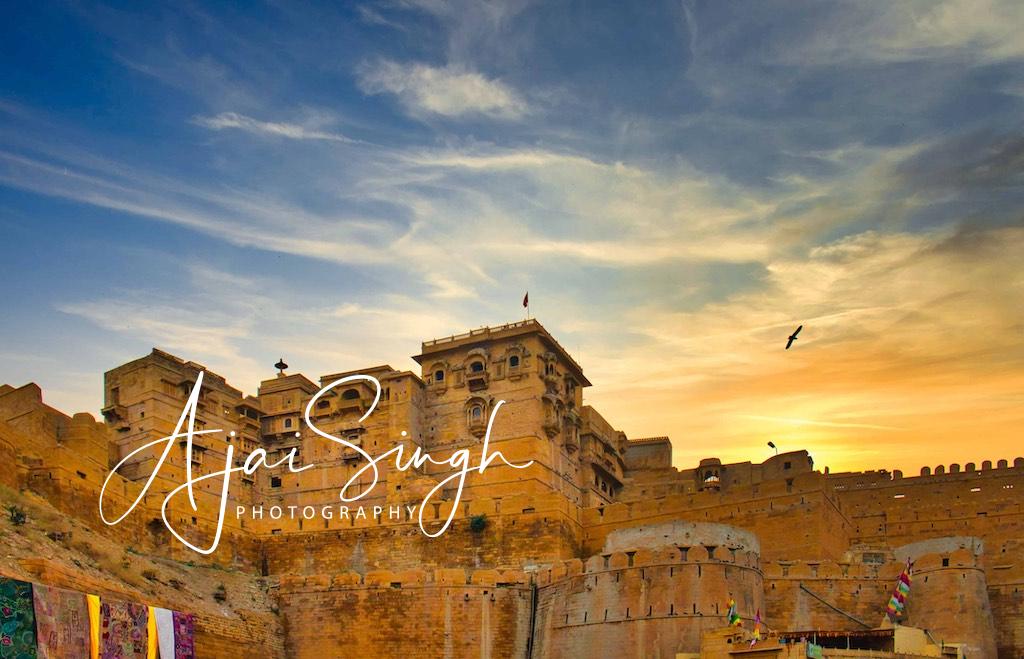

The second, or middle wall snakes around the fort. From the innermost, or third wall, the Rajput warriors once hurled boiling oil and water as well as massive blocks of rock at their enemies, who would get entrapped between the second and third walls. The defences of the fort include 99 bastions, of which 92 were built between the period of 1633-47.

Gates in the fort walls 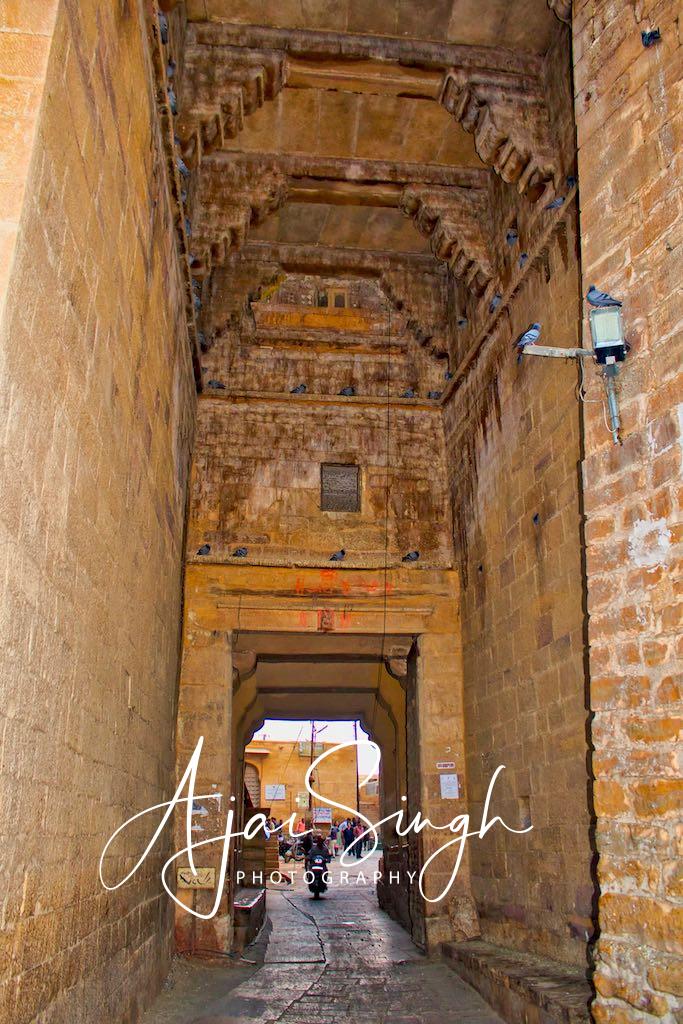
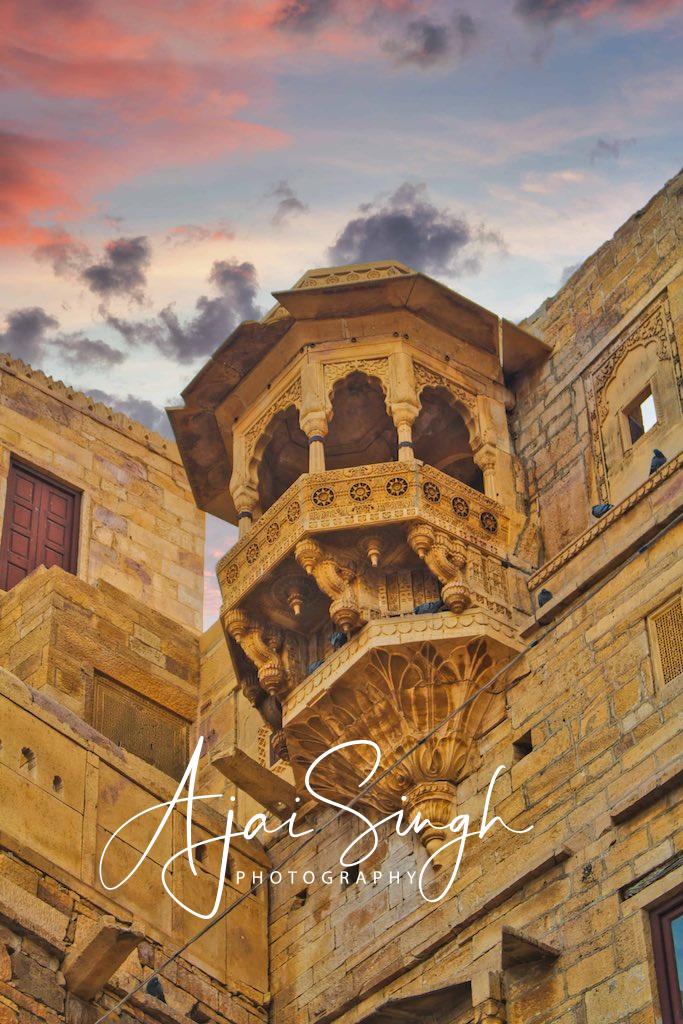
A sculpted balcony
The fort is honeycombed with narrow winding lanes, lined with houses and temples – along with a large number of handicraft shops, guesthouses and restaurants. The entry of the fort is from the east, near Gopa Chowk, and one has to pass through four massive gates on the zigzagging route to the upper section. The final gate opens into a square that forms the fort’s centre, Dashera Chowk.
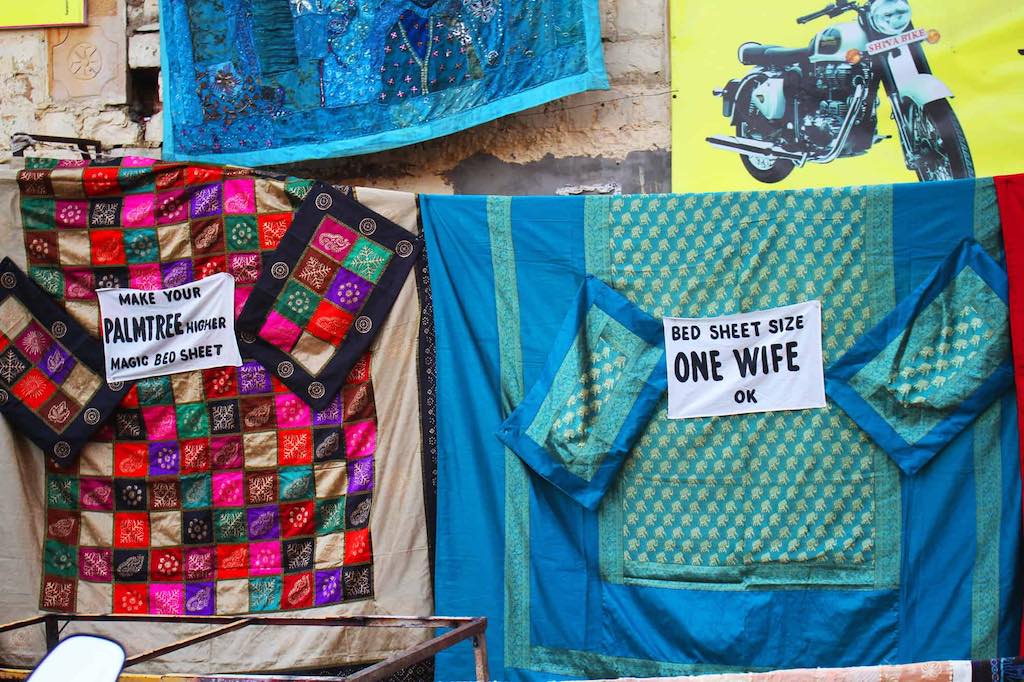
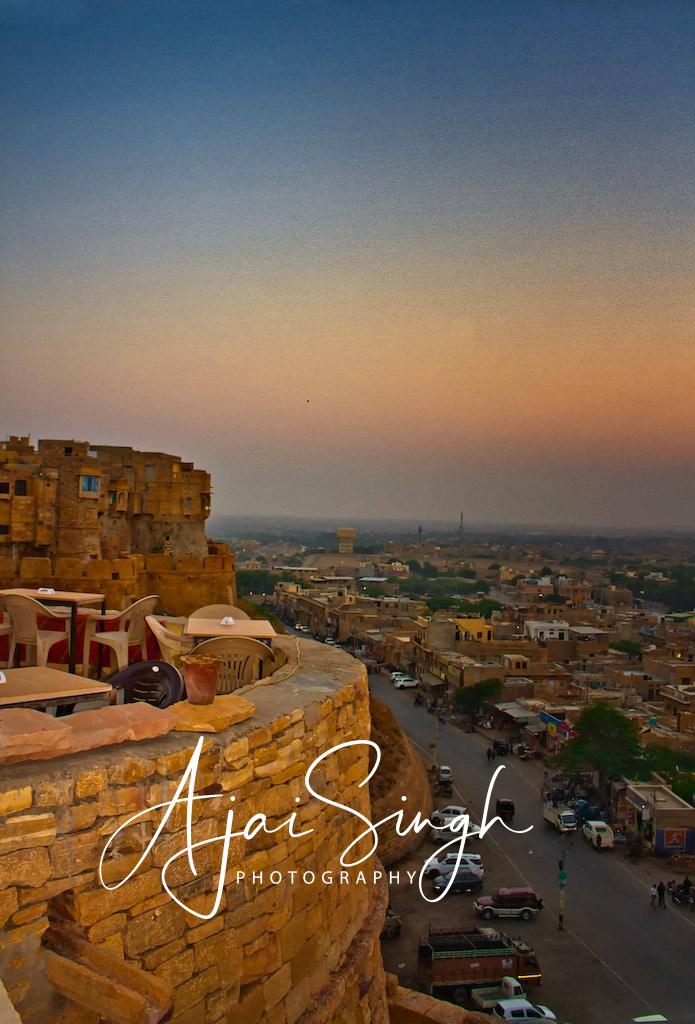
We strolled through the lanes which mostly comprised of gift and souvenir shops. The route to the ViewPoint from where one could see the town was unmarked and across a rubble-strewn path. The ViewPoint itself was on the terrace of a jewellery shop! We managed to reach just in time to catch the glorious view of the town with the setting sun.
That night we had our reunion at the Fort Rajwada. A momentous event where friendships were renewed, some after 45 years! The near-full moon and pool-side setting provided the perfect backdrop for the event, which was accompanied by local folk dancers performing in our midst. The troupe gave an excellent variety of items, many with eye-popping acrobatics involved.


The next morning we were off in buses for a tour of the historic places deep inside the Thar desert and close to the International border with Pakistan. The first was the famous shrine of Mata Tanot.

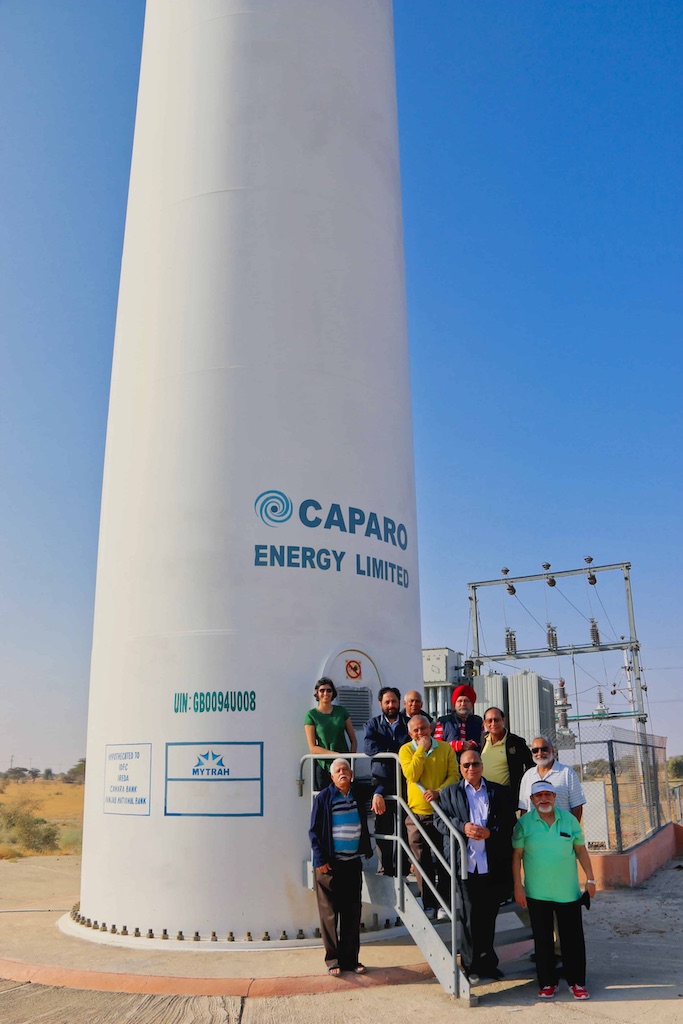
The whole desert seemed to have sprouted windmills and the road passed through a multitude of these on both side. A loud bang shook up all those enjoying their post-breakfast siesta in the bus! One of the rear tyres of our bus had burst, calling for a forced halt. It was welcome as then we could explore the windmills, which otherwise would have whizzed past.
On reaching Tanot, it was heartening to see an ATM at such a remote location! That too, it was dispensing cash. In the current situation post demonetization, cash was always in short supply and there was soon a queue outside it.
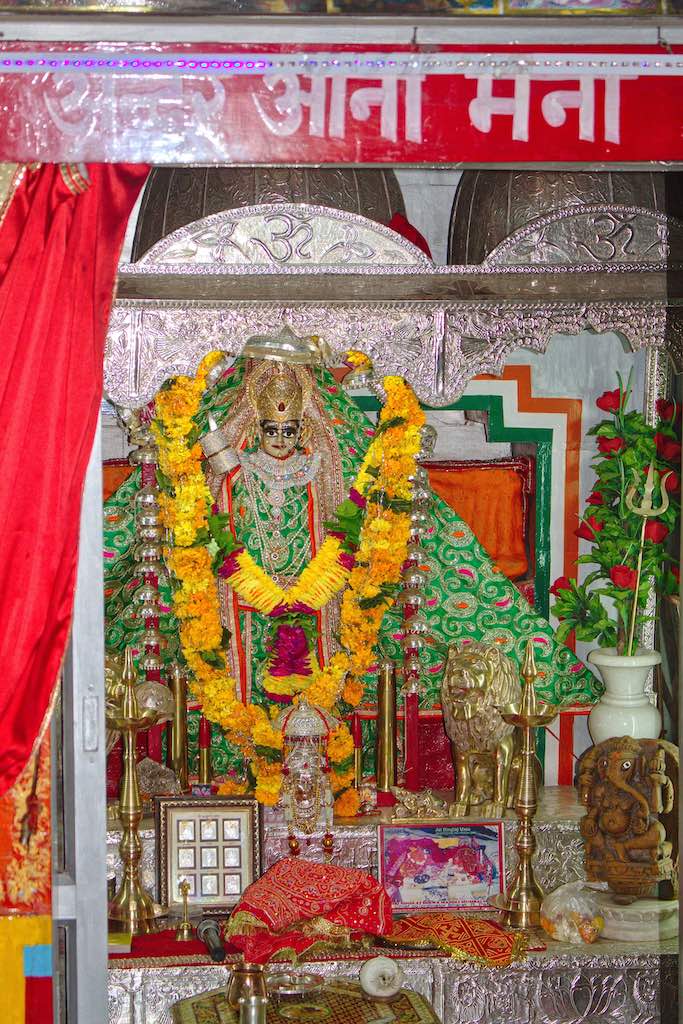
Tanot is a village about 10 km from the border with Pakistan, and is very close to the legendary battle site of Longewala during the 1971 Indo-Pakistani War; indeed some credit the temple for the victorious outcome of that battle. Even during the 1965 Indo-Pakistani War, Pakistan dropped over 3000 bombs targeting the temple but not even one exploded! The temple has a museum, which has the collection of unexploded shells that were fired by Pakistani tanks/guns. In 1971 again when Pakistan and India went to war this area was again targeted by the Pakistani tanks for 4 days. Again all the tanks were stuck and the Indian Air Force picked them out easily from the air. Over 200 Pakistani tank troops were killed here and the majority actually left their tanks and ran away. The deity is revered and we had darshan in the large temple complex.

A short drive from Tanot took us to the famous battle site of Longewala. The Battle of Longewala (4–7 December 1971) was one of the first major engagements in the western sector during the 1971 Indo-Pakistani War. A Company (120 infantry troops) of the Punjab Regiment faced overwhelming odds of 2000 Pakistani soldiers, accompanied with 45 tanks. The Indian forces had air cover of just four Hawker Hunter and three HAL Marut aircraft available. The heroism of the Indian soldiers is borne out by the fact that for the loss of two soldiers killed, enemy losses were 200 soldiers killed, 36 tanks and 500 vehicles destroyed! Making it one of the biggest tank battles fought after World War II till that date. The Yudh Sthal (battle site) has dummy infantry locations, tanks and vehicles positioned in their actual places for viewing.


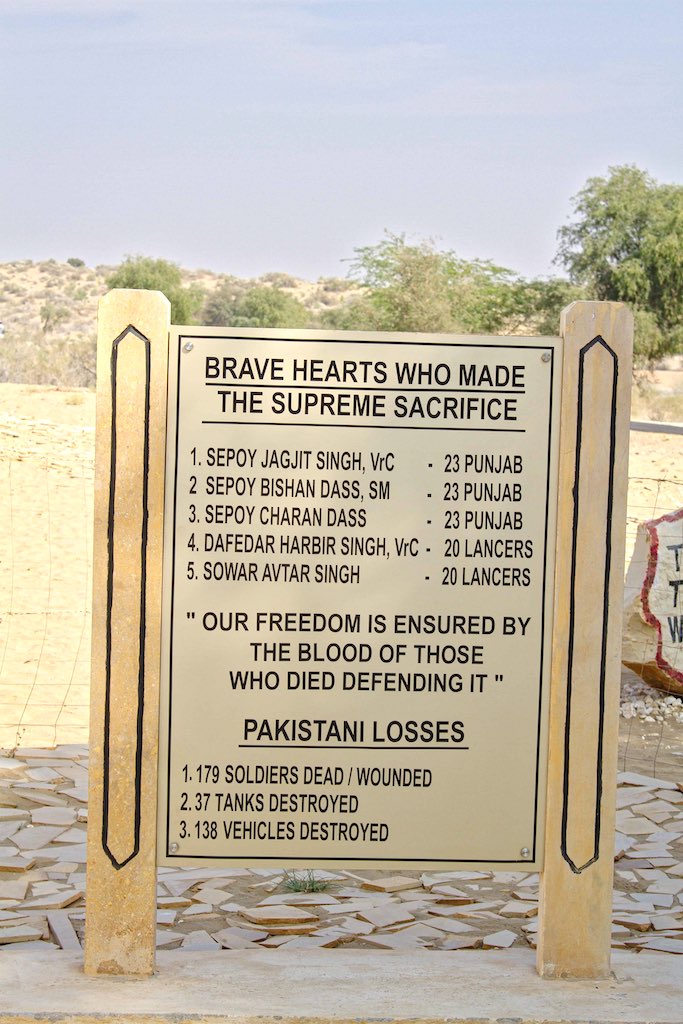
On our return journey to Jaisalmer, we halted at the Jaisalmer War Museum on the outskirts of the town. A beautifully laid out museum, it is on the Jaisalmer-Jodhpur NH 11.
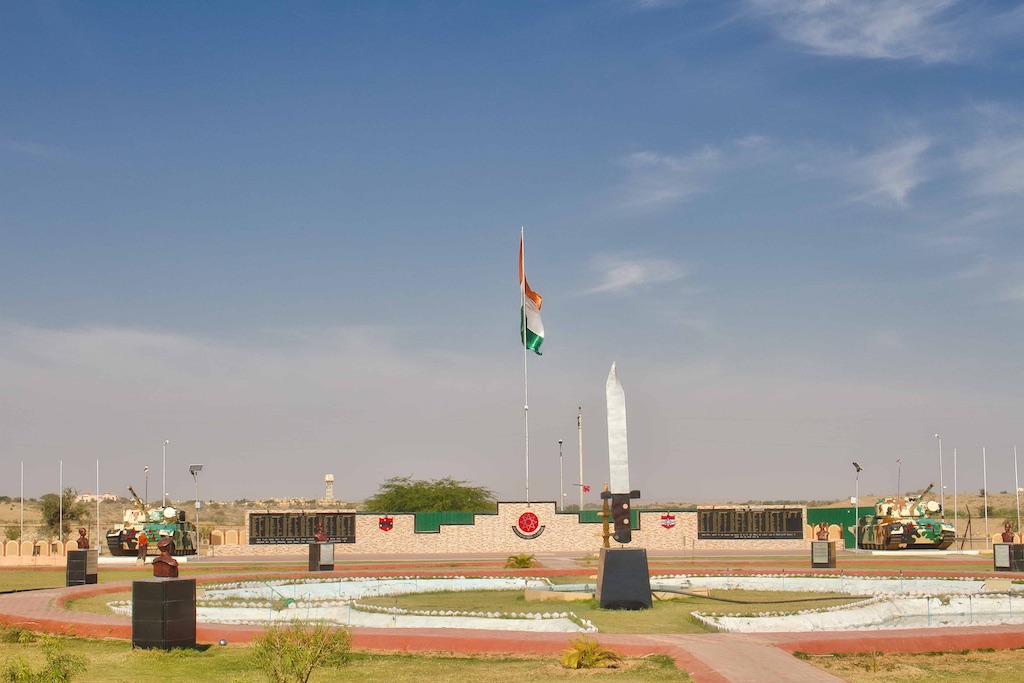
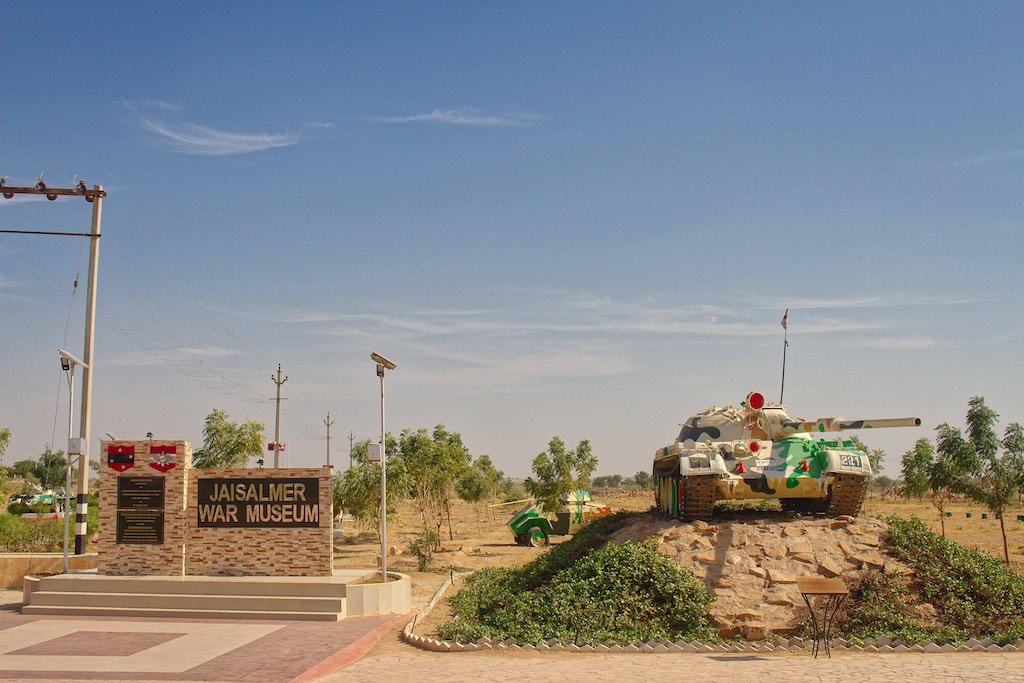
The Jaisalmer War Museum is a first-of-its-kind initiative by the Army and showcases the glorious history of the Indian Army. The Museum also displays war exhibits which include vehicles and equipment captured during the course of operations in 1965 and 1971. It has an Honour Wall engraved with the names of the Param Vir Chakra and Maha Vir Chakra gallantry award winners, two large Information Display Halls – Indian Army Hall and Laungewala Hall, an Audio Visual Room, a well-stocked souvenir shop and a cafeteria. A Hunter aircraft of the Indian Air Force, which destroyed enemy tank columns during the famous Battle of Laungewala is also displayed to signify the synergy between the Indian Army and the Indian Air Force which led to victory in various conflicts. It is a well-visited tourist destination and a must-see for those visiting Jaisalmer.
That evening we had something new in store for us. By 6:00 pm we were off in our buses for Sam, famous for its sand dunes and adventure activities. Towards the end of the 50 km journey, we were part of a long queue of busses, all heading for the same destination. The route itself was interspersed with adventure activity locations, the most popular being numerous para-gliding sites. The parachutes were pulled by jeeps on flat open spaces to give the fliers their thrills.
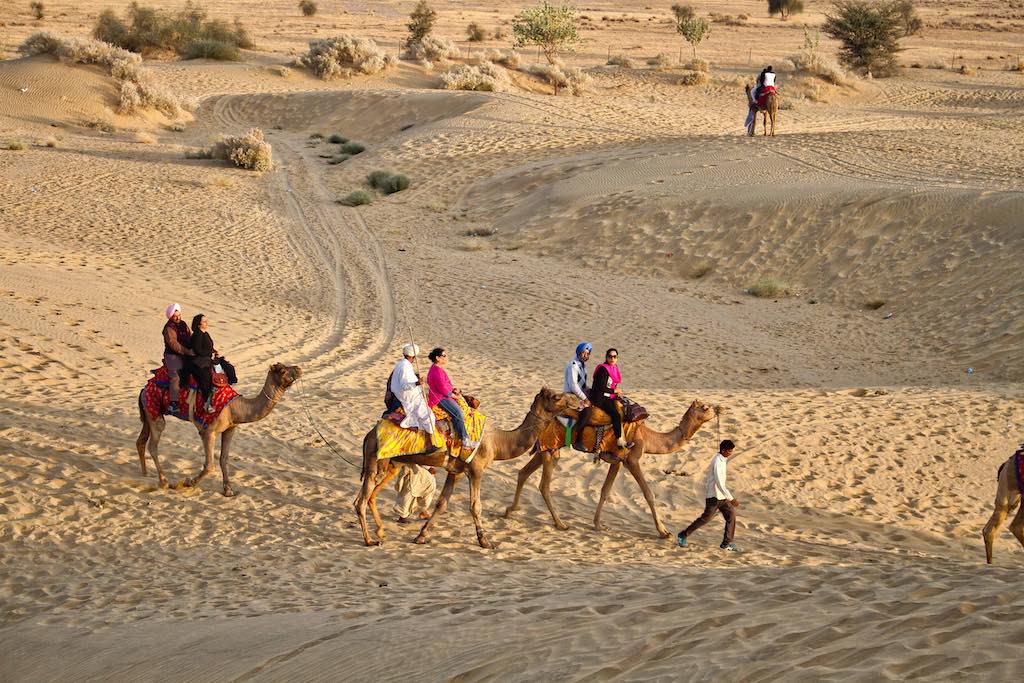
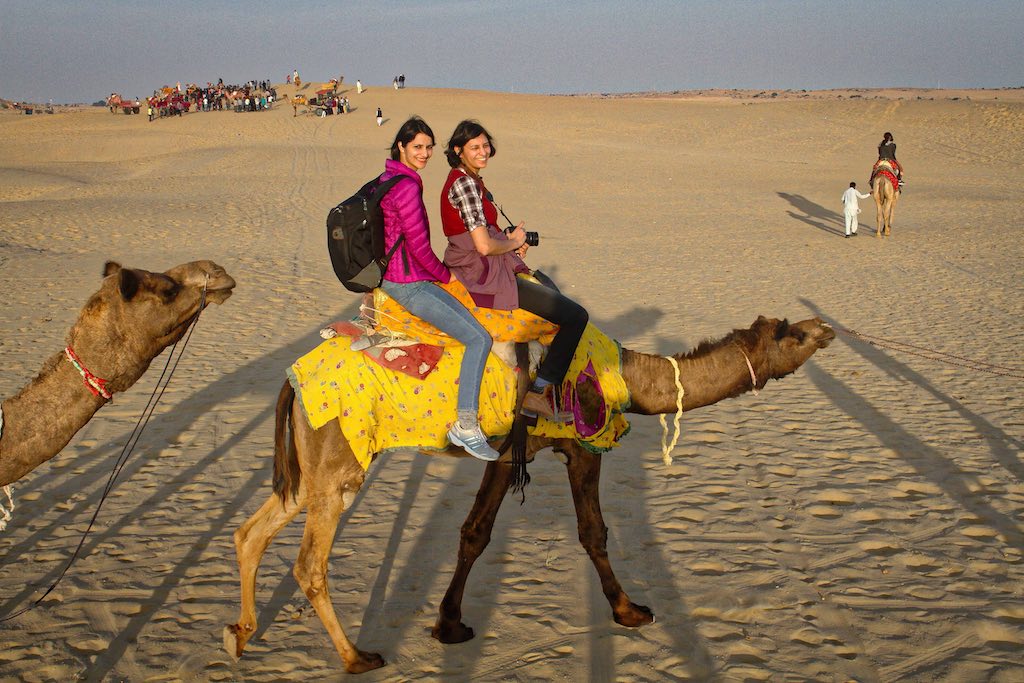
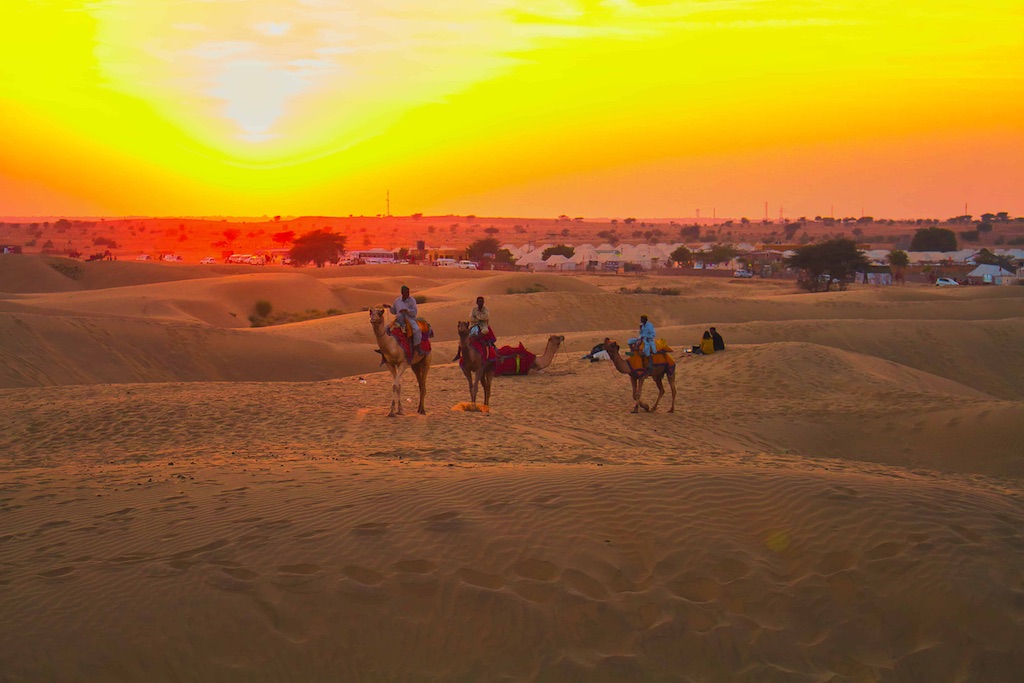
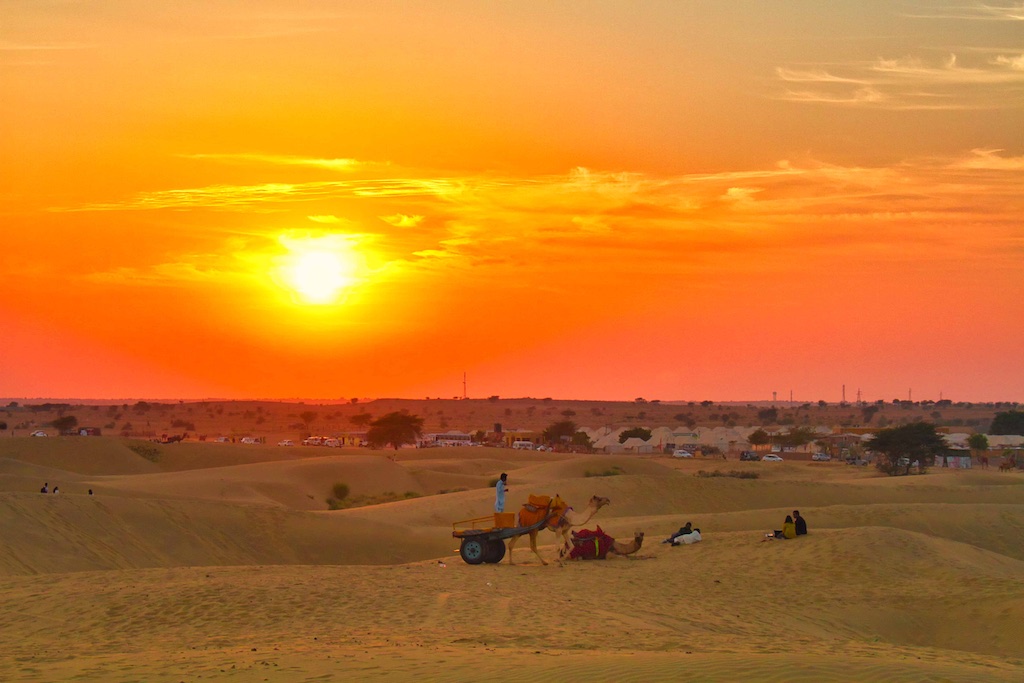
The camel ride was followed up with a local performance by the folk dancers around the campfire.
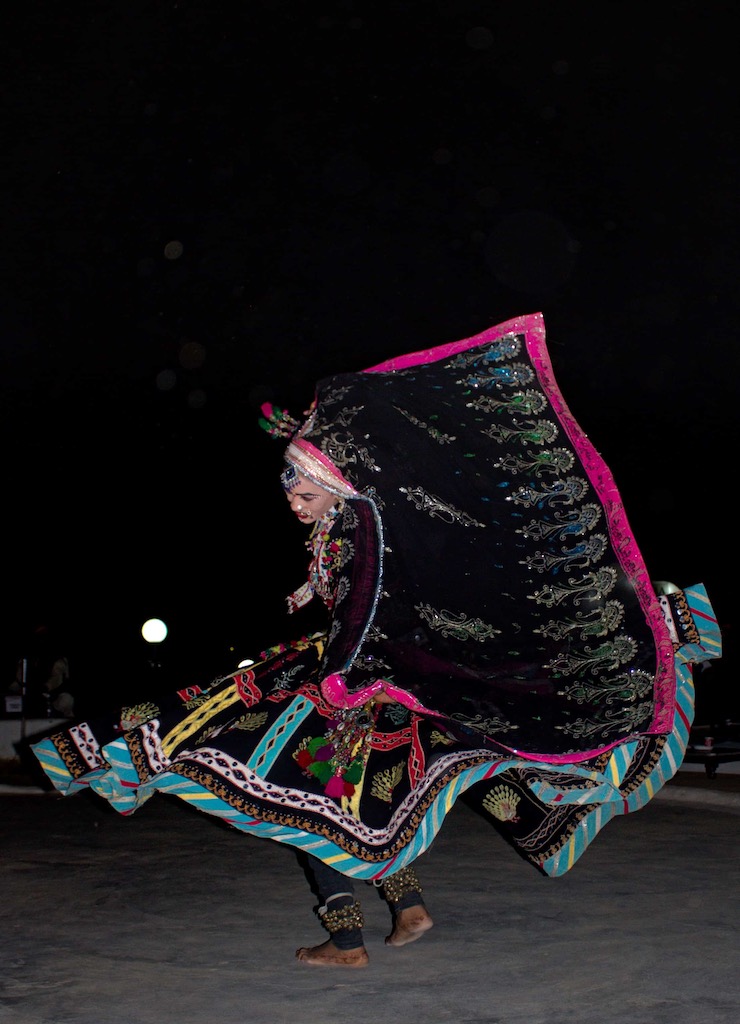

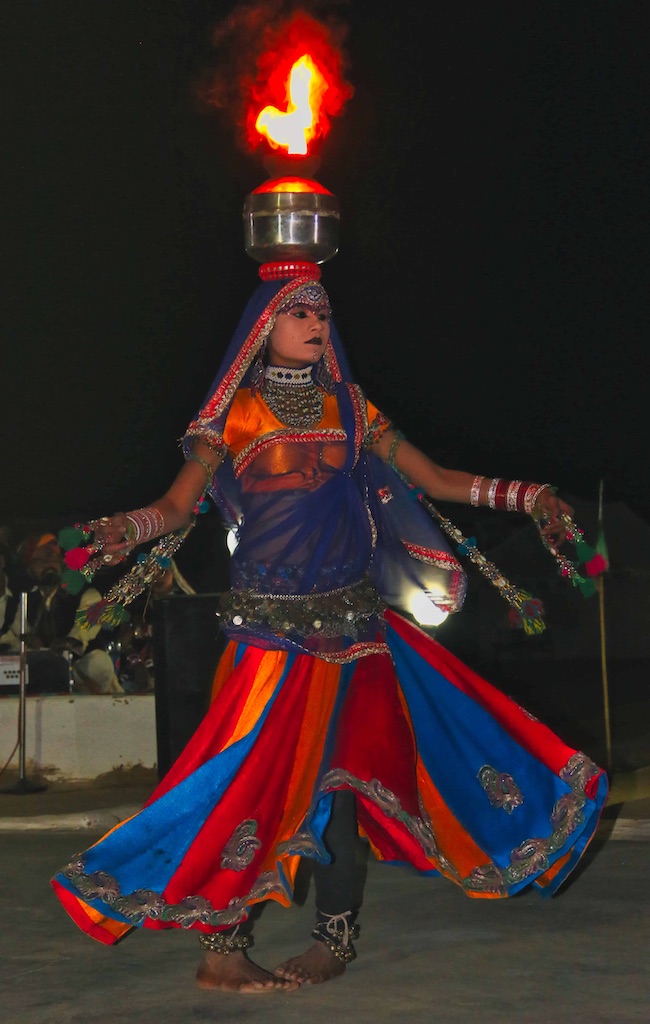
The weather on a winter night in the desert can be freezing, but we were lucky that it did not get that cold. The slight cold was countered by the flow of whiskey that flowed soon enough!
There were two more visits to be covered during our stay.
The first was the most important, choosing a suitable venue to take a group photo. A phenomenal task indeed for whoever was ready to take up the challenge! The site chosen for the shoot was appropriately the Tilon ka Pol, a beautiful setting with a lake backdrop. We piled on to the buses early next morning.
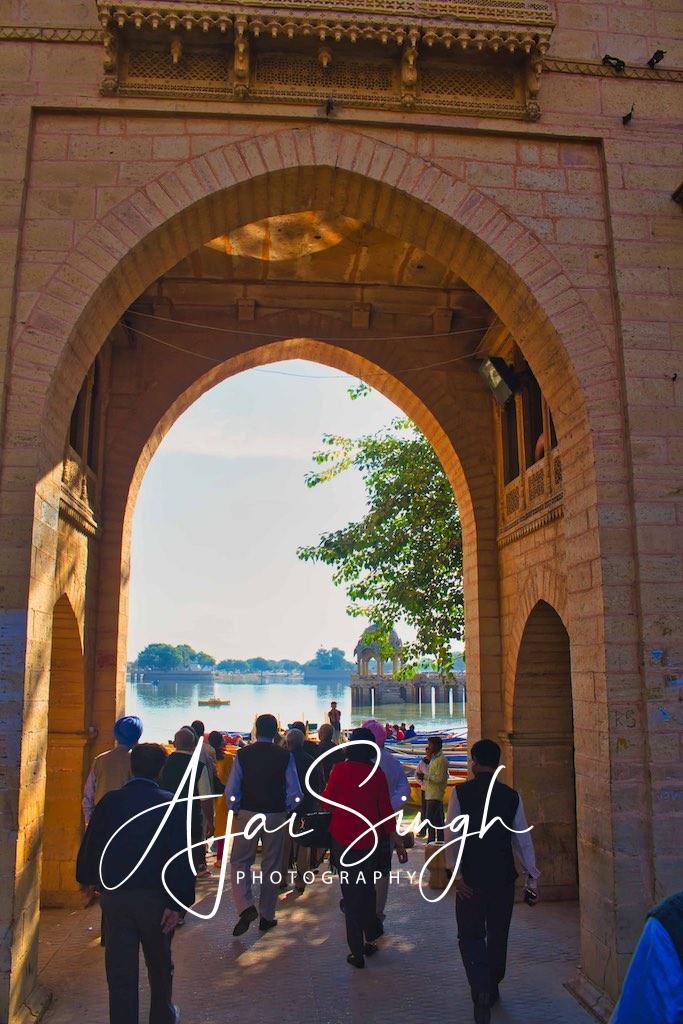
Tilon was a famous courtesan started construction of an archway at the entrance of the lake. The king passed orders to stop the work as he did not wish to pass under the arch built by a courtesan, she came up with the novel idea to build a temple at the top of the arch to avoid its removal by the king. She succeeded and till today, all visitors going to the lake have to pass below the arch.


The last visit was also one of the most spectacular. A haveli is a traditional townhouse or mansion, usually one with historical and architectural significance. Patwon ki Haveli is the most important and the largest haveli, as it was the first erected in Jaisalmer. It is not a single haveli but a cluster of 5 small havelis. Construction of the first haveli started in the year 1805 by Guman Chand Patwa, a rich trader of jewellery and fine brocades. He subsequently built the five havelis, one for each of his sons, each renowned for their ornate wall paintings, intricate yellow sandstone-carved jharokhas (balconies), gateways and archways.
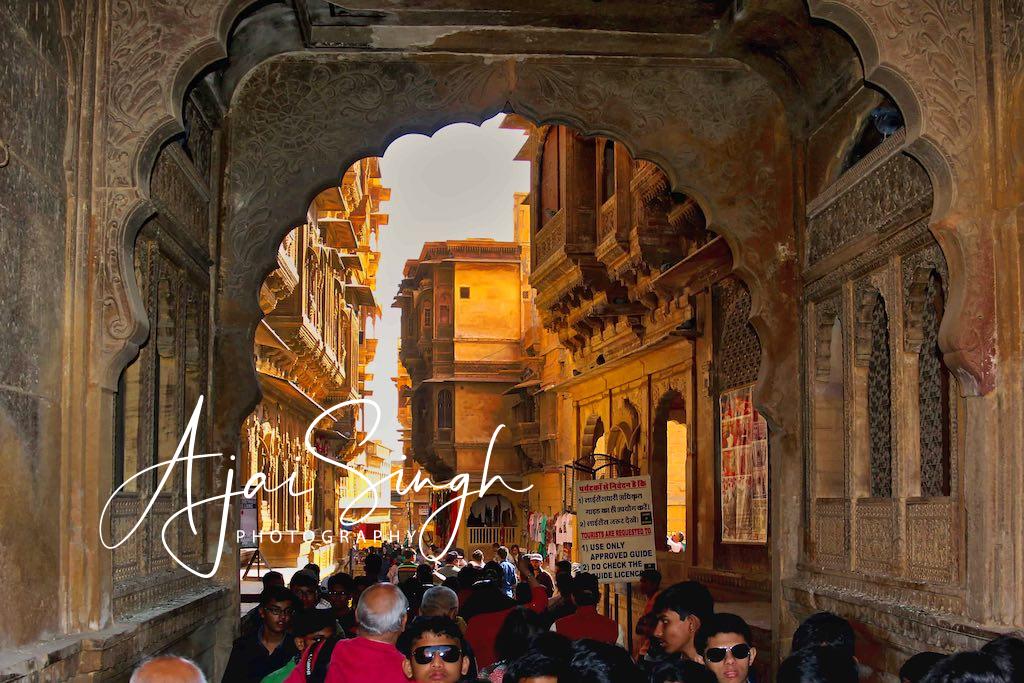
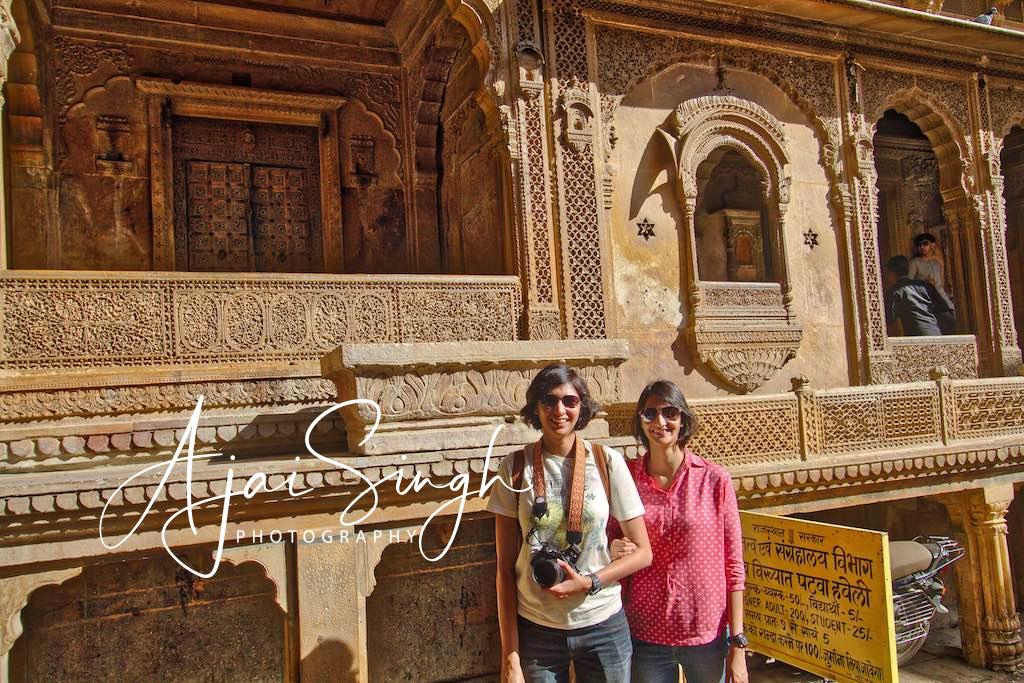


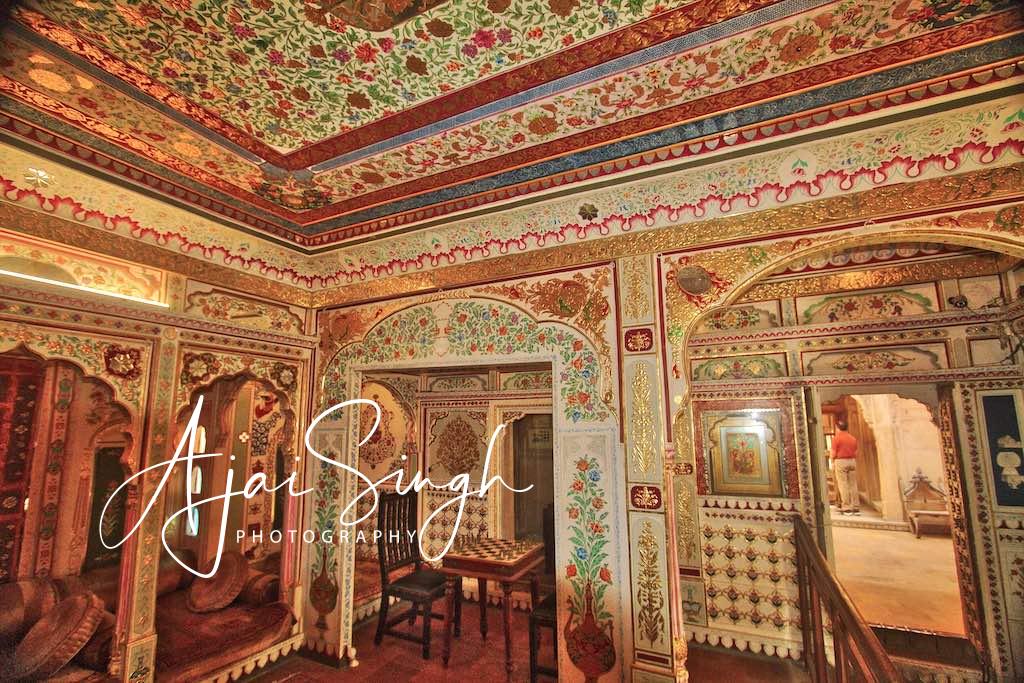
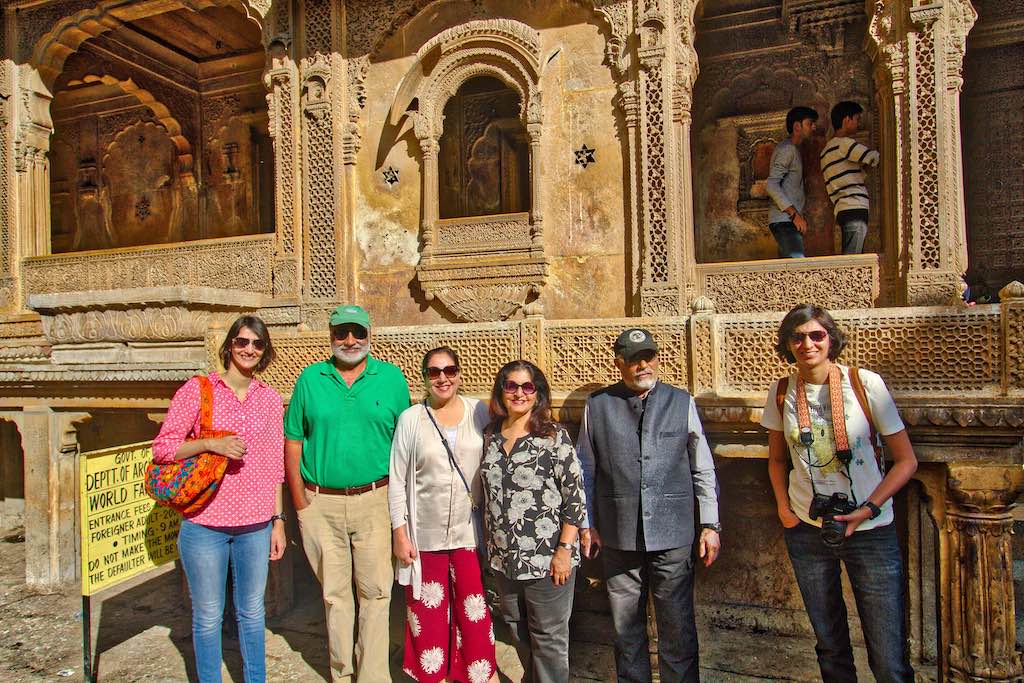
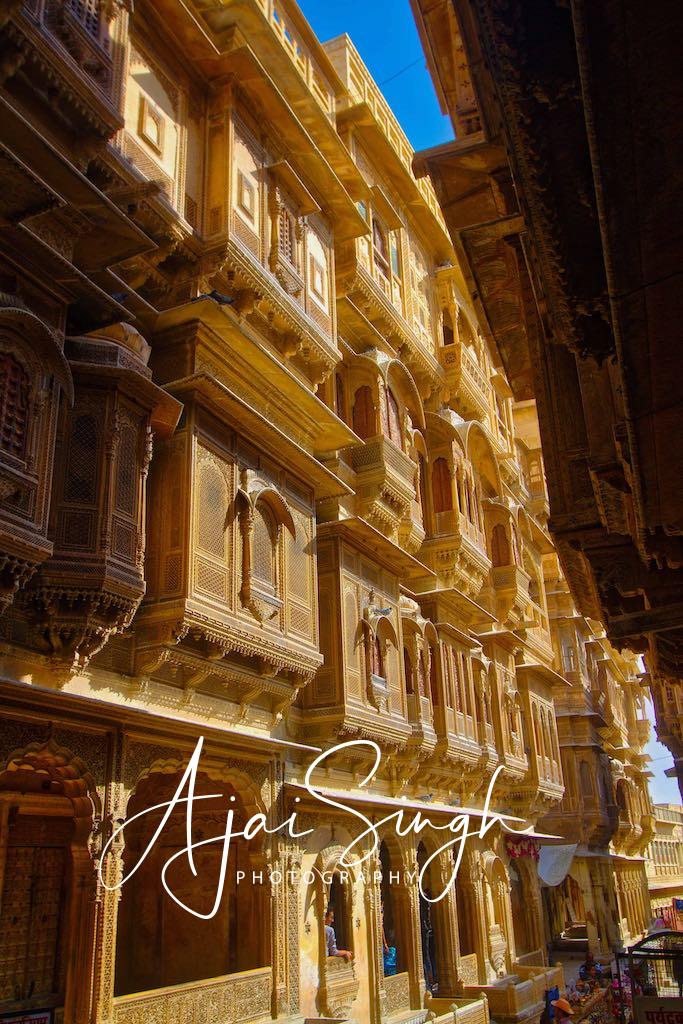
With that ended our Jaisalmer reunion. A fantastic time with long lost friends, many of whom I met after four decades. Everyone enjoyed the time spent together. The trip was planned meticulously by the local coursemates who had volunteered for taking on the job. Many thanks to Pamal and Yadav who got the ends tied up to perfection.
The drive back was now with Garrys’ and Ravishankar’s. Ravi had tied up another surprise for us on our drive back. We would be halting at Mount Abu this time, a place I had not been to yet. It was about 440 km, roads were good, so expected to take 8 and a half hours to reach. The road was via Barmer, and we decided to taste the delicious tea at Hotel Yaduraj before driving further.
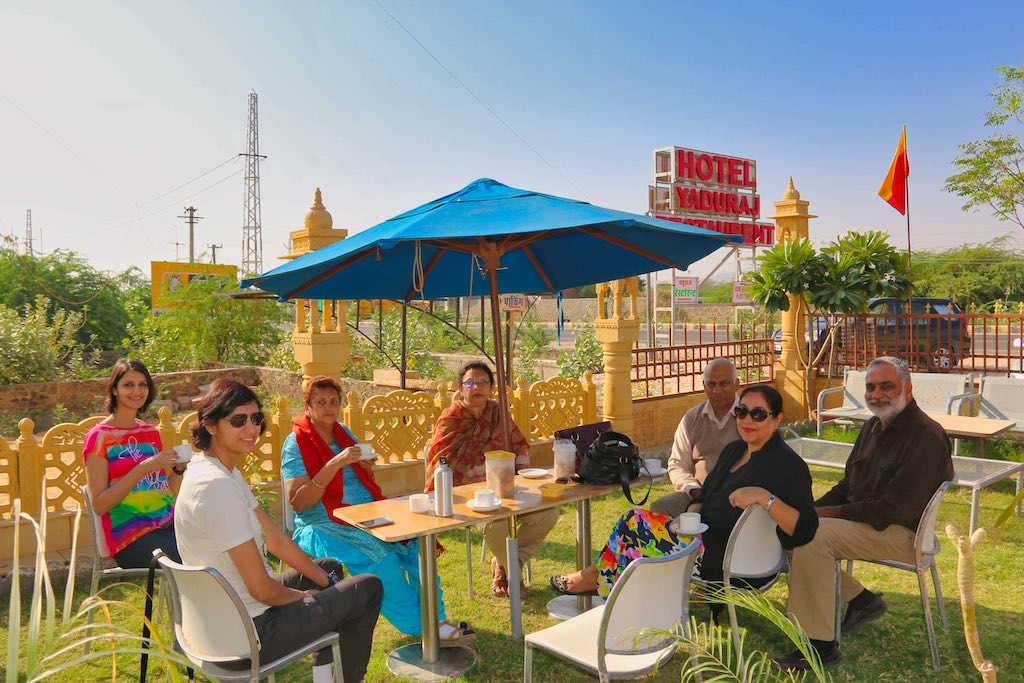
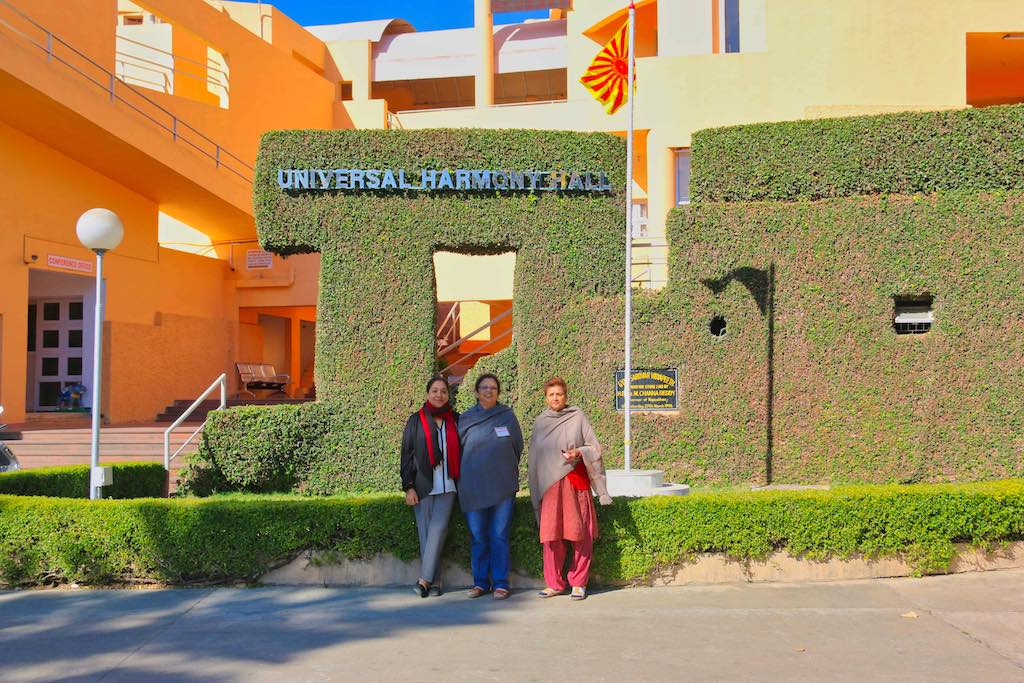
The rest of the drive to Mount Abu was uneventful. We stopped for lunch at Abu Road, and the hilly road started thereafter. It was evening by the time we reached our destination, the Brahmakumaris Spiritual Headquarters, where we had got accommodation for stay and visit the place. The location is serene and very beautiful, set amidst lovely forests in a large campus. The accommodation is self-help for everything, including making your own cup of tea in the common galley!

Next morning we had a tour organised and visited the various facilities, a very enlightening visit. Which was capped off with a darshan of senior resident Dadi who resided in the campus itself.

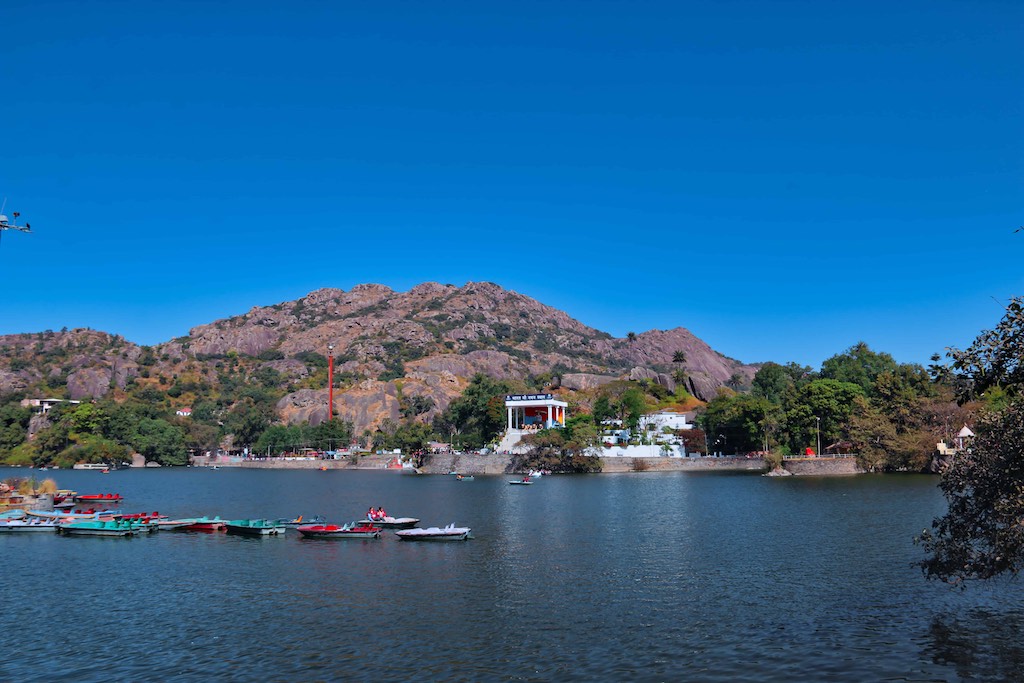
This was followed by a visit to the world-famous Jain temples of Dilwara. These marble carvings are exquisite, being completed between the 11th and 16th centuries CE. There was a rush and took a while to go around the complex in the serpentine queue. Unfortunately, cameras or mobile phones are strictly prohibited inside. Lunch was by the Nakki Lake, the central attraction of the town. Which was equally crowded. After looking around at the menus, we finally settled for the time-tested dosa as waiting time was the least!
We were off after some shopping for the famous Rajasthani jewellery, which to me seemed was available anywhere. But the ladies needed the ‘bought in Mount Abu’ tag! By afternoon our excursions were over and we set off for the final leg of the journey – to Ahmedabad, about 230 km from here.
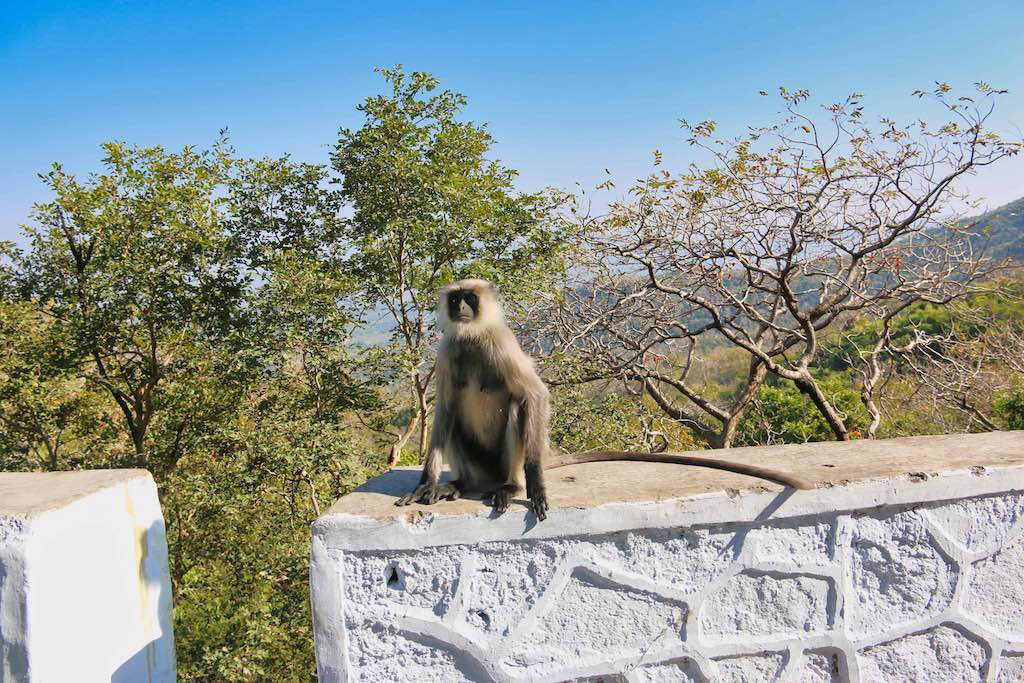
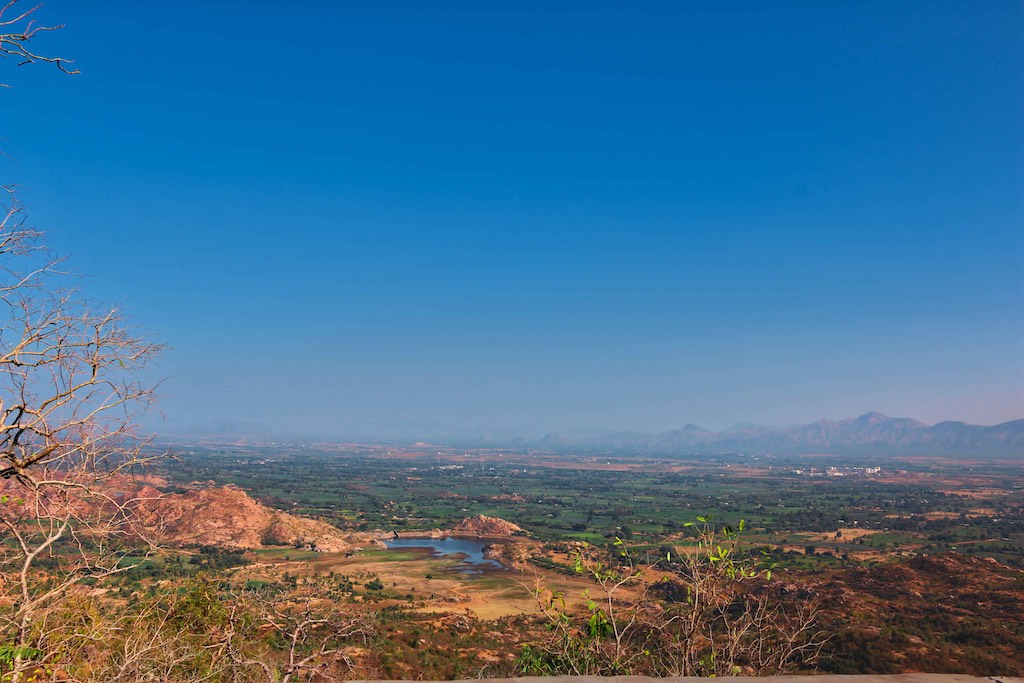
Fortunately, all the roads we had travelled on till now were excellent, as was the last leg. Though being a weekend, there was a heavy rush of cars as Mount Abu was a popular weekend destination for Ahmadabadis, wanting to break the liquor prohibition of Gujarat. All cars were thoroughly checked on crossing the state border for smuggled bottles!
The highway through Mehsana took us to the crossing of the Tropic of Cancer, marked on the road. It also passed through the famous Sun Temple, Modhera, which was not too far from here.
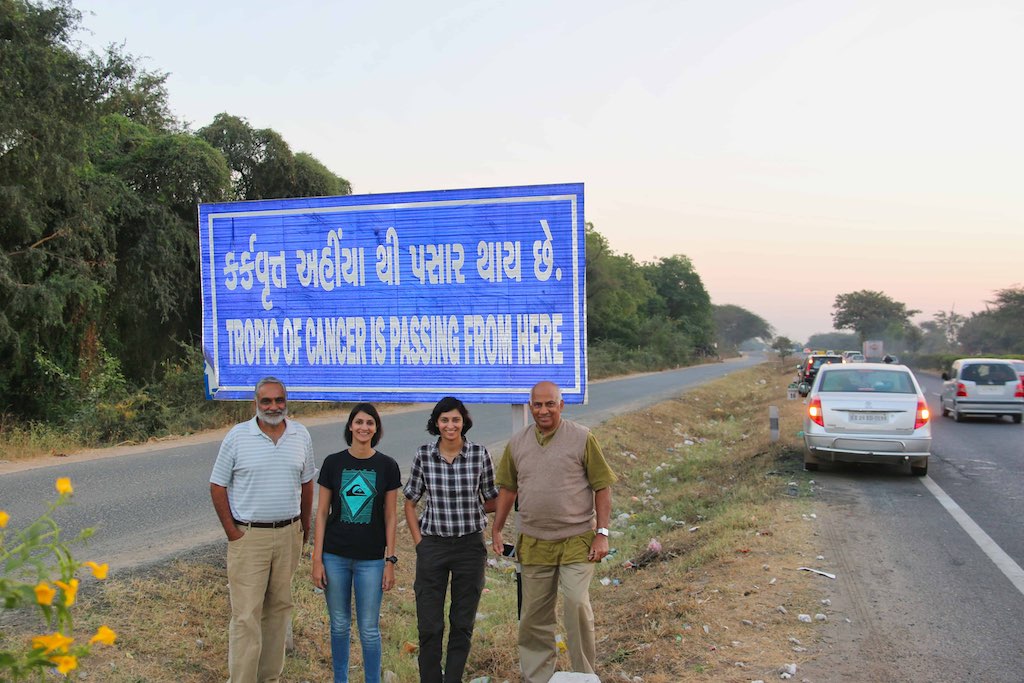
It was soon time to bid goodbye to Gary and Ravi, who had plans to explore Kutch further. And Garry was then to proceed to Goa! A long drive indeed. Our reunion had been a wonderful occasion to meet old friends, and also explore new places along the way. Jaisalmer, Longewala, Tanot and Mount Abu are on the tourist circuit. Having a mix of history, stories of valour, spirituality, deserts and exotic destinations for the adventure inclined. Definitely a must-visit for anyone planning a trip to these parts of the country.
Note: All photographs displayed above are my exclusive property and copyright; their use is prohibited without explicit consent in writing.


6 Responses
A nostalgic journey of our Course GTG at Fort Rajwada, Jaisalmer and beyond. The photographs speak volumes.
A great job done in its compilation and presentation 👍
Yes, it was a lovely gathering, one of our first off-site get-togethers. Most enjoyable!
This is so beautiful! I have never been to Jaisalmer. I would definitely plan my next trip there after the lockdown is lifted!
Yes, it is a beautiful place. You must visit, so much history to see!
Outstanding sir…..By reading your article, it was as if iam, myself, travelling at all these places…..Its very wonderfully written and pictured…..Kudos to your photography and writing, sir….
With warm Regards
Sukhbir
Nice to know that you enjoyed the journey. Thanks for the appreciation.