
Continuing in my series on the Hoysala Temples from the initial blog, this follow-up post covers the Chandramouleswara Temple at Arasikere
.
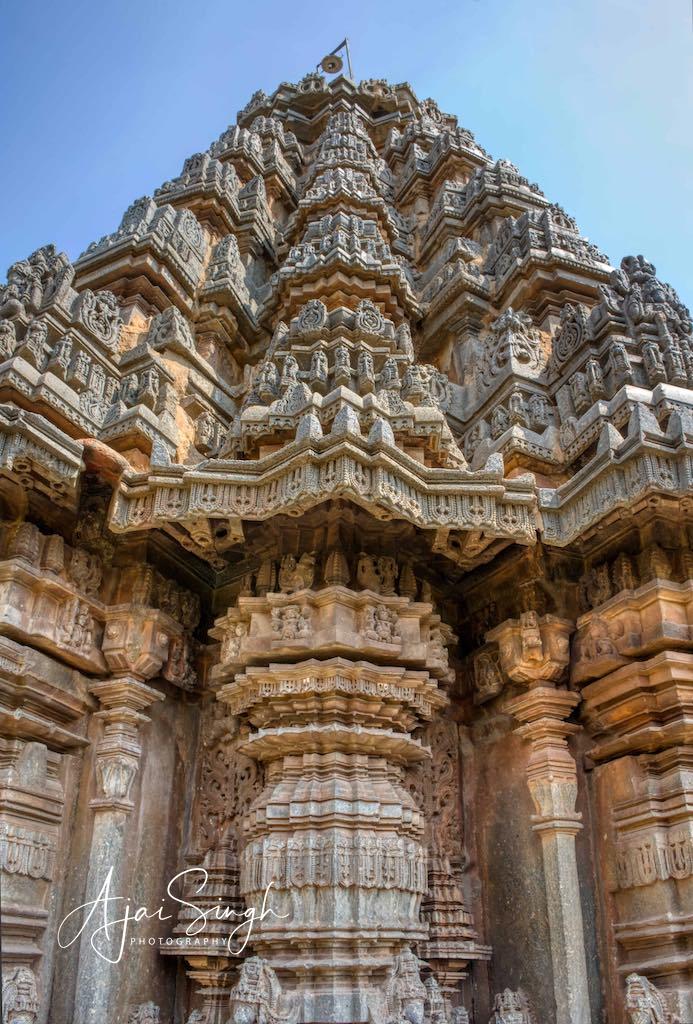
The Chandramouleswara Temple, Arasikere is also known as Ishwara Temple. “Arasikere” means “Queens tank” in Kannada. The temple dates to 1220 CE and was built during the reign of King Veera Ballal. It is dedicated to Shiva and is an ekakuta temple (single shrine) with one shikhara, two mantapas – one open and one closed. The three units are connected to form a unity. The temple faces east as in all Hoysala constructions.
.

.
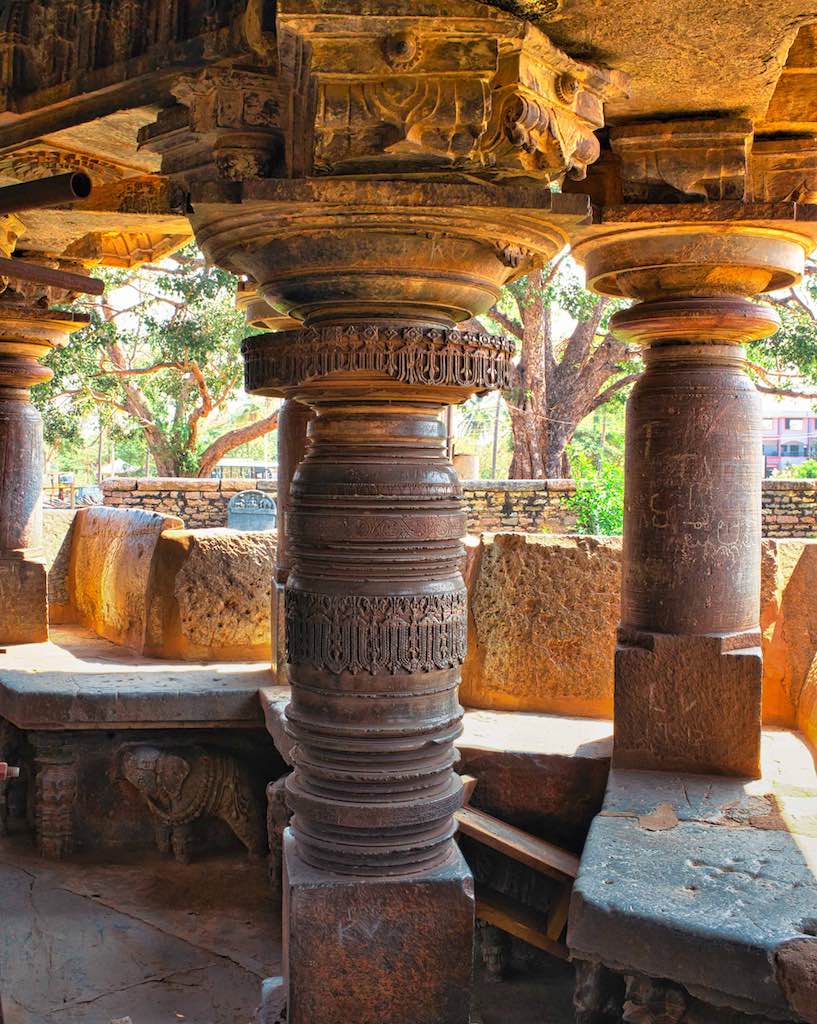
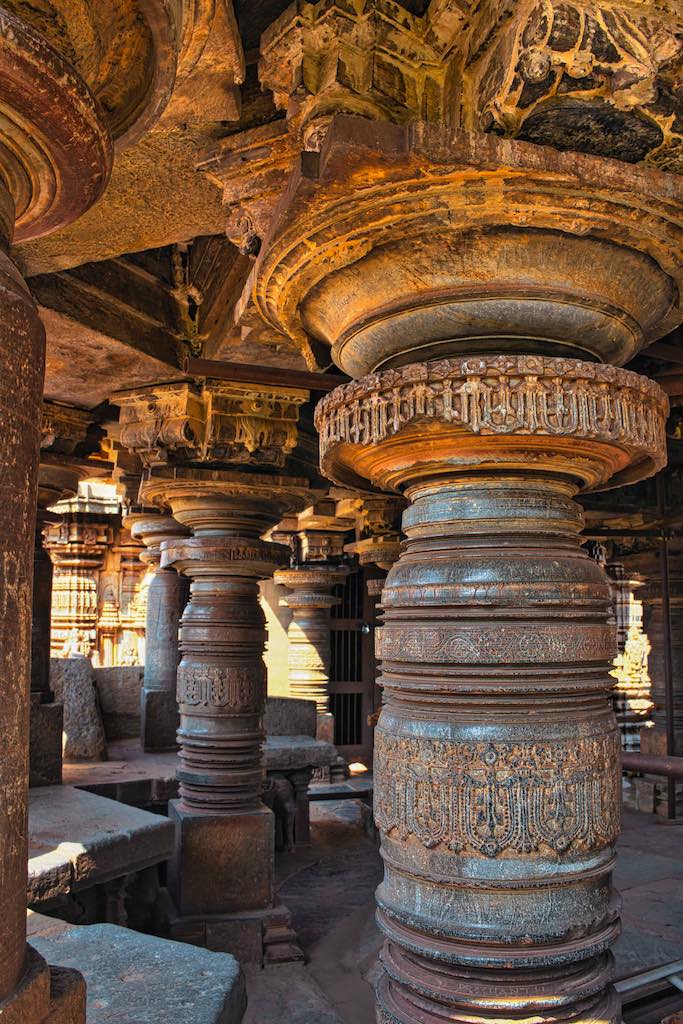
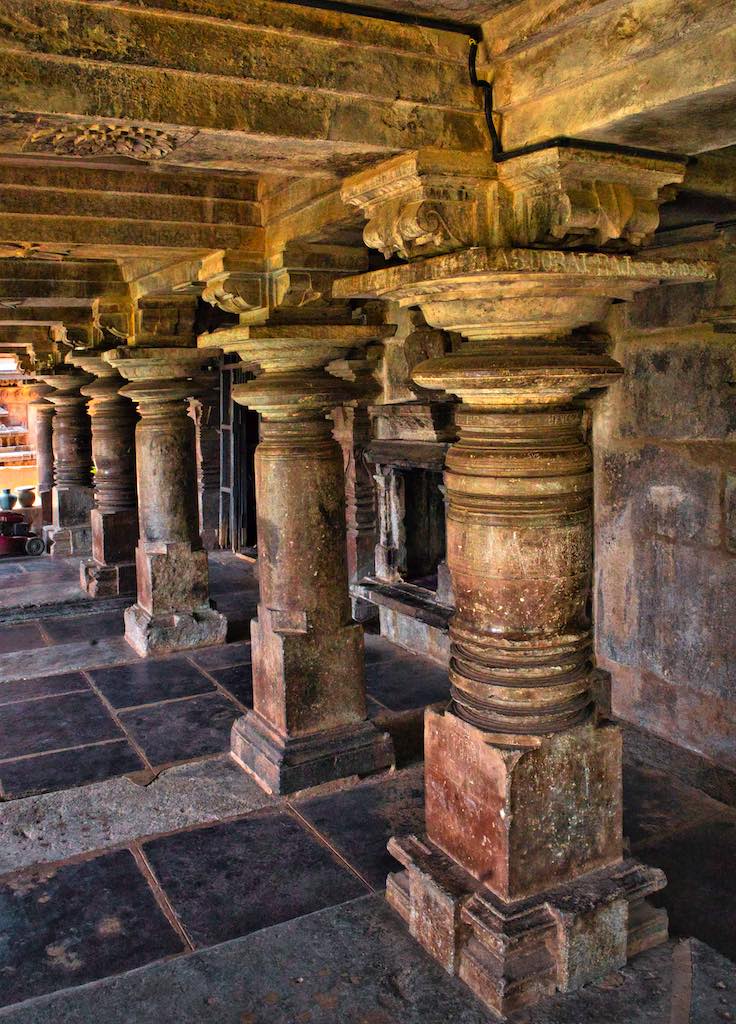
It is interesting to note that there are eight devakoshtas built into the northern, southern, western walls of the mandapa. The stellate mukhamandapa has a central circular raised dais surrounded by stellate jagati with thirteen circular lathe-turned pillars placed at the periphery of the circulars dais, supporting a massive circular dome-like Ceiling which is exquisitely carved with trifoliate leaf decorations in concentric circles.
.
.
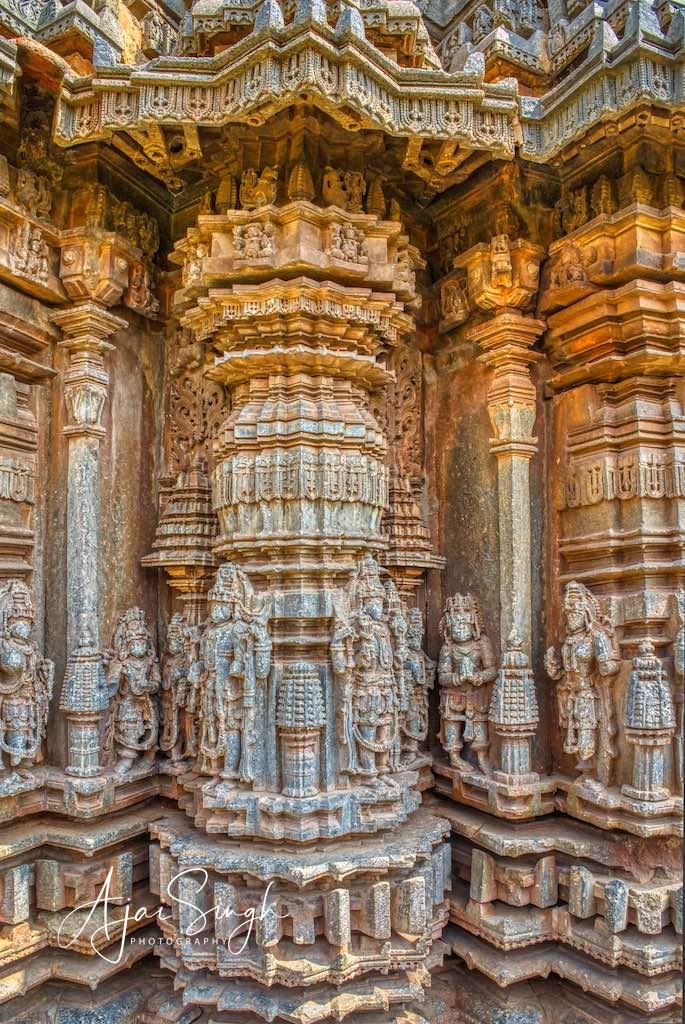
Though modest in size and figure sculpture, the temple is considered the most complex in architecture among surviving Hoysala monuments because of its ground plan – a 16-pointed star-shaped mantapa (hall), in addition to an asymmetrical star-shaped shrine, whose star points are of three different types.
.

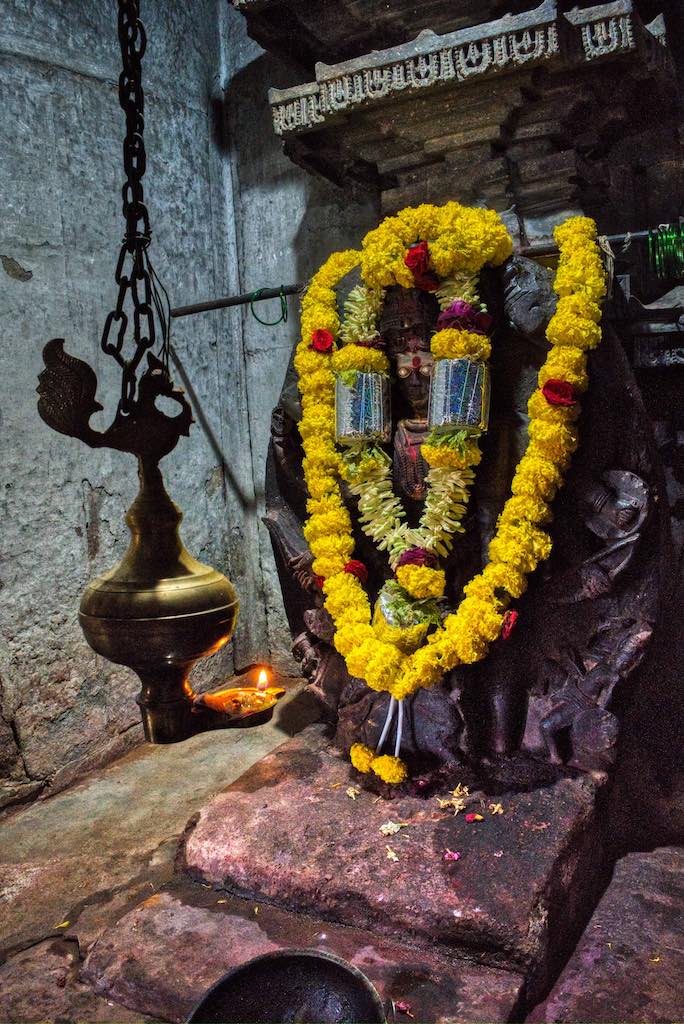
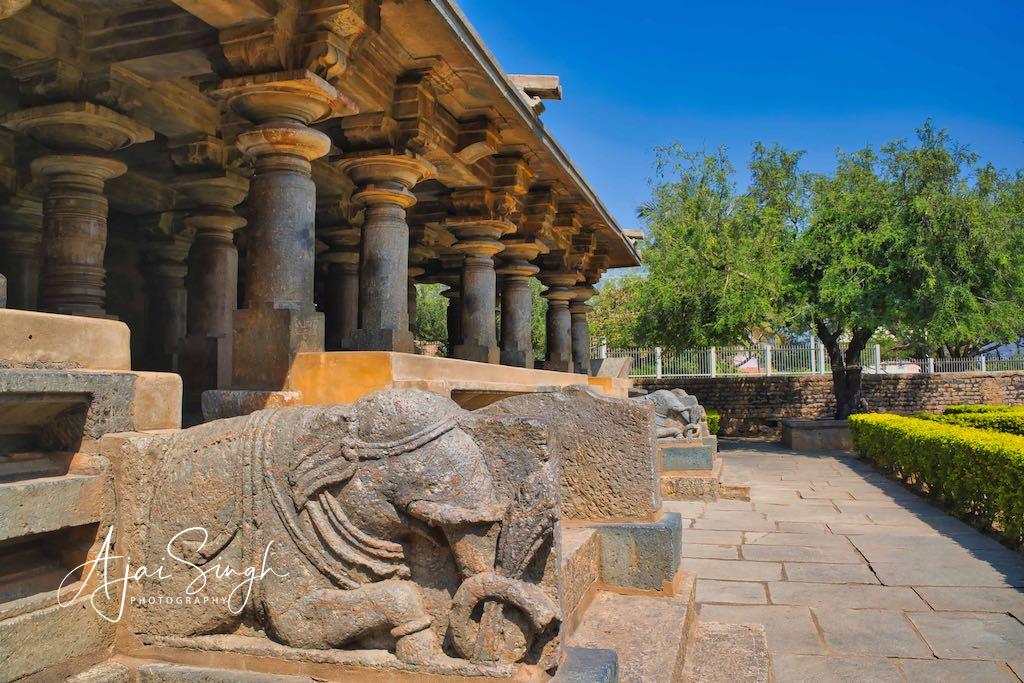
The Nandi watches 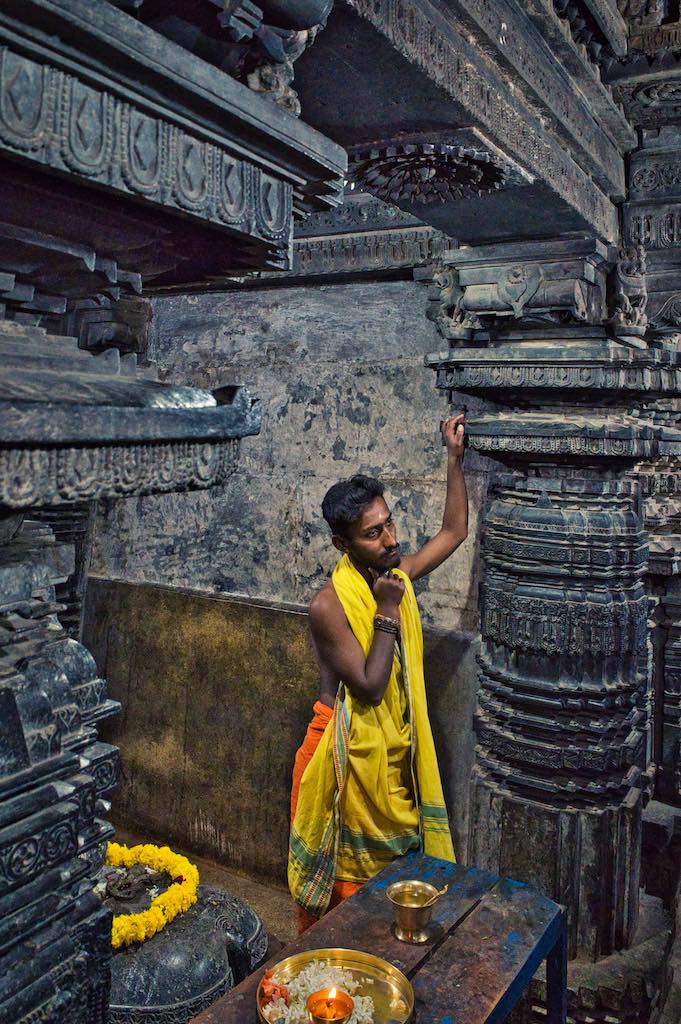
The pujari waits

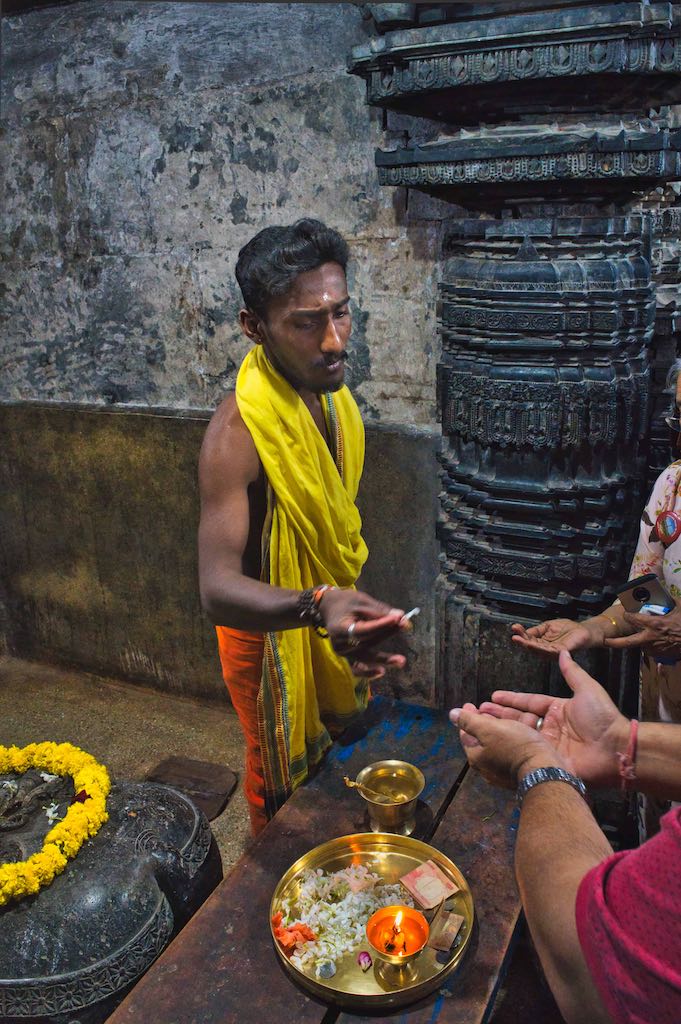
.
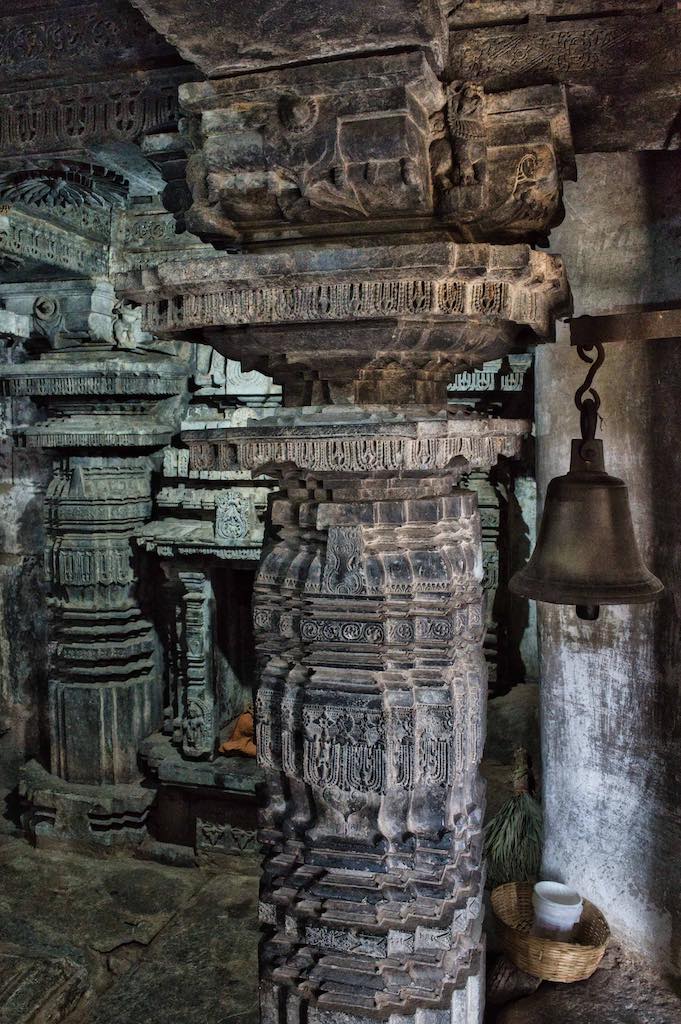
The interior structure consists of Garba griha, Sukanasi, Darshana mantapa, and a Natya mantapa. The sanctum (garbhagriha) enshrines a linga.
.
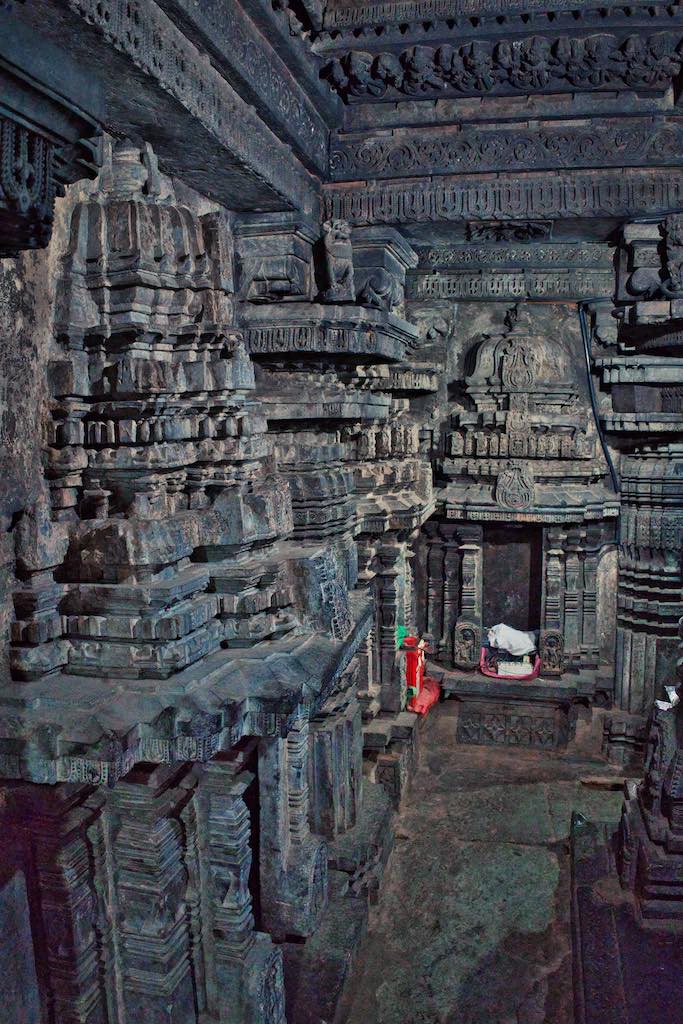
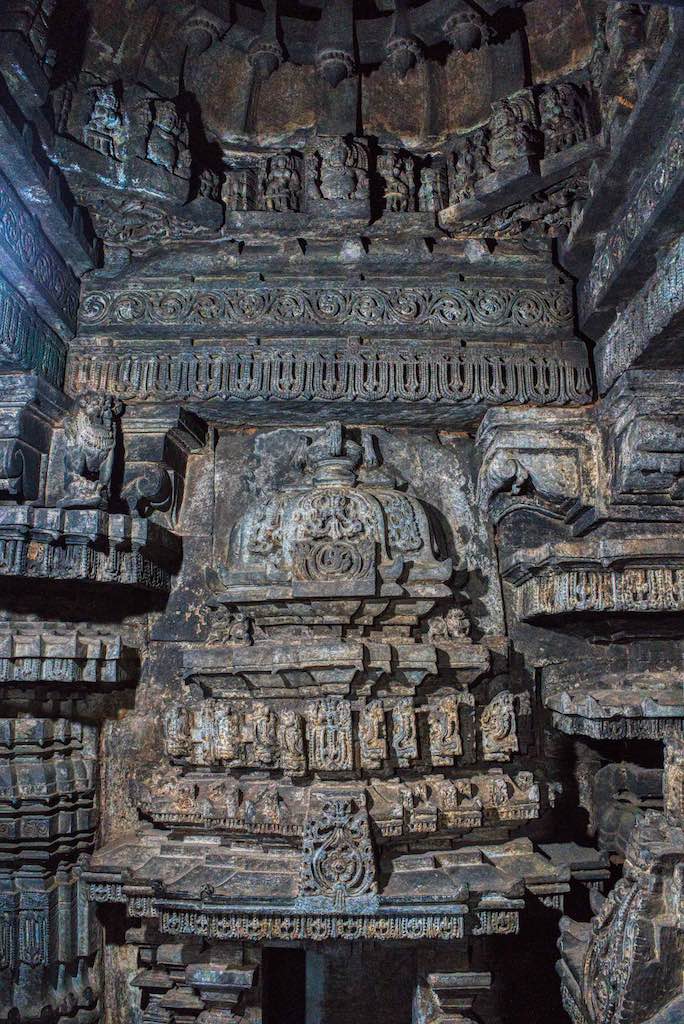

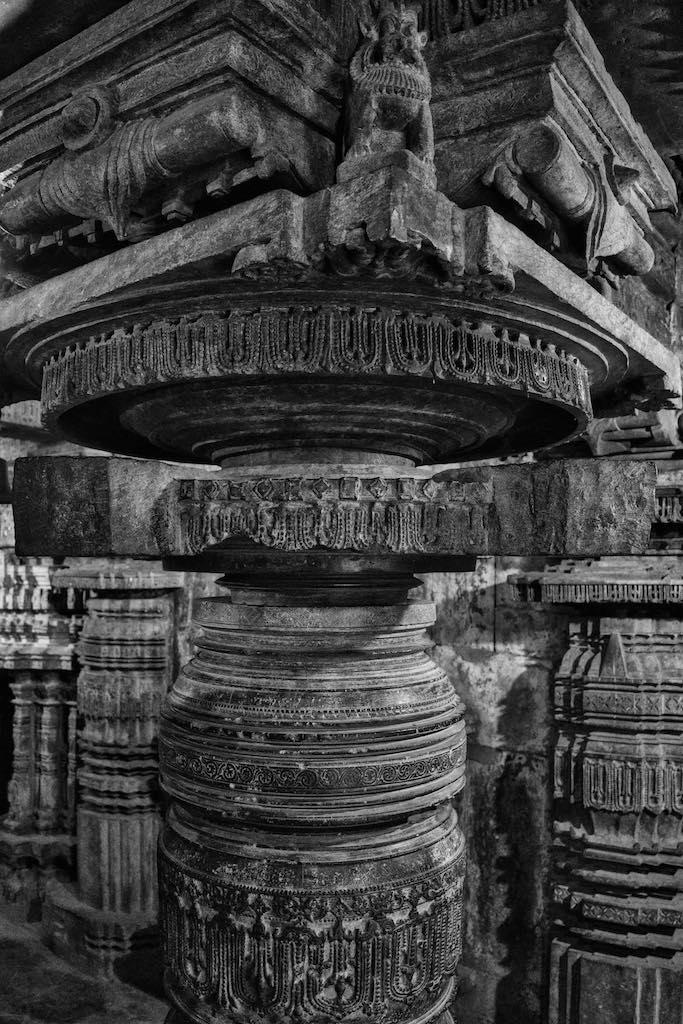
.
The Darshan mantapa has small shrines dedicated to Veerabhadra, Ganapati, Brahma, Vishnu, and Ashtadikpala. It is a square hall without any window and has six pillars and nine bays of ceilings supported by four lathe-turned pillars.
.


.
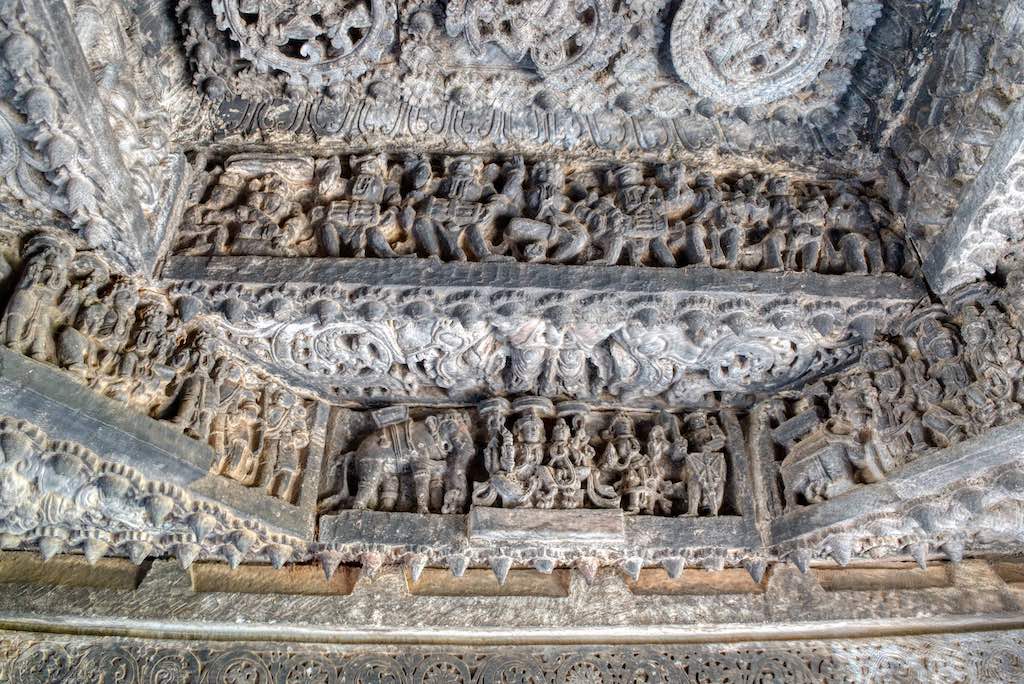
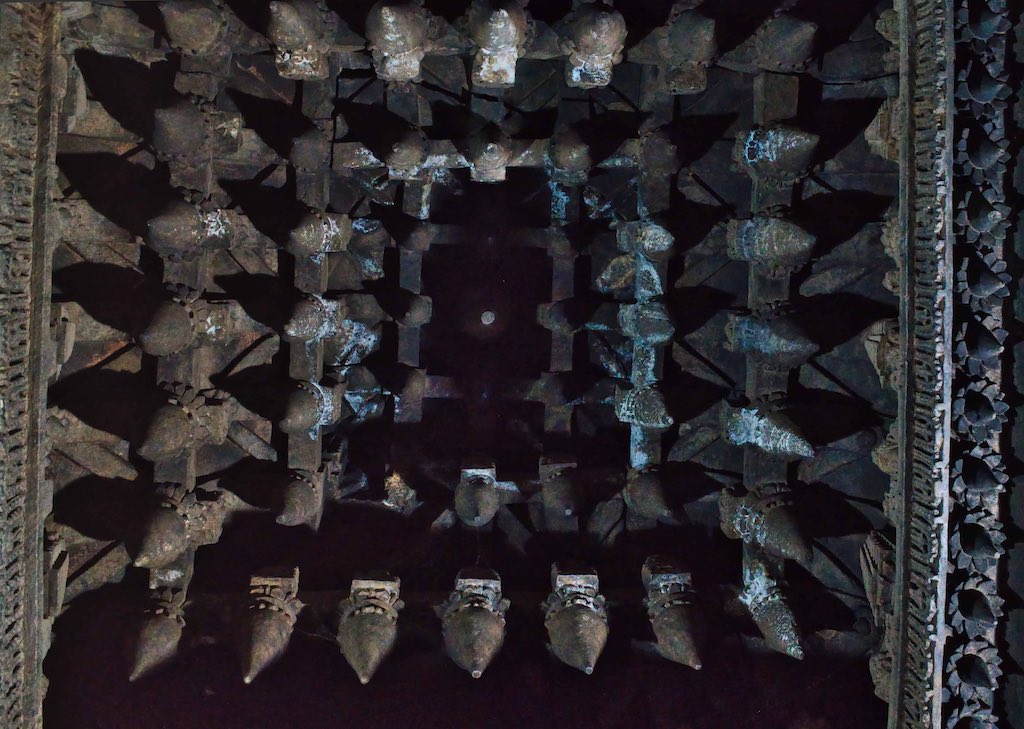
The central ceiling in the closed mantapa and the vestibule are decorated elaborately.
.

.
The ceilings are intricately carved with flowers and filigree work in a variety of designs. The mantapa is where the devotees gather.
.


.
The Natya mantapa is a circular closed structure supported by 21 lathe-turned pillars and an irregular star-shaped dome. The ceiling is intricately carved in the shape of an inverted lotus.
.

.
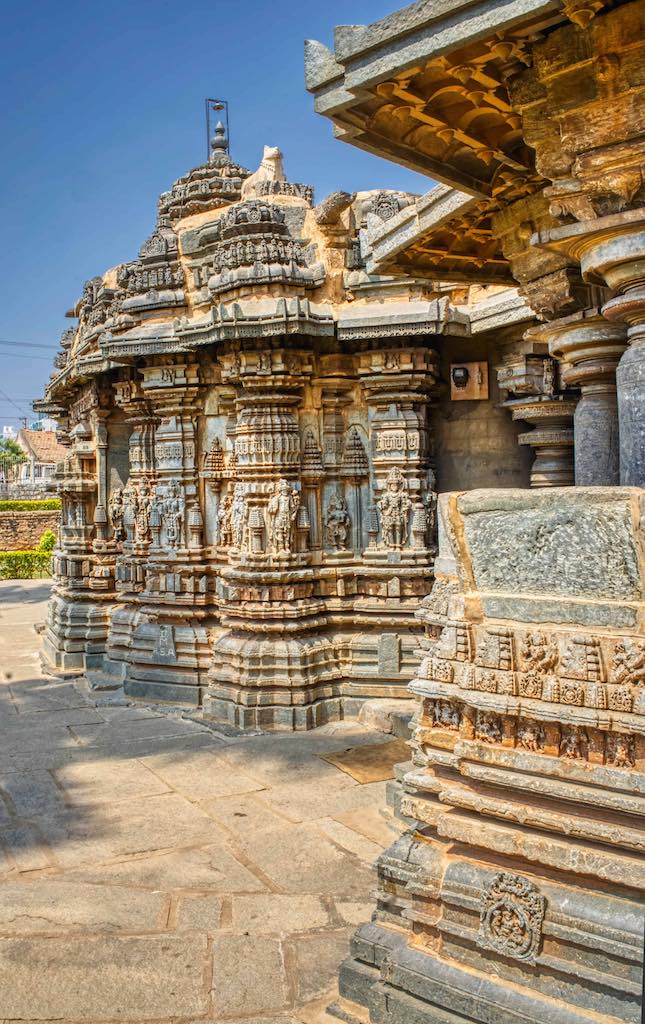
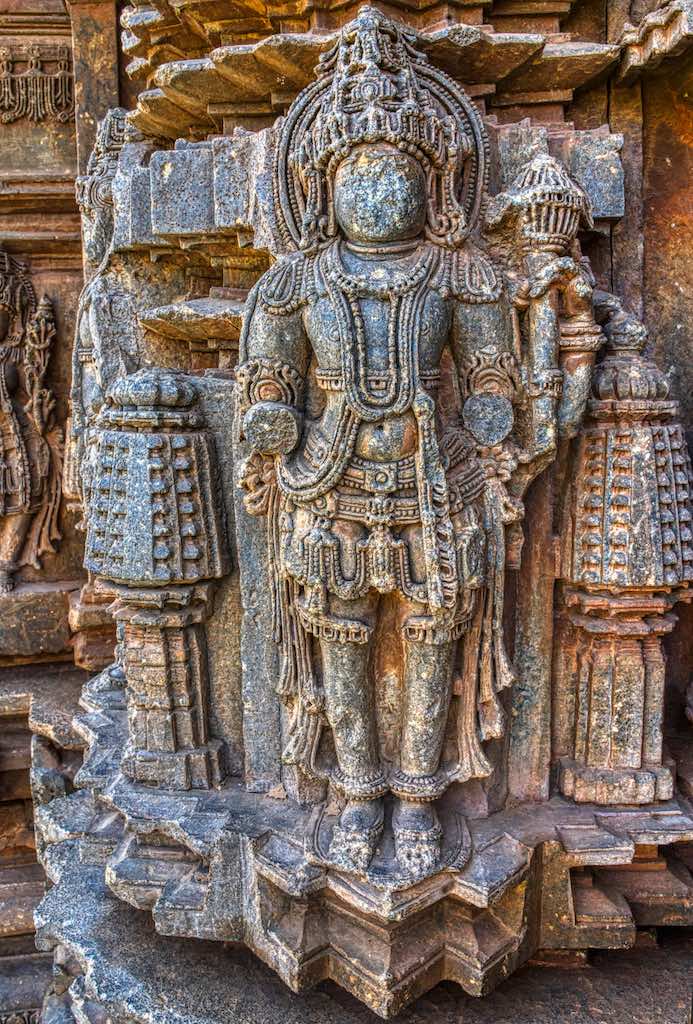
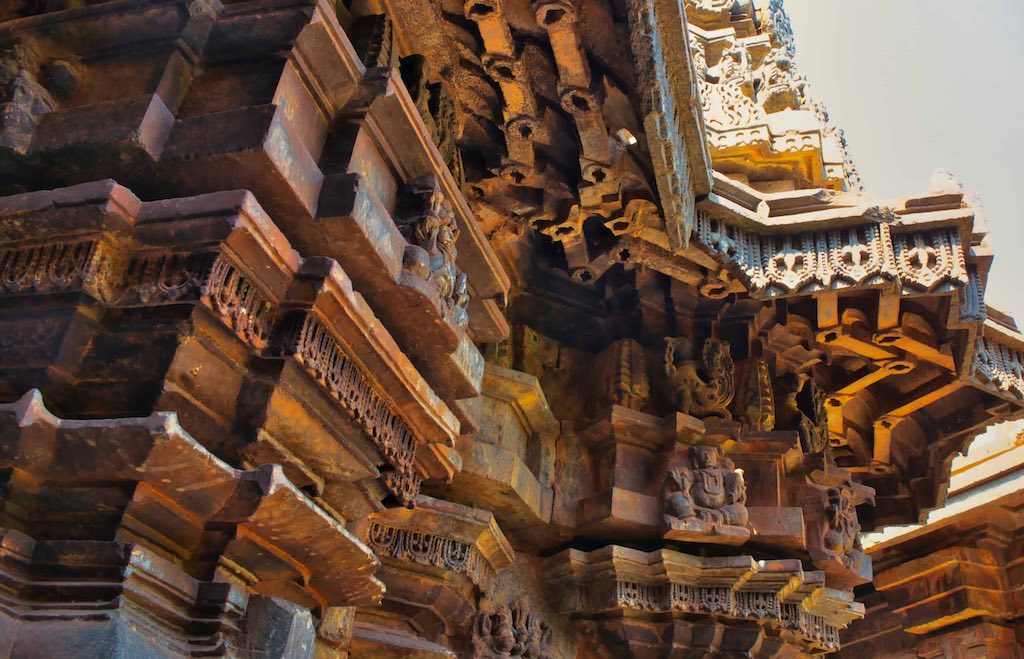
The shrine has a tower (shikhara), which is intact. The outer wall of the shrine is decorated with figures of deities, stories from Puranas and the epics. A Nandi bull is placed on top of the Sukanasi instead of the regular Hoysala emblem.
.

.
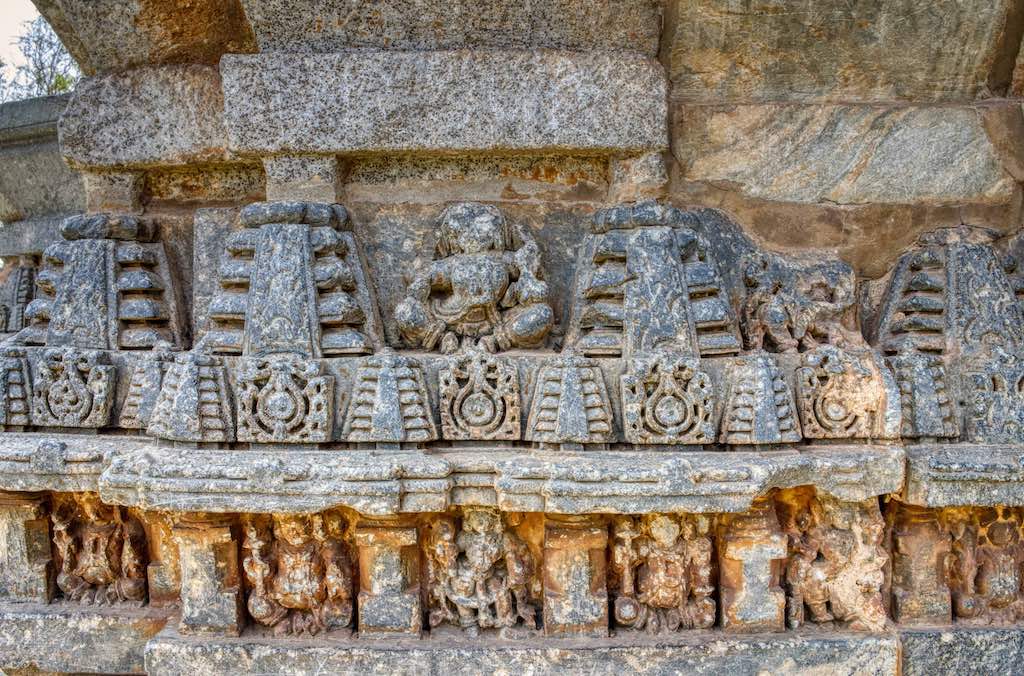
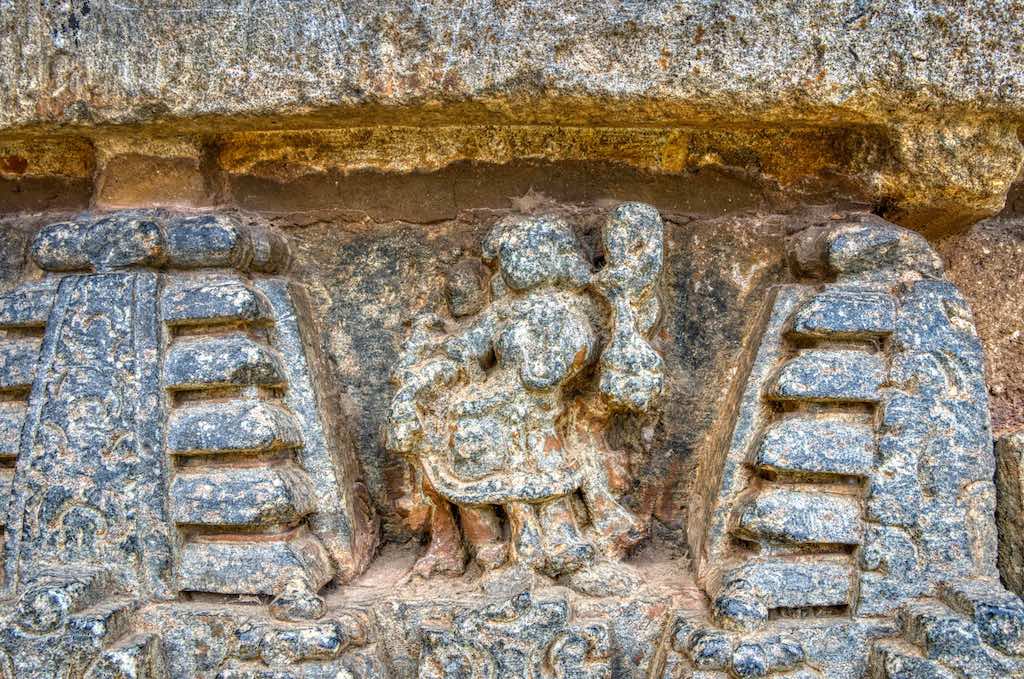
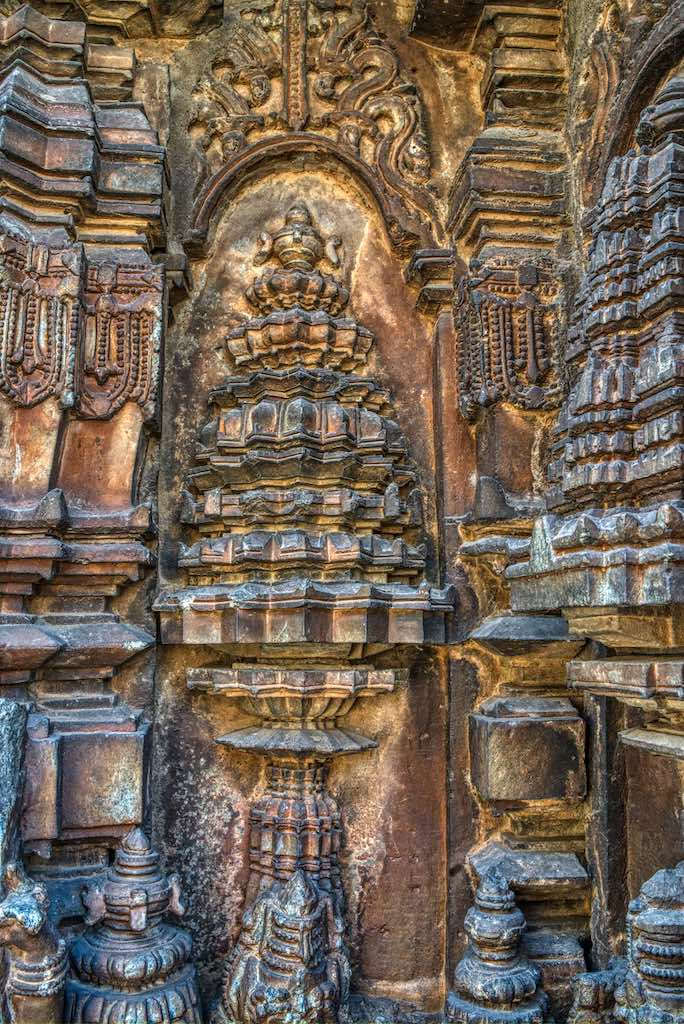
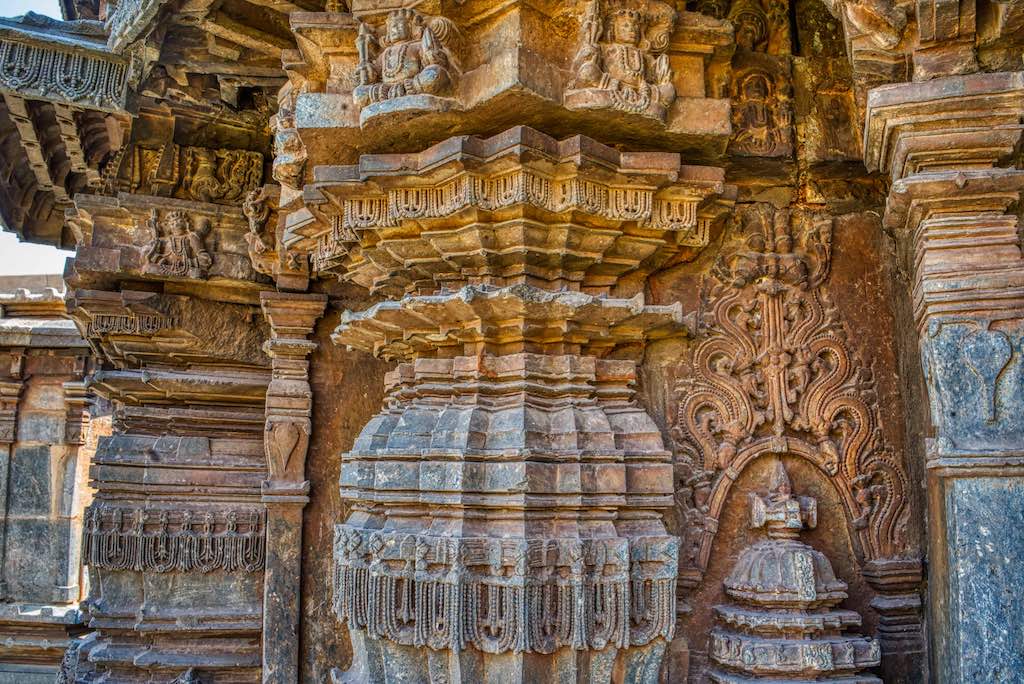
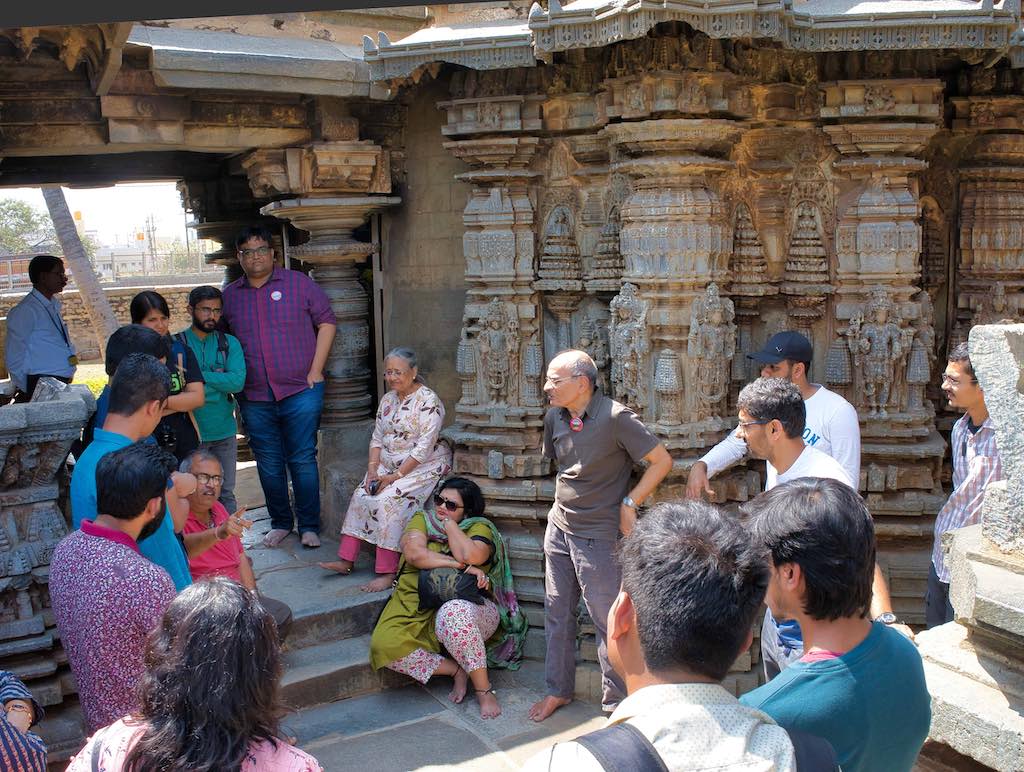
The wall panel images number 120 (on pilasters between aedicules – miniature towers) are carved on the outer walls.
.
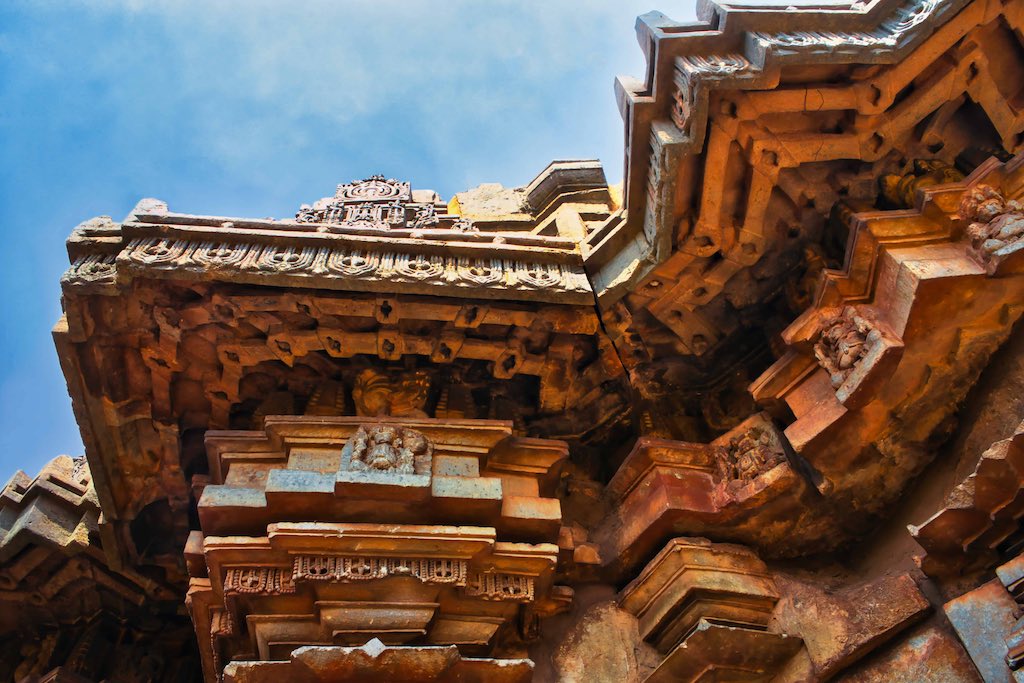
.
There is another hall on the right side of the temple with 24 lathe pillars. The hall has three shrines dedicated to Veereshwar, Bakeshwar, and Chamundeshwar.
.

.
The elegantly decorated ceilings, the domical ceiling of the open mantapa, the sculptures of Dwarapalakas (door keepers) in the closed mantapa (also called navaranga), the wall panel images numbering a hundred and twenty (on pilasters between the aedicules–miniature decorative towers) carved on the outer walls are noteworthy.
.
.
Shivaratri and Kartik Amavasya are two major festivals of the temple.
.

.
Arasikere is 41 km from Hassan and 200 km from Bangalore.
A beautiful temple, words are not enough to describe the precise craftsmanship of the sculptures and the geometric patterns carved in stone. Probably unmatched anywhere else. Its a must-see for every Indian to grasp the vast heritage of our land. Unfortunately, the temple is not very well known, especially beyond Karnataka and so off most major tourist routes.
.
My blogs of the other Hoysala temples I visited can be seen at:
- Amrutheshwara Temple, Amruthapura
- Lakshmi Devi Temple, Doddagaddavalli
- Sri Veera Narayana Swamy Temple, Belavadi
- Hoysaleshwar Temple, Halebidu
- Kedareshwara Temple, Halebidu
- Parshvanatha Jain Temple, Halebidu
- Chennakeshava Temple, Belur
- Chennakeshava Temple, Arakere
- Sri Lakshmi Narsimha Temple, Javagal
.


One Response