
This blog is in continuation of the previous one on Finland, part of my series on my travel through the Scandinavian and Baltic countries during the summer of 2019.
Norway was the first country we hitchhiked through; to read the first blog of my travels through the Scandinavian and Baltic countries, click here.
Time whizzed past during our wonderful, though short, stay in Finland and it was time to catch the ferry for Estonia, which was just across the Gulf of Finland, on 15 July 2019. This stop will never be forgotten, as the worst nightmare that can befall a tourist became a reality for us in Tallinn!
There was a direct tram (Tram No. 7) from our homestay in Helsinki to the ferry terminal, making it convenient to reach, not to mention it was very economical for us!
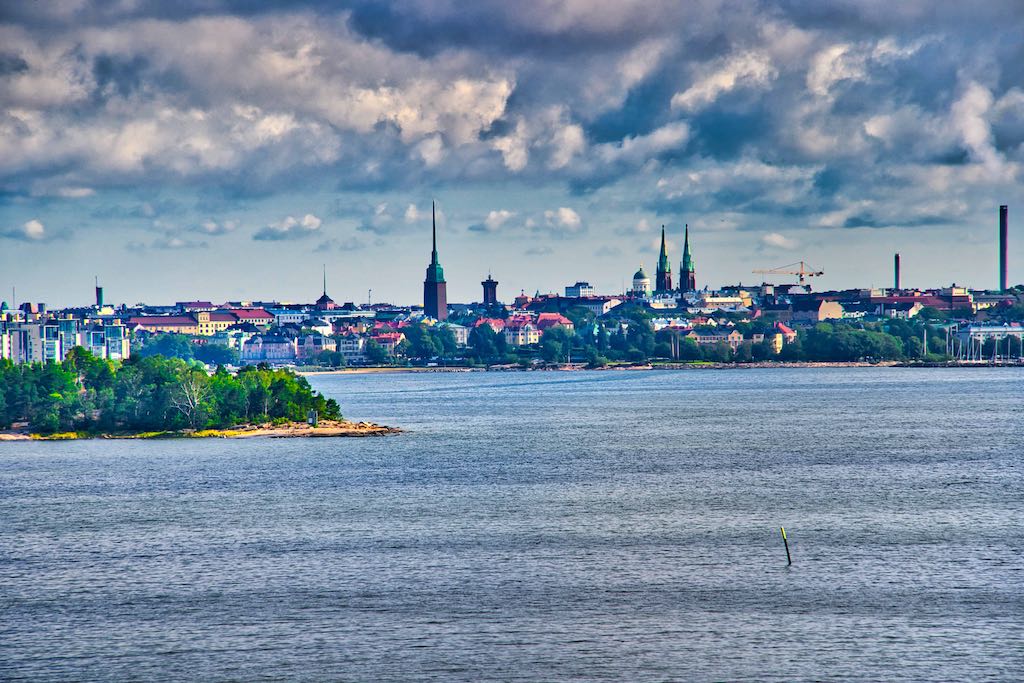
All these travel bookings we had made in India itself before we had left for the trip. Surprisingly for us, there were no departure formalities leaving Finland, since we were travelling within the European Union. Probably the departure from the country was automatically registered when we punched the ticket at the departure terminal.
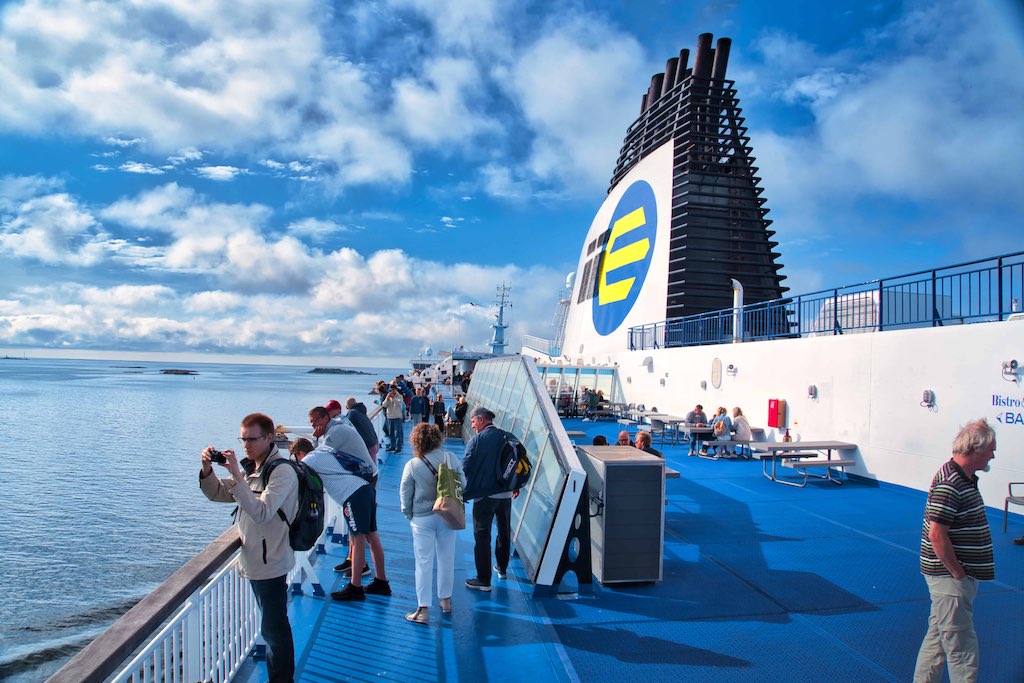
At 9:00 am the ferry sailed for Tallinn. There was a rush to get a seat in the restaurant as soon as we boarded and we were lucky to grab two seats! Most of the ferry ride went enjoying a hot breakfast in the warm cabin, shielded from the freezing winds blowing outside.
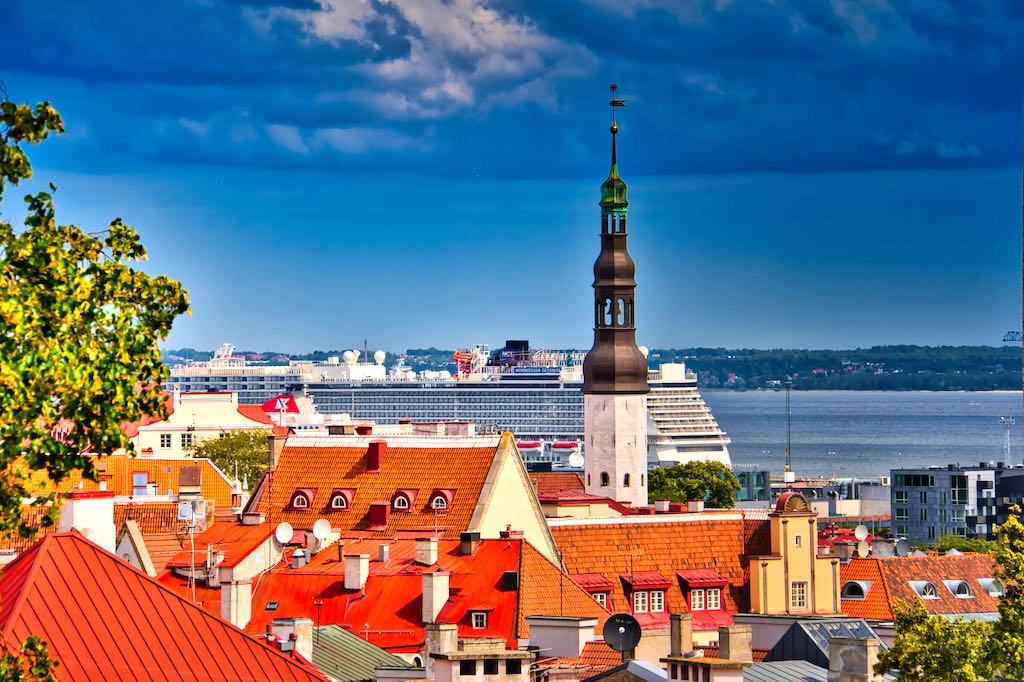
Our CouchSurfing host in Tallinn was Ankit Gupta, an Indian origin IT professional who been there for over 4 years. He had come to complete his Masters and then had stayed on to work as he was quite happy with the relaxed environment there. Even though there were not many Indians in the country – only about 250. However, the cost of living was cheaper than elsewhere in the EU. With the advantage of being part of the EU and the freedom of movement and work that provided.
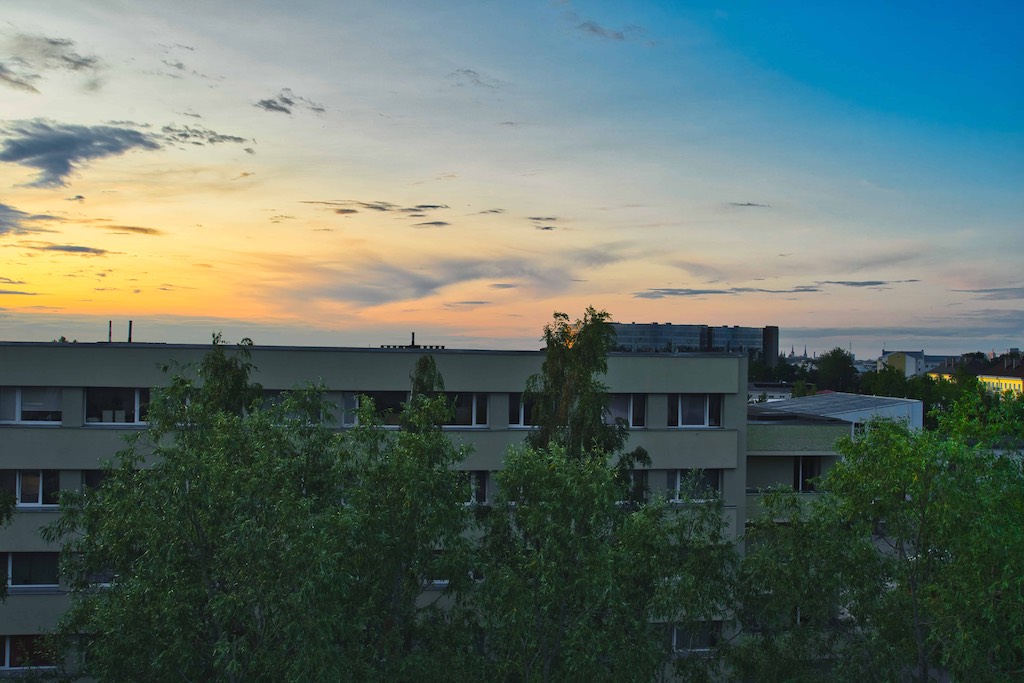
Ankit had already sent us an invite for using BOLT taxi, which gave us a Euro 7 discount on the fare. This made booking a taxi to Ankit’s apartment the preferred option! It turned out to be old barracks used by the Russian Army during their occupation days, now converted into private apartments.
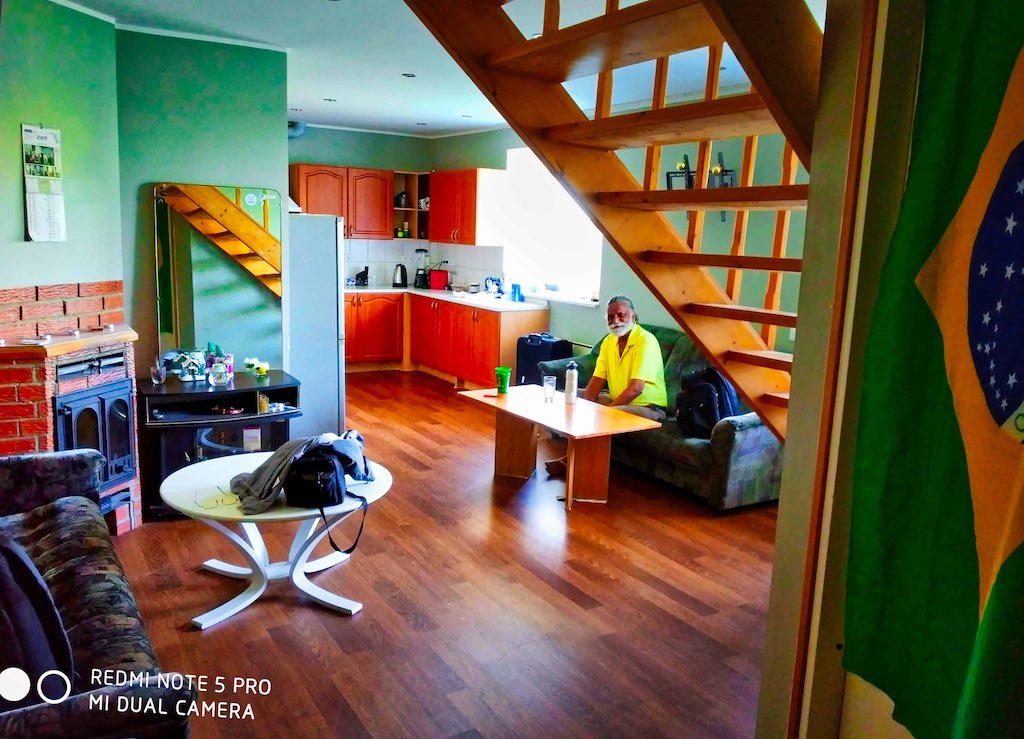
Ankit had opted for work-from-home that day to be present when we arrived, which saved us a lot of worries! He lived in a three-bedroom apartment, it was shared by two others – a working Brazilian and an American woman studying there. There was, however, one toilet-com-shower shared by all making its use in the mornings a bit tricky. Ankit had the large attic room, so we slept on the floor and could gaze at the stars at night through the skylight!
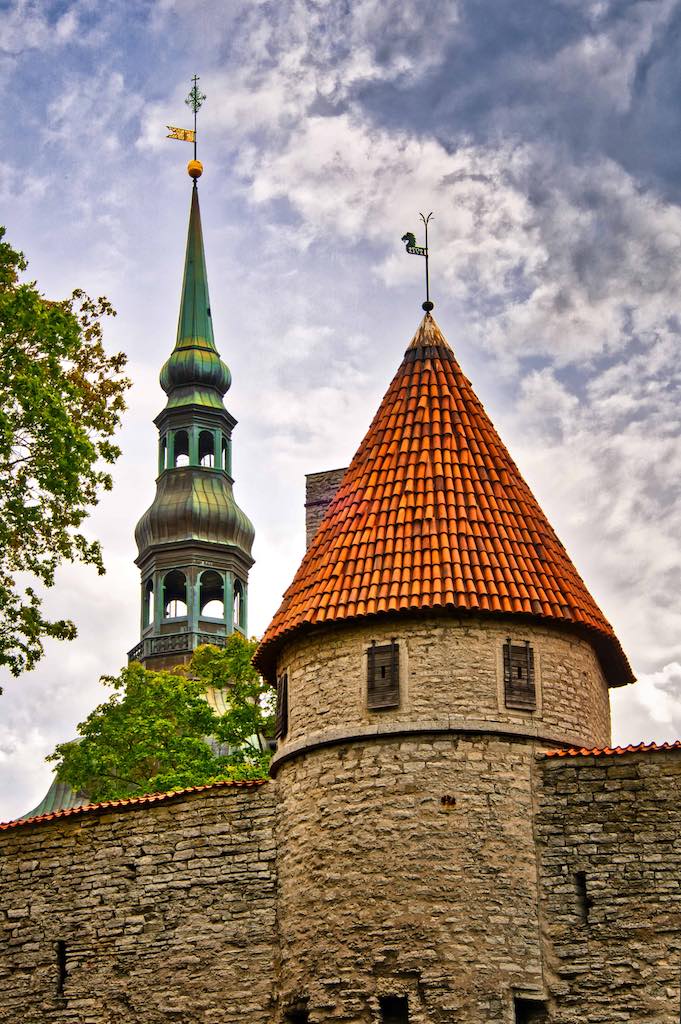
Estonian history extends across a long and winding road through time, telling the tales since the days of the Vikings. Estonia’s deeply rooted pagan spirit and European mindset mean that the country and its people still bear close ties with nature. Christianity entered the country only in the 13th century when crusades under the Teutonic Order and the Danes invaded the country. Present-day Estonia, a country with a population of just 1,400,000, is known for its IT poweress – best known as being the birthplace of Skype – and ranked amongst the top ten digital cities in the world. It is also one of the few countries where citizens can vote online and can open a new business in half an hour! Something India needs to emulate.
After an ad hoc lunch at home, we headed out to explore the town. The bus stand was a half kilometre walk from home, and the easiest way to travel. After initial glitches, we managed to book the bus tickets online – these were discounted by 50%! So the Euro 2 ticket came at half the cost, and was easily affordable. Bus No. 23 became the standard bus to catch every day for us.
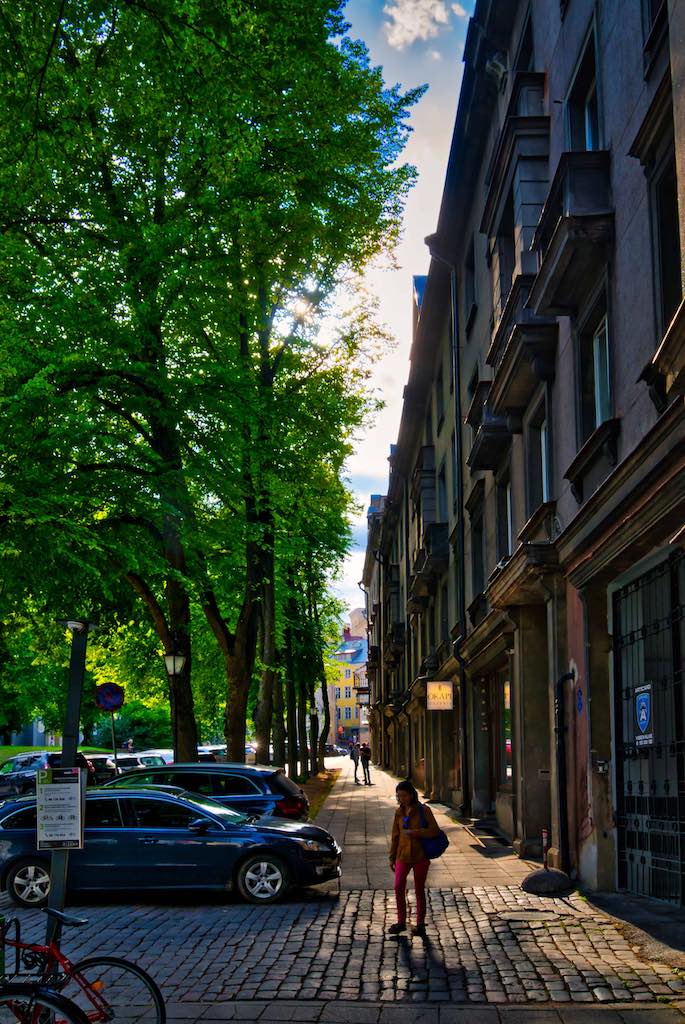
The Tourist Information Center in the heart of the Old Town was the first stop, as was the norm for us. These Centres were always helpful and provided a profusion of maps and information.
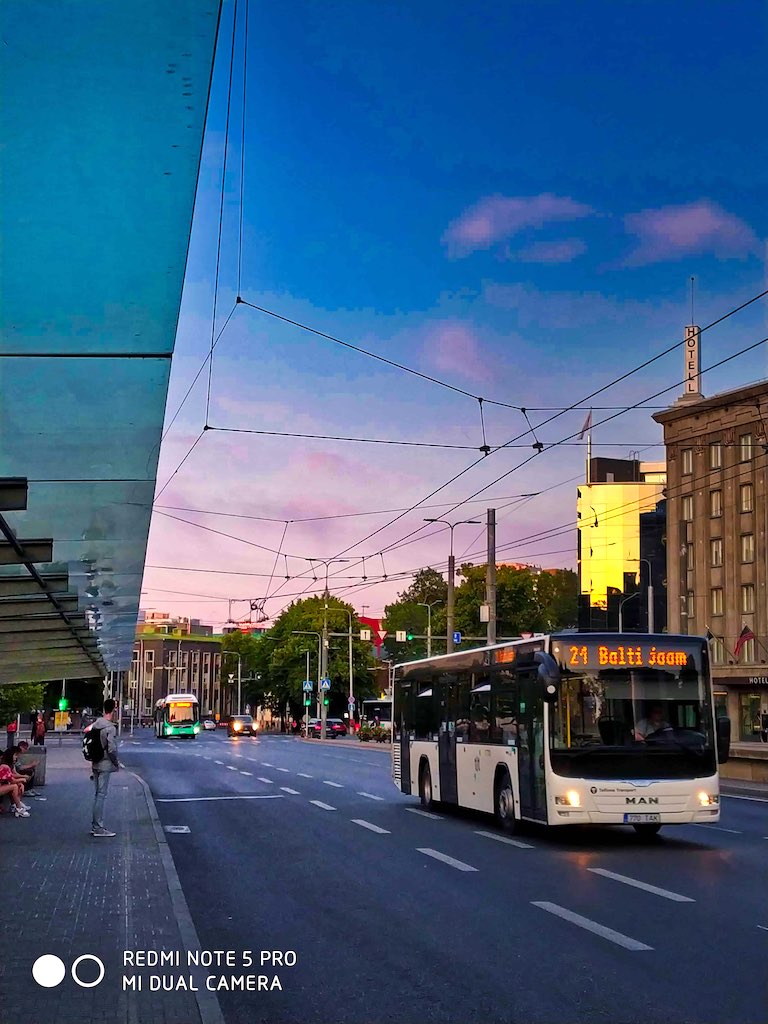
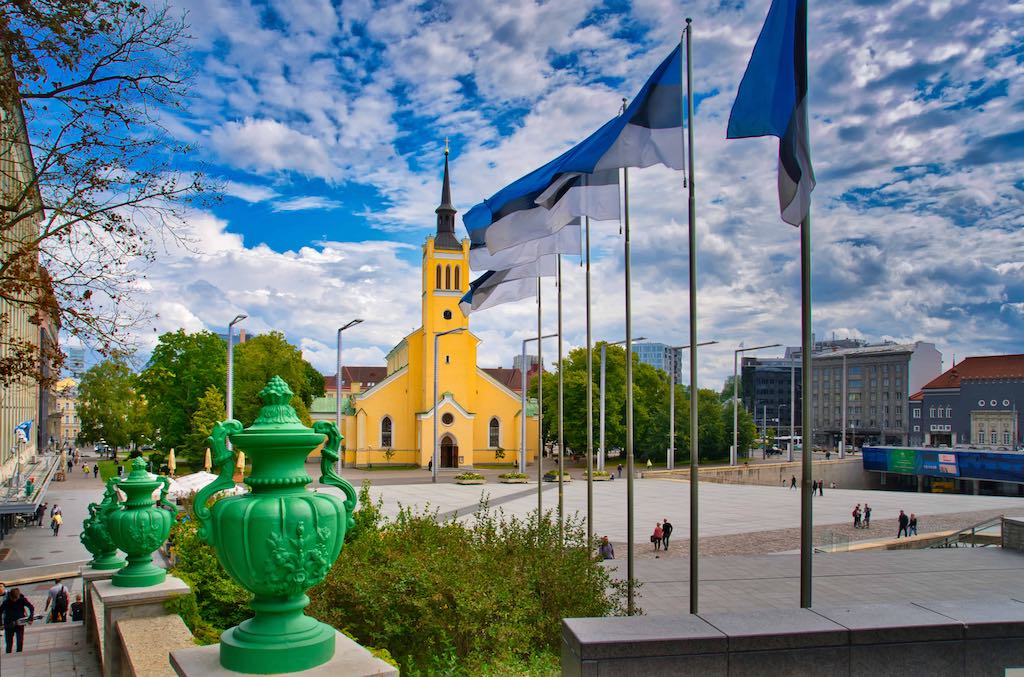
It took us a bit of searching which bus stop to alight and the route thereafter. The Freedom Square was a major landmark and bus stop where all routes converge and was easy to spot.
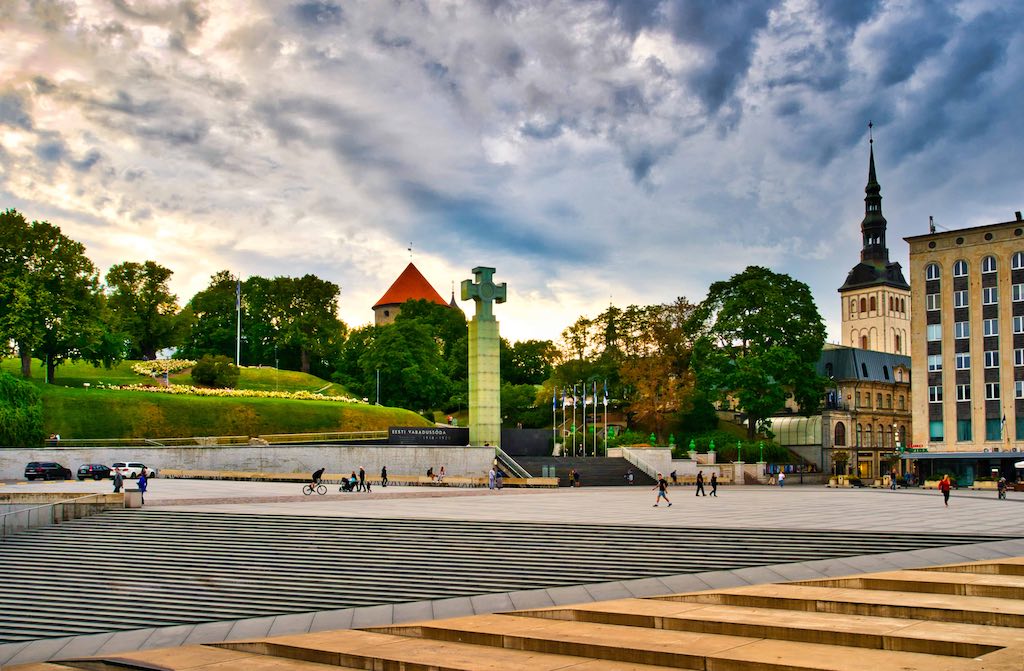
But Google Maps was always there and we reached intact. Most cities nowadays have a multi-purpose card for tourists which allows free entrance to various museums and use of the public transport system. We had avoided it till now due to high costs but thought of trying it out here. We bought the 2-Day Tallinn Card, at Euro 39 – it was not cheap!
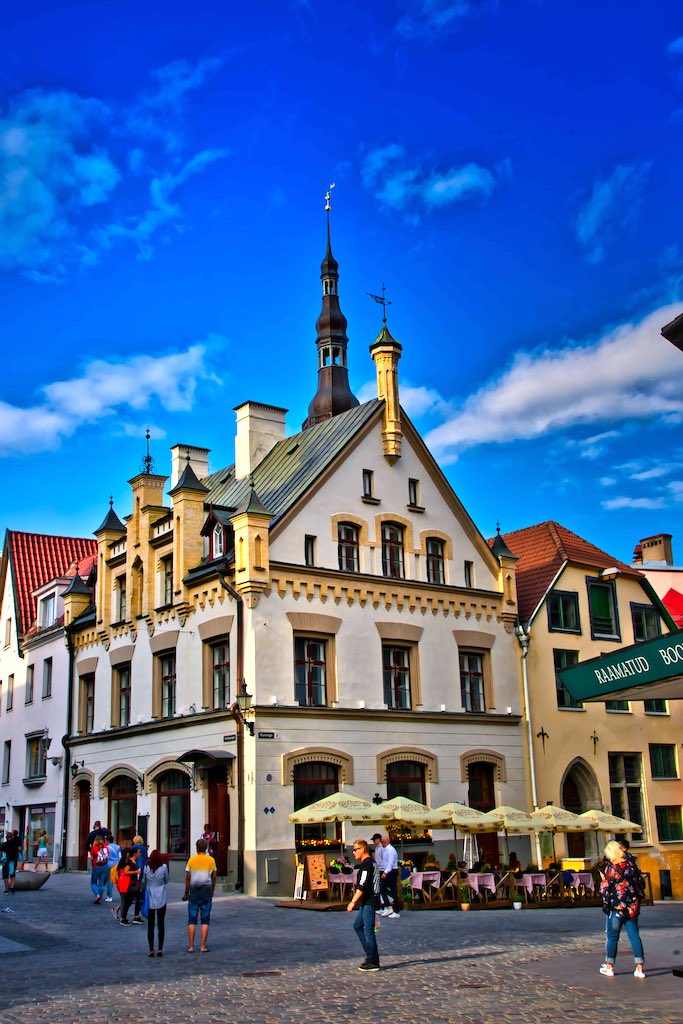
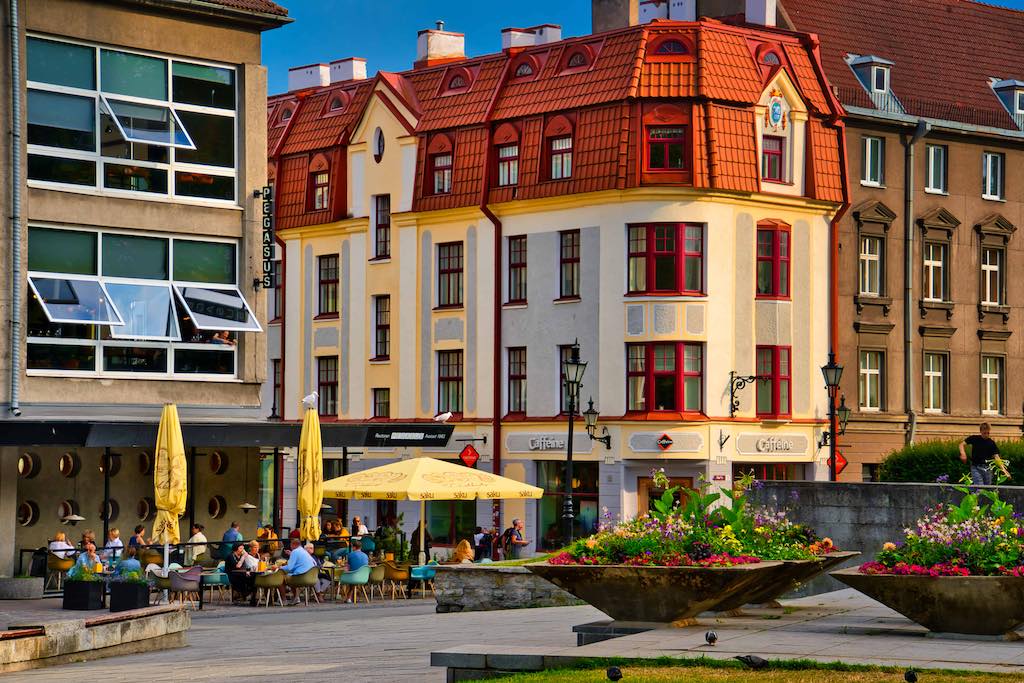
On the way to the Center, we had our first glimpse of the beautifully maintained old town and its buildings and gardens. That was enough for the first day and we headed back home.
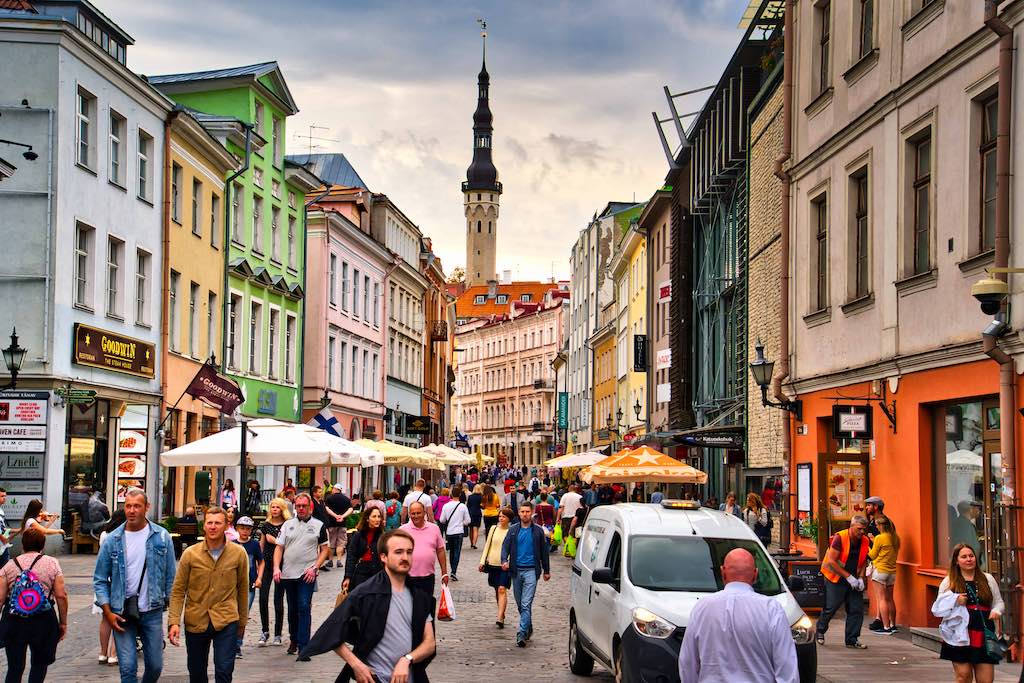
The second day, we spent sightseeing the numerous churches, the fort and museums in the Old Town. Tallinn, on the Baltic Sea, is the country’s cultural hub. It retains its walled, cobblestoned Old Town and is home to a multitude of cafes and shops. This part of the city is a UNESCO World Heritage Site and the sights are endless.
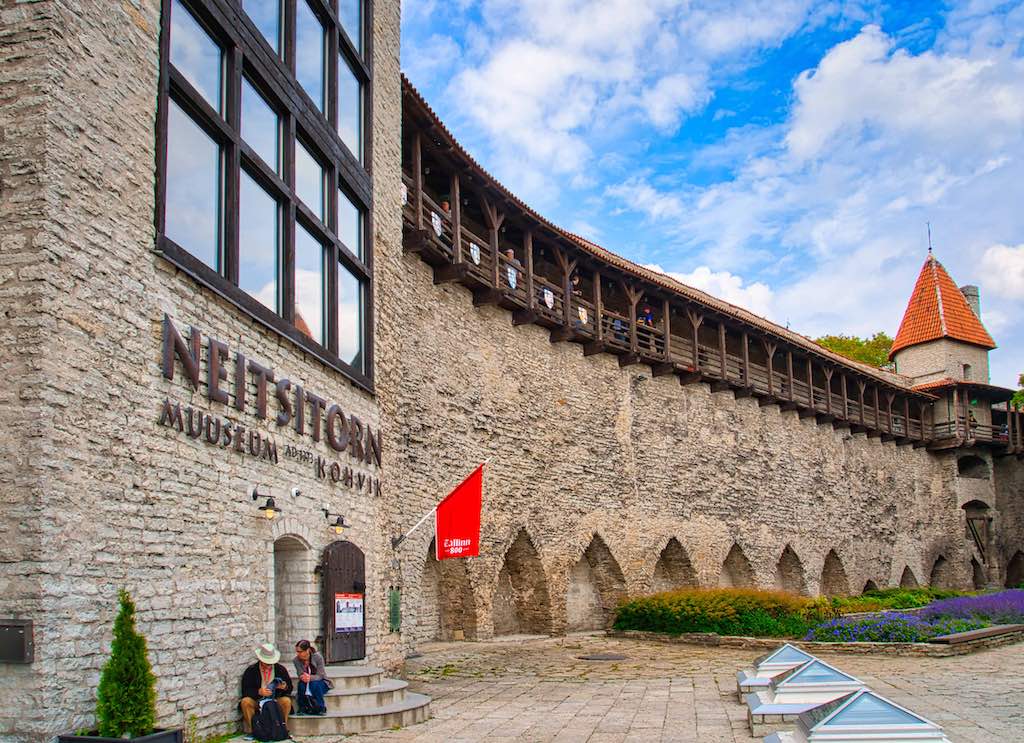
One of the landmark sites is the Neitsitorn Museum. In front of the Maiden Tower the story of the city of Tallinn began in the summer of 1219, hence its importance.
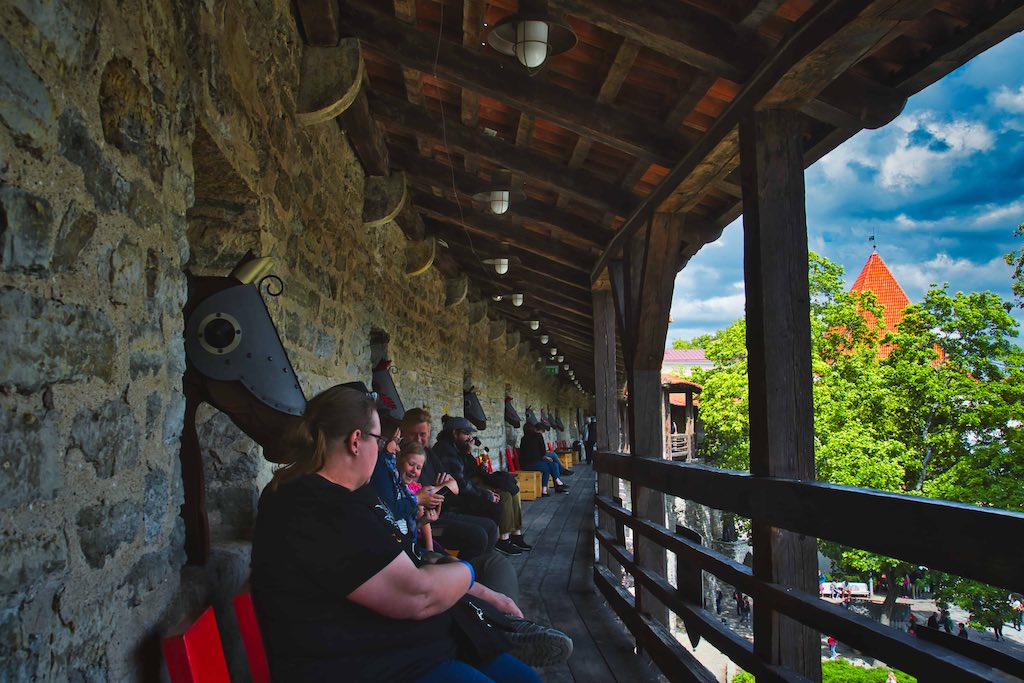
The viewing gallery & walkway 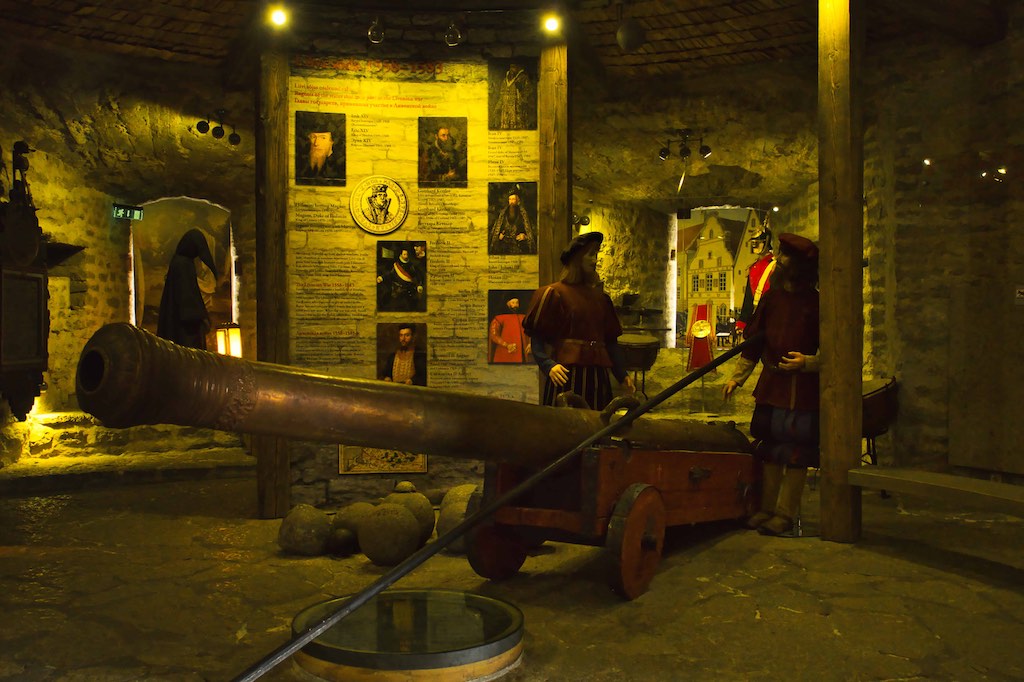
Museum exhibits
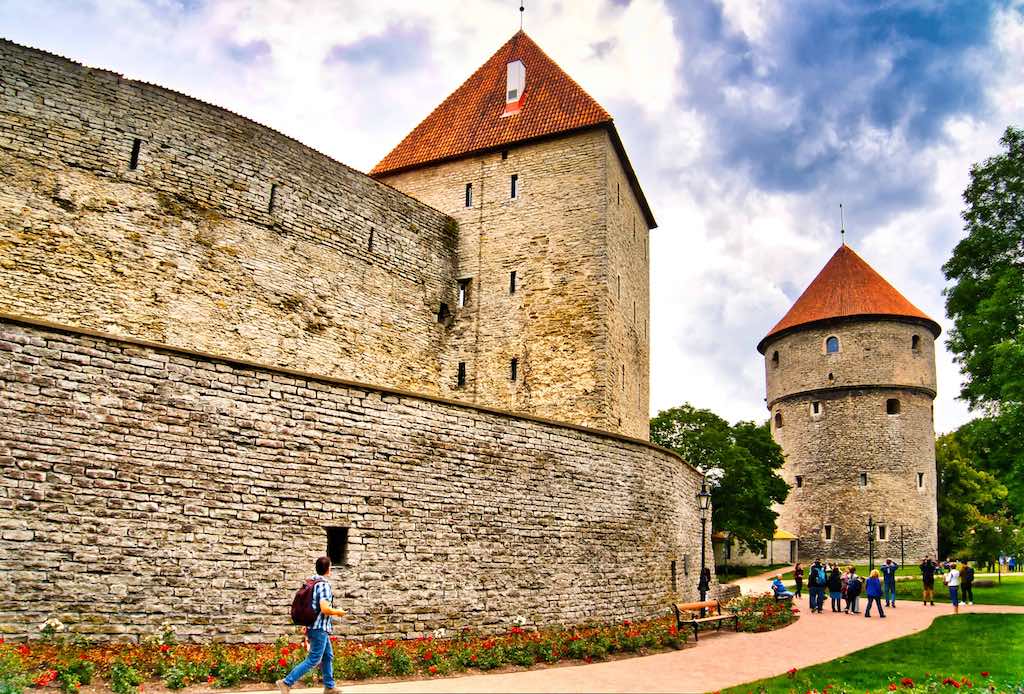
Another famous attraction is the Kiek in de Kök, a 15th-century defensive tower. The Kiek in de Kök Fortification Museum forms a museum complex over 500 metres long which includes four towers: Kiek in de Kök, Maiden’s Tower, Tallitorn Tower, and the Gate Tower of the Short Leg (Lühikese jala väravatorn). The fortification museum also includes mysterious underground bastion passages, which house the Carved Stone Museum.
Another heritage marvel of the town we visited is its Gothic Town Hall, built in the 13th century and with a 64m-high tower, which sits in the historic main square. Tallinn Town Hall is the oldest city hall in North-Europe and the only preserved one in Gothic style. The story of the building dates back to the 13th century and it was completed, in its current form, in 1404. The town was ruled from the Town Hall for nearly 700 years.
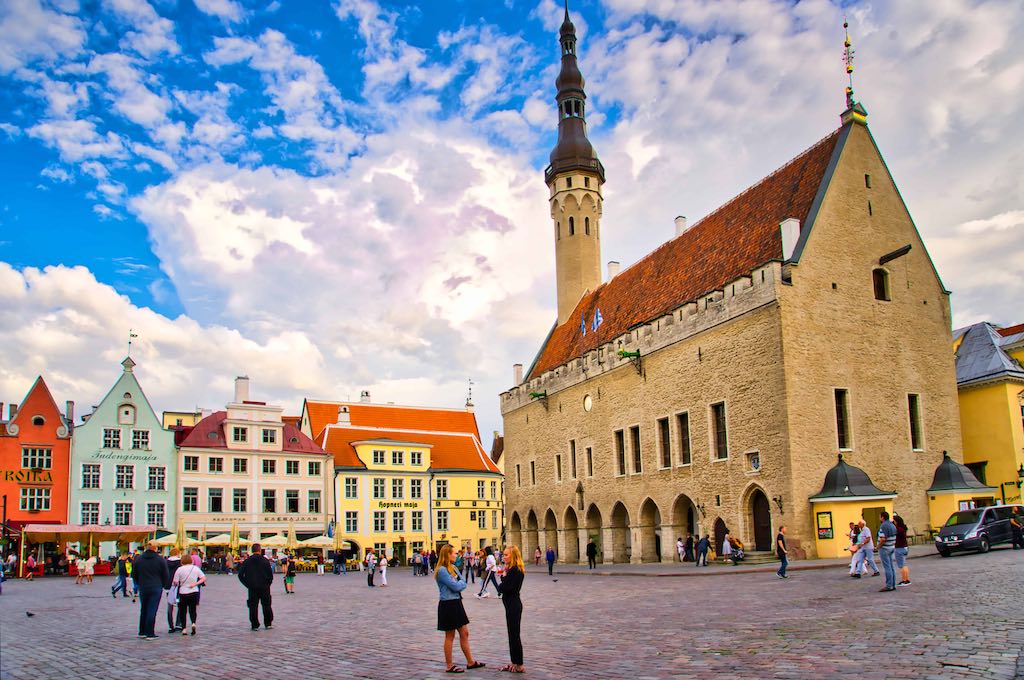
During the afternoon we strolled through the Market Square in front of the Town Hall. The square was quite similar to the market squares of all the other old medieval cities we had visited.
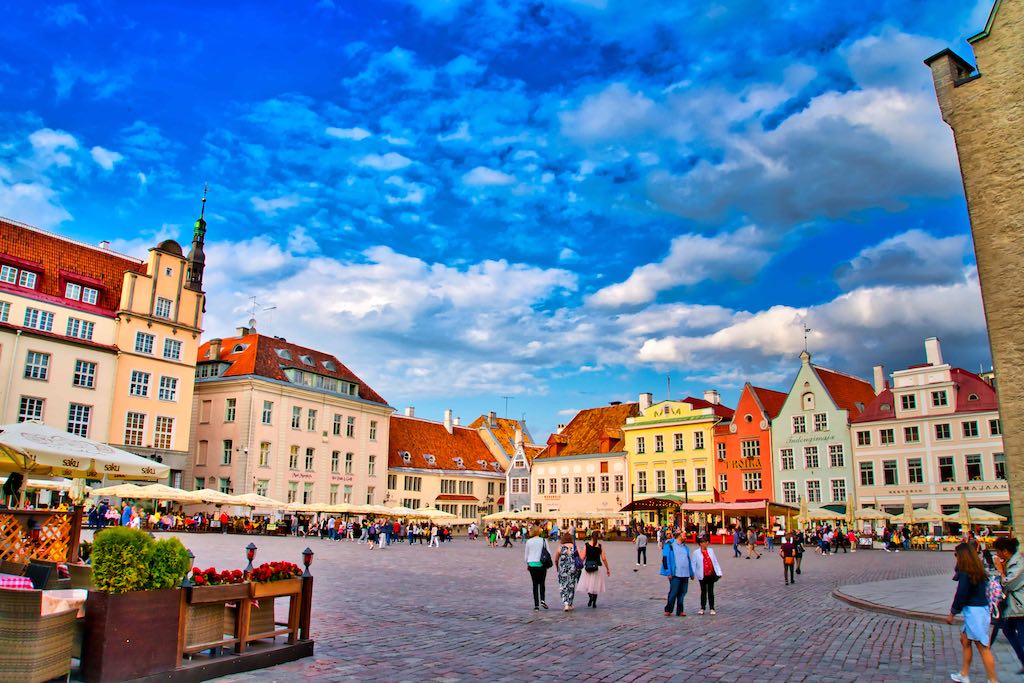
A big open square, lined with cafes and restaurants and old gothic buildings painted in bright colours.

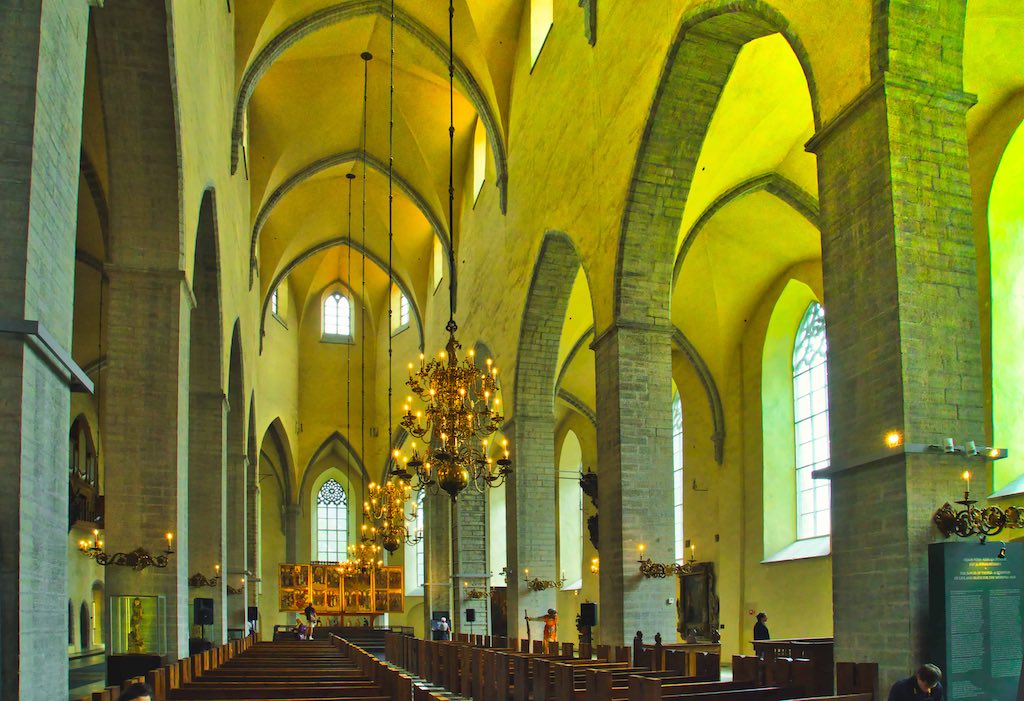
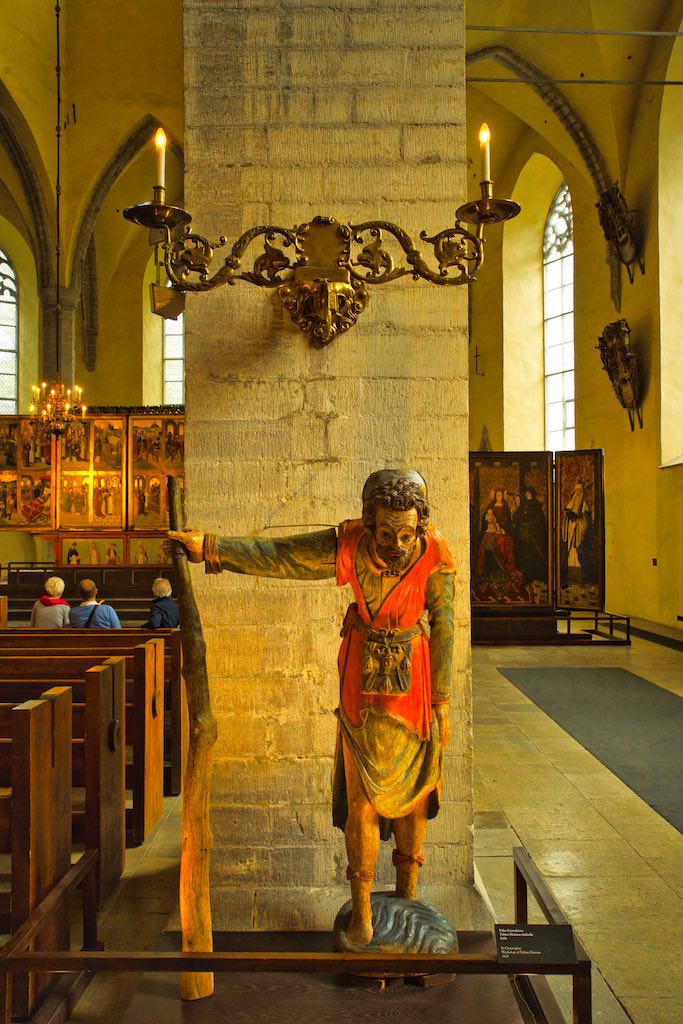
Most tourist sights were within walking distance. Though constant walking on the cobbled streets was quite painful after a while, especially if the shoes were not well padded! We walked across to the St. Nicholas Church, a 13th-century city landmark exhibiting ecclesiastical art since the Middle Ages.
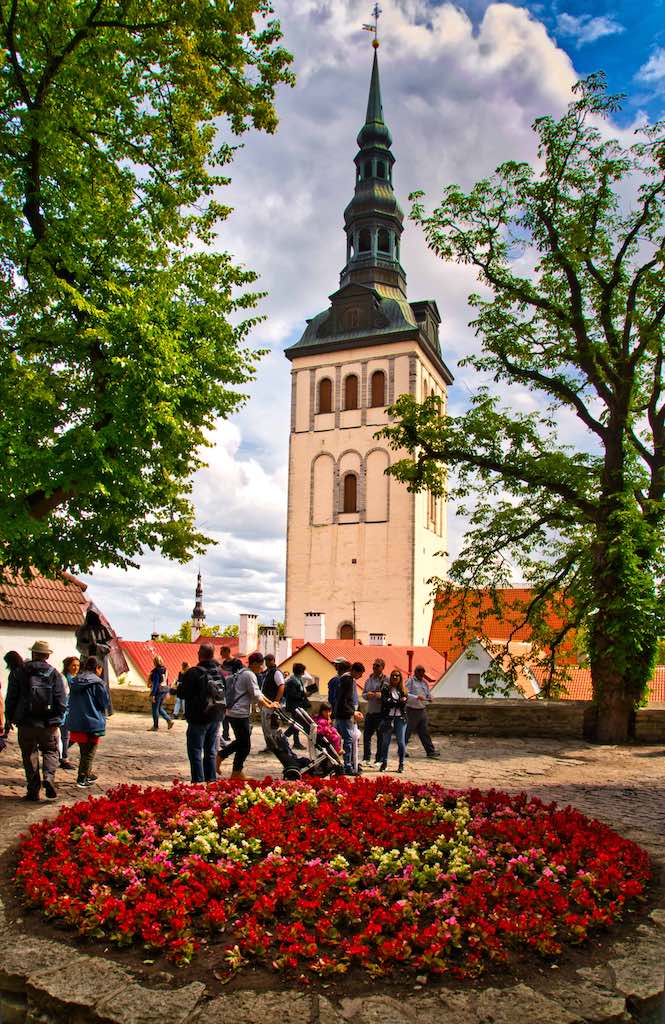
The St Nicholas church has a checkered history. It was built around 1230–1275 by Westphalian merchants. It underwent numerous changes along the centuries, the tower is now 105 metres (344.5 ft) high.
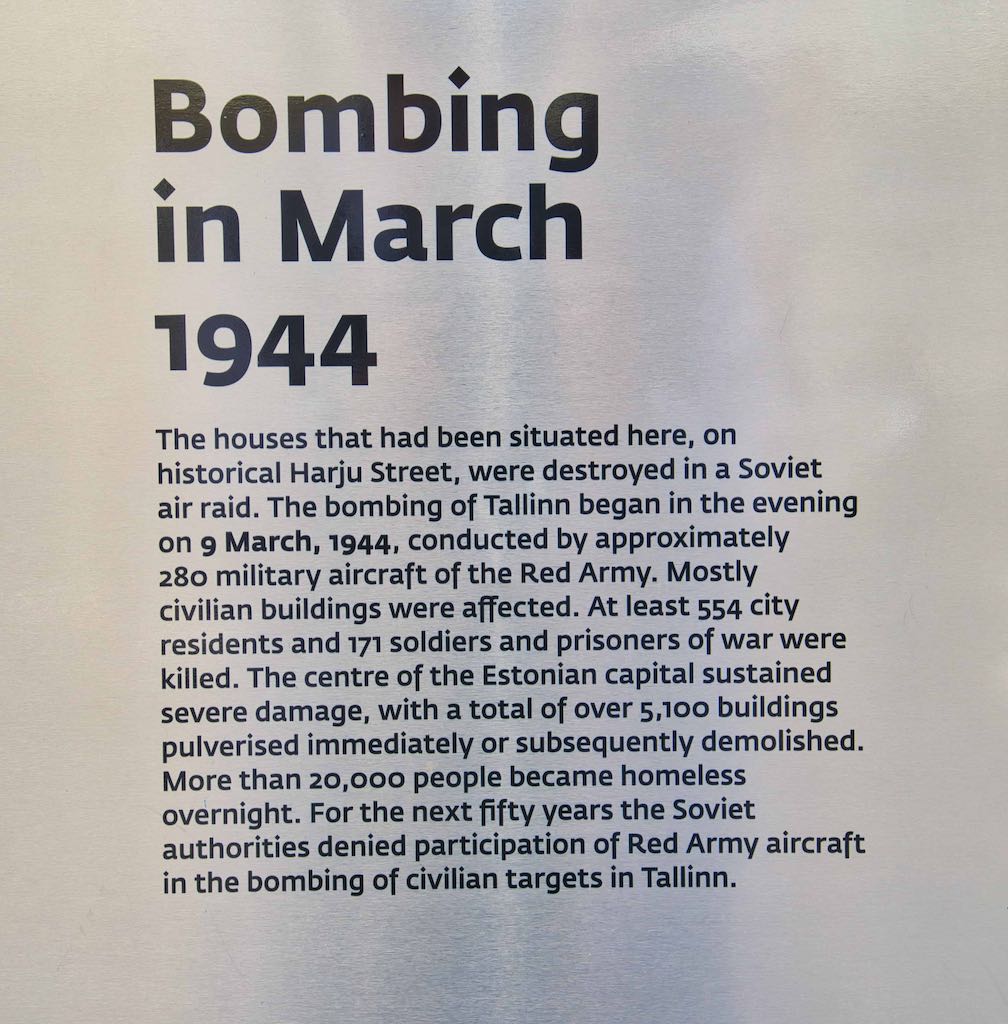
It suffered major damage during World War 2 on account of Soviet bombing.
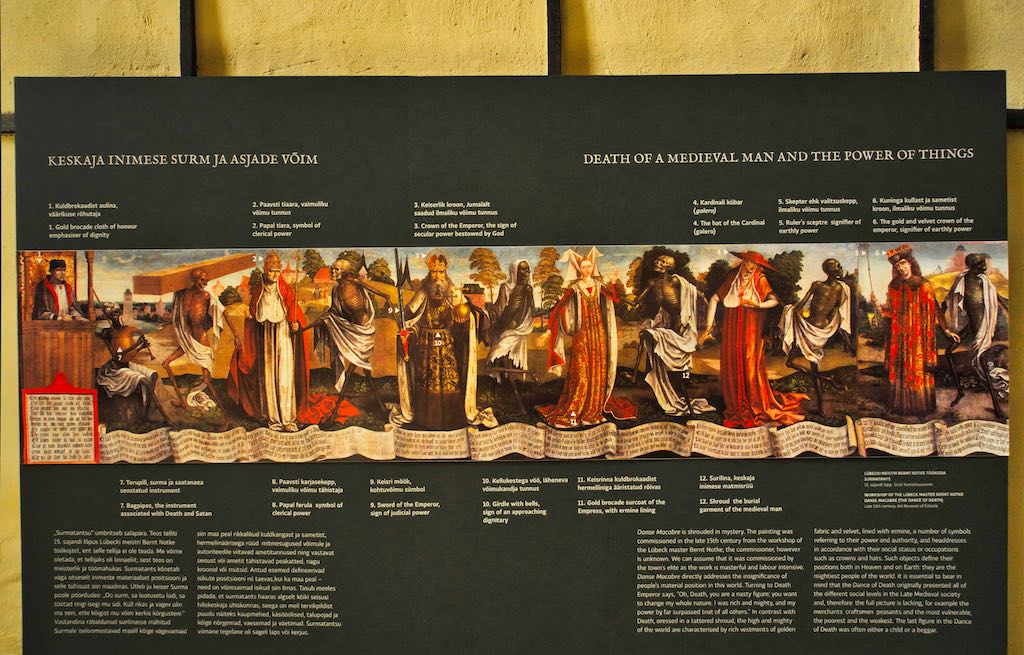
Most famous of the artworks in the museum is perhaps a Danse Macabre by the Lübeck master Bernt Notke, which depicts the transience of life, the skeletal figures of Death taking along the mighty as well as the feeble ones. Danse Macabre or The Dance of Death was a popular medieval motif in art.
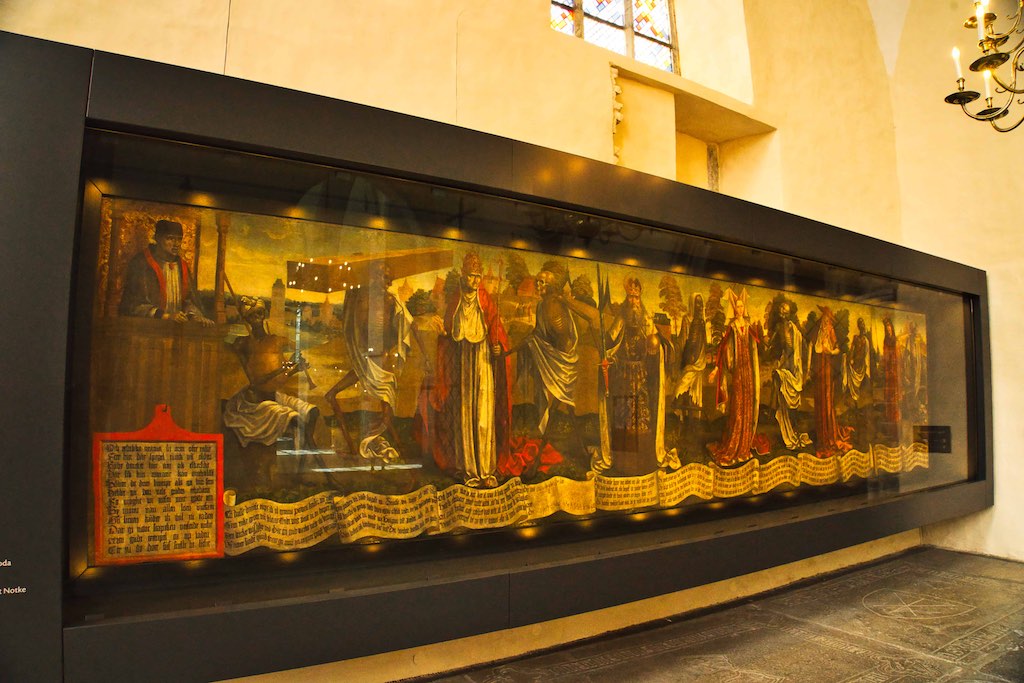
Only the initial fragment of the original 30 metres (98.4 ft) wide painting (accomplished at the end of the 15th century) has been preserved and is currently displayed in St Nicholas Church.

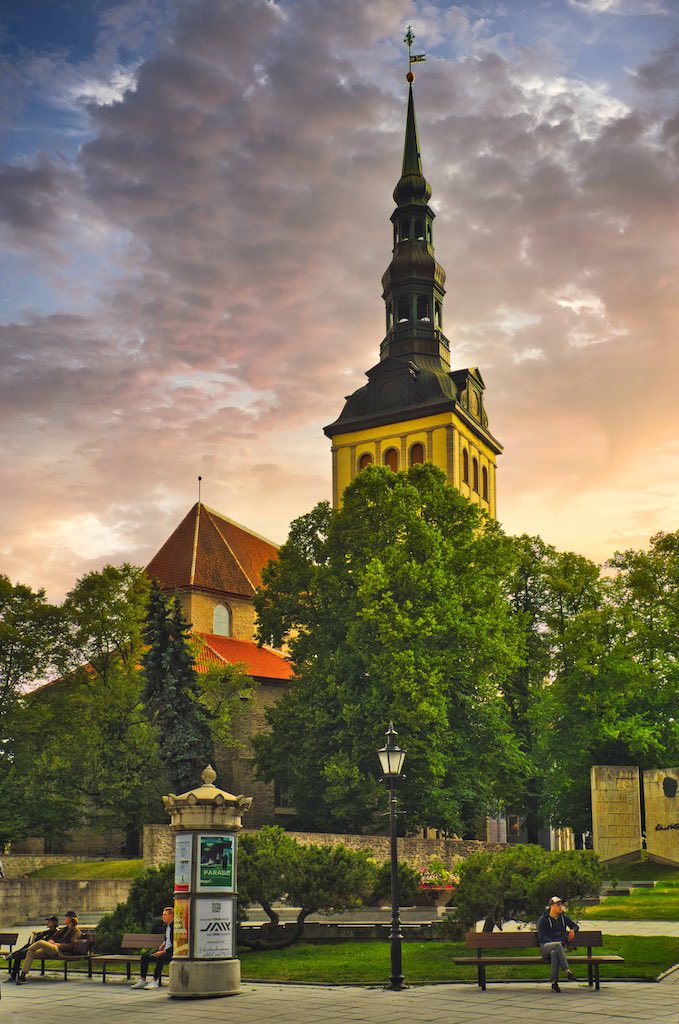
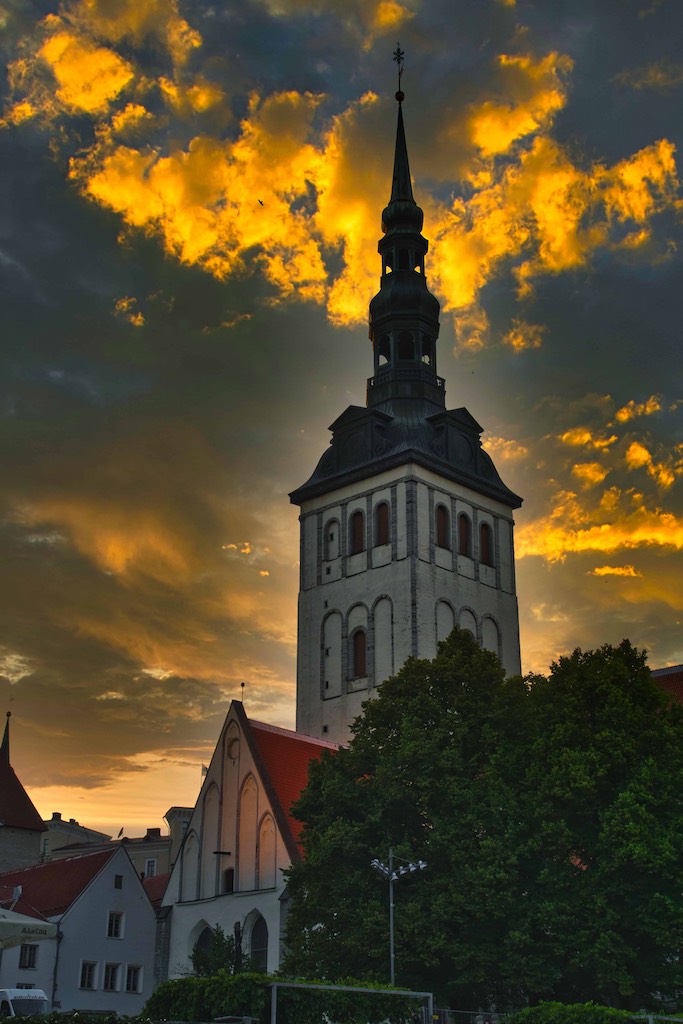
However, the church which dominates the city skyline is the Aleksandr Nevsky Cathedral. This spectacular, onion-domed structure perched atop Toompea Hill is Estonia’s main Russian Orthodox cathedral. It’s also by far the grandest and most opulent Orthodox church in Tallinn.
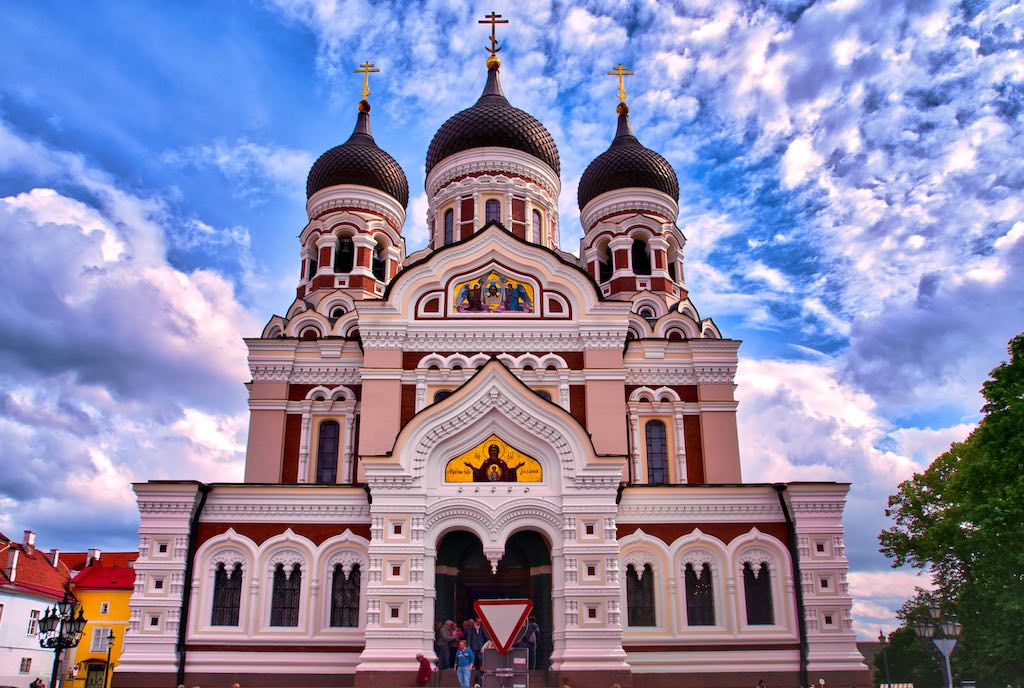
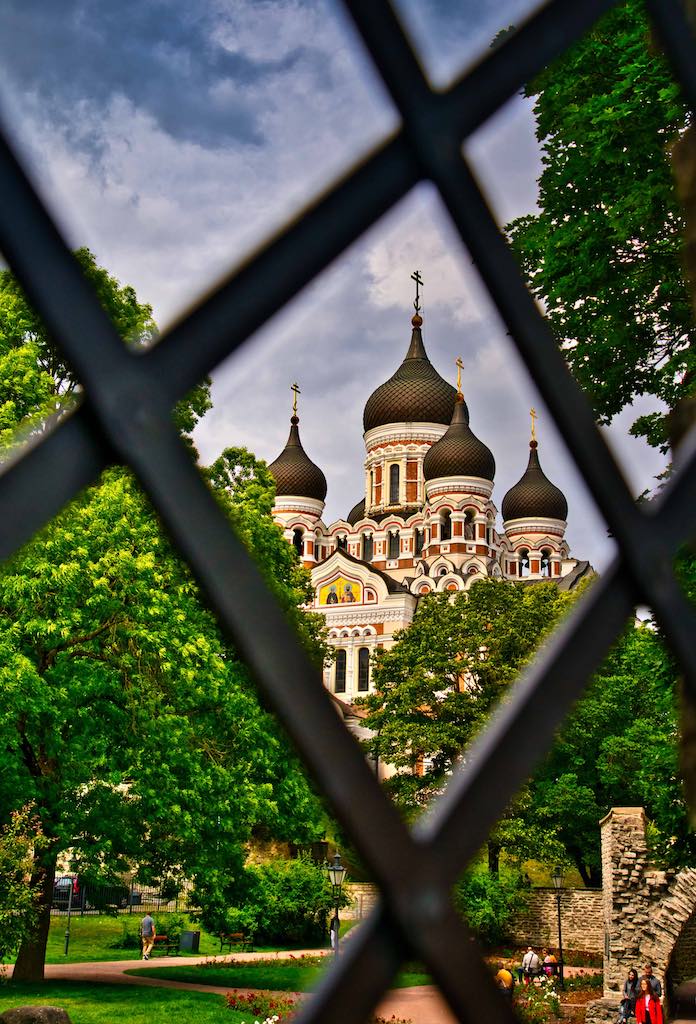
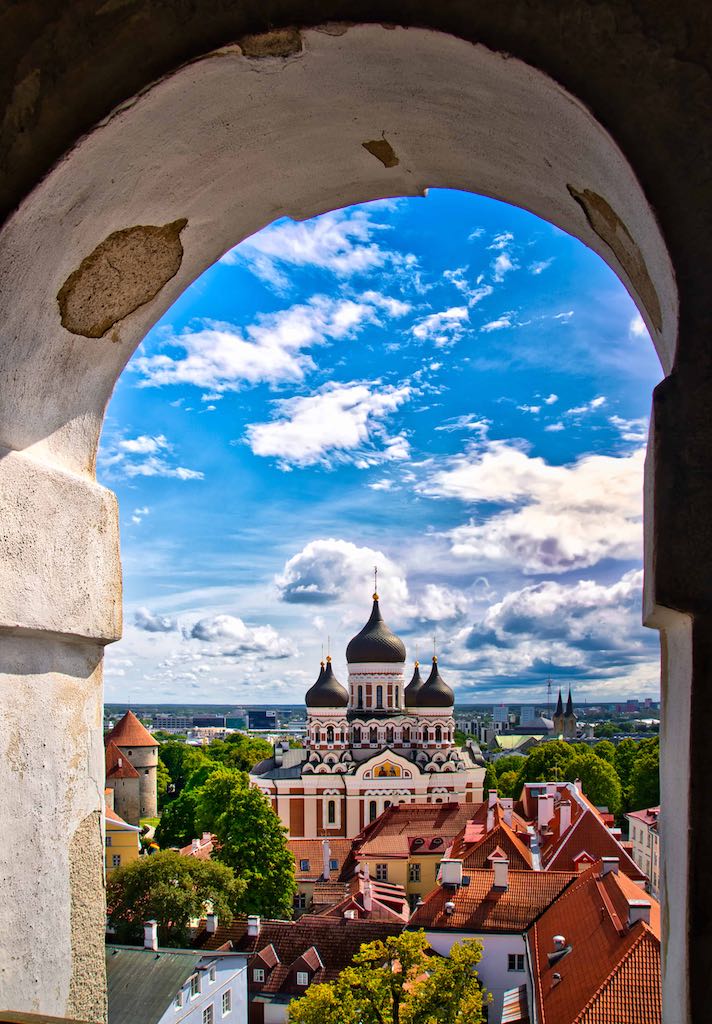
Built in 1900, when Estonia was part of the tsarist Russian empire, the cathedral was originally intended as a symbol of the empire’s dominance – both religious and political – over this increasingly unruly Baltic territory.
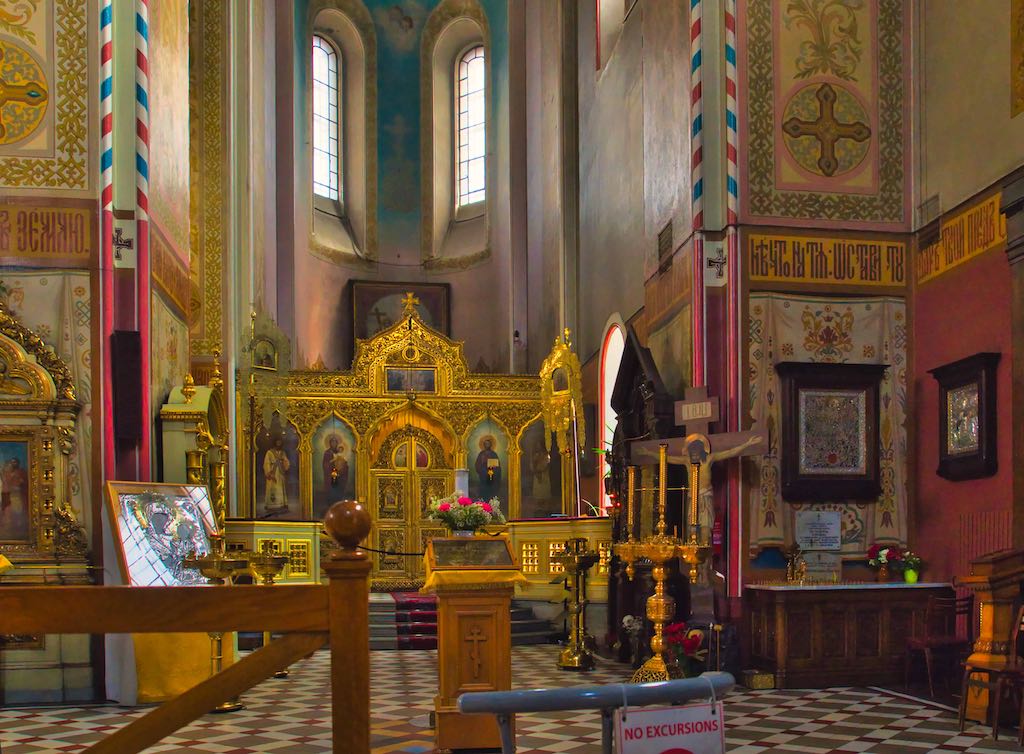
The inside of the cathedral is richly decorated like all orthodox cathedrals, in golden and other bright colours.
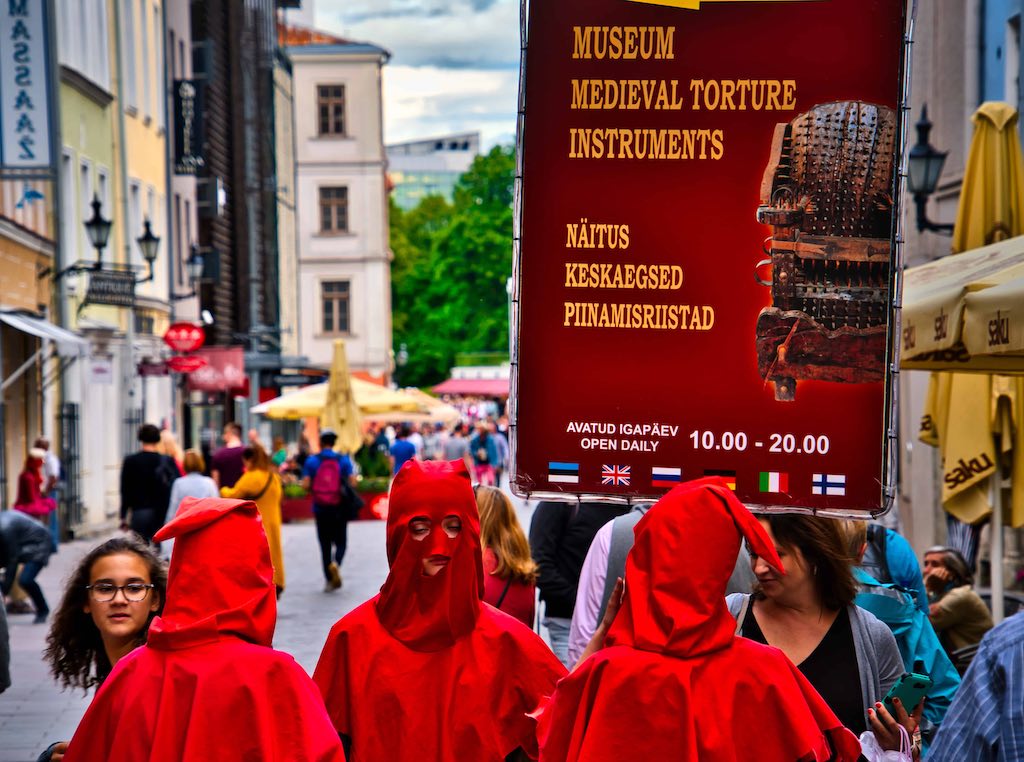
We even came across a museum – the Museum of Medieval Torture Instruments – which showcased instruments used to torture criminals and spies in the medieval ages.
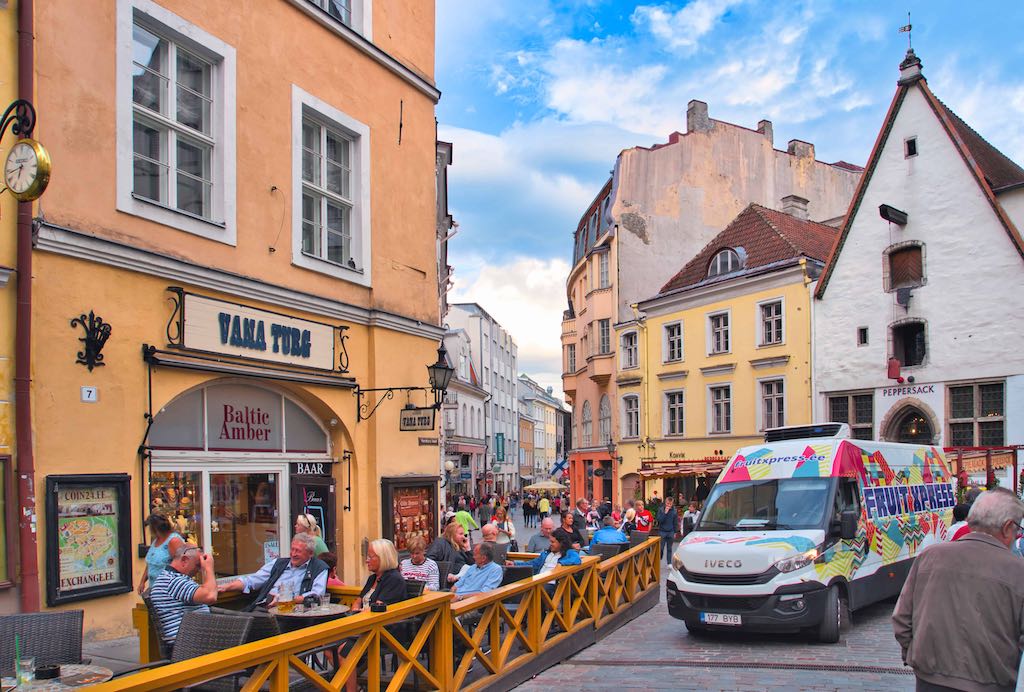
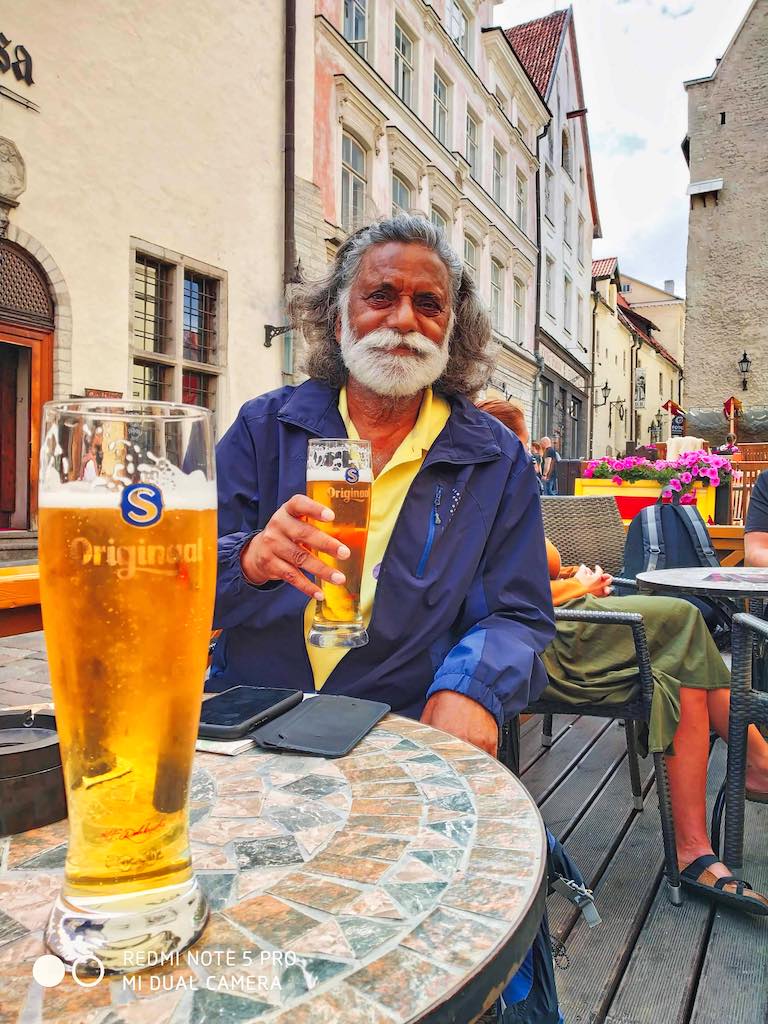
Finally, at around 4:00 pm we got tired of walking since the morning and decided to sit down at one of the busy street-side cafes and enjoy the chilled flavour of the local Saku draught beer. It’s worth the cost (Euro 6 each!), and we relax and watch as the world passes by us on the busy street.
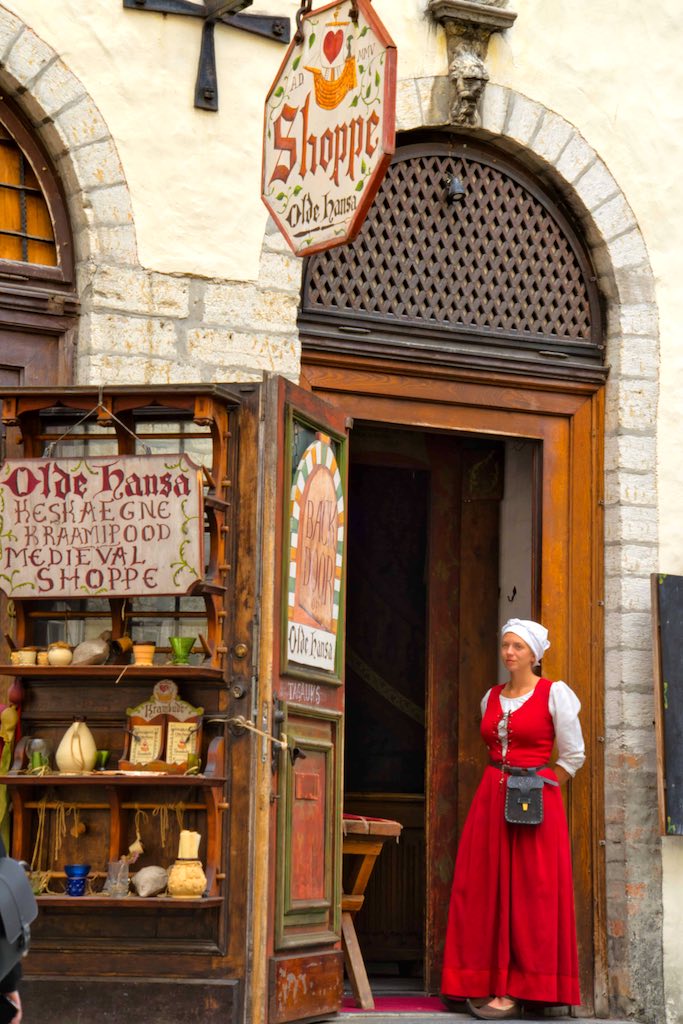
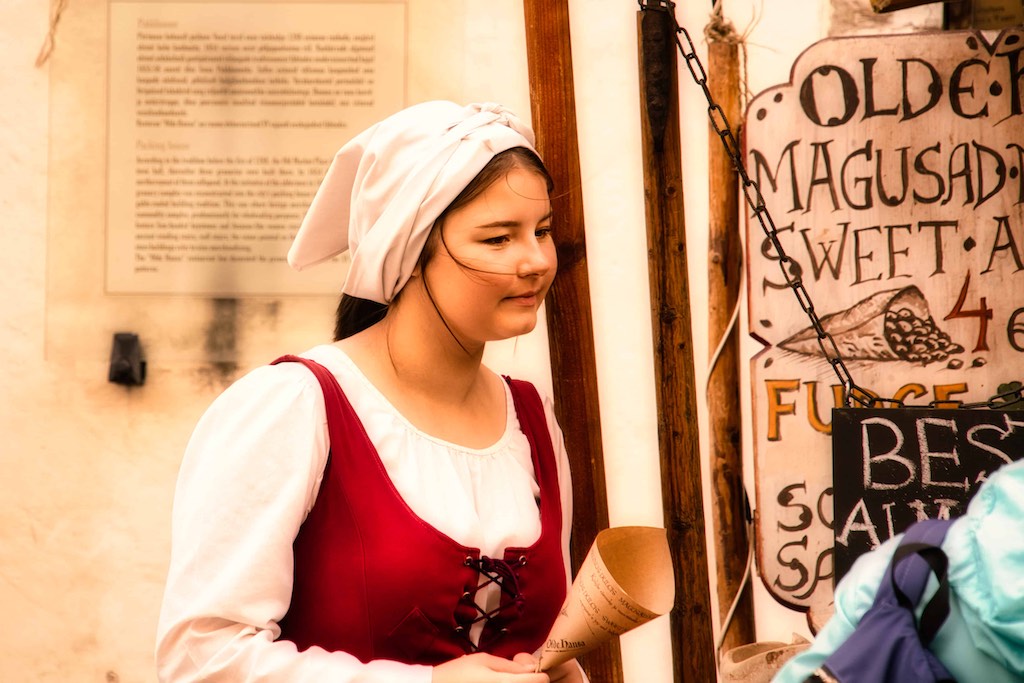
There were shops lined along the street with locals in traditional dress catering to tourists. The shops had retained their antique looks to attract customers.
We headed home early that day since Ankit had announced he will be preparing dinner at home. A home cooked Indian meal was always looked forward to and in anticipation, we were home by 5:30 pm itself. Harsh having taken a vow to remain vegetarian for a year was finding it difficult to find things to eat in restaurants!

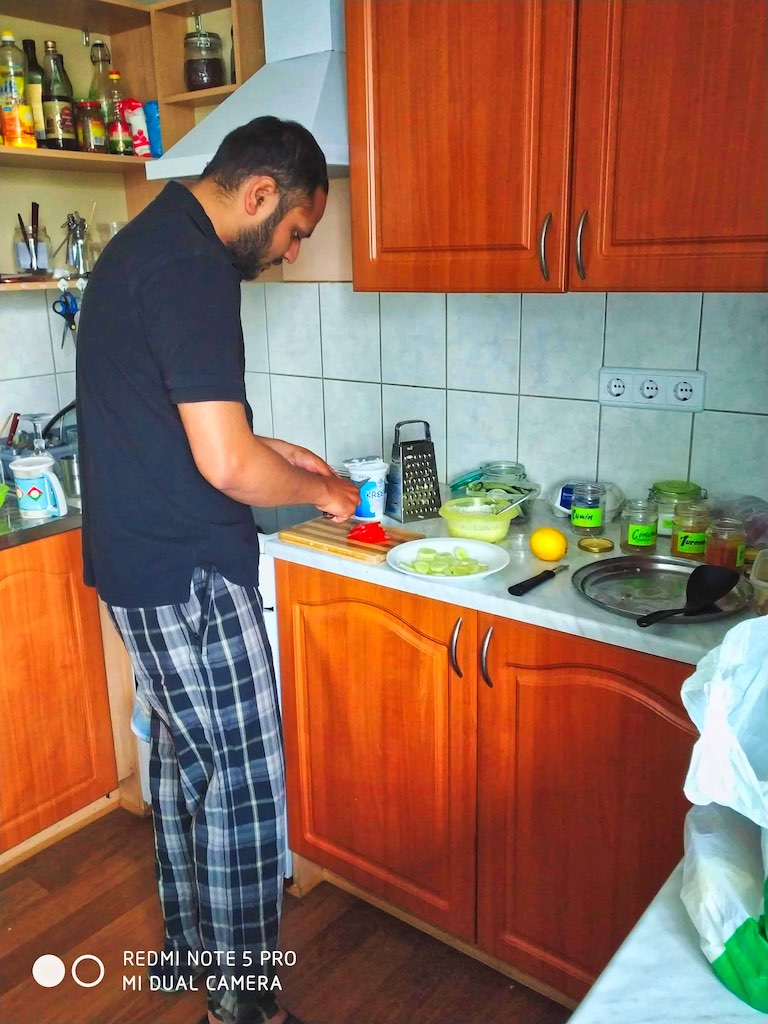
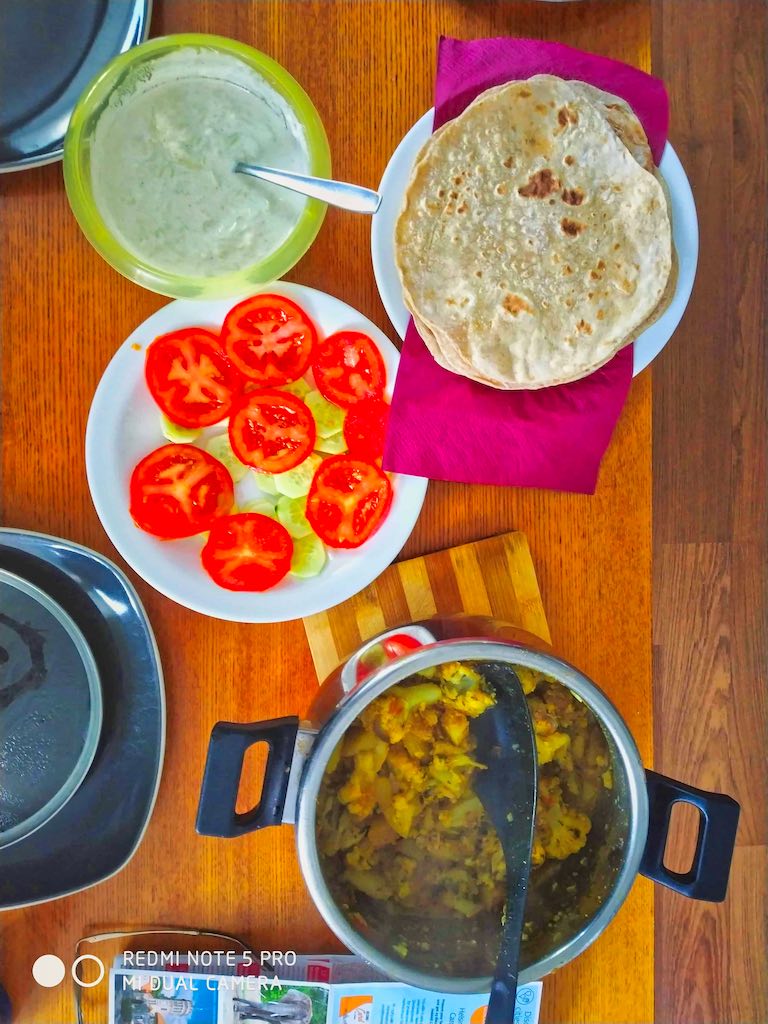
Harsh joined in the cooking and showcased his expertise in kneading the dough for chappatis, one of the more tedious tasks in making a meal. The outcome was delicious and which we all enjoyed tremendously. Dishes we were having after a long period of time. Even the chappatis had turned out quite round in shape! It was a cosy evening and we chatting away late into the night.
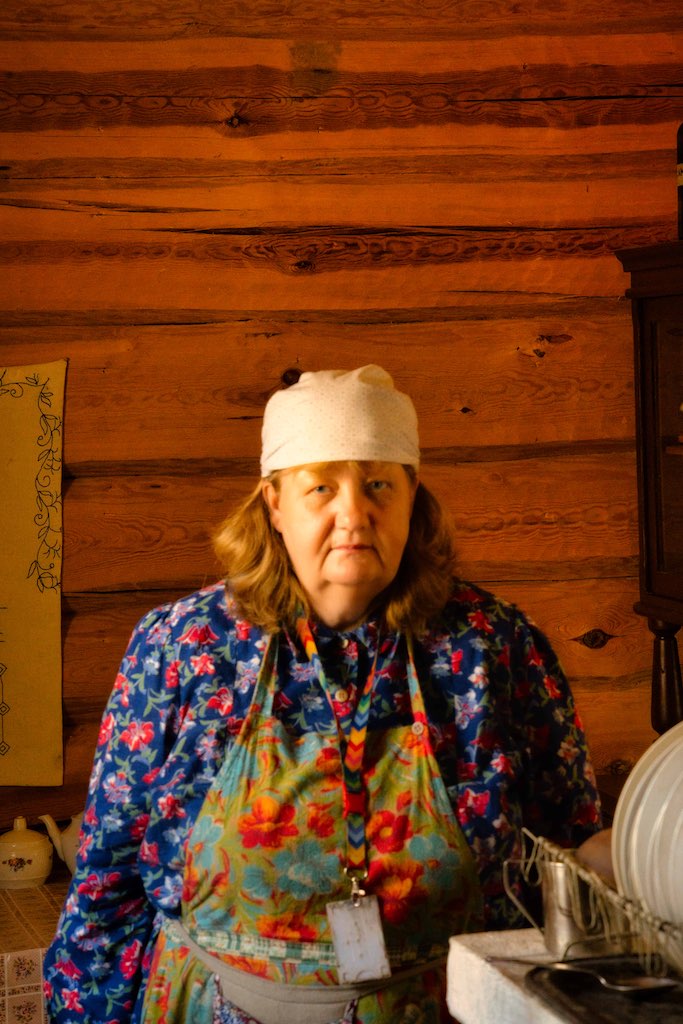
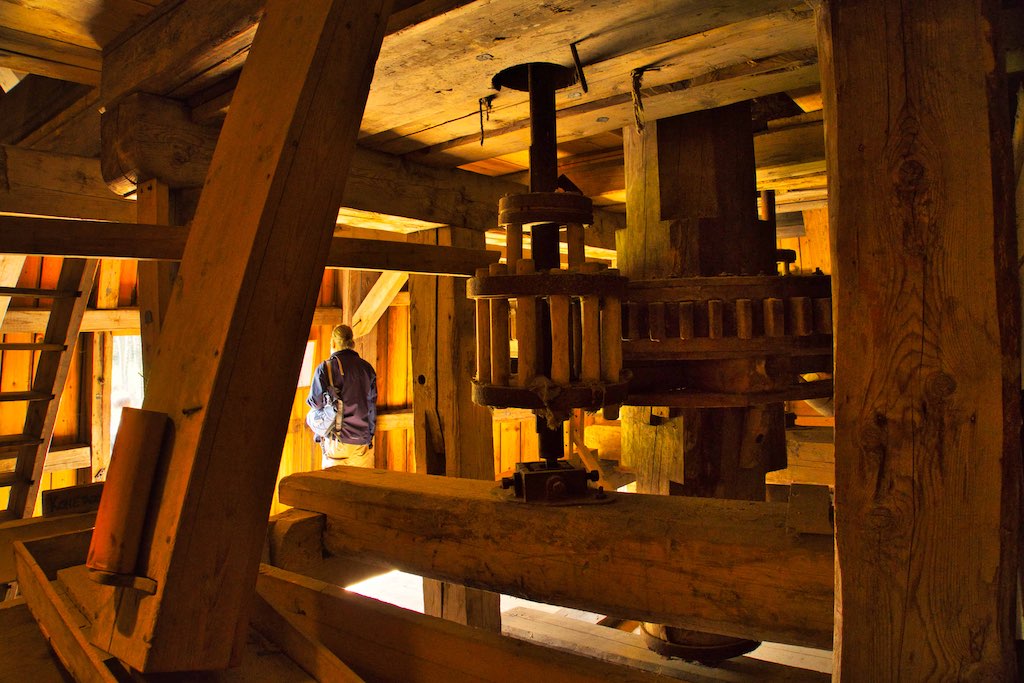
Next morning was obviously a late one. Our plan was to see the two major outdoor attractions of Tallinn, both slightly outside the town and on opposite ends. But well connected by public transport. We got out of the house only by noon and caught a bus for the Estonian Open Air Museum, which is a life-sized reconstruction of an 18th-century rural/fishing village. There were people present inside, carrying out the activities of the period dressed in traditional clothes of that period.
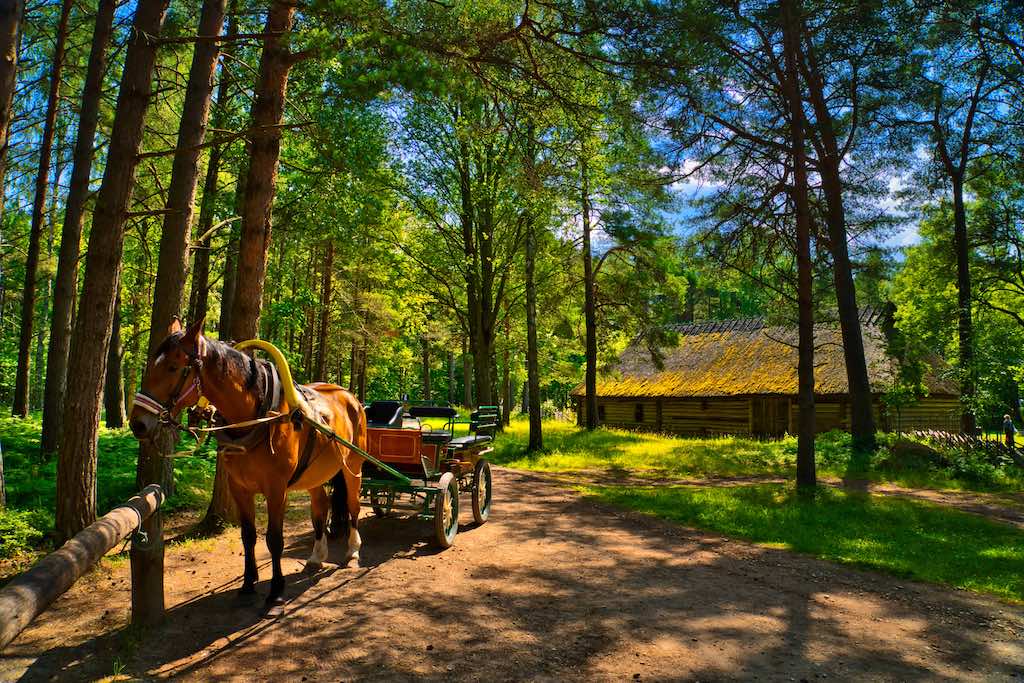
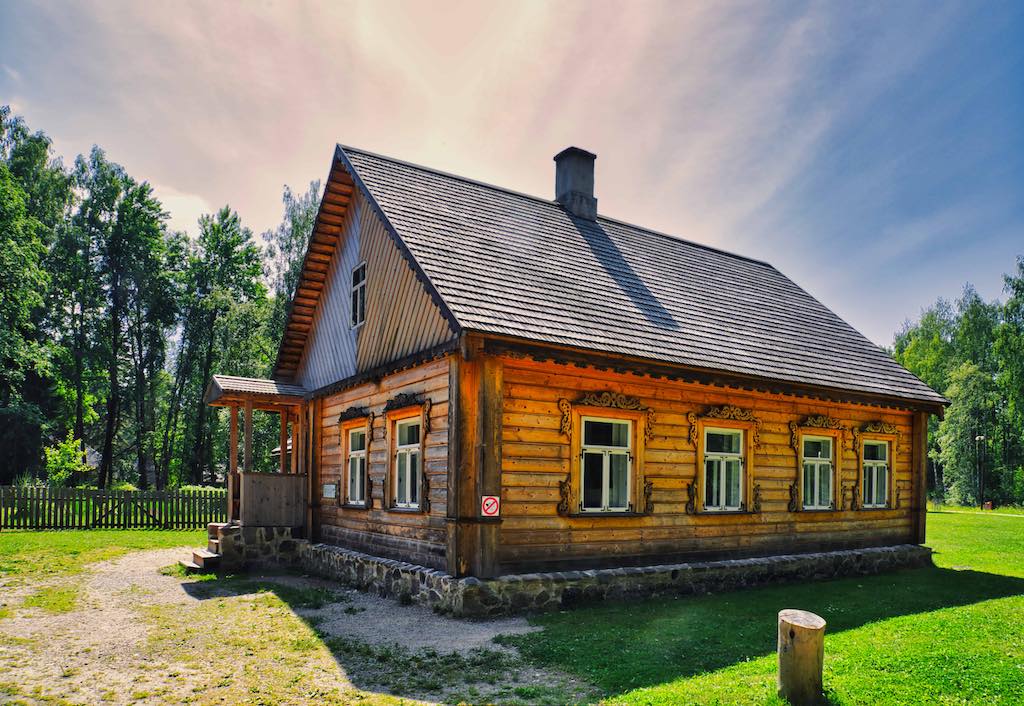
The Museum is spread over a large area on the seafront. Different farms from their original locations had been dismantled and re-erected here to create an authentic environment.
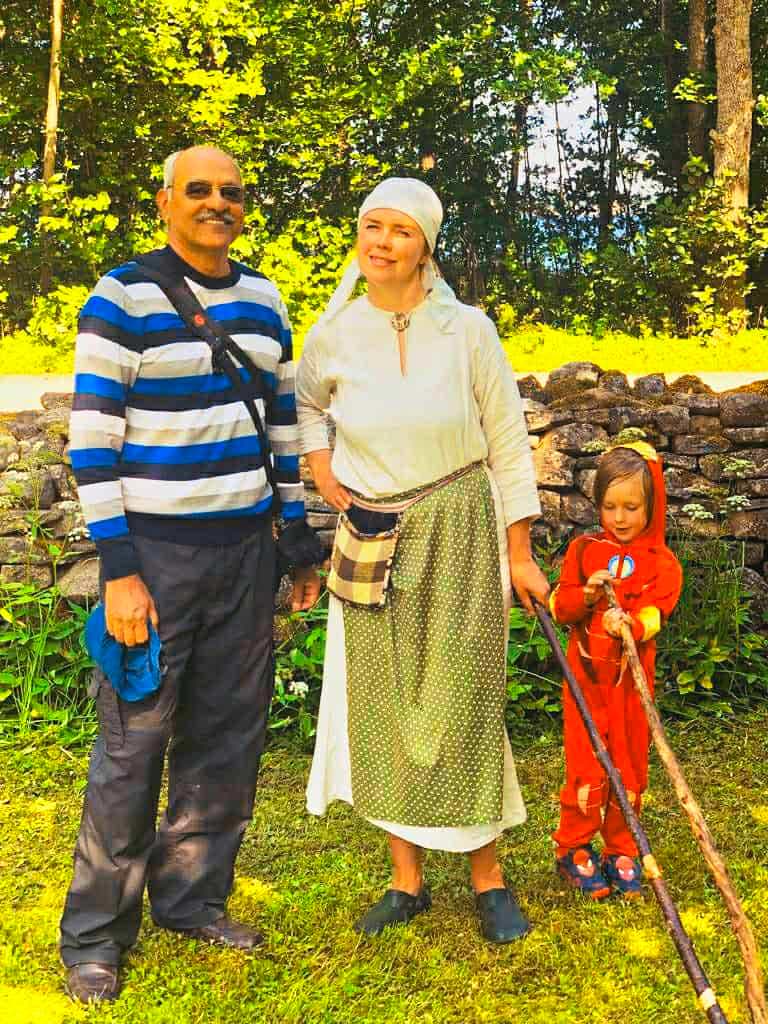
A new feature we discovered at the museum was that they had their own mobile app. Once downloaded, it gave all information including maps and a commentary of each location which was automatically triggered once we reached a site.
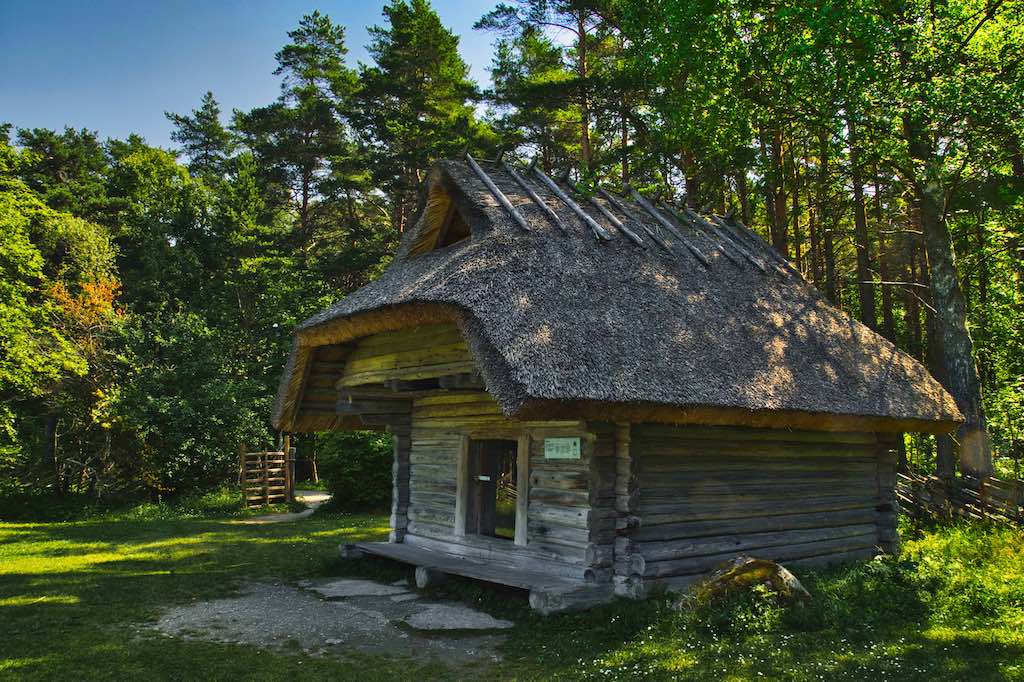
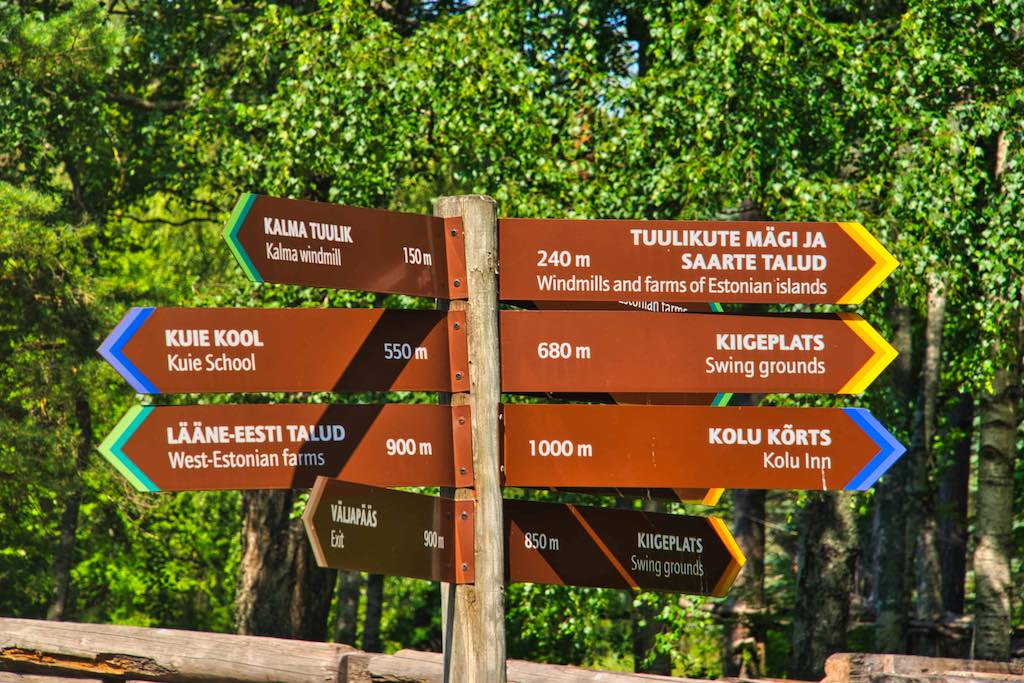
Though we spent over two and a half hours, we managed to see only few major places inside the museum!
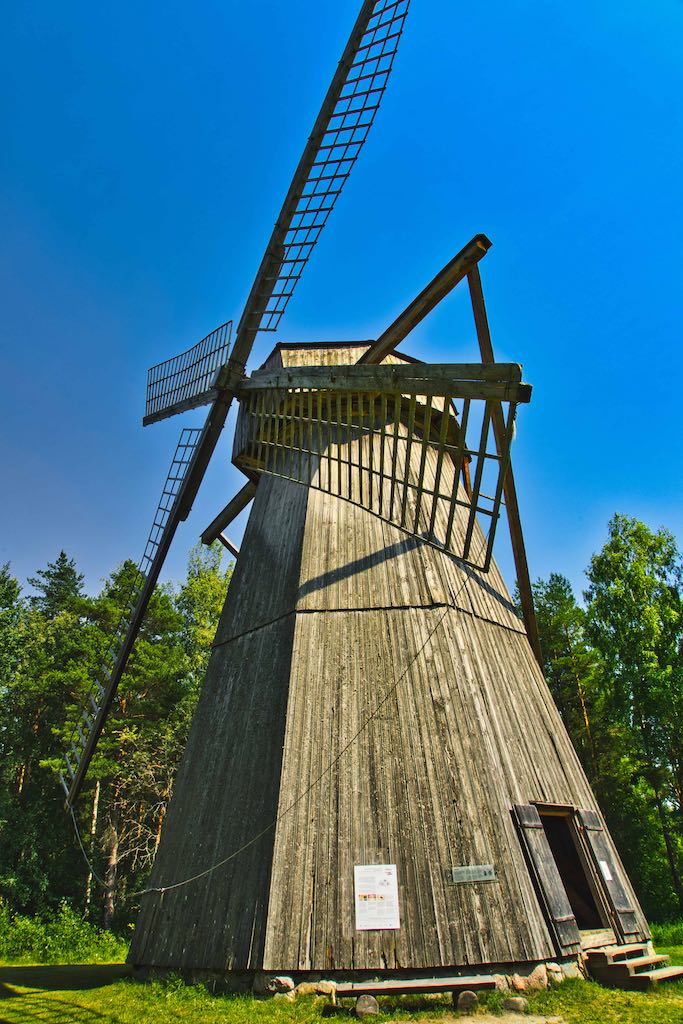
We then caught the bus for our next destination – Kadriorg Park and Palace. The last connection was by a tram and during the changeover, Google Maps showed multiple tram and bus stops in the crowded city. While trying to navigate around the roads, underpasses and multiple tram/bus/trolley lines, we mistook a trolley bus for a tram and reached somewhere else! And then disaster struck!
We retraced our way to the previous change-over location and managed to find the correct tram – by then both of us were sweating from walking around in the hot sun. We settled down in the tram and were just a stop short of Kadriorg Park, when Harsh discovered that his sling bag was missing! It had his passport and money. We were absolutely at a loss on what to do next. Finding the bag seemed a distant possibility, especially since it had a considerable amount of cash. The first action was to speak to Ankit to inform him of our predicament. He too seemed nonplussed. But promised to try to find out the course of action required in such a case. We decided to meet at the Tourist Information Centre, which was well known by now. We reached the Centre, with the gloomy thought that in all probability we would have to cancel further plans and fly back to India in the absence of a passport and visa. There were still four countries to be visited on our itinerary!
At the Tourist Centre, the lady tried to be helpful, but could only guide us to the nearest Police Station to lodge our complaint. Ankit arrived soon thereafter, and the news he brought was further depressing. There was no Indian diplomatic presence in Estonia, it was covered by the mission in Finland. To get a new passport how do we cross an international border to return to Finland with no passport in hand? In the meanwhile, we had located the Finn Indian Embassy number through the internet and tried contacting them, not with any success. It was already office closing time, being 5:30 pm. We decided to first lodge a police complaint and then decide on further action to be taken. Making an online complaint did not work out and by 5:00 pm the police stations close. There was one open till 7:00 pm in the locality of Energia, near to our house. We reached there by bus, a bit surprised to find a big rush! There were long queues at all the counters.
During this time, Ankit had informed a few of his friends about the incident and to take advice. While we were waiting in the Police Station, Ankit got a call from a friend that a missing backpack had been found and information had been posted on the Expat Community WhatsApp Group. From there it was reposted to the Indian Community Group since a screenshot of the passport had also been posted and the Indian origin of the owner was apparent. To cut a long story short, we recovered the bag and all its contents intact! The sling bag had been left on a bench on which we had sat while looking at Google Maps, which was in front of a Pakistani owned restaurant “Damak”. A worker inside had seen the bag on the bench and when someone was trying to pick it up, he ran outside and confronted that person and brought it inside. The owner was obliged to report the loss to the police, but he was smart enough to have kept the cash with him, not knowing its future in the hands of the police! When we arrived at the restaurant to pick up things, he handed over all the cash, and later we retrieved the passport from the police. Thus ended a memorable episode of our trip 🙂
LUCK FAVOURS THE BRAVE 🙂 And, our trip could now continue.
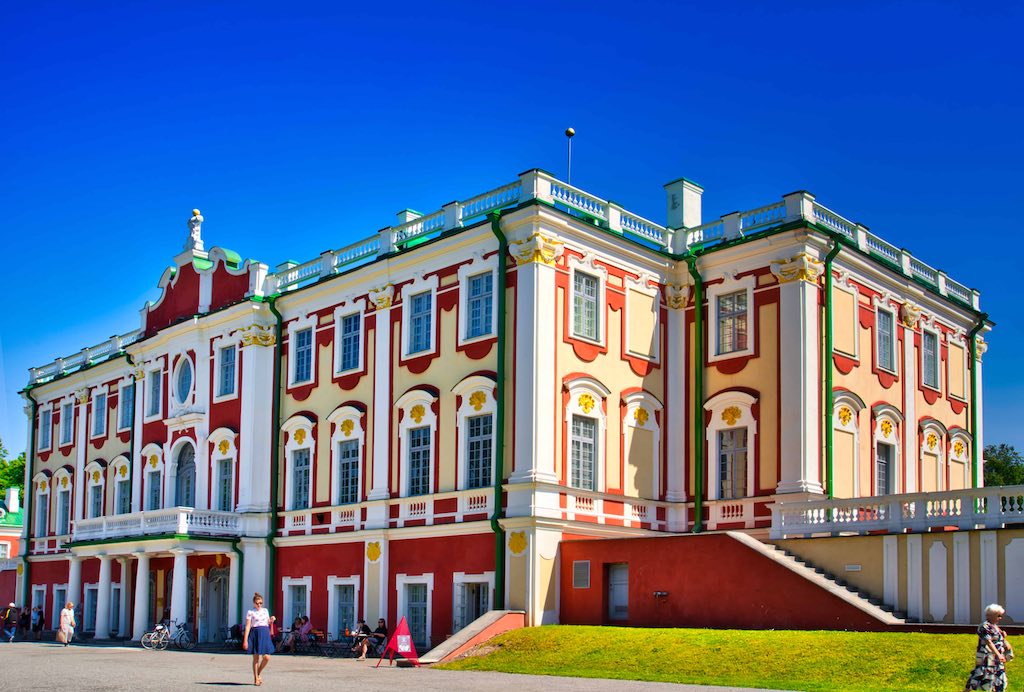
The next morning was our last day in Tallinn and we were determined to see the Park, this time reaching the place easily. The Kaidrog Palace was founded by Russian Tsar Peter I in 1718 and named after his wife Catherine I. Its magnificent main hall is one of the most beautiful examples of Baroque architecture in Estonia and in Northern Europe as a whole. The lovely Roman Baroque palace is surrounded by a garden of fountains, hedges, and flowerbeds, modelled on Versailles.
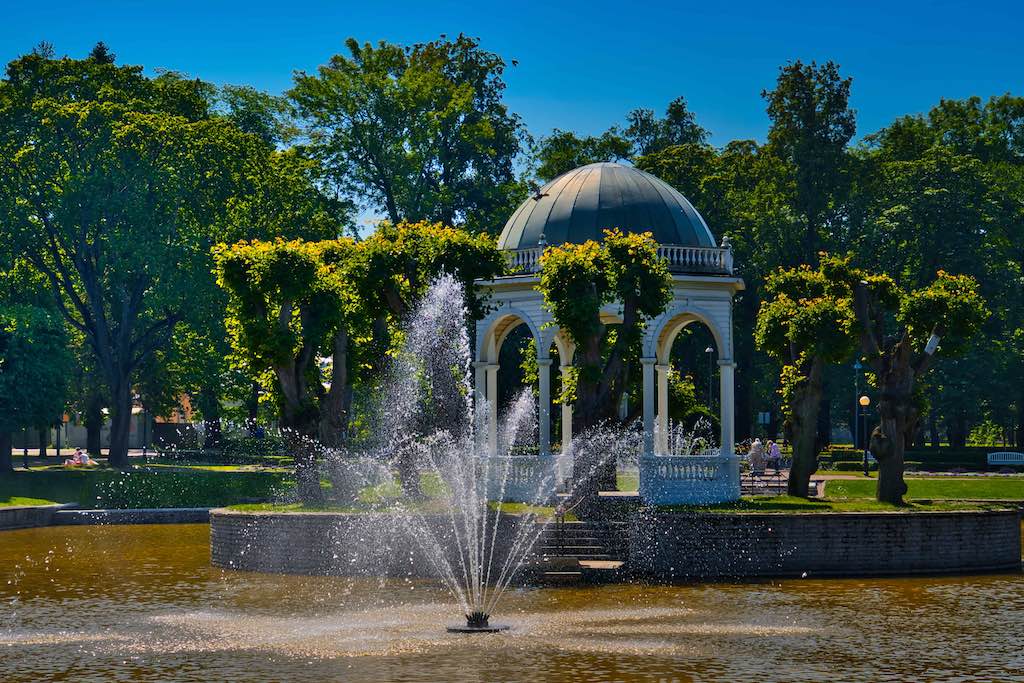
The Palace now houses the Kadriorg Art Museum, which exhibits the Estonian Art Museum’s collection of foreign art – Western European and Russian art from the sixteenth to the twentieth century.
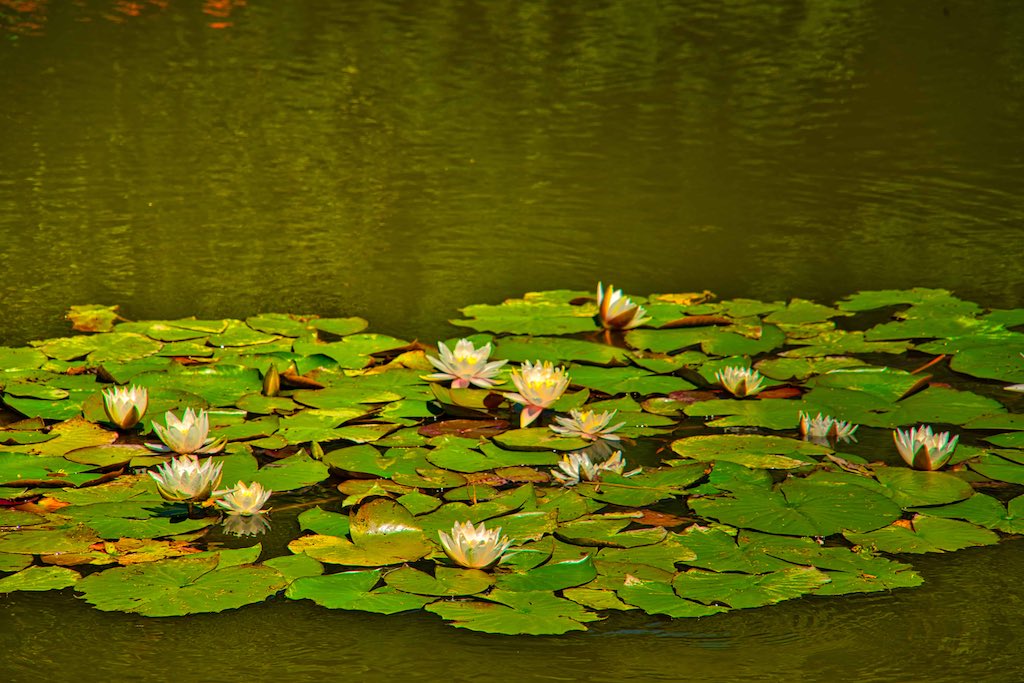
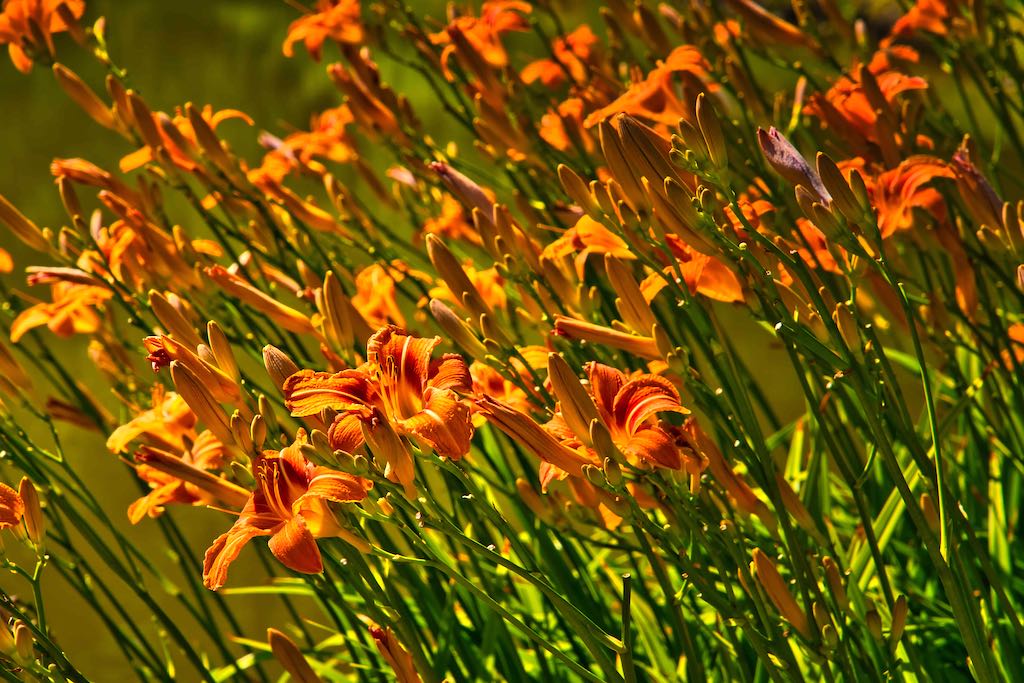
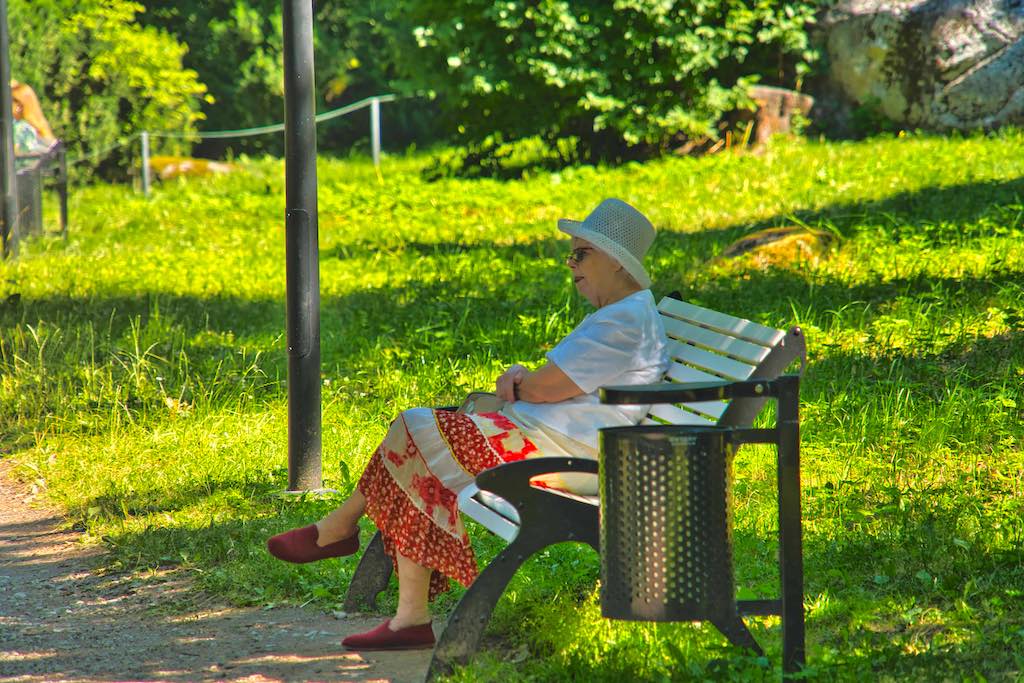
The park was a bit of a let-down. More of extensive grass lawns with walking paths. There was a small Japanese garden at the end, that to nothing much to speak about.
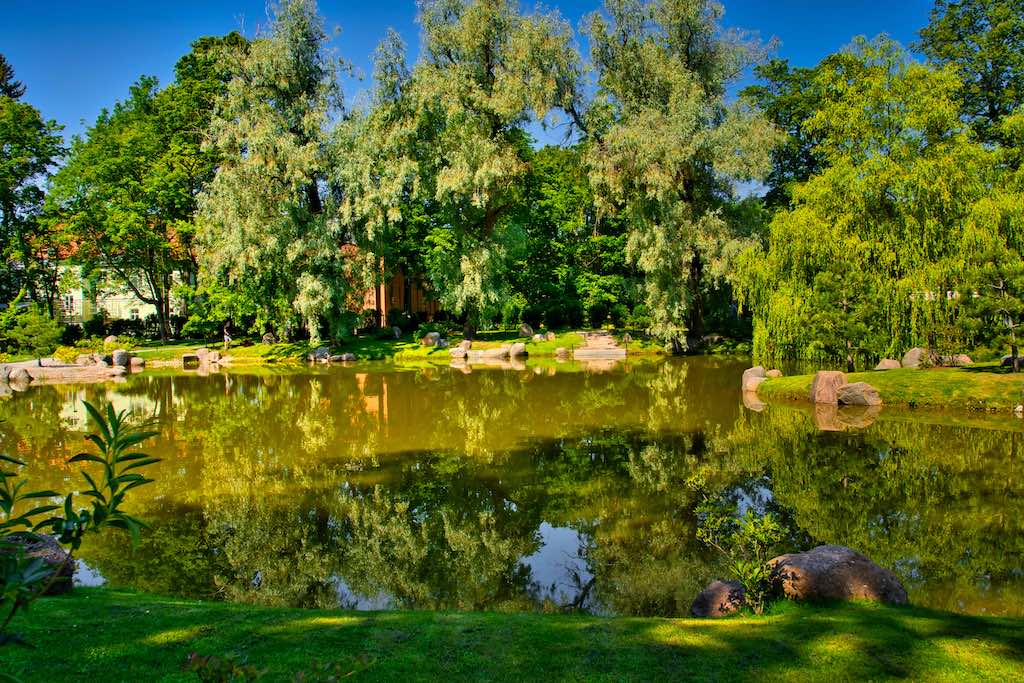
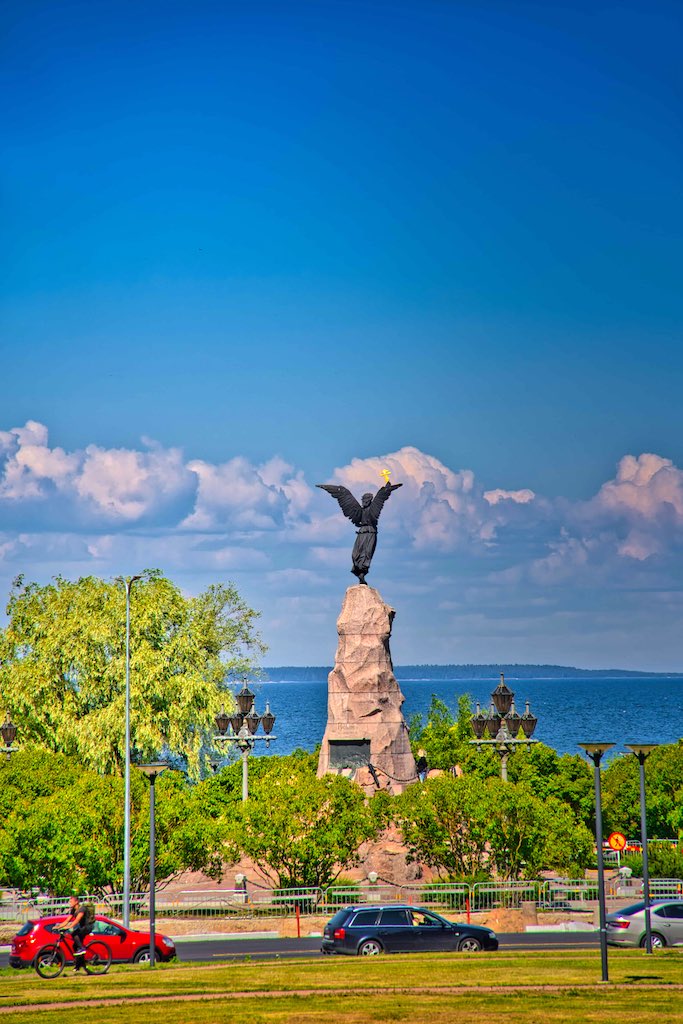
At the end of the park is the Russalka Memorial, built in 1902 in memory to those who lost their lives in the Gulf of Finland on the Russian navy vessel called Russalka. It is on the shore of the Bay of Tallinn.
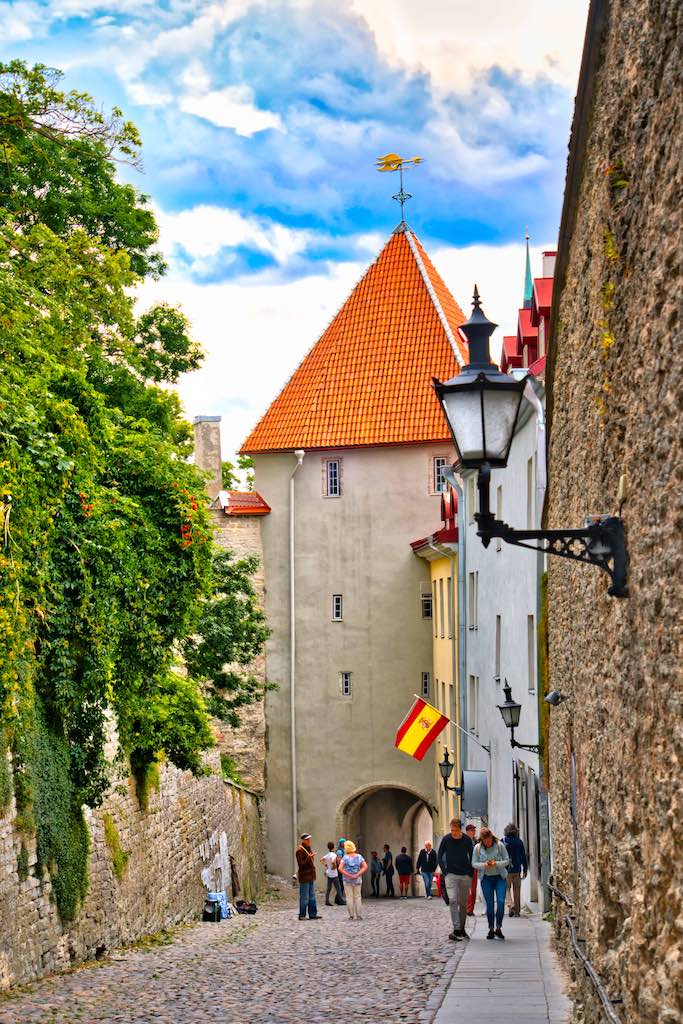
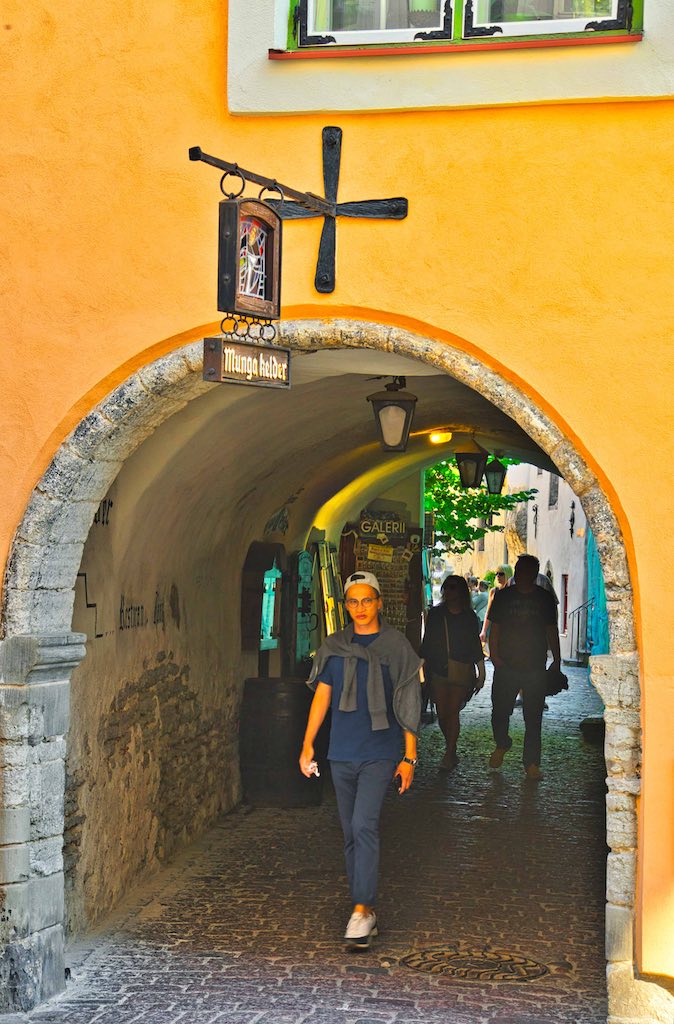
After that, we strolled around the Old Town. Saw an odd church, there are so many, and ambled around the quaint streets and alleyways. discovering the hidden treasures of the medieval place.
Lunch we had at the busy McDonalds near Viru Gate. Though it was difficult to find a vegetarian dish on the menu for Harsh – there was just one vegetarian item in the whole menu!
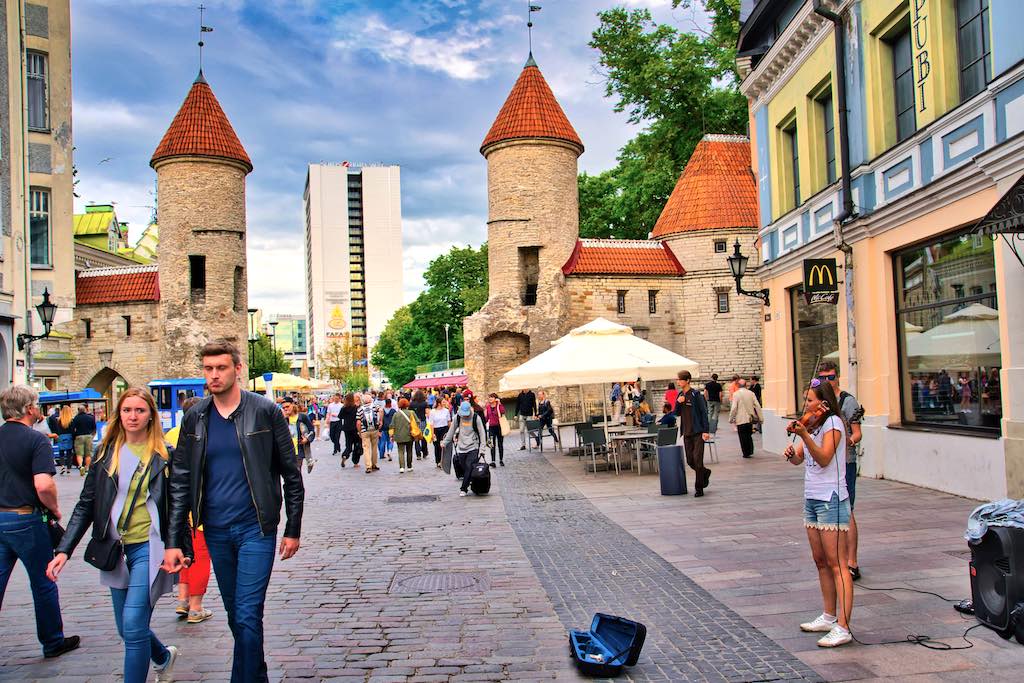
The barbican of Viru Gate was part of the defence system of Tallinn city wall built in the 14th century. The corner towers are still preserved; the part of the bastion that is visible today is called Musumägi. Viru Street with its many shops and restaurants has become one of the busiest pedestrian streets in the Old Town.
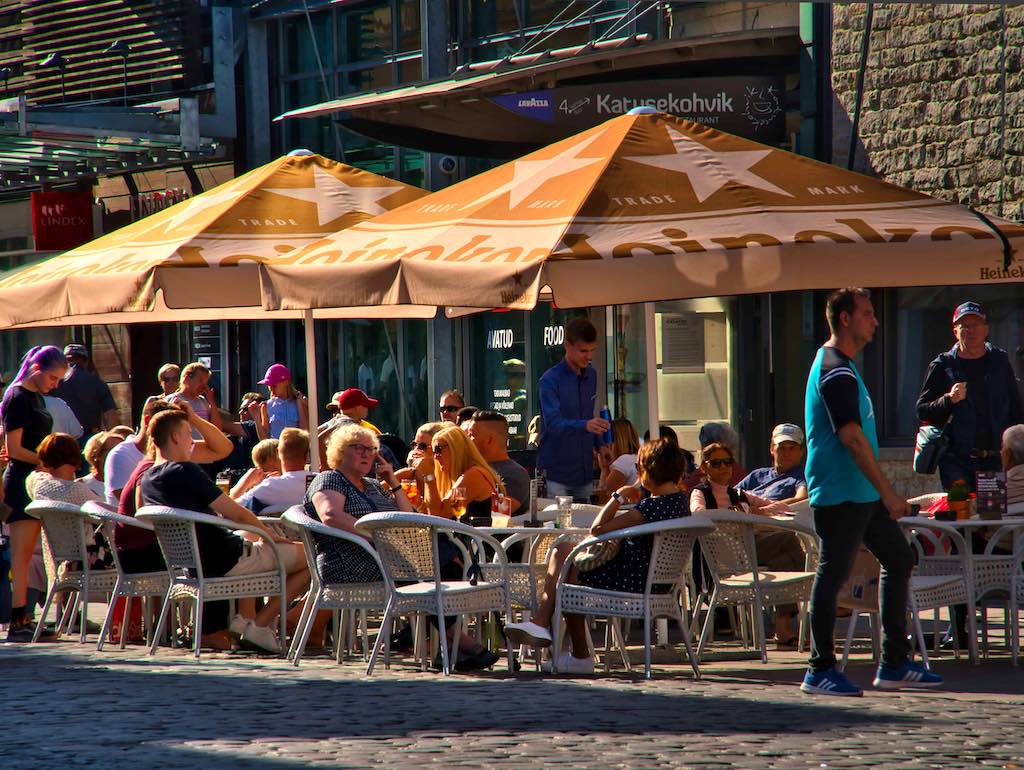
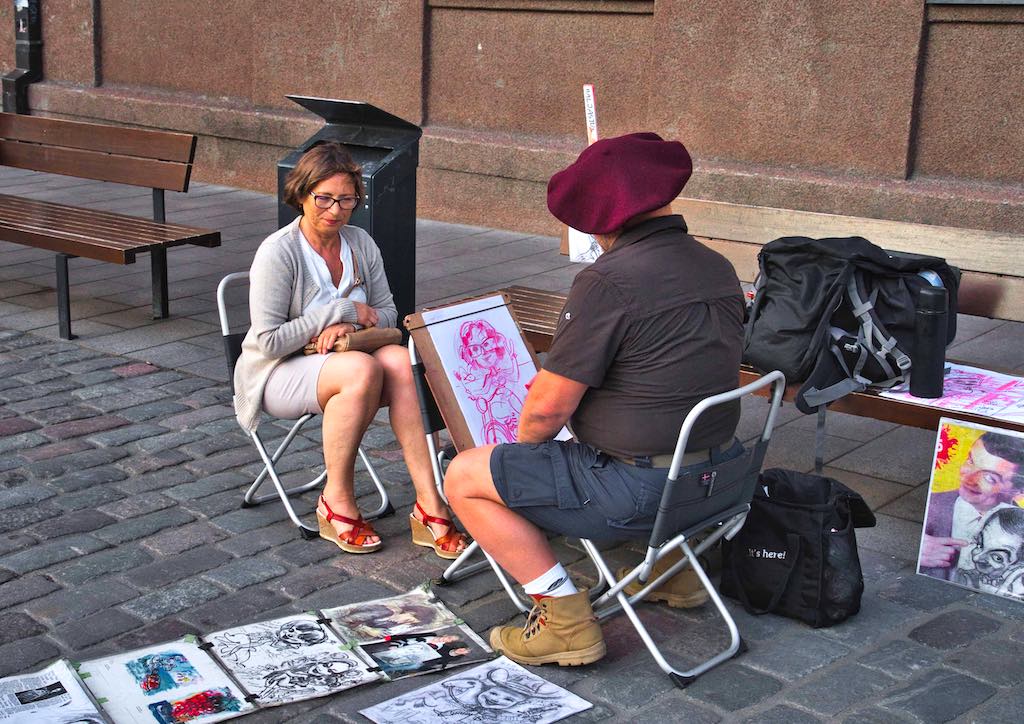
We enjoy the ambience here and by late afternoon Ankit joins us. We had planned to have dinner outside and Ankit knows just the right place!
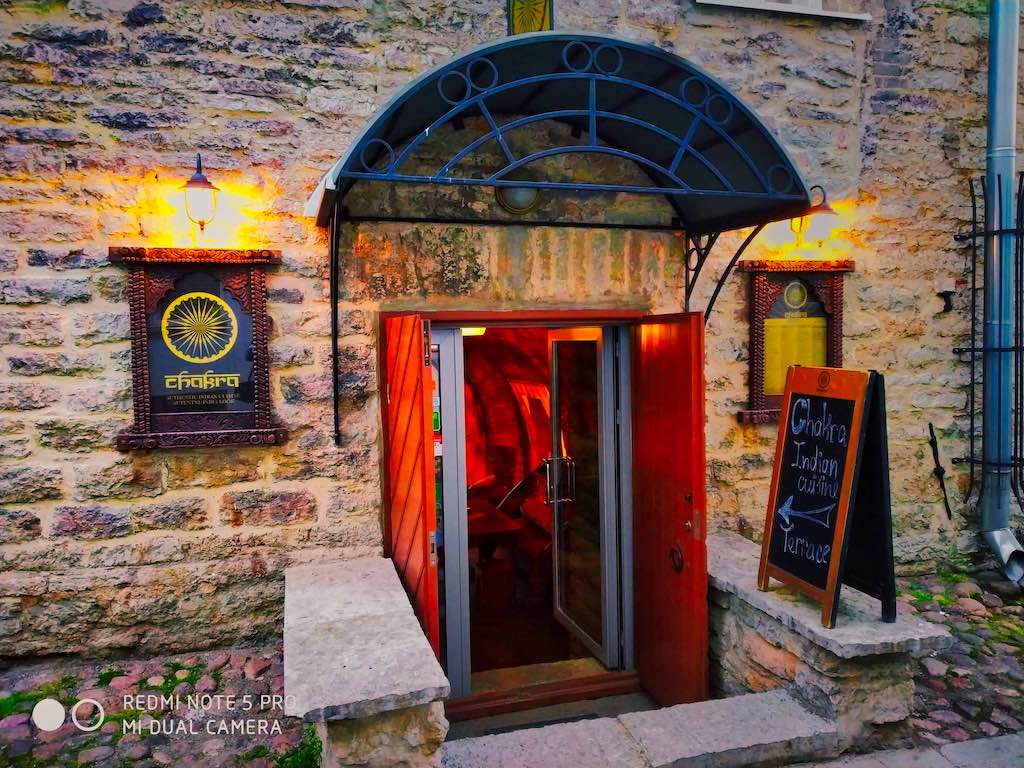
Chakra is the best Indian restaurant in Tallinn and offers sumptuous Indian cuisine. Set in a perfectly restored historic 12th-century limestone merchant’s house, beautifully decorated with icons and antiques.

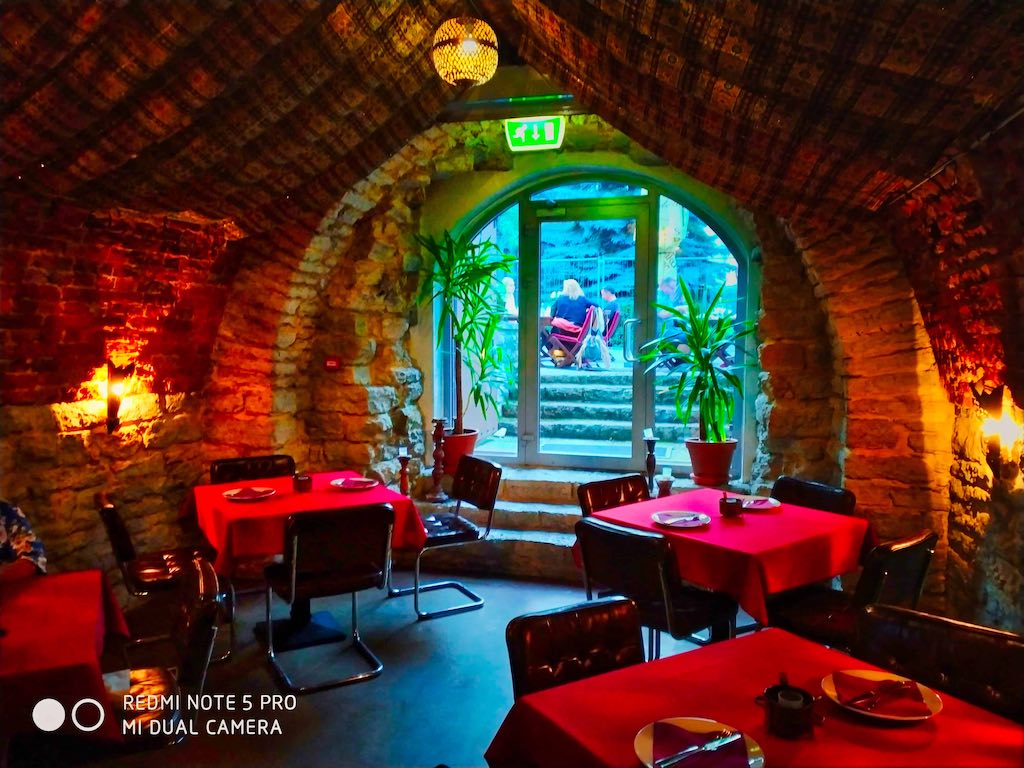
Chakra had a delicious varied menu of authentic Indian specialities and by the end of the evening, we were left licking our fingers!
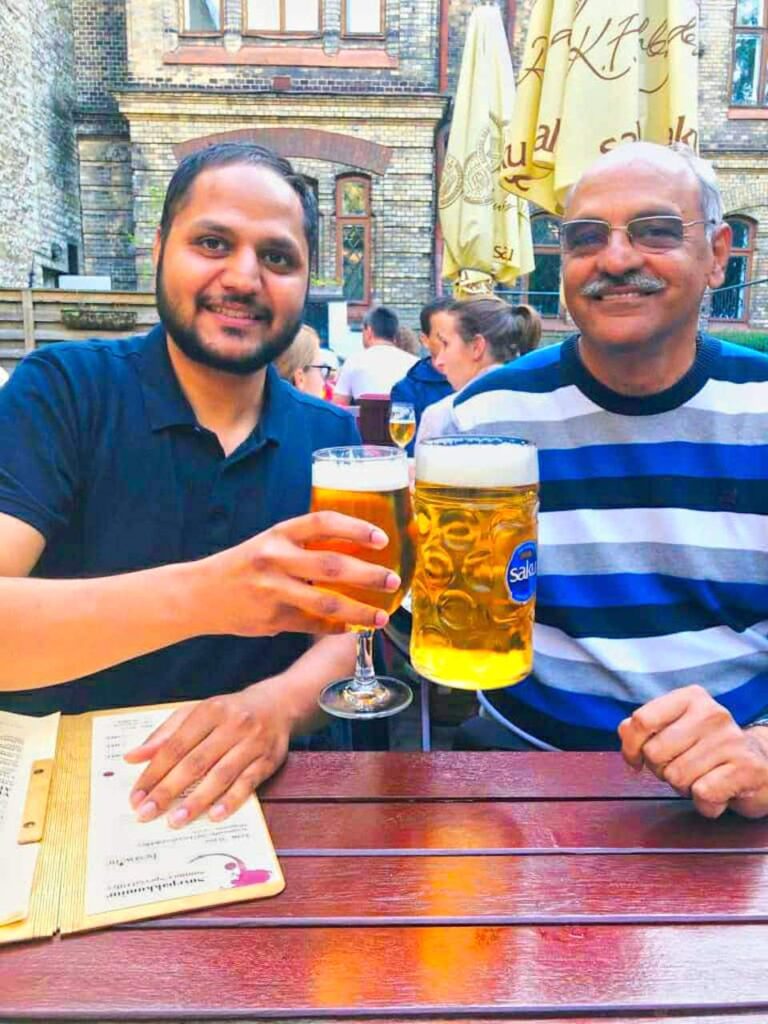
We met the owner, Mr Venkateshwarlu from Hyderabad, who had initially come to Estonia in 1992 and who now had this set up in this historic location! To add to the Indian flavour, he had imported two 200-year-old wooden doors from Kerala. The hours slipped away as we enjoyed our last evening in Estonia.
Ankit was an excellent host and despite the age difference, we got along famously! Once again we were able to see the networking of the Indian community abroad, with the speed at which the lost passport had been recovered! Tallinn was a beautiful stopover, not much heard of in India. During the planning stage when Harsh had first mentioned the place, I actually had to open the map to see where it was. It turned out to be another unknown gem, definitely worth a visit for any traveller.

Our stay was over too soon, and it was time to catch the bus for Riga, Latvia, on the morning of 19 July 2019.
.
The links to all the blogs in the series are listed below:-
- Norway – https://collectingmoments.in/my-trip-to-norway/
- Sweden – https://collectingmoments.in/fascinating-sweden/
- Finland – https://collectingmoments.in/stunning-finland/
- Latvia – https://collectingmoments.in/latvia/
- Lithuania – https://collectingmoments.in/lithuania-the-land-of-a-forgotten-past-and-the-romuva/
- Poland – https://collectingmoments.in/poland-the-phoenix-which-rose-from-dust/
Note: All photographs displayed above are my exclusive property and copyright; their use is prohibited without explicit consent, in writing.


11 Responses
Beautiful story and pics 🙂
Exhibits inside the St Nicholas Church both at sunset and before looks mesmerising too
That was a fast comment! Thanks 🙂 It was an enjoyable stay at Tallinn….except for the nightmare experience of losing the passport here. Read about it in the blog……..
Thanks!
wow…..its an amazing place looks like….such beautiful live photos and very interesting story to know about…
Ultimately superb job…
Thank you. Yes, a beautiful country to visit 🙂
Wonderfully woven with explicit details of every moment spent. Great photos.
Thanks. Nice to know you enjoyed it!
Buddy,,,, The photos are all really fantastic with crisp sharp colours. Fantastic job,, just as expected from you. The flowing narrative makes the photos come alive !! You should give out the approx cost of the trip for each location ,, just for info . Not that we can be as adventurous as you to actually undertake this journey,, more so now with this infernal Chinese Virus ! Excellent production!!
Thanks! Cost is a very subjective matter and will vary widely from person to person. If one is willing to sleep on the floor and travel using public transport, naturally it will be the least possible. Some representative costs I have mentioned to give an idea.