
This blog is in continuation of the previous one on Sweden, part of my series on my travel through the Scandinavian countries during the summer of 2019.
Norway was the first country we hitchhiked through; to read the first blog of my travels through the Scandinavian and Baltic countries, click here.
On 15 July Harsh and myself flew into Helsinki from Oslo. A slight hiccup had occurred at the Olso at the airport – our ticket didn’t have any baggage allowance! There was no choice but to shell out a handsome amount to get our check-in baggage loaded!

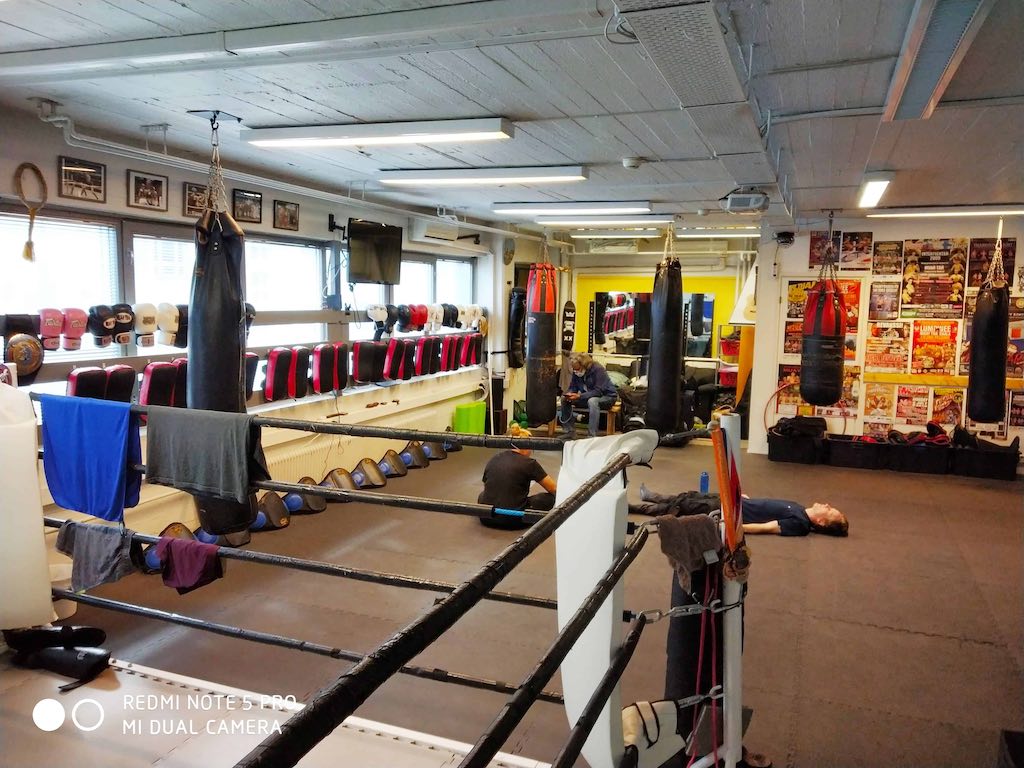
It was a muggy afternoon and raining when we arrived and it took a while to find the bus stop location, which had been relocated due to construction work. Our Couchsurfing host here was Antero Hynynen who ran Muay Tribe, a martial arts gymnasium. We found the way this time relatively easily, as he had guided us well and the bus stop was right in front of his place.

He stayed in a small room in the gym itself, the floor of the gym was available for us to sleep! An Australian girl, who was on a year-long worldwide journey through CS, and a Britisher were already staying there. A small kitchenette was quite well stocked and a common toilet/shower for available for common use.
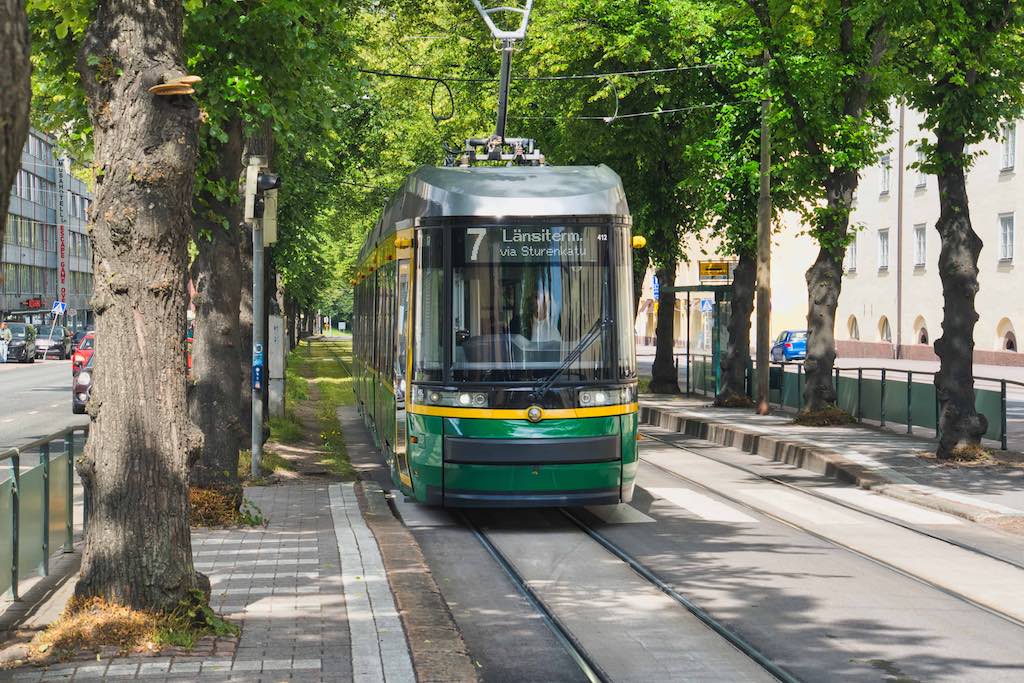
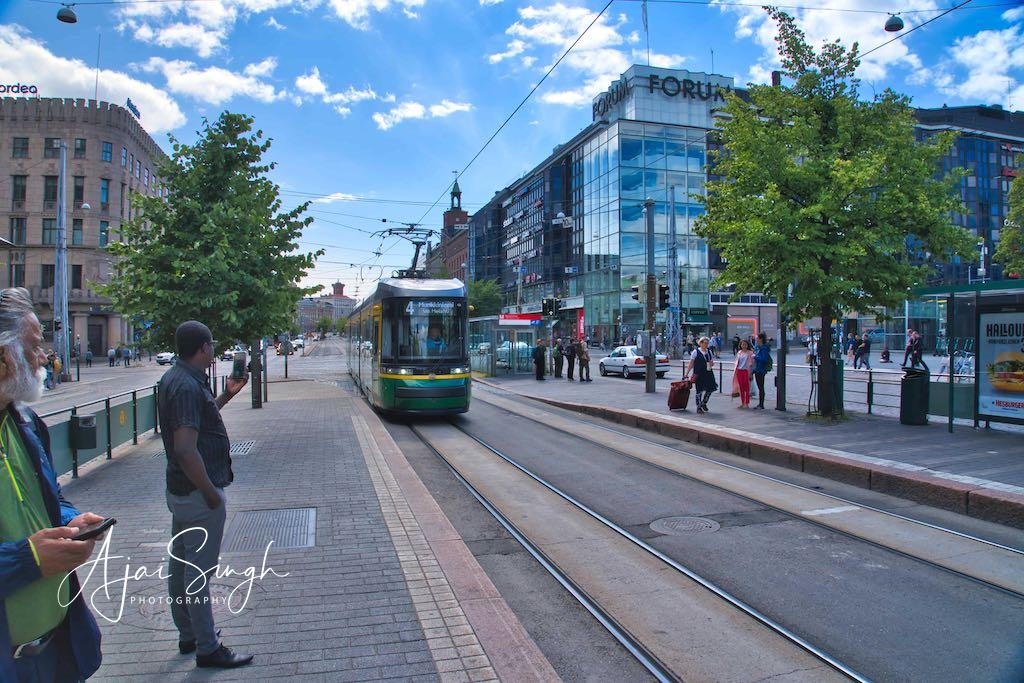
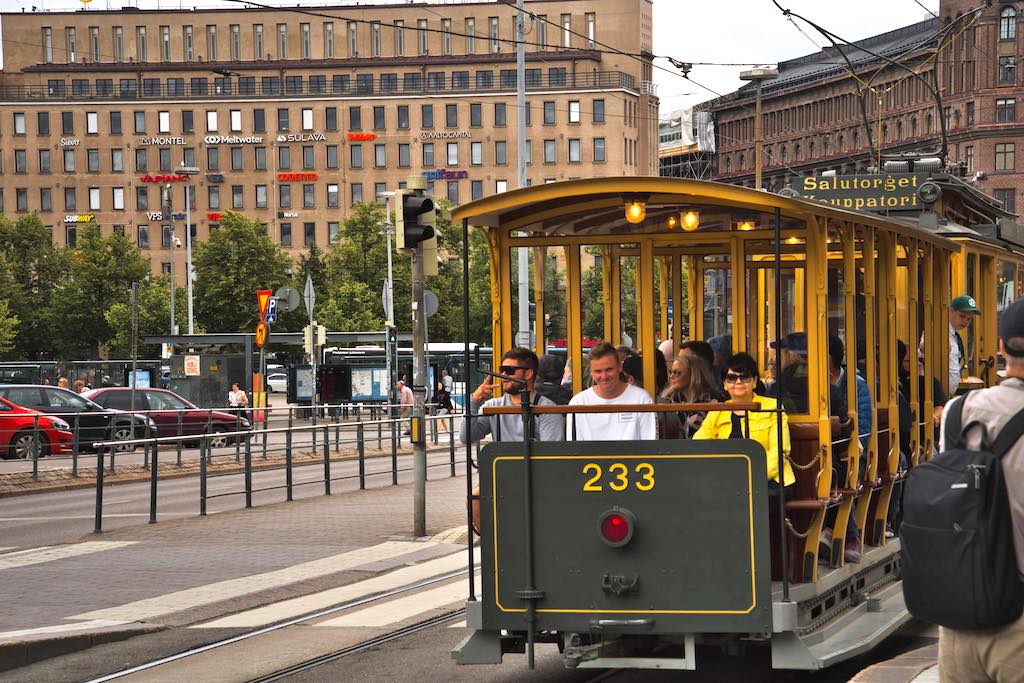
We got a few tips on the places to visit and how to get about in the city. The tram line was nearby. The first evening we walked to the seafront and old town, about 5 km.
Google and our intuition helped us reach our destination, more of the latter in most cases! As in Oslo and Stockholm, the beautiful churches were scattered all cross the city.
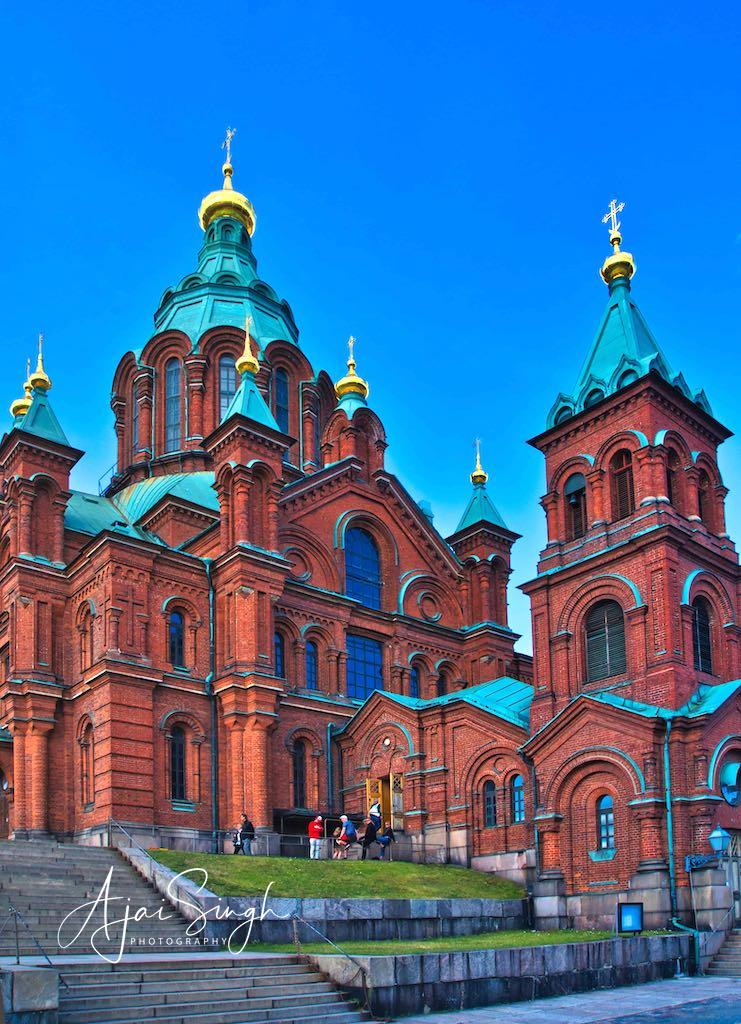
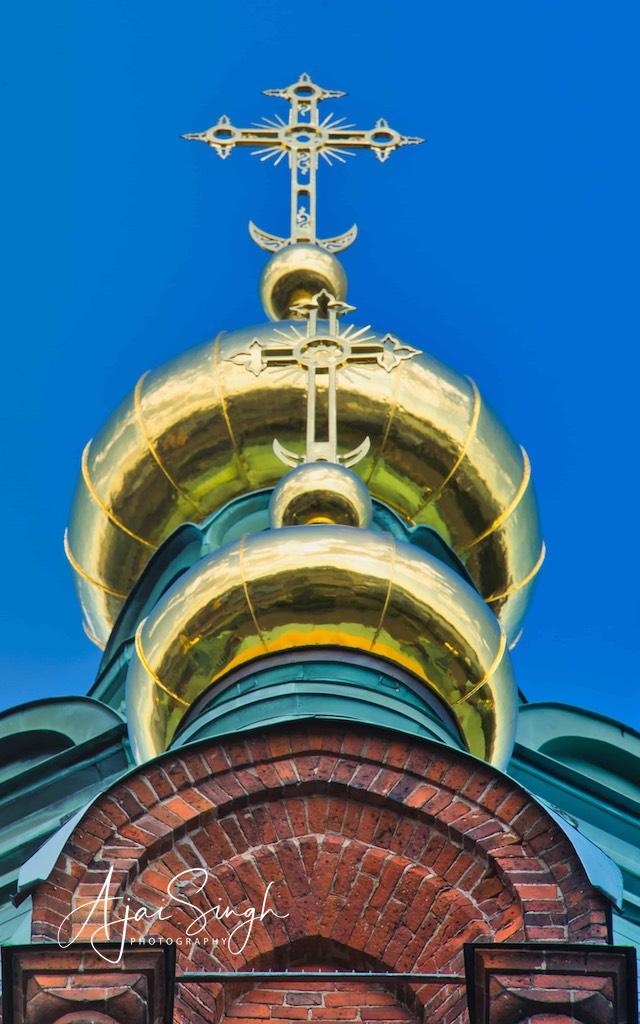
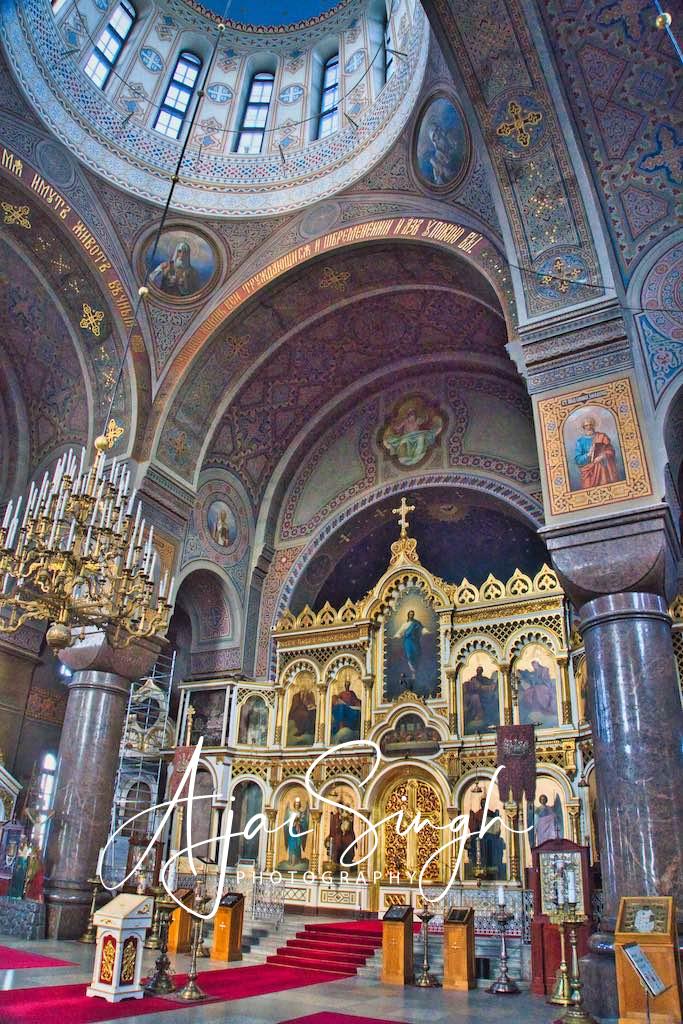
The countries have a strong Christian bent. Two major churches were the Uspenski Cathedral, the largest Orthodox church in western Europe; and the Helsinki Lutheran Cathedral, located on a hilltop above the Senate Square. It is a landmark for the city.

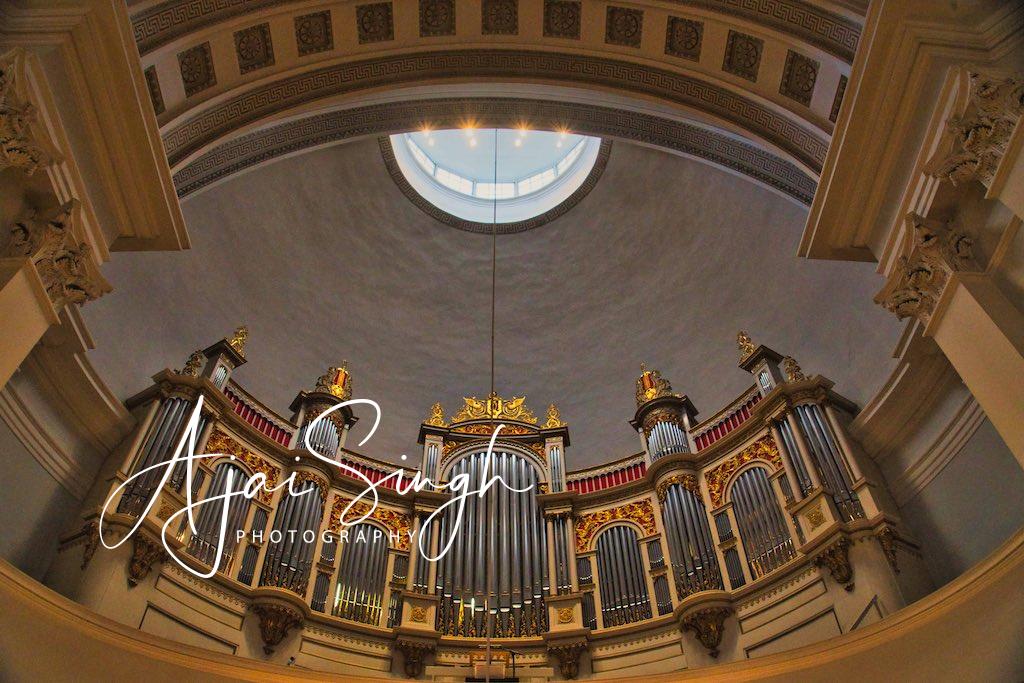
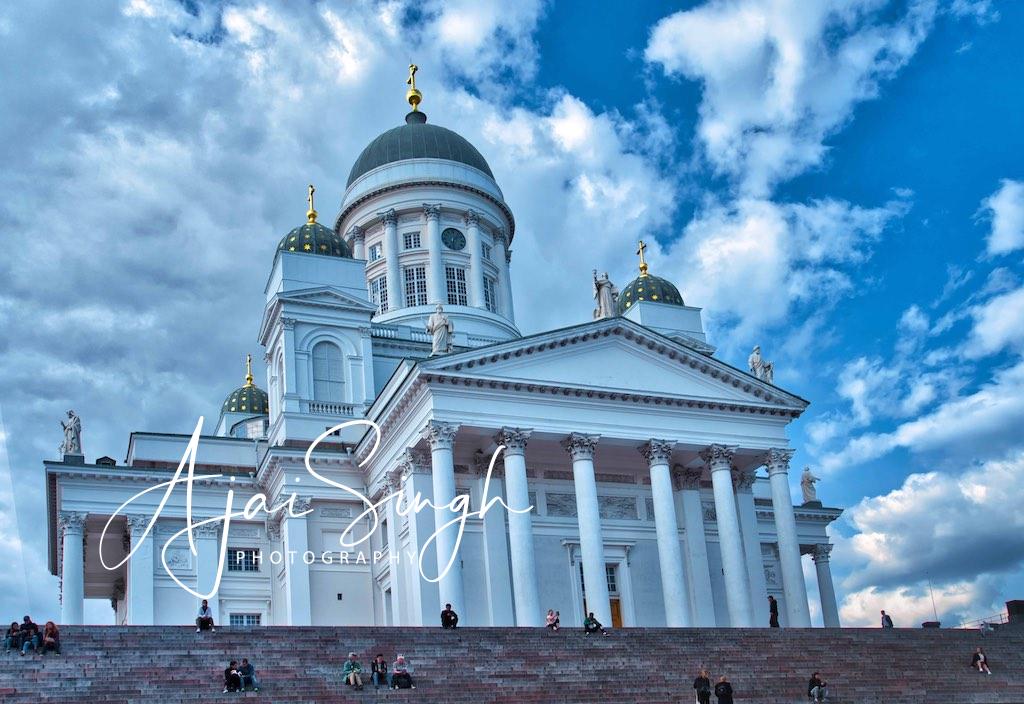
Senate Square and its surroundings make up the oldest part of central Helsinki. Landmarks and famous buildings surrounding the square are the Helsinki Cathedral, the Government Palace, the main building of the University of Helsinki, and Sederholm House, the oldest building of central Helsinki dating from 1757.

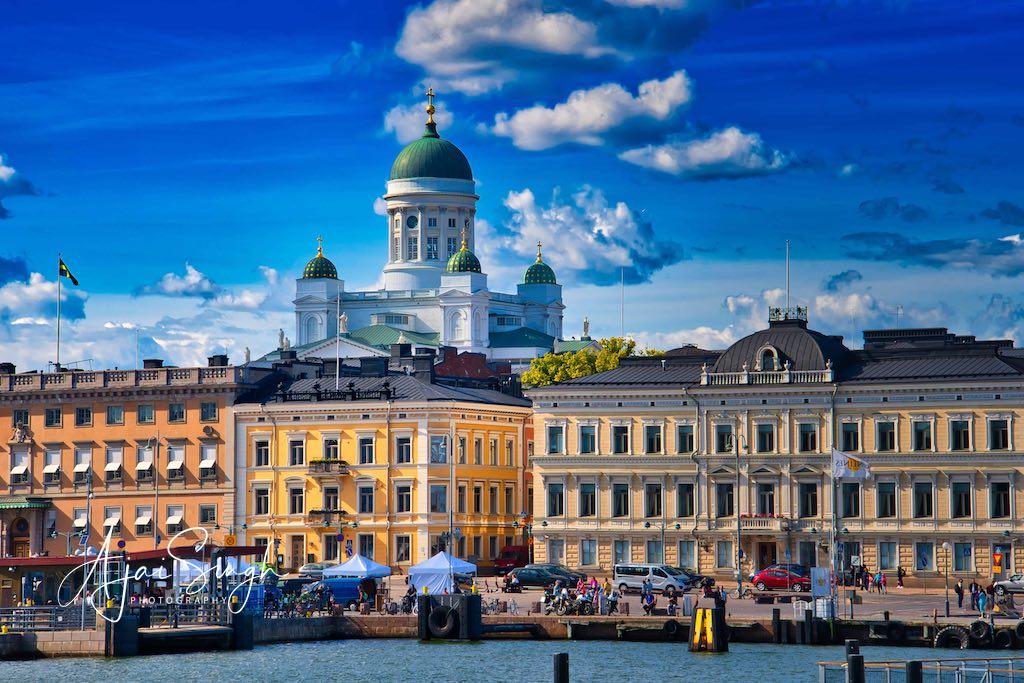
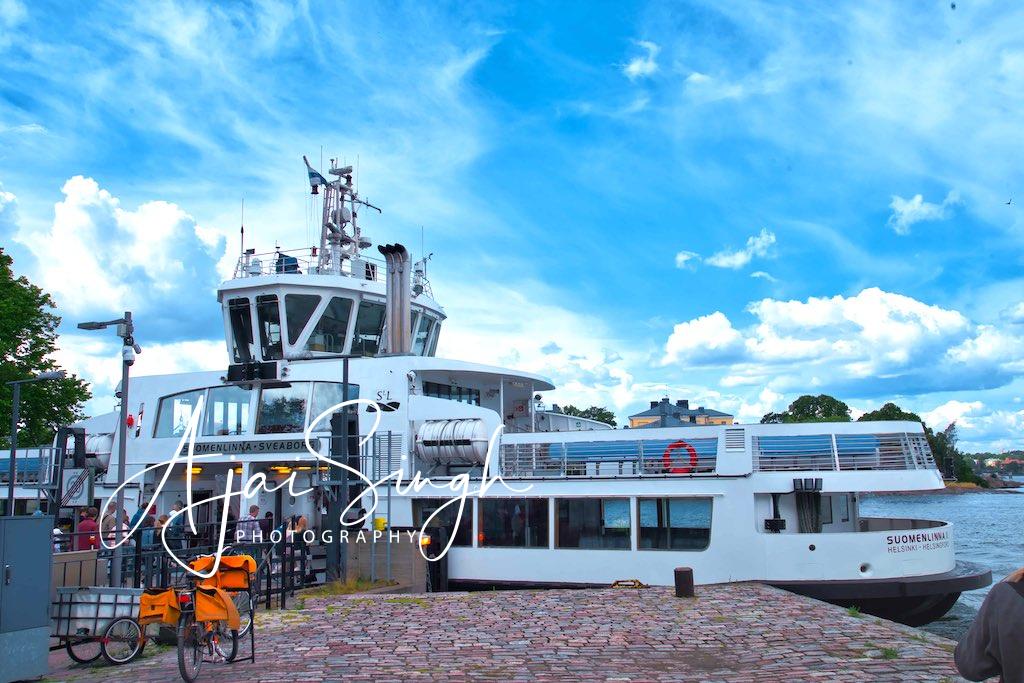
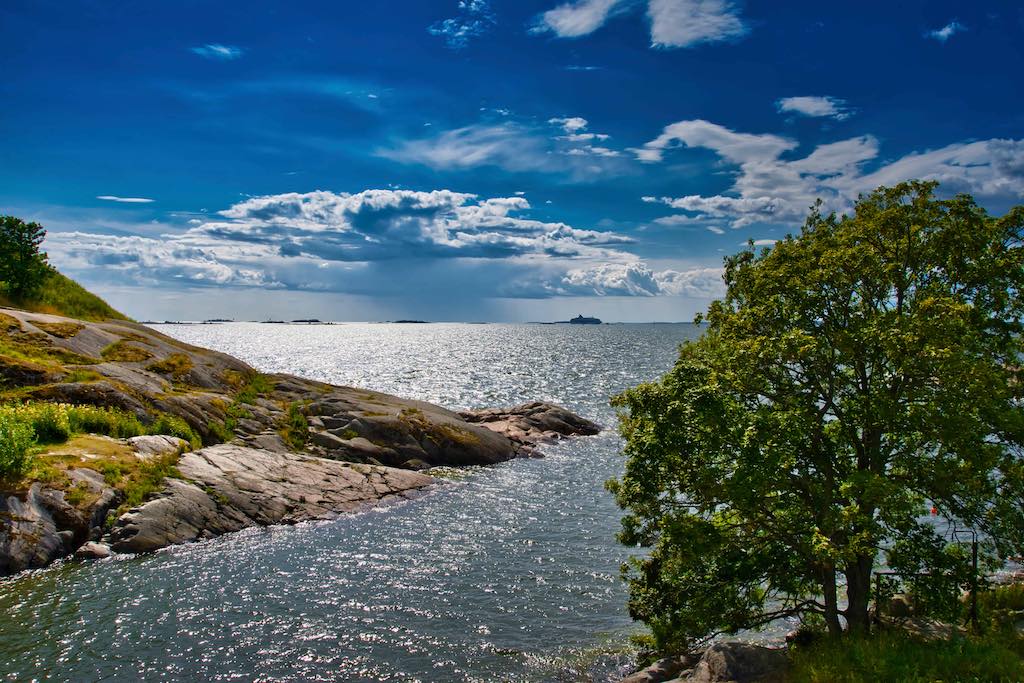
A major attraction of Helsinki is the 18th-century island-fortress of Suomenlinna built on eight islands, of which five are interconnected. The ferry departure for the attraction was from the side of another of the city’s major landmarks – the Market Square (Kauppatori).
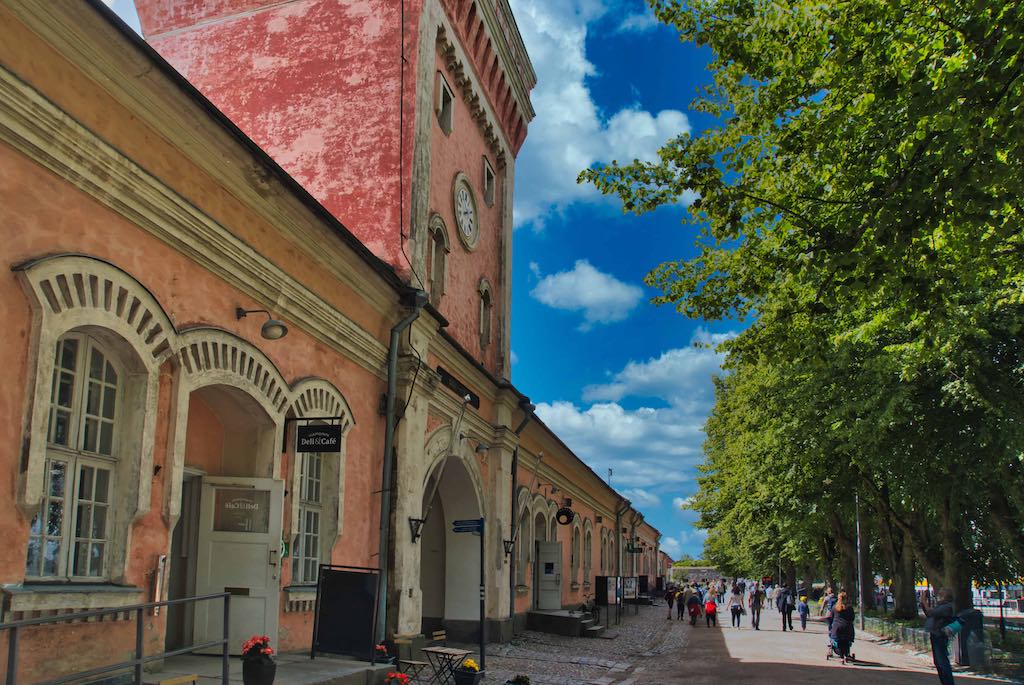
It was built during the time Finland was a part of Sweden as a defence against Russia, with Lt Col Augustin Ehrensvärd in charge of design and construction. A beautiful memorial to him has been built inside the fortress.
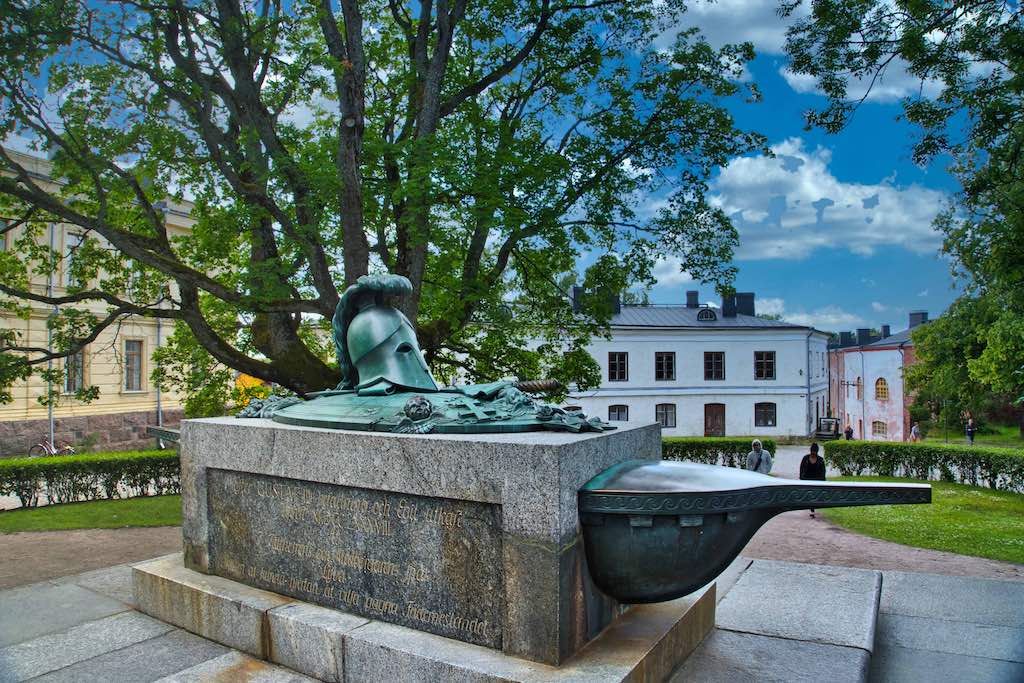
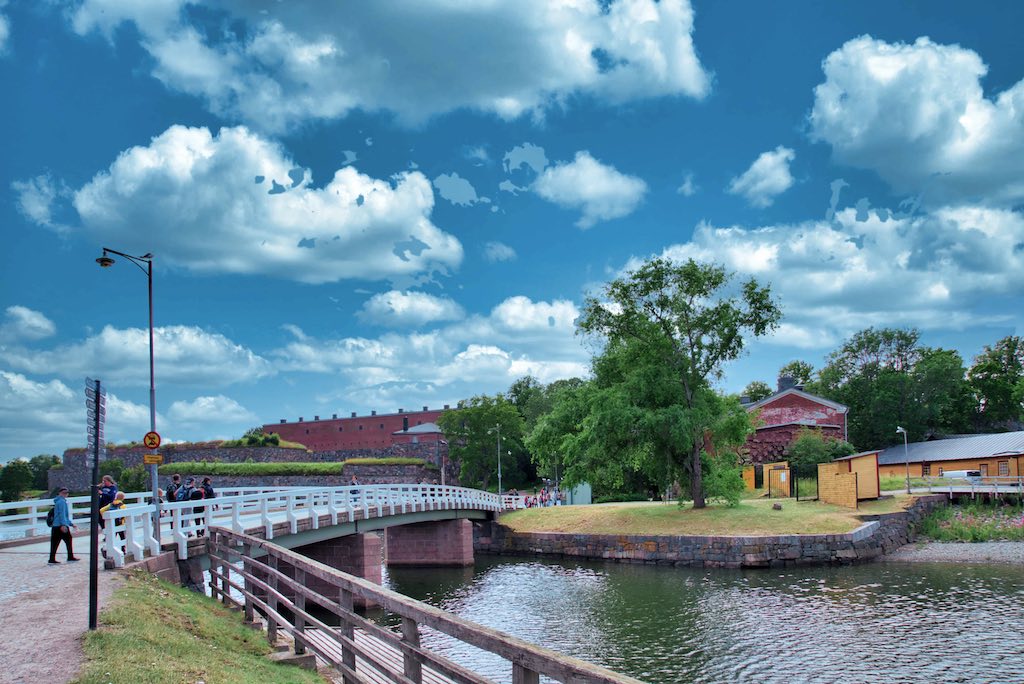
The ferry from the Market Square was a 20-minute ride and the same public transport tickets used on the trams/buses were valid on the ferry also. The validity of tickets here was time-based, which meant a visit to the island didn’t cost any extra amount. The fortress and buildings are well maintained and we required two visits to see the whole place.

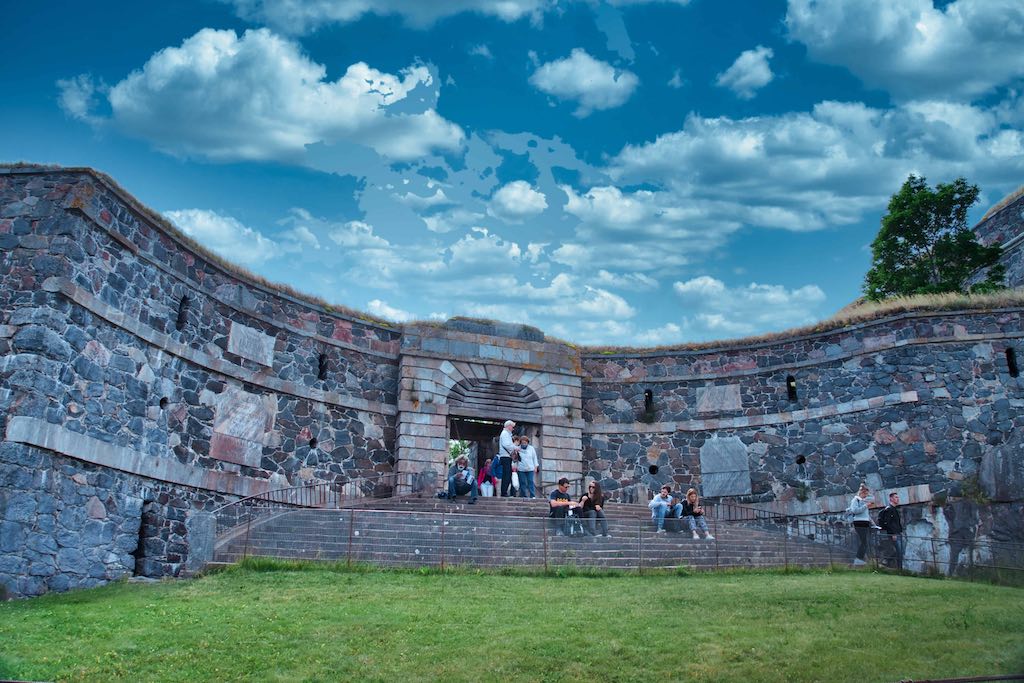
The King’s Gate is the iconic symbol of Suomenlinna. It was built in 1753–54 as the entrance gateway to the fortress. The gate was built on the site where the ship carrying King Adolf Frederick of Sweden, was anchored while he inspected the construction of the fortress in 1752.
The builder of the fortress, Augustin Ehrensvärd, had one of the ornamental marble slabs inscribed with a famous exhortation to the people of Finland. Translated into English, the text reads “Posterity, stand here upon your ground and never rely on outside help.”
One of the days we took a day trip by bus to the historical town of Porvoo. A town with lots of history. Inhabited since the Stone Age, the modern town was settled in the 13th century after the Second Crusades against the tribal inhabitants. Since it has remained part of Sweden, the population is divided equally with Swedish and Finnish speaking inhabitants.

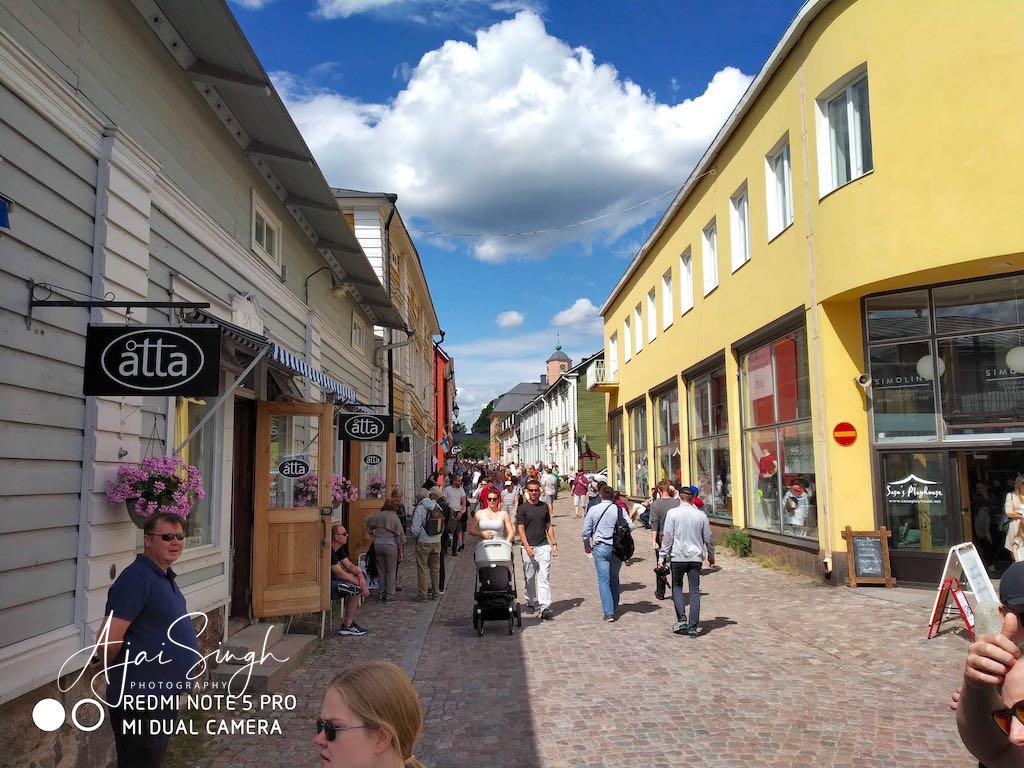
Porvoo is the second oldest city in Finland and evidence of its long history can still be seen and felt as you walk its charming streets. For centuries, the city has served as both a home and a source of inspiration for many Finnish artists. Porvoo’s most well-known symbol and attraction are the lovely red shore houses.
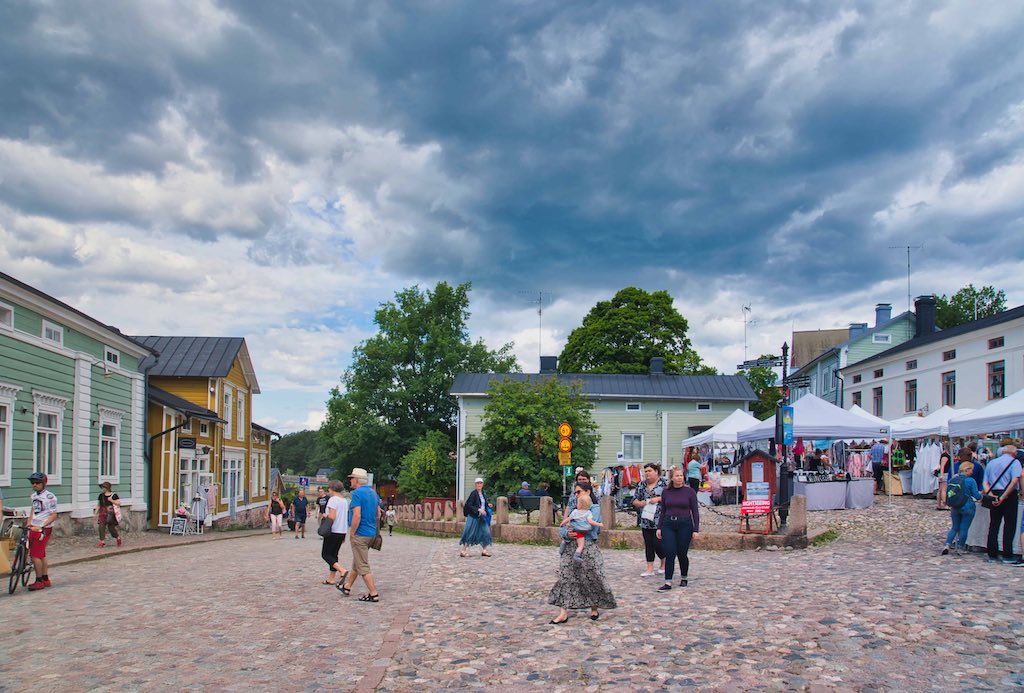
The Old Town together with Porvoonjoki River Valley is recognized as historically and culturally significant as one of the National landscapes of Finland.
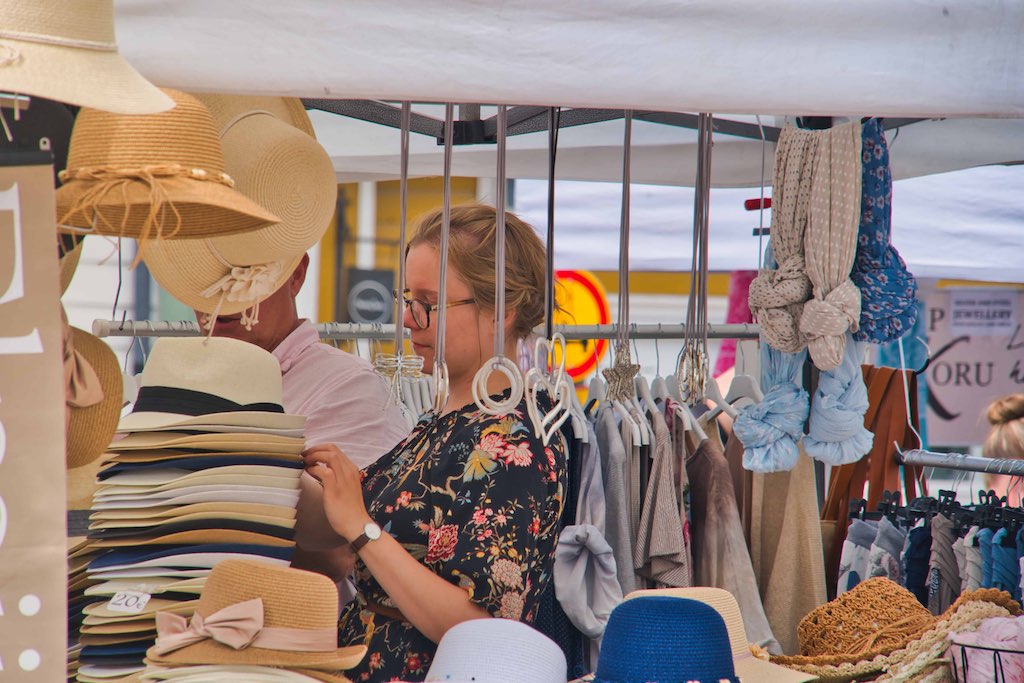
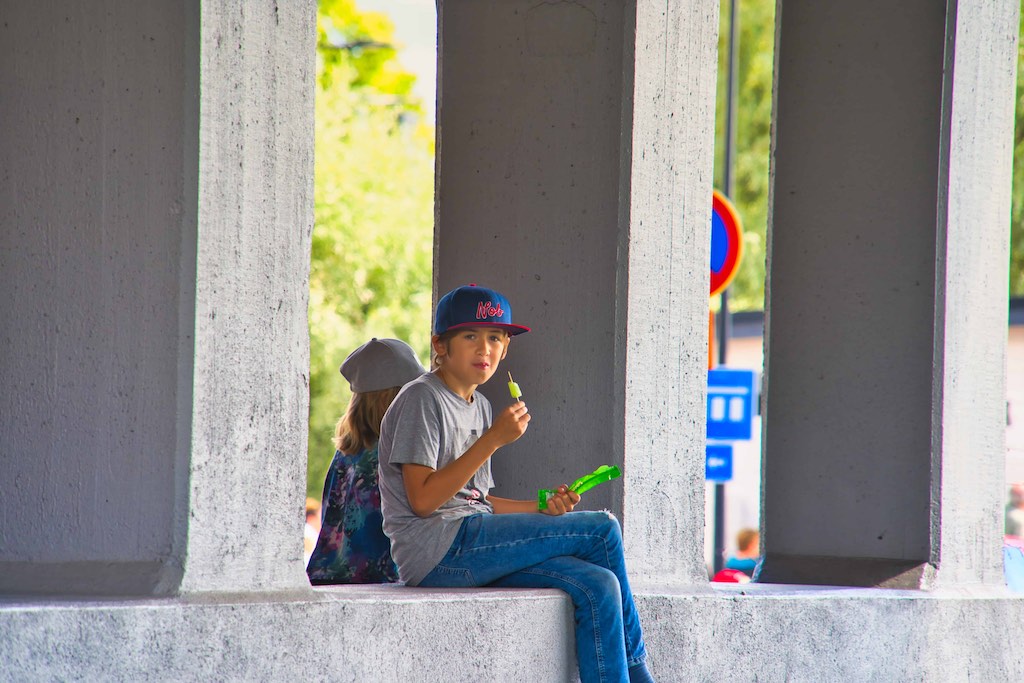
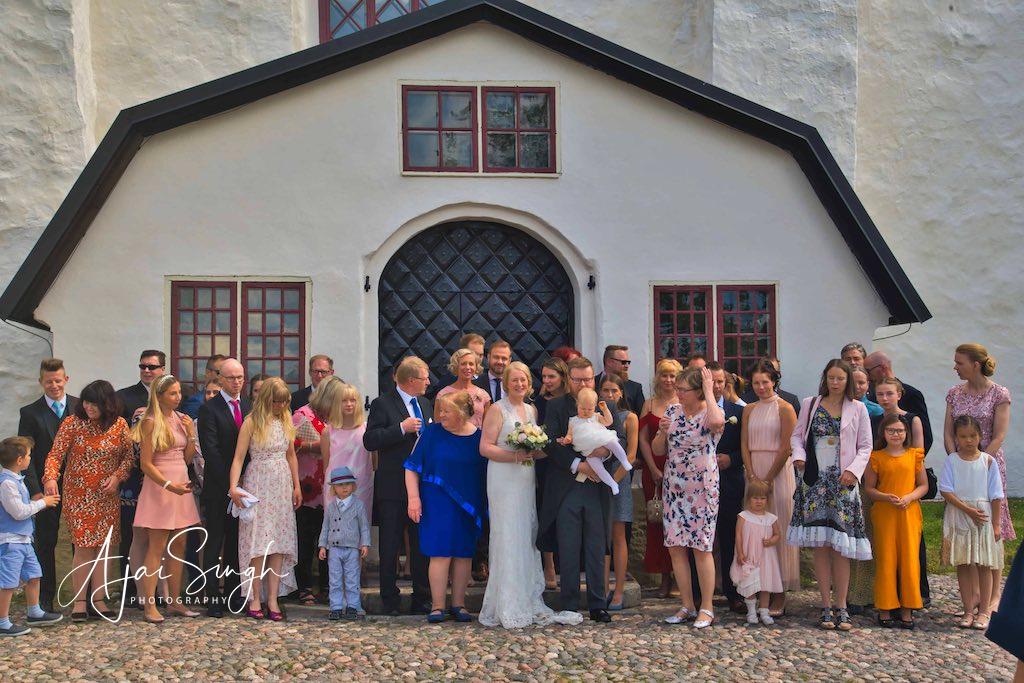
We were lucky to witness a local wedding at the historic 15th-century church. And they paused to pose too!
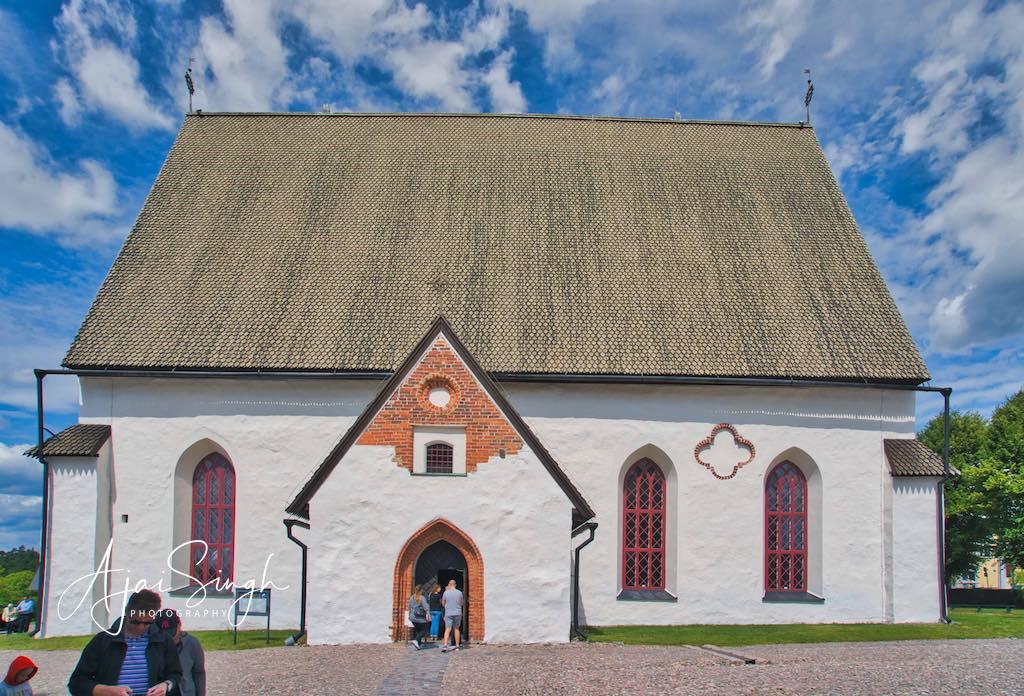
Porvoo Cathedral, located at the heart of Old Porvoo, is one of the city’s most well-known buildings. Built at the turn of the 14th century, the cathedral’s remarkable history has seen it burn down five times, most recently in an arson attack in 2006.
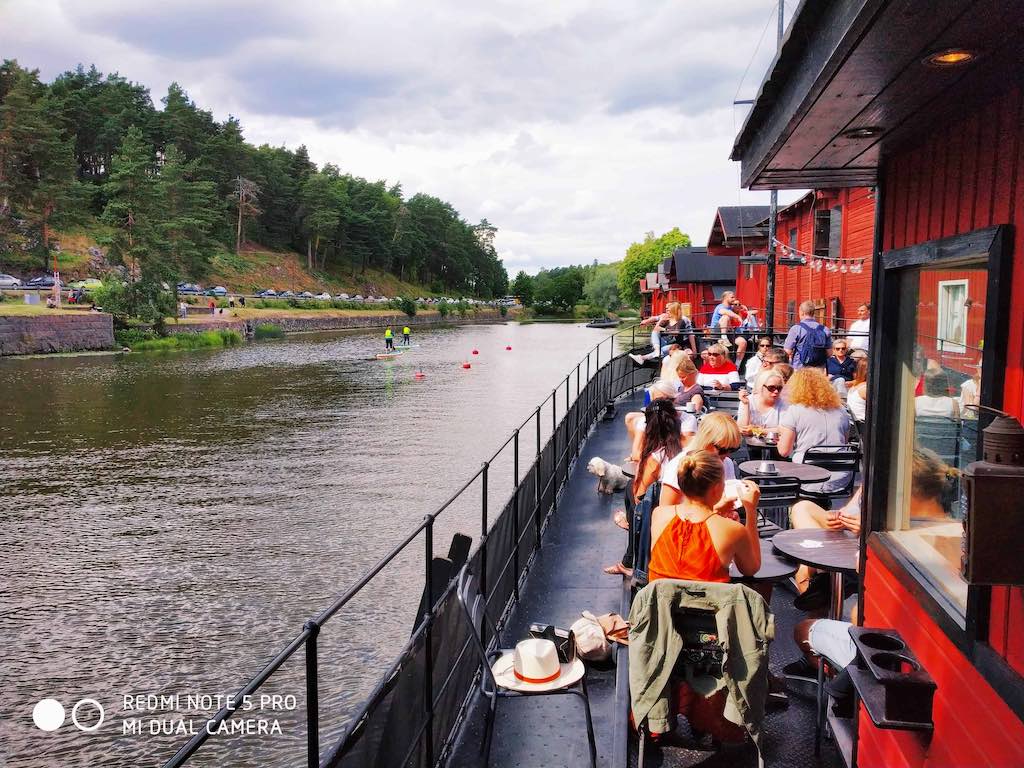
There were hourly guided tours, free of charge, and we took one to see the historic sights. The riverfront was well developed and was full of tourists when we visited. We had lunch on a floating barge and the chilled beer was excellent!
One of the unique fixtures outside the old houses in town was “gossip mirrors” fixed outside the windows, through which they could see the street and those gossiping outside without revealing themselves! Essentially they were horizontal periscopes.

Back in Helsinki, a day was spent in absorbing the sights of the city. Finland is famous for the striking architecture of its buildings. The Oodi Helsinki Central Library was one of those which impressed me the most.
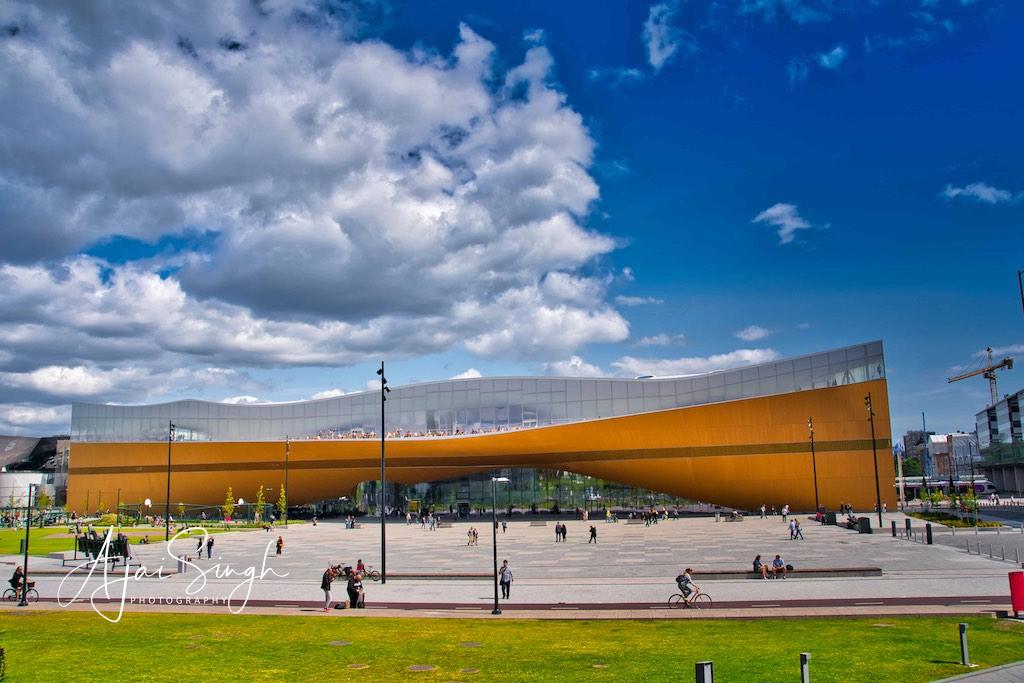
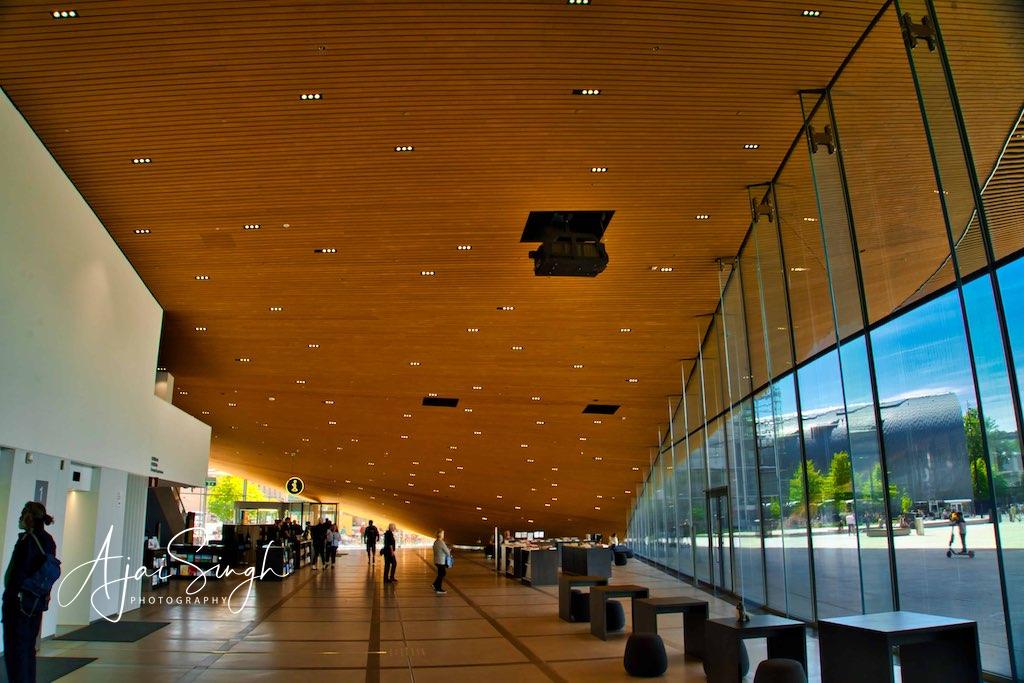
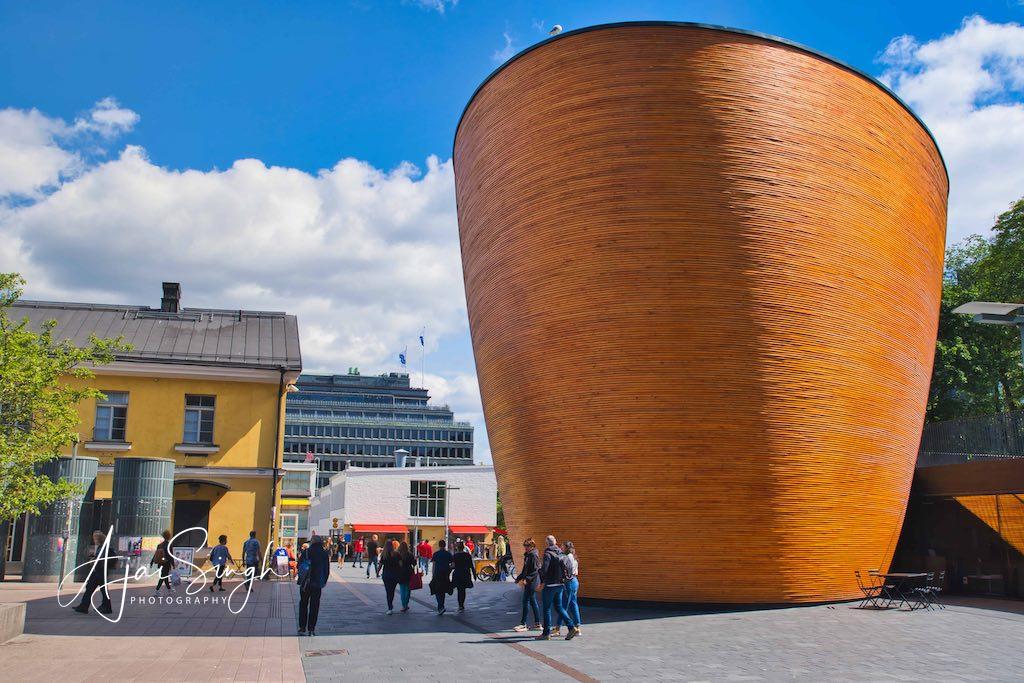
As did the unique Kamppi Chapel of Silence – a modernistic structure in the midst of the hustle and bustle, for anyone who wants some peace and for meditation!
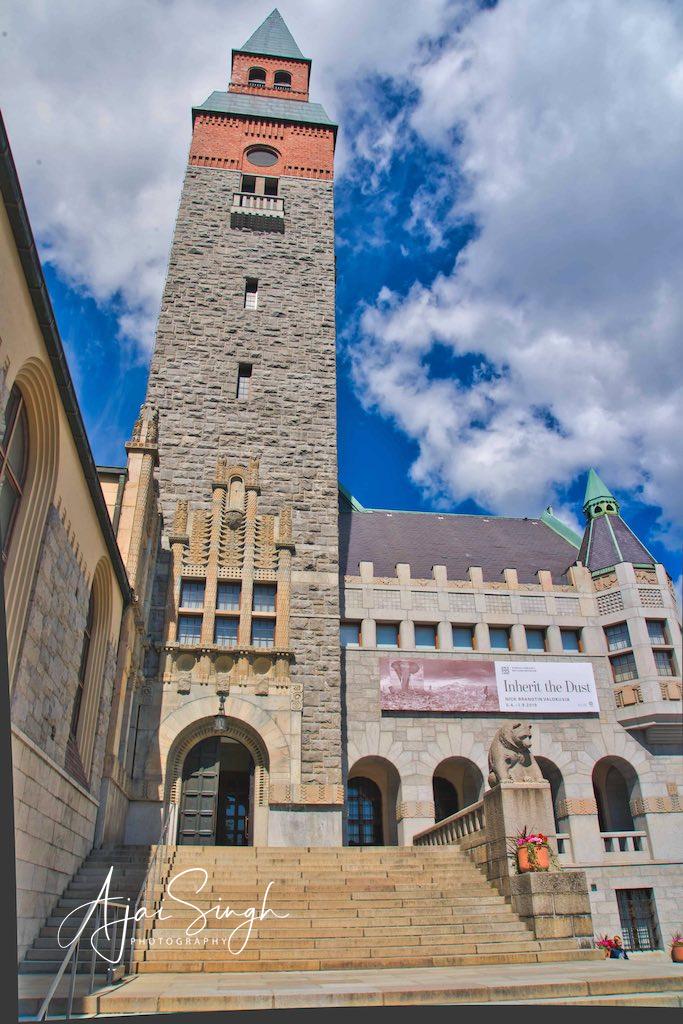
There were other beautiful buildings too in that part of the city, many of which are within walkable distance, if one does not mind walking a bit!
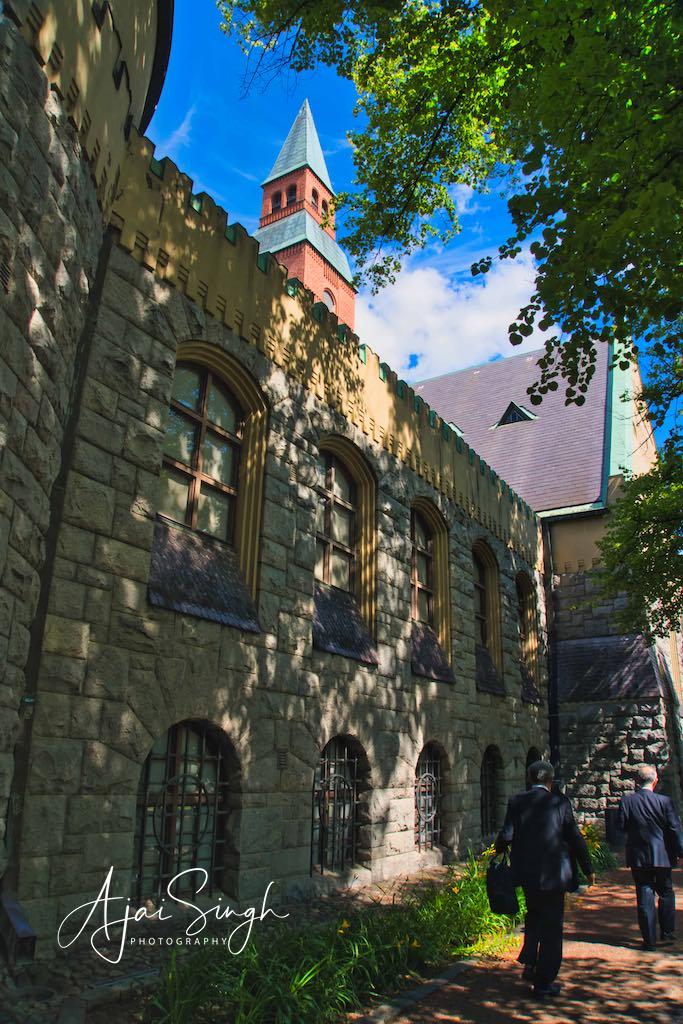

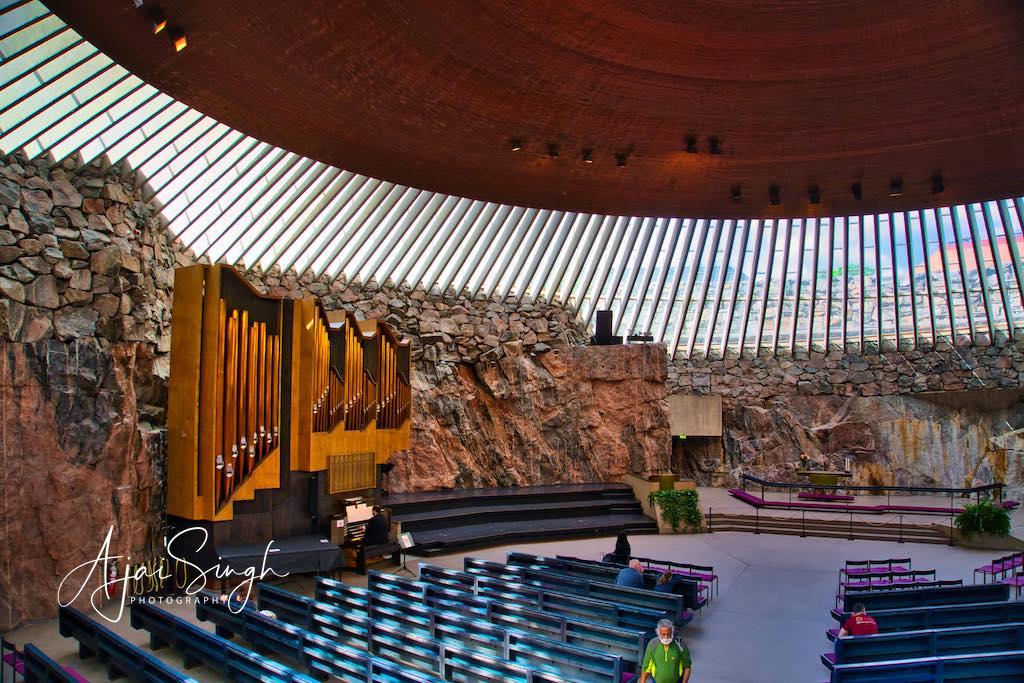
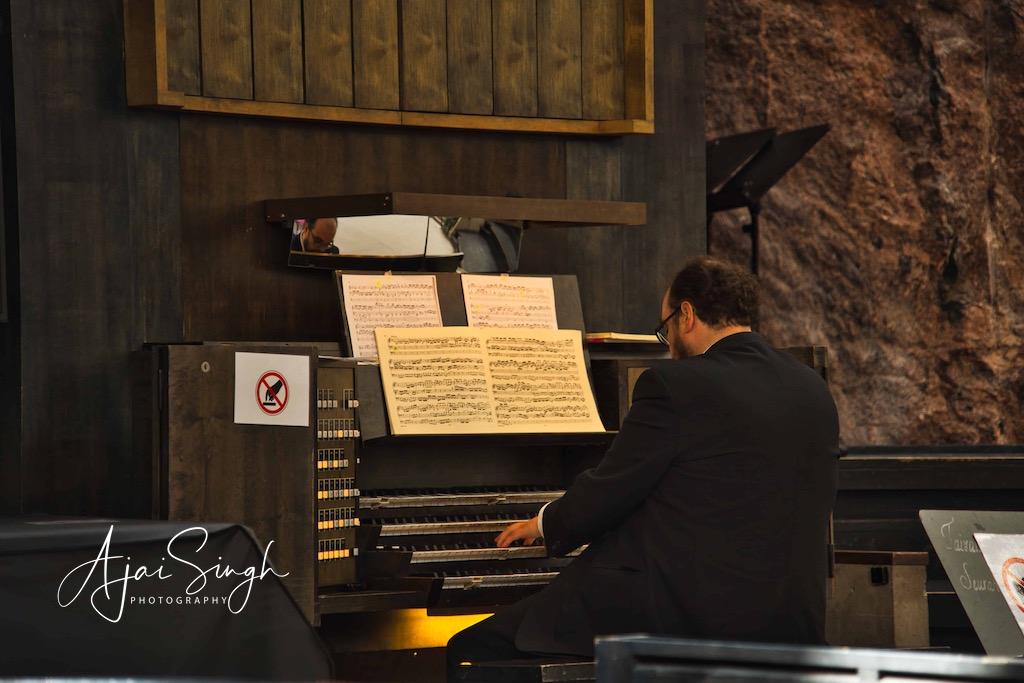
One of the last places we visited in the city was also one of the city’s landmarks – the famous Temppeliaukio Church, built partly into a rocky outcrop. It is a recent construction being completed in 1969 but amongst one of the most famous landmarks of the city. An organist was playing the church organ during our visit, and it made us sit for a while to enjoy the soothing music.
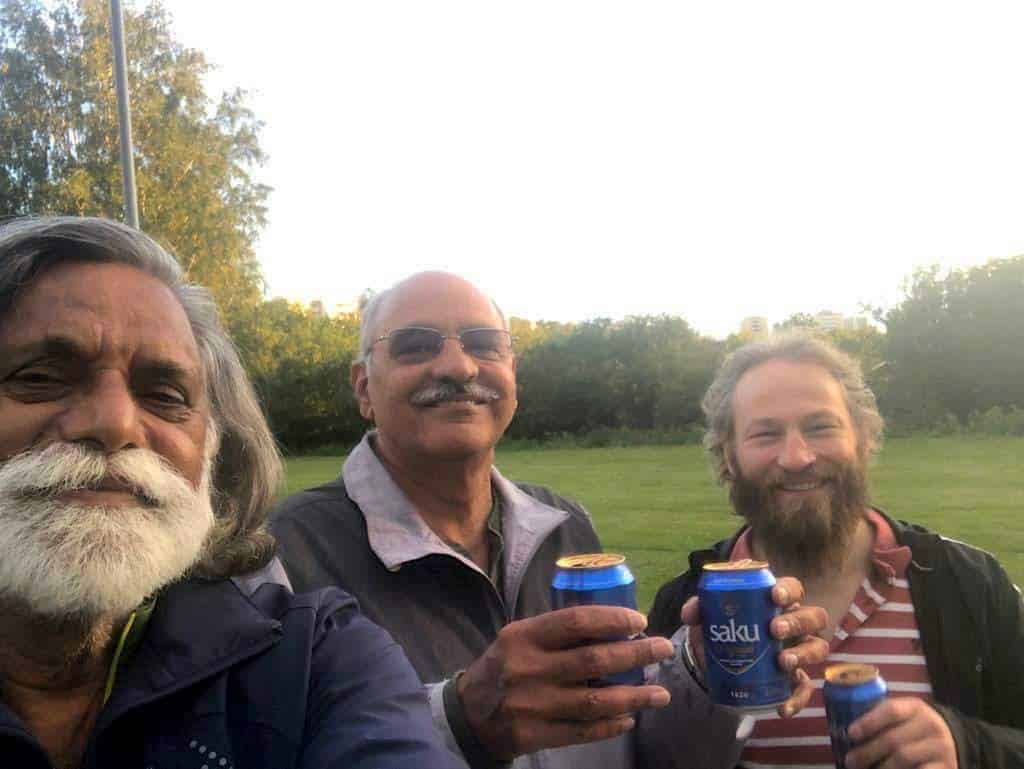
Towards the end of our stay our host warmed up to us and the last evening he took us to a nearby park, huge, well laid out and in walking distance of the gym. Of course, the walk around was made with beer cans in hand!
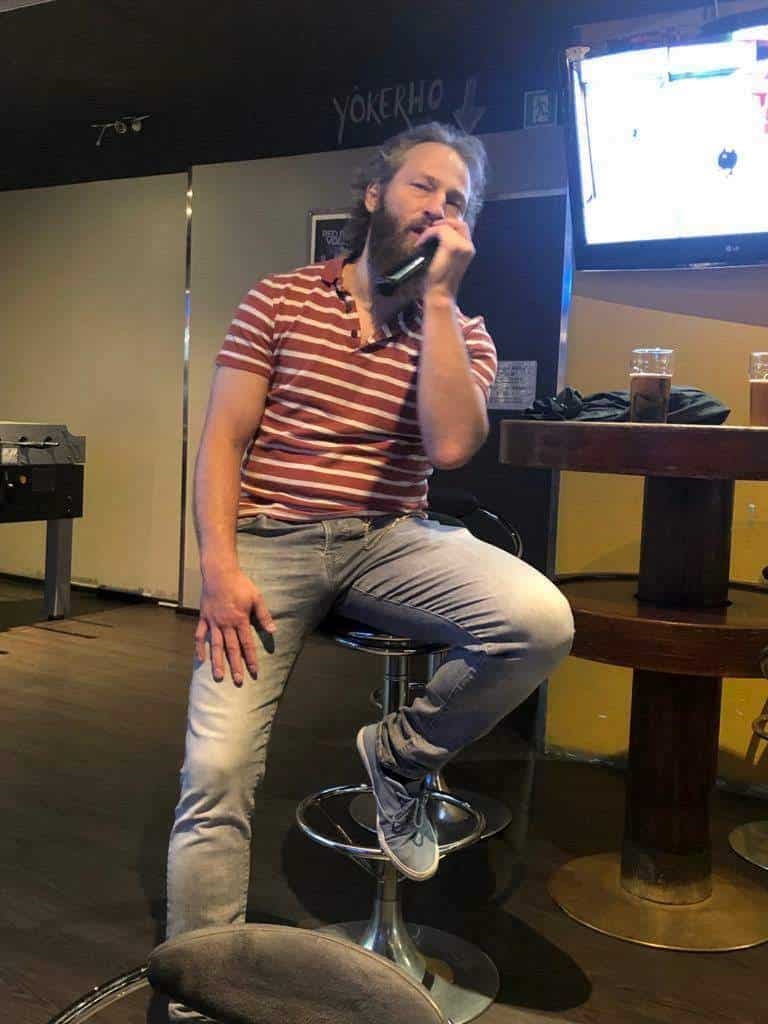
We learnt that Antero was a singer, he took us to a karaoke bar nearby where he sang often. We had a great time listening to the local singers, including Antero, performing though the meaning of the Finnish songs escaped us. But the enthusiasm was infectious!
Time whizzed past and soon it was time to catch the ferry for Estonia, across the Gulf of Finland, on 15 July. One thing which came across very strikingly about our stay was that as we moved from Norway to Sweden and then to Finland, the graph of the places slowly declined. The standards of maintenance and upkeep, cleanliness etc kept dipping. Partly due to the affluence of the countries themselves? Another reason could be that Norway and Sweden had kept their own currencies and not switched over to the Euro, whereas Finland had.
Continue reading the next episode of my adventures in the Baltic countries in the next blog here.
The links to all the blogs in the series are listed below:-
- Norway – https://collectingmoments.in/my-trip-to-norway/
- Sweden – https://collectingmoments.in/fascinating-sweden/
- Estonia – https://collectingmoments.in/exploring-estonia/
- Latvia – https://collectingmoments.in/latvia/
- Lithuania – https://collectingmoments.in/lithuania-the-land-of-a-forgotten-past-and-the-romuva/
- Poland – https://collectingmoments.in/poland-the-phoenix-which-rose-from-dust/
Note: All photographs displayed above are my exclusive property and copyright; their use is prohibited without explicit consent, in writing.


2 Responses