
This blog is in continuation of the previous one on Estonia, part of my series on my travel through the Scandinavian and Baltic countries during the summer of 2019.
Norway was the first country we hitchhiked through; to read the first blog of my travels through the Scandinavian and Baltic countries, click here.
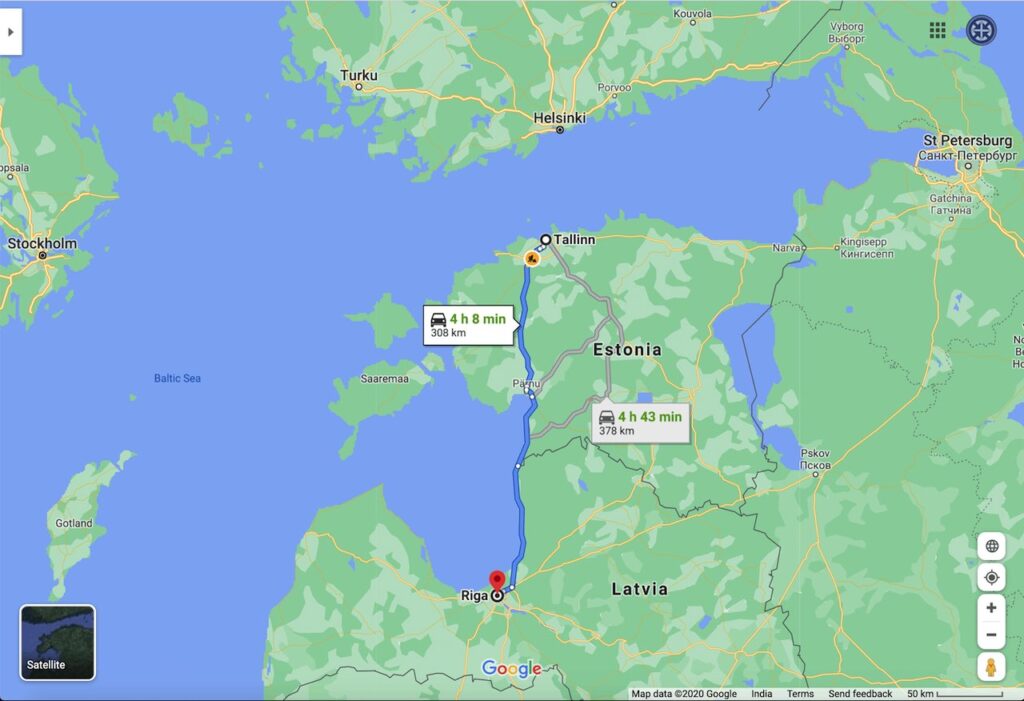
Our wonderful – and eventful – stay in Estonia came to an end too soon and it was time to catch the bus for Riga, Latvia, on 19 July 2019. We started at 10 am for a comfortable five and a half hours journey by bus for the 300 km journey from Tallinn.
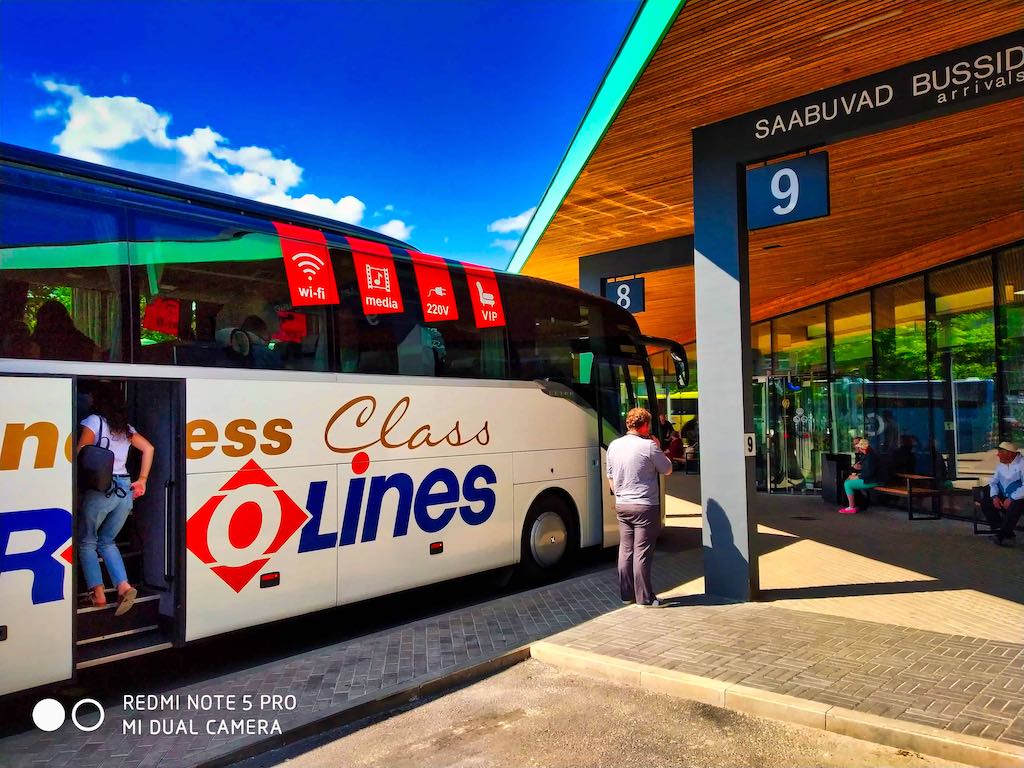
The bus was from Tallinn – Warsaw, and nearly full. We had one halt at Parnu, where we could pick up some snacks and stretch our legs a bit.
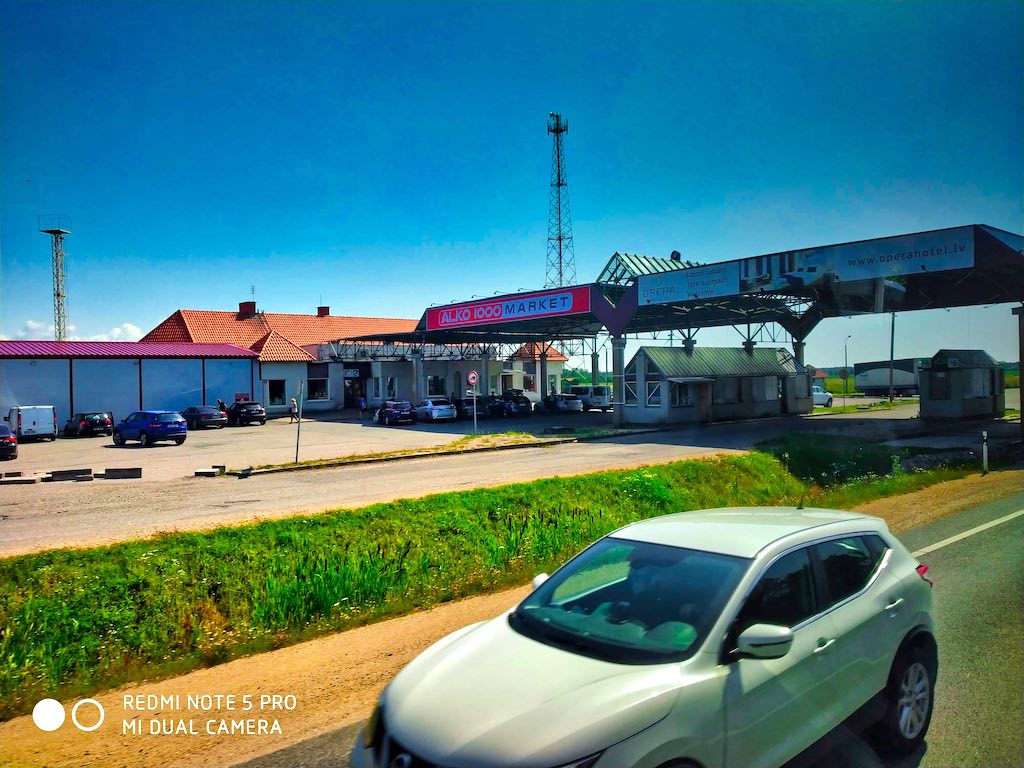
After Parnu, the road generally follows the coastline along the Gulf of Riga, crossing the border on this leg of the journey. We reached Riga at 4:30 pm.
Through links of Maj Mathur during his research and travels to uncover the Vedic-era linkages between European/Baltic countries with India, we had got a local reference, Mr Ugis Nastevics. We called him from the Bus Station and he advised to catch a taxi to our hotel as fares using Bolt taxi service (like our Ola) was very reasonable – just Euro 3.50.
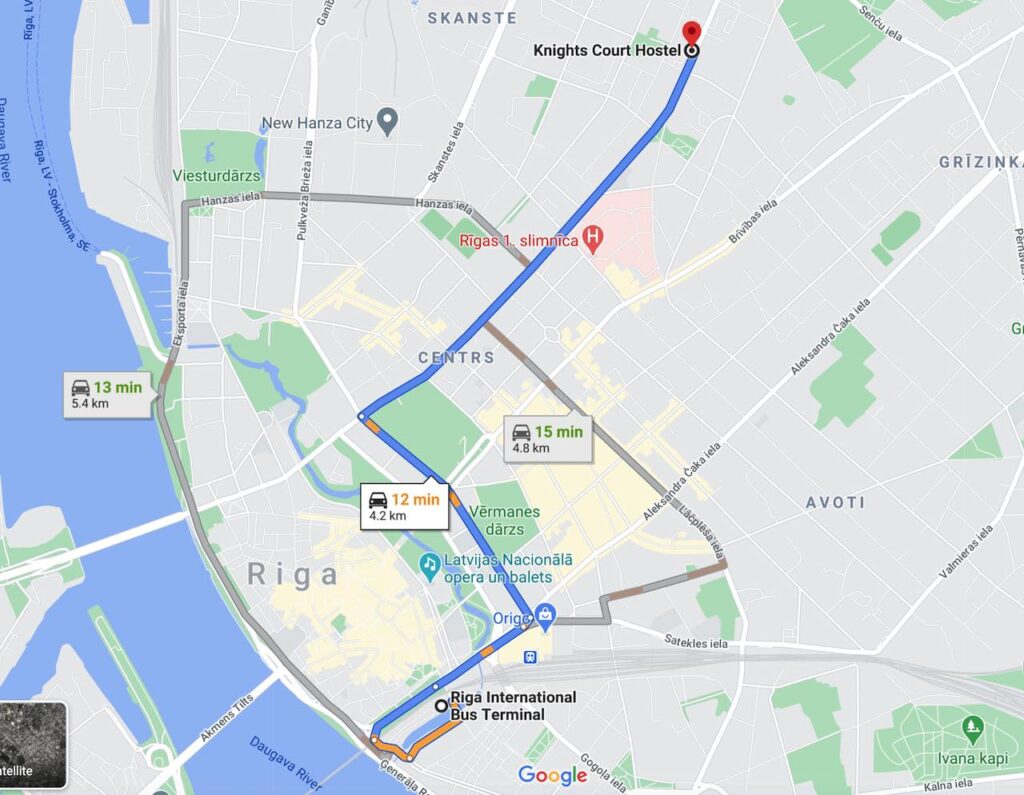
This was the first halt during our trip where we were staying in a hostel as the confirmation with a local Couchsurfer had been received at the last moment. We thought a stay in a hotel will be a nice change. It was just a 10-minute journey. Knight’s Court, our lodging, was on the 2nd floor of a residential complex – neat and clean – all managed by just one cheerful girl. Good wifi, a fridge and microwave, everything was there and it was well furnished.
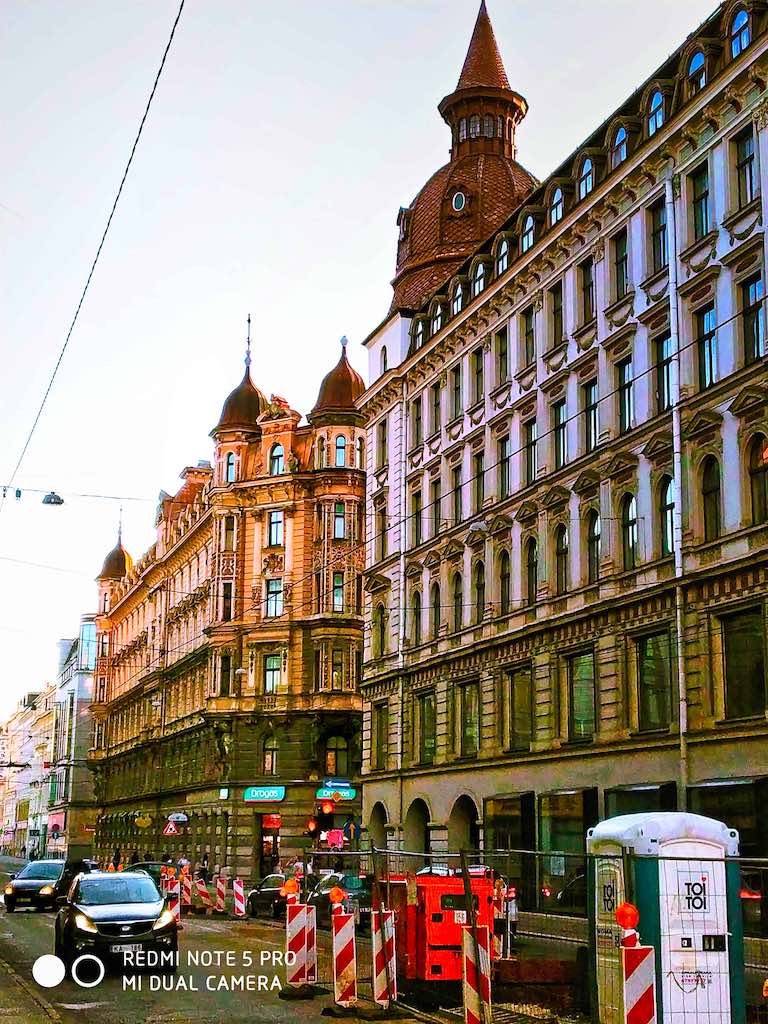
There was one caution for us – avoid walking on the roads in the area of the hostel after dark. Take a taxi, if required. We did take note, but wondered who would try to tangle with two tall, unruly-looking bearded men?
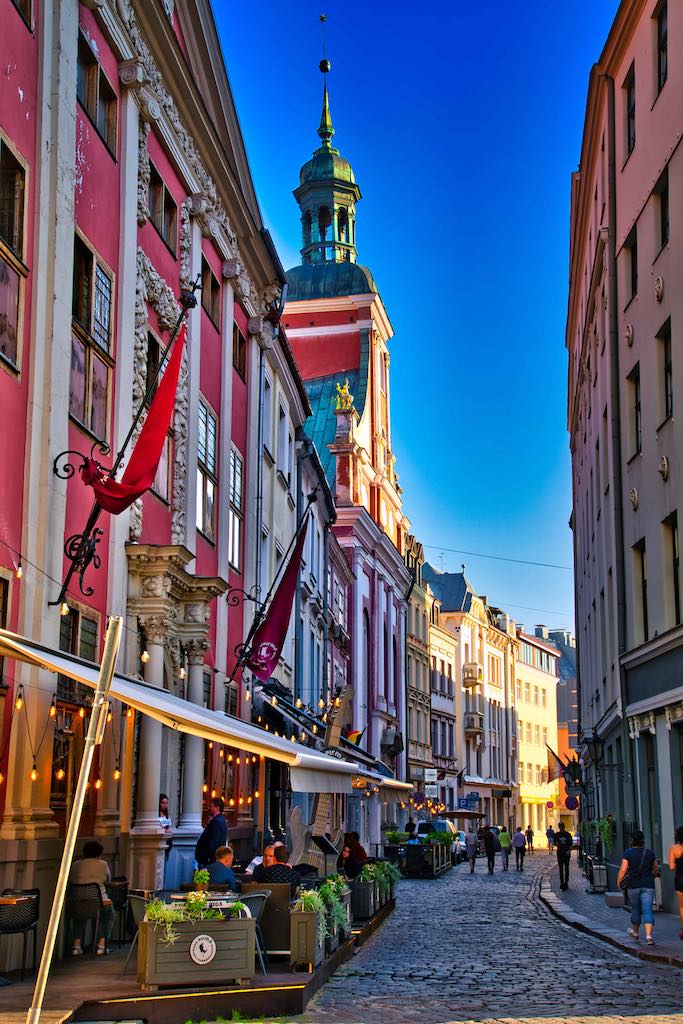
Latvia is another mostly-unknown country, of which I also heard about when we started scanning the maps to plan this trip. All the Baltic countries have a grand heritage and a long history, though they have been unfortunately sandwiched often in between the Russian and the Austria/German wars for domination.
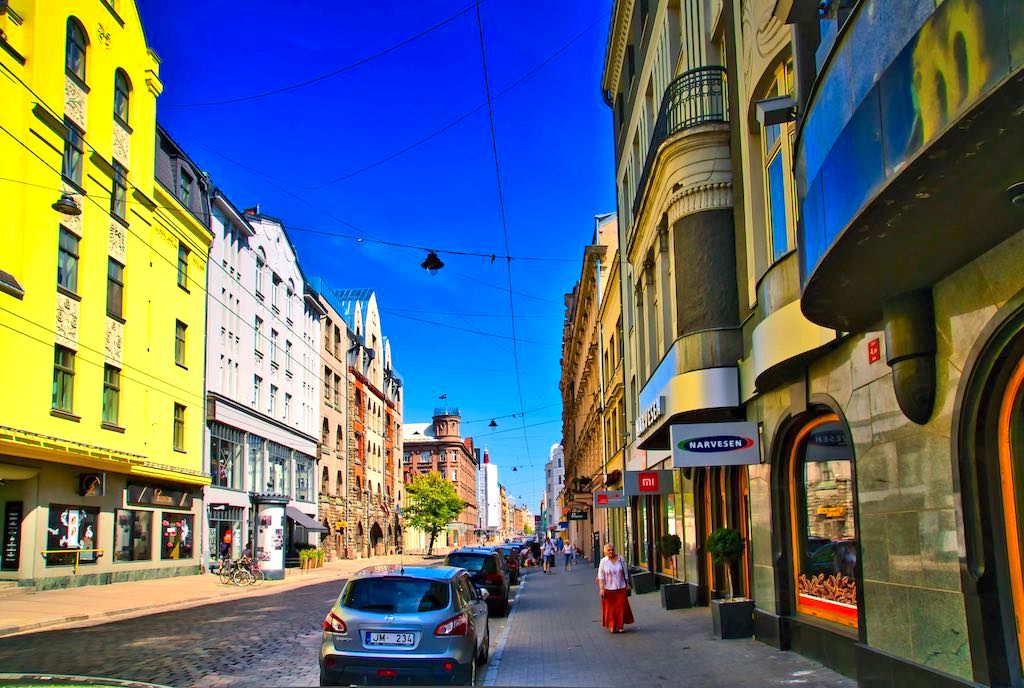
Riga, the capital of Latvia, was founded in 1201 AD! But sadly history is written by the winners, and hence they have been neglected from its pages.
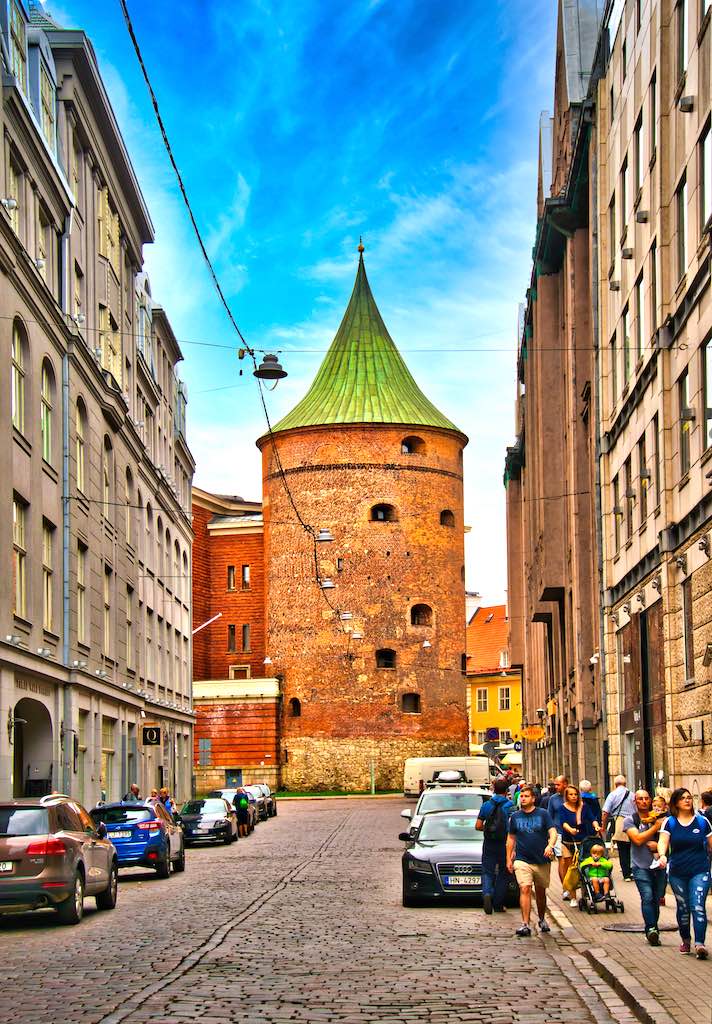
Riga is also the largest city in the three Baltic states and is home to one-tenth of the three Baltic states’ combined population. The city lies on the Gulf of Riga at the mouth of the Daugava river where it meets the Baltic Sea.
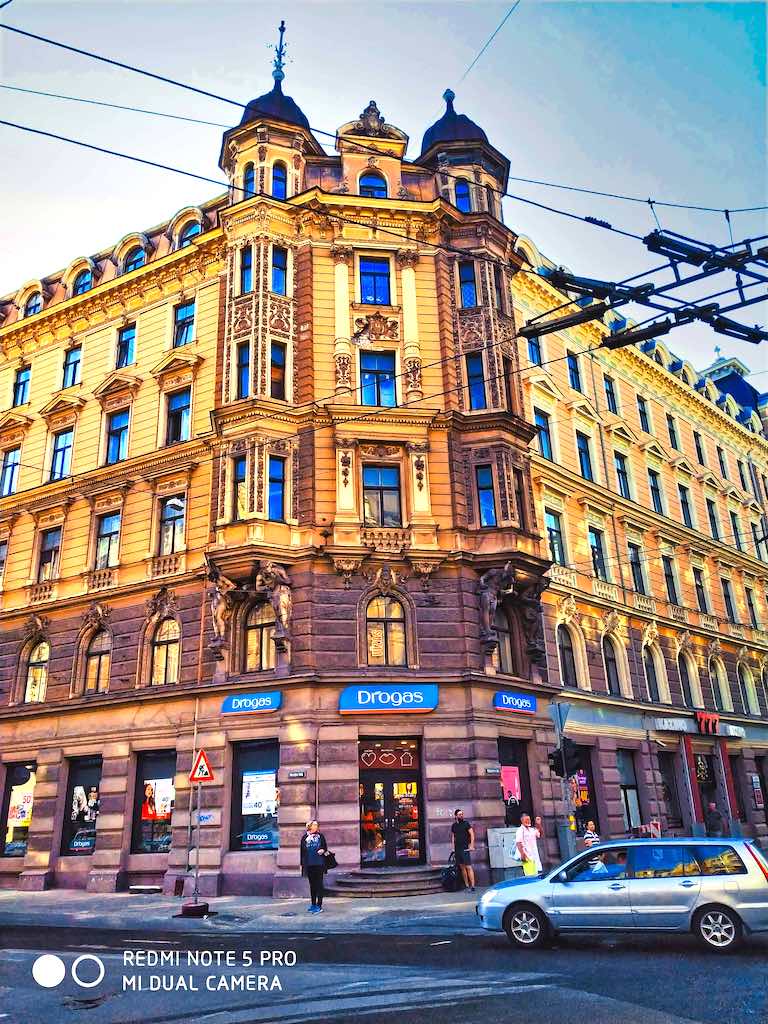

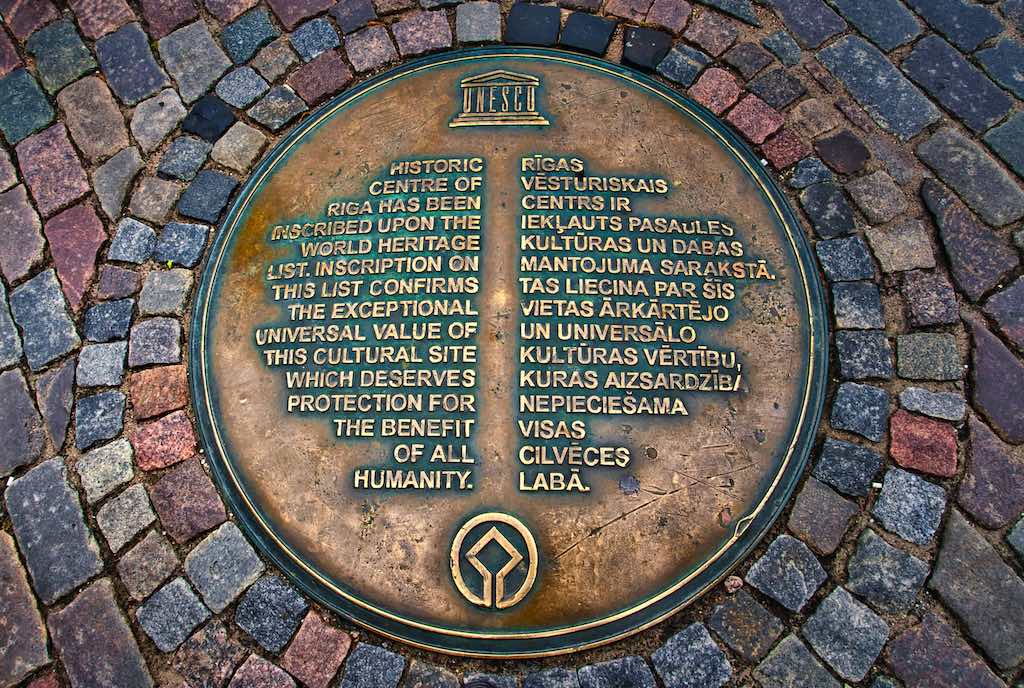
The city’s historical centre is a UNESCO World Heritage Site, noted for its Art Nouveau/Jugendstil architecture and 19th-century wooden architecture.
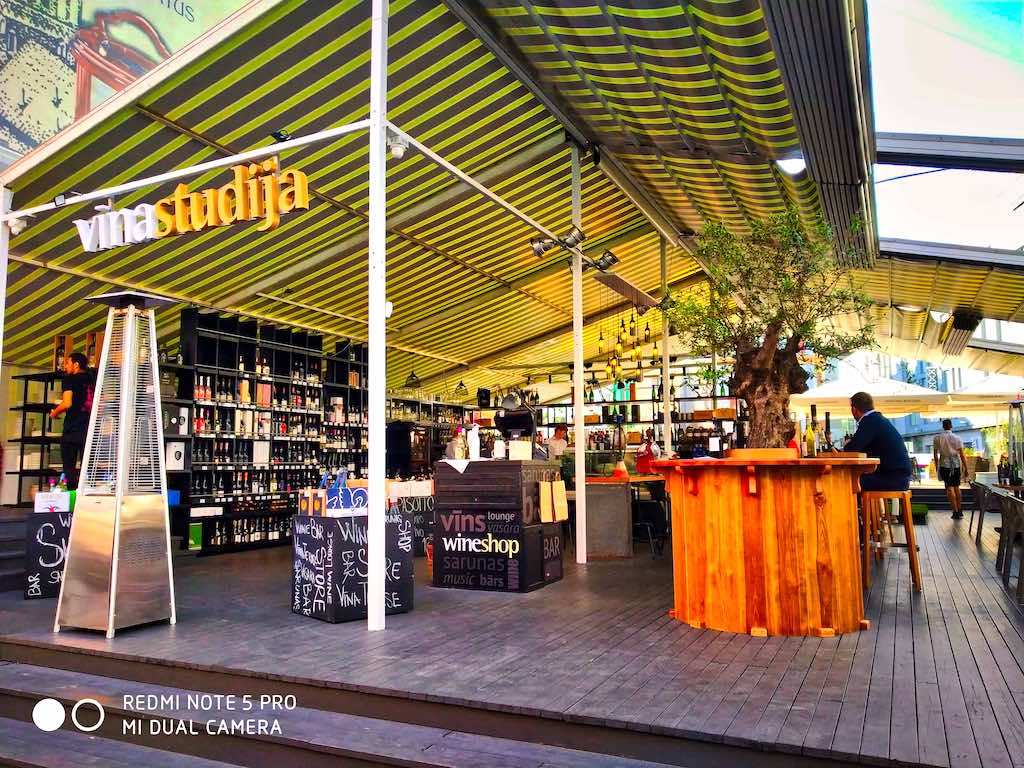
After getting basic information from the receptionist, we decide to take a walk to the Old Town, and as is our standard practice, to head to the Tourist Information Centre. It’s a longish walk and takes about 45 minutes, assisted by Google Maps. The walk through the OldTown was like entering a fairy tale land! Colourful facades, cobbled streets, street-side cafes and tourists exploring the hidden nooks and corners. All added up to a charming experience. We did see a few novel sights, like a wine bar which added to the relaxed atmosphere – to finish a bottle of wine will definitely take a while as one watches the world go by!
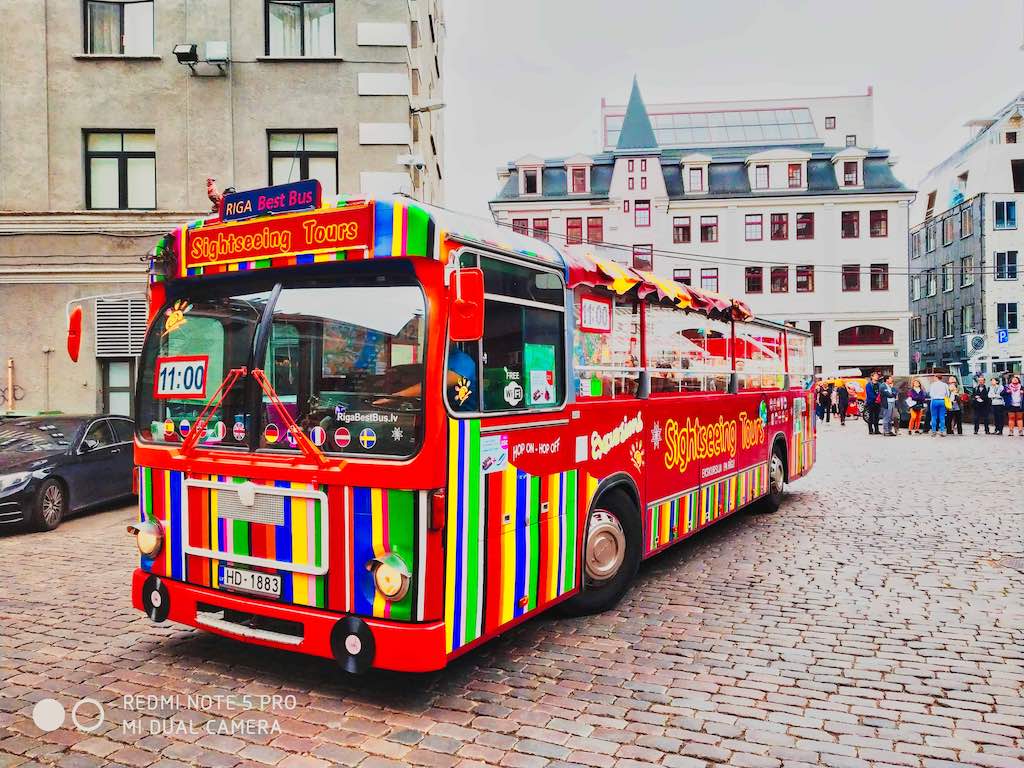
One obvious thing we noticed was the slightly poorer standard of repair and maintenance in general during our walk. However, the public transport system comprising of buses, bus trolleys and trams was excellent.
The Tourist Centre was located across the Old Town and by the time we reached it, it had already shut down (timing till 6:00 pm).

Two girls were giving a double bass performance in the Town Square, which we enjoyed.

The Town Square itself has a long history, having being reconstructed after being destroyed during the Second World War. A Roland Statue stands in the middle of the square. Roland was the nephew of Charlemagne and a Frankish military leader. The land he ruled was governed stringently but justly; thus he gradually became the symbol of justice in Northern Germany. Now several towns have Roland statues.
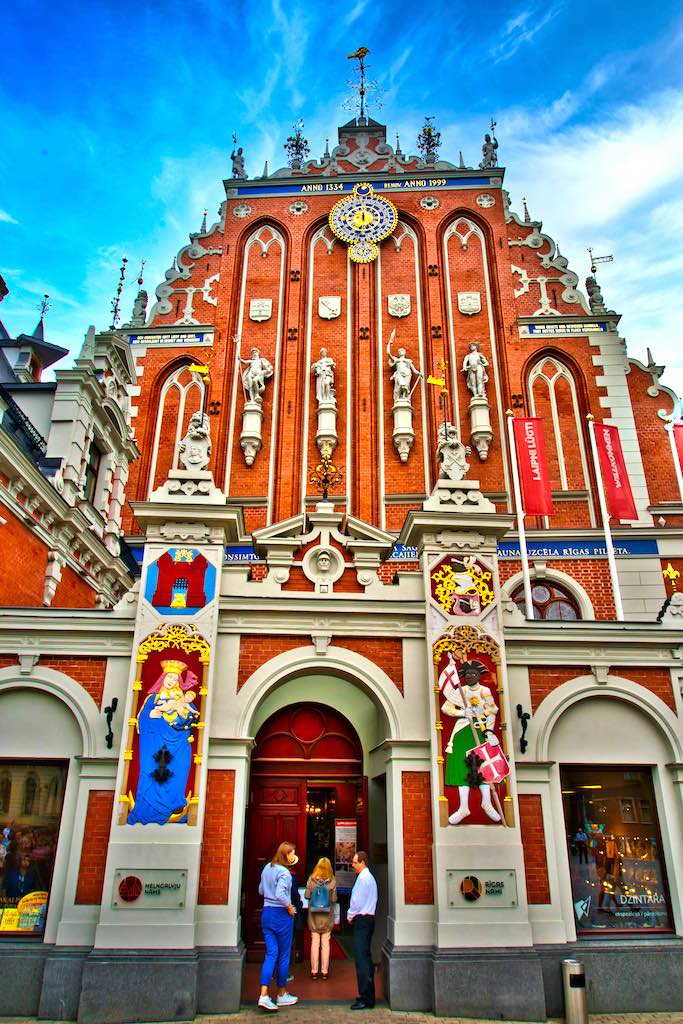
The historical façade of the House of the Blackheads, as well as the reconstructed Town Hall, and other buildings ring the square. The Brotherhood of Blackheads is an association of local unmarried merchants, ship owners, and foreigners that were active in Livonia (present-day Estonia and Latvia) from the mid-14th century. The brotherhood traces its origin to a group of foreign merchants who, according to legend, had participated in the defence of Reval (present-day Tallinn in Estonia) between 1343 and 1345 when the indigenous population of Estonia unsuccessfully tried to exterminate all foreigners and eradicate Christianity from Estonia.
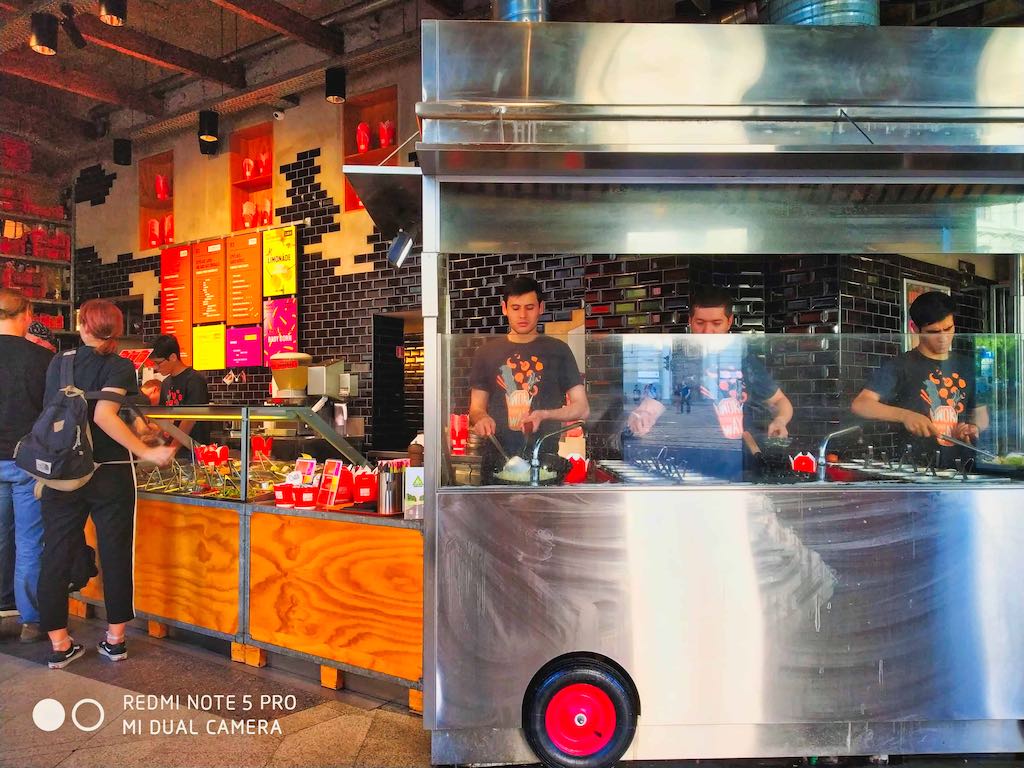
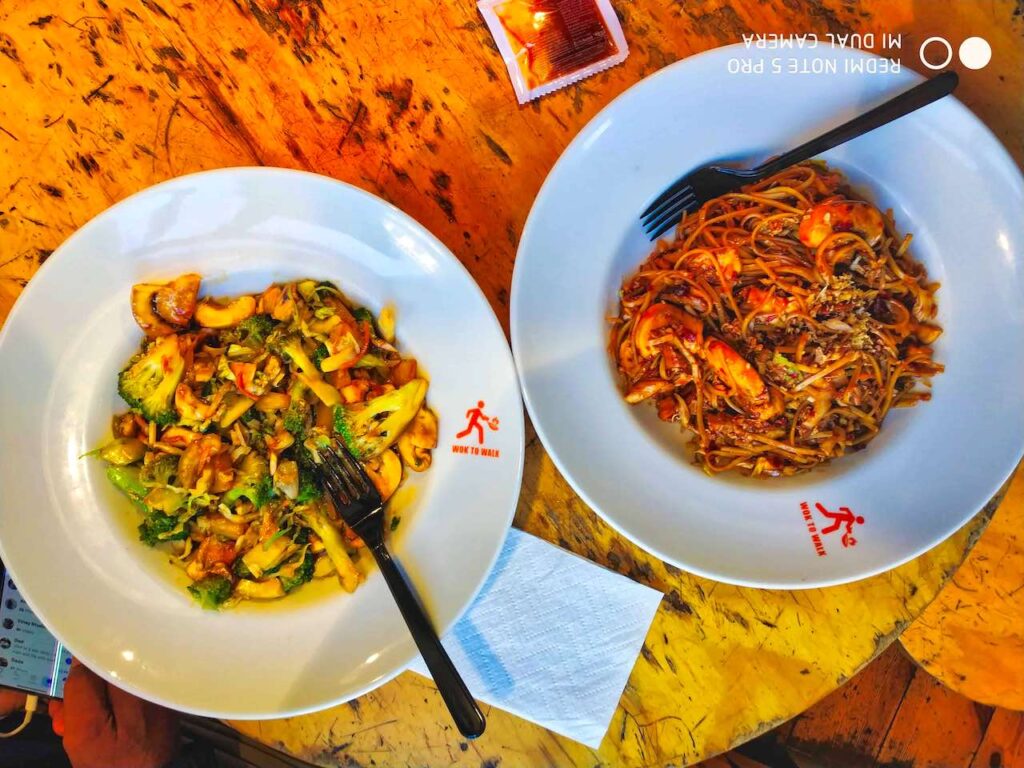
On the walk back we came across a novel restaurant which sold just basic noodles/pasta and rest all toppings/dressing could be chosen separately to suit your taste – and purse! It was fun discussing each extra with the salesman (all communication of course in mixed verbal and hand signals due to language issues!). However, the result turned out quite tasty and filling! That Harsh was vegetarian – required many more hand signals to convey the information.
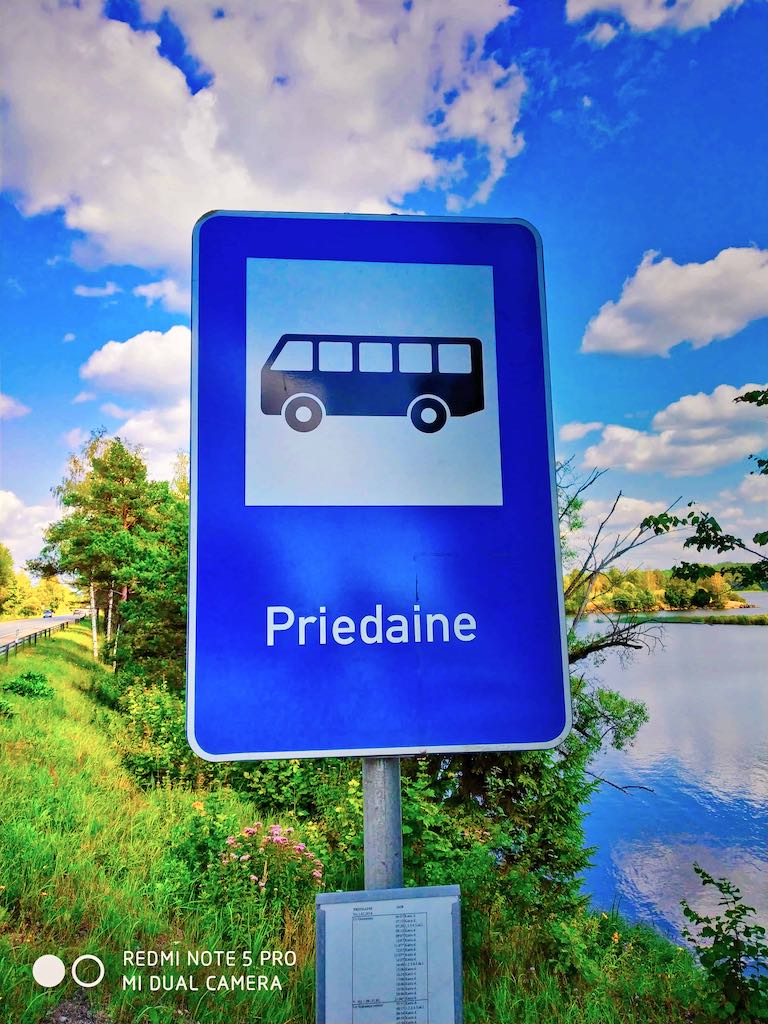
Next morning we had tied up with Ugis Nastevics to visit the holiest Dievturi shrine in Latvia – the Lokstene Shrine of Dievturi. It is located on a small island in the Daugava river, close to the town of Pļaviņas, about 100 km from Riga. We caught a bus at 10:00 from the Bus Station, Ugis’s mother accompanied him. Ugis was a very knowledgeable person and doing his PhD on comparison of practices of Shinto and Dievturi religions. He was also deeply involved in their practices and activities. The 1-hour 45-minute bus journey passed quickly conversing with him on this subject. His mother was not as conversant in English, so interaction with her was mostly through Ugis.
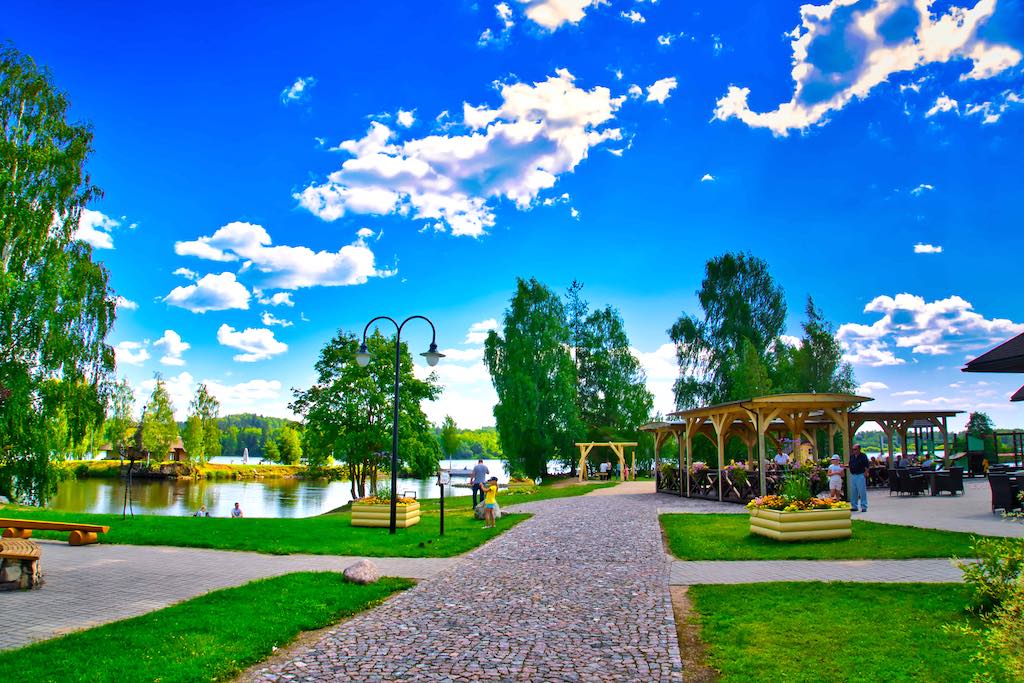
The Liepkalni bakery is the shop whose owner has sponsored the Lokstene shrine and is located on the banks of the river, just across from which is the island on which the shrine is located. Its a picturesque location and we have a quick snack in the bakery before proceeding further. There is a short 100 m ferry ride to cross over to the island.
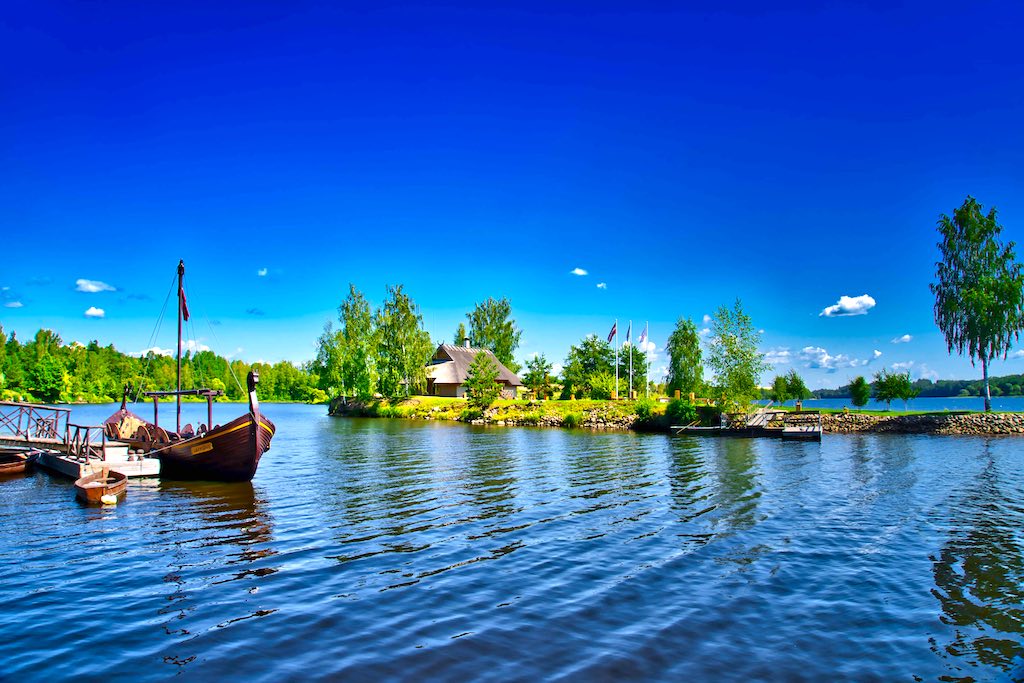
Dievturi, which is a Neopagan religious movement which is a modern revival of the folk religion of the Latvians before the Christianization of the country in the 13th century. Dievturi literally is “Dievs’ keepers”, “people who live in harmony with Dievs”. This movement is becoming popular in the Baltic and in countries south of it like Romania. In Lithuania, they call themselves Romuva. They accept the Vedic roots of their ancient religion, being fire-worshippers and give primacy to nature. There are many similarities from the Vedas of the names of Gods and Goddesses, rituals, customs and traditions.
All holy places are on hilltops/mounds. This was also originally a hilltop, but with the damming of the river downstream, it has now become an island.
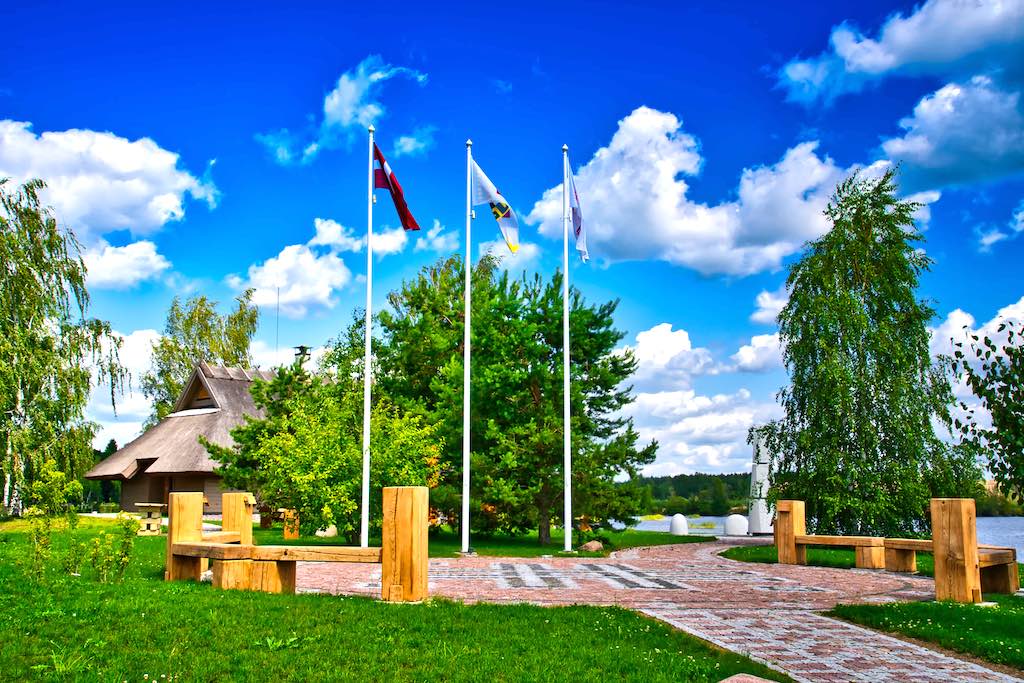
At the entrance is a circular tiled area with a traditional symbol patterned in the centre. One has to circumambulate it in a clockwise direction once before proceeding further.
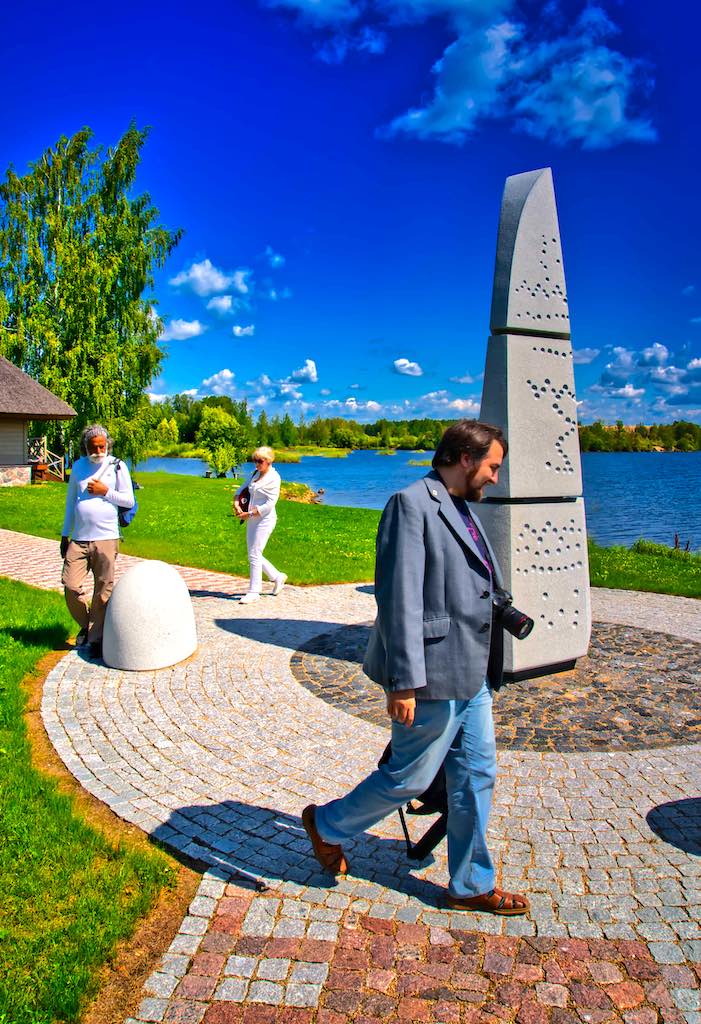
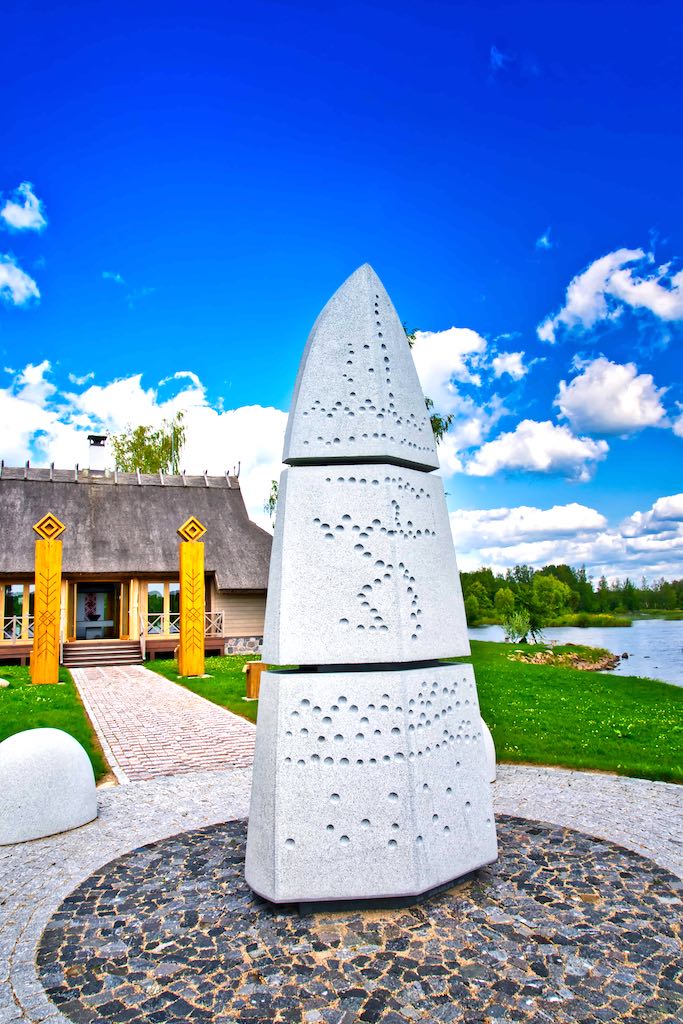
Then we come to a concrete emblem depicting the three levels of land (at the bottom), land (in the centre), and the sky (at the top). The patterns engraved represent these three elements. The emblem also represents our ancestors, and we have to circumambulate it anti-clockwise before proceeding further.
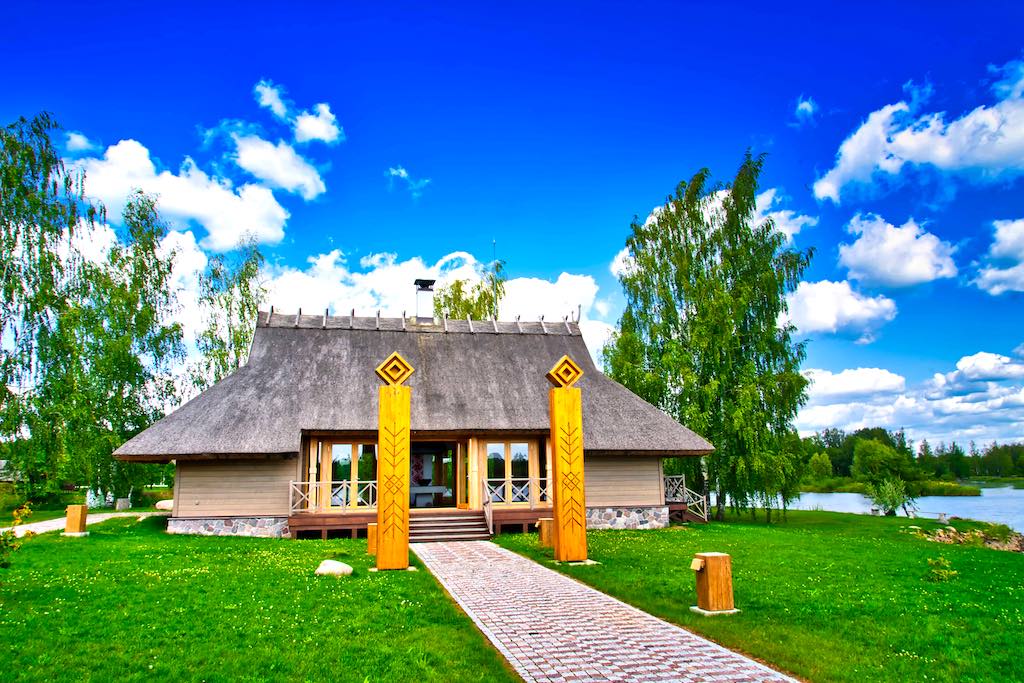
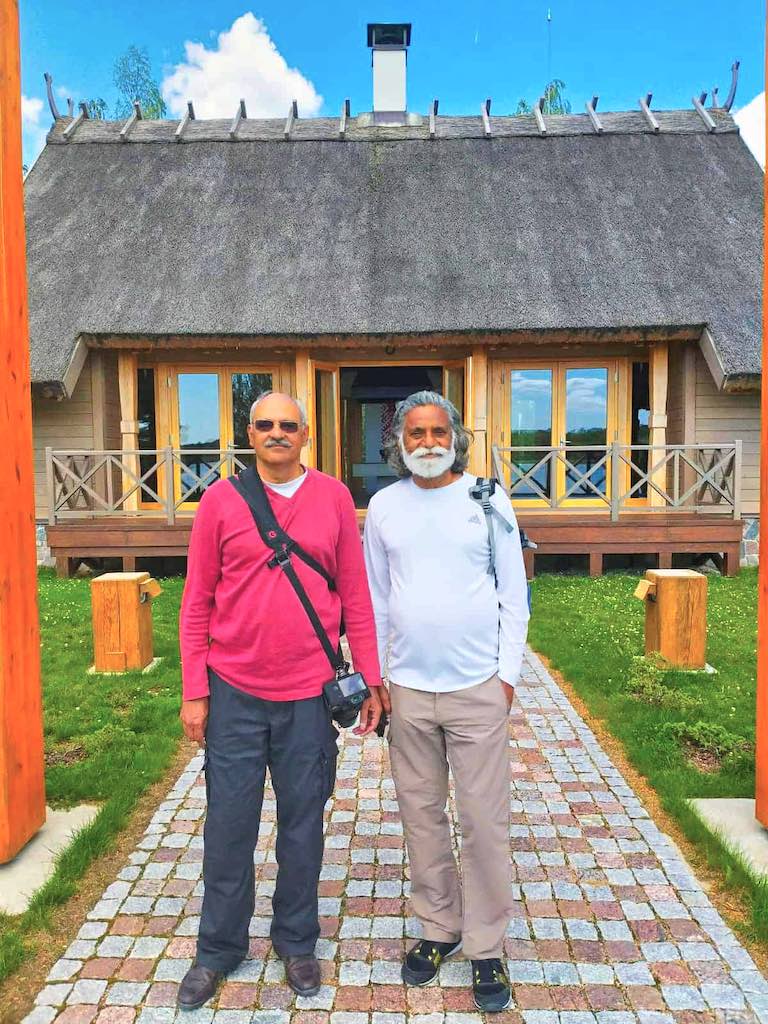
Then we come to the main shrine, which is housed in a thatched hut. Ugis cautioned us that we have to step OVER the threshold while entering the hit, not ON it – followed by a bow! This is strictly followed by all visitors. The wooden pillars in front of the hut have a rhombus on top, representing the sun. The plant stalks engraved below signify four stalks pointing upwards and three downwards – implying more positive thoughts ascending upwards.
A granite fire “kund” in the centre of the hut dominates the interior, with swastikas engraved on all the corners. At the rear also is a large swastika on the wall.
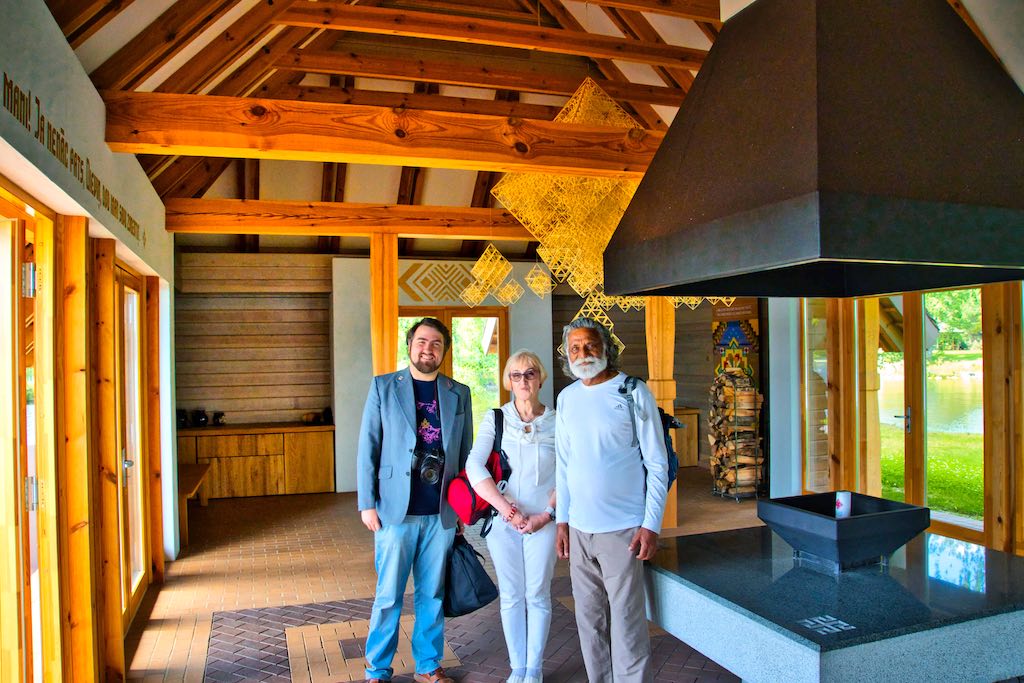
The four corners of the hut are adorned by colourful tapestry woven with religious symbols.
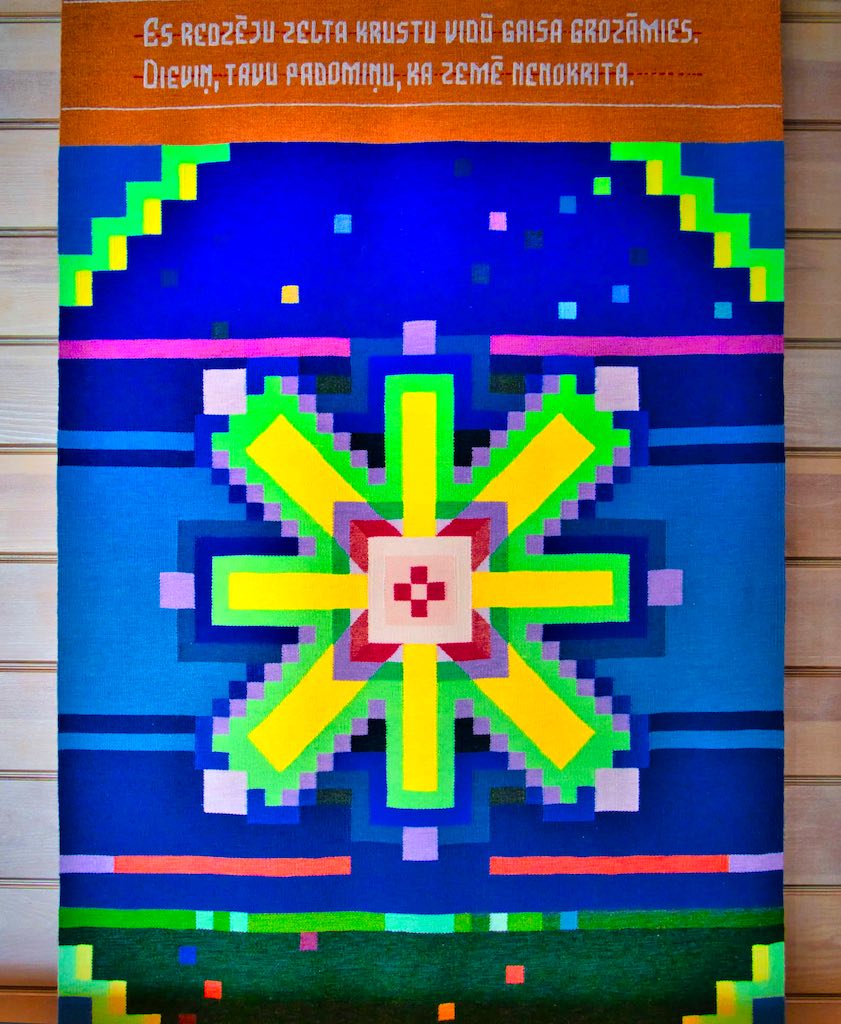
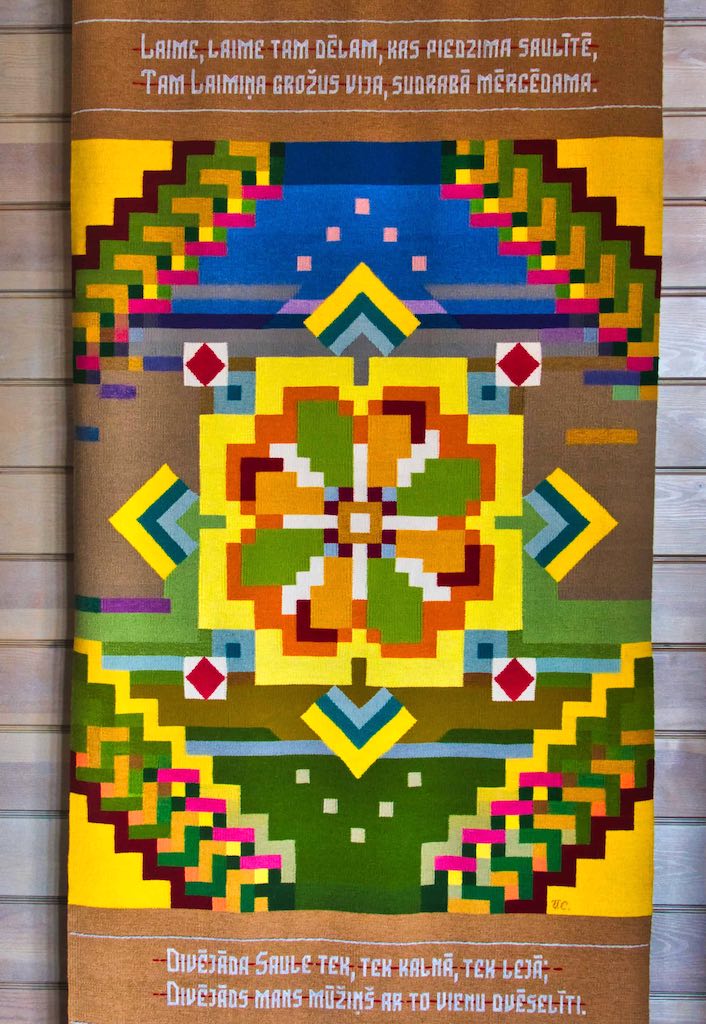
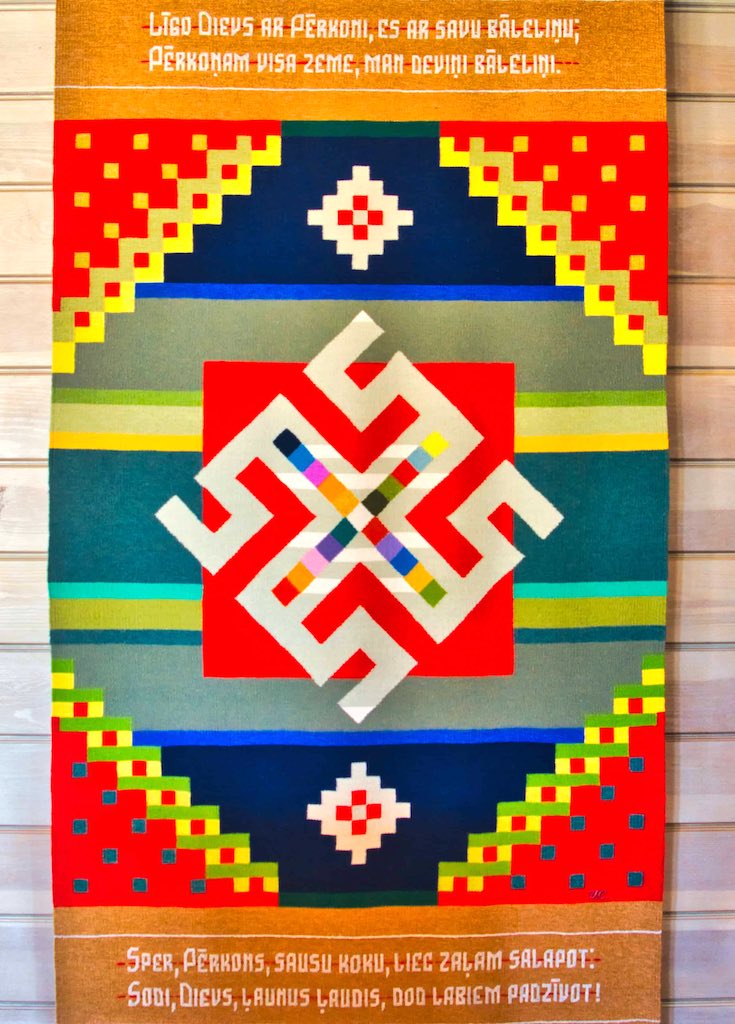
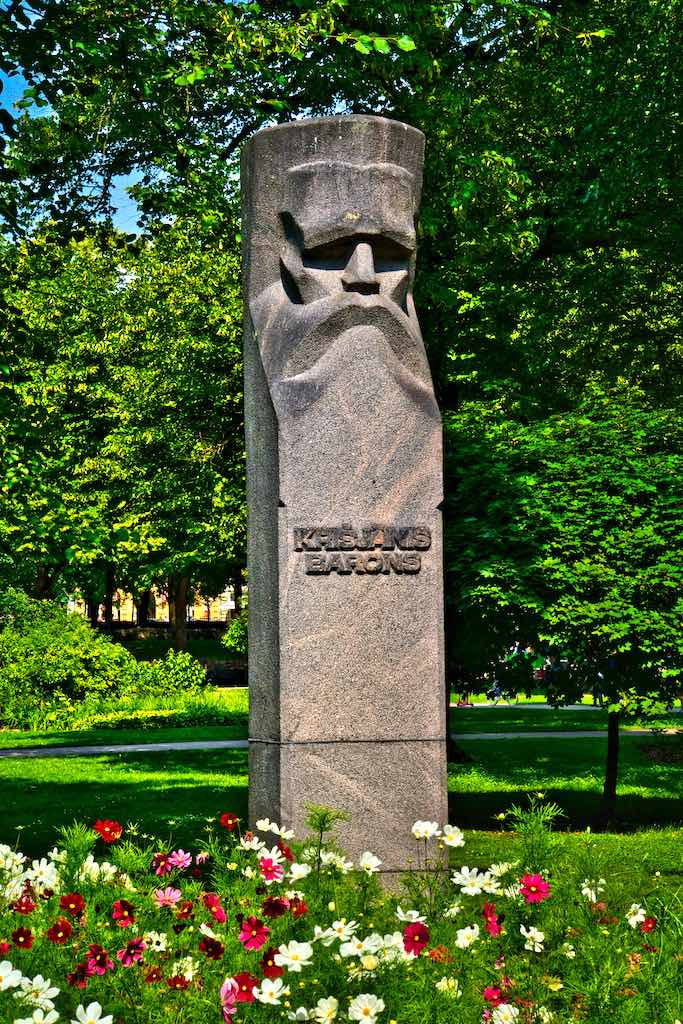
As part of their revival, they have compiled their folk songs and music, till now numbering over 200,000 and published in books called Dianas. The story of how the folk songs of a religion long ‘dead’ – after the take over by Christianity – were compiled is an interesting story by itself. Krišjānis Barons, a folklorist, started acquiring folksongs in 1868 (or 1878) by going from house-to-house, village-to-village on foot, to collect any song which anyone knew.
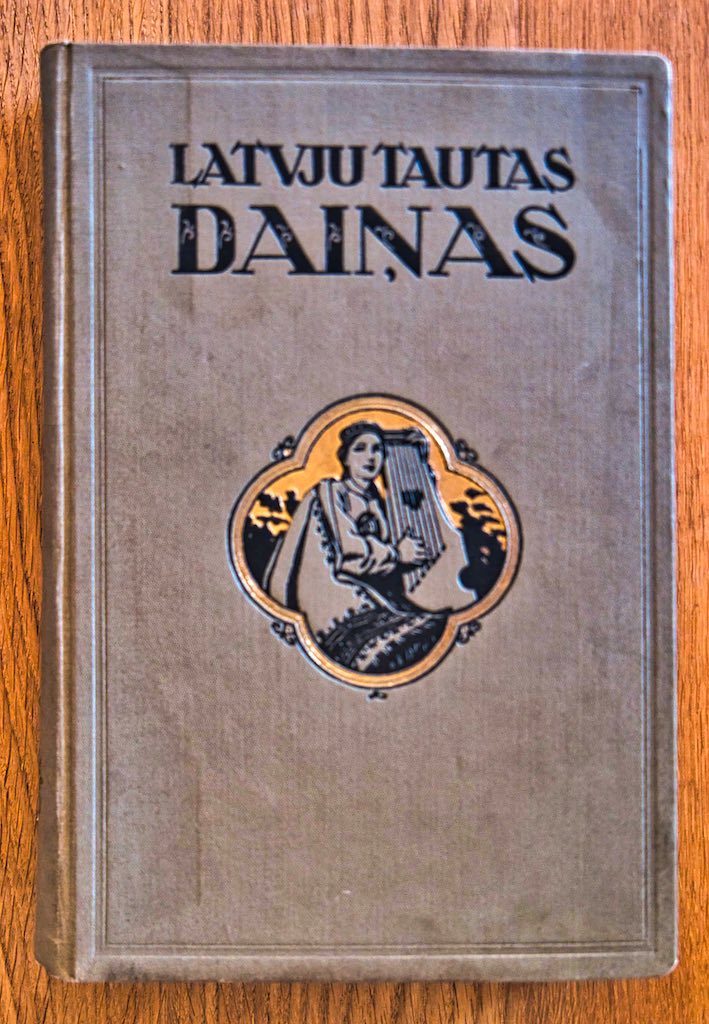
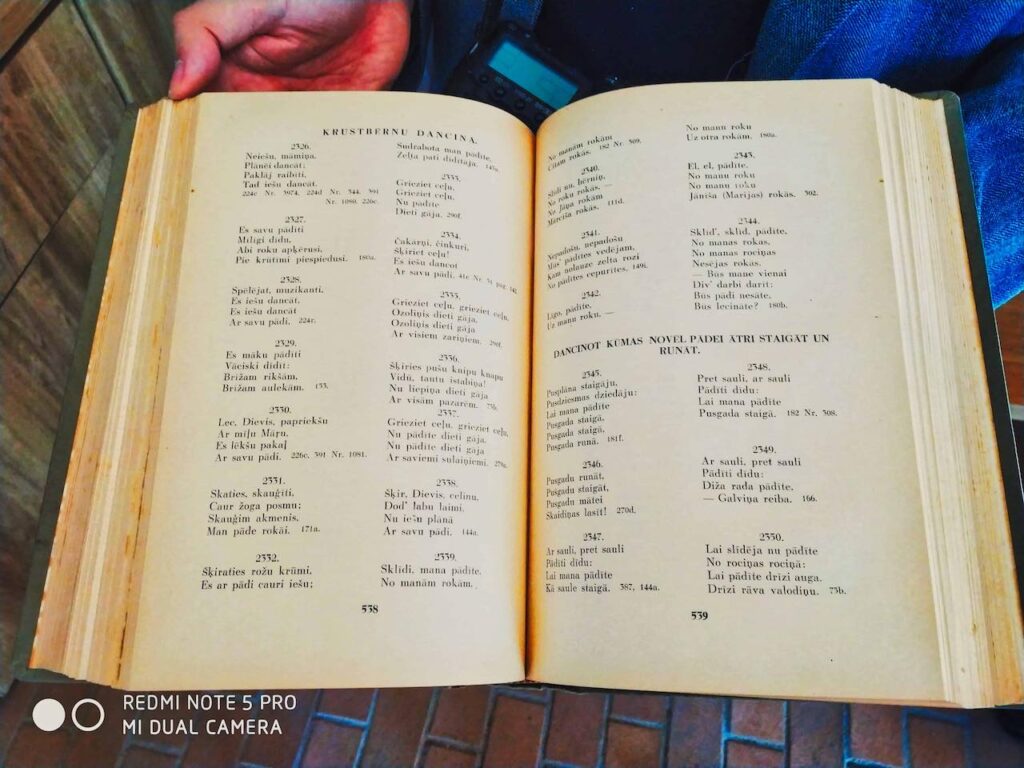
This was with the purpose of demonstrating “that Latvian culture in its oldest part is of equal value as the culture of other nations”. By 1893, he had collected over 150,000 songs by his painstaking labour.
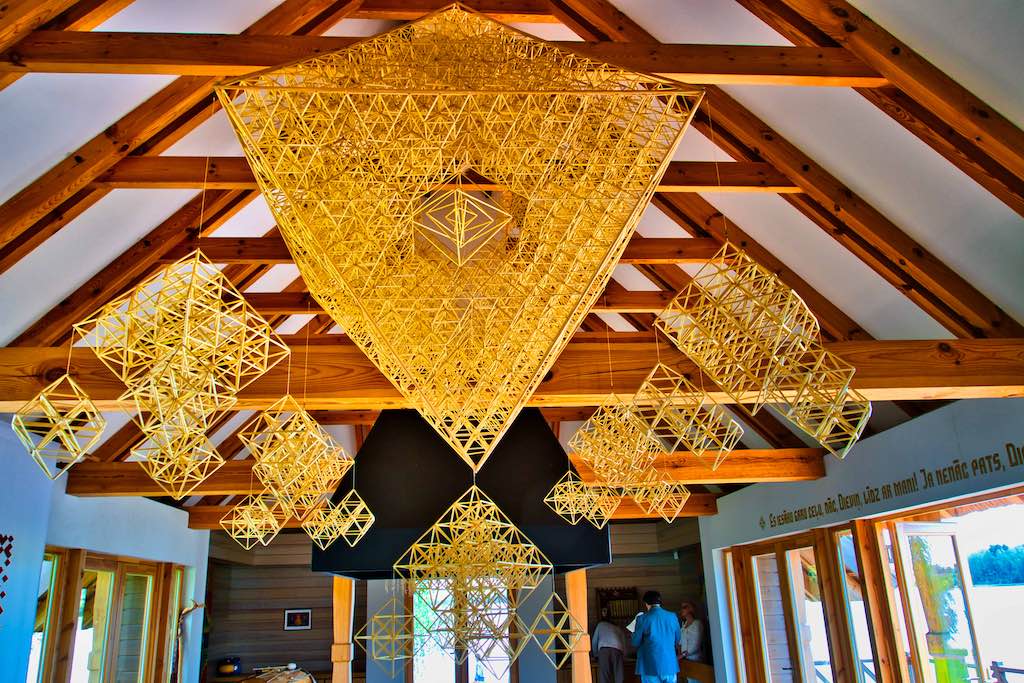
There were two big, and many smaller, complex bamboo artefacts hanging from the roof. They signify the inter-connectedness of everything in the universe. Equivalent to the Indra’s Net in Vedic philosophy.
We then crossed across the highway from the shrine we went to their sacred oak grove – the two trees having a written recorded history since the 13th century, they existed before that too! It was called ‘Ozolu-akmenu-plava’ or ‘Oakstones meadow’.
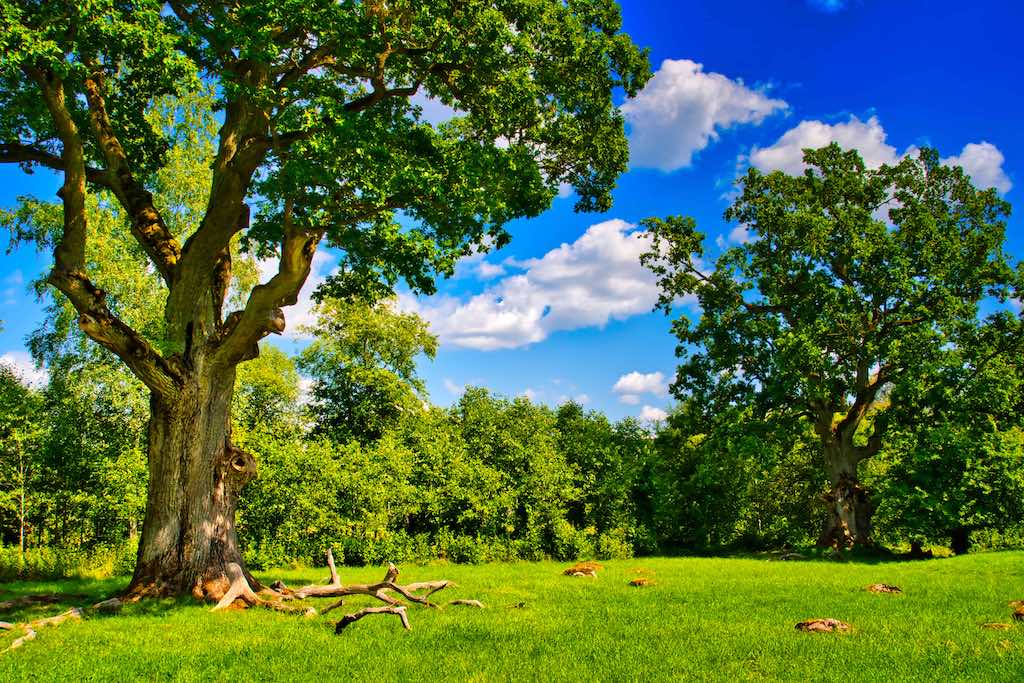
The boulders lying on the ground depicted the constellations as they would have been seen during that period of time. All important rituals are celebrated by dancing around a fire and newlyweds come to tie a red thread around the Oak tree and give offerings like wheat stalks during harvest season.
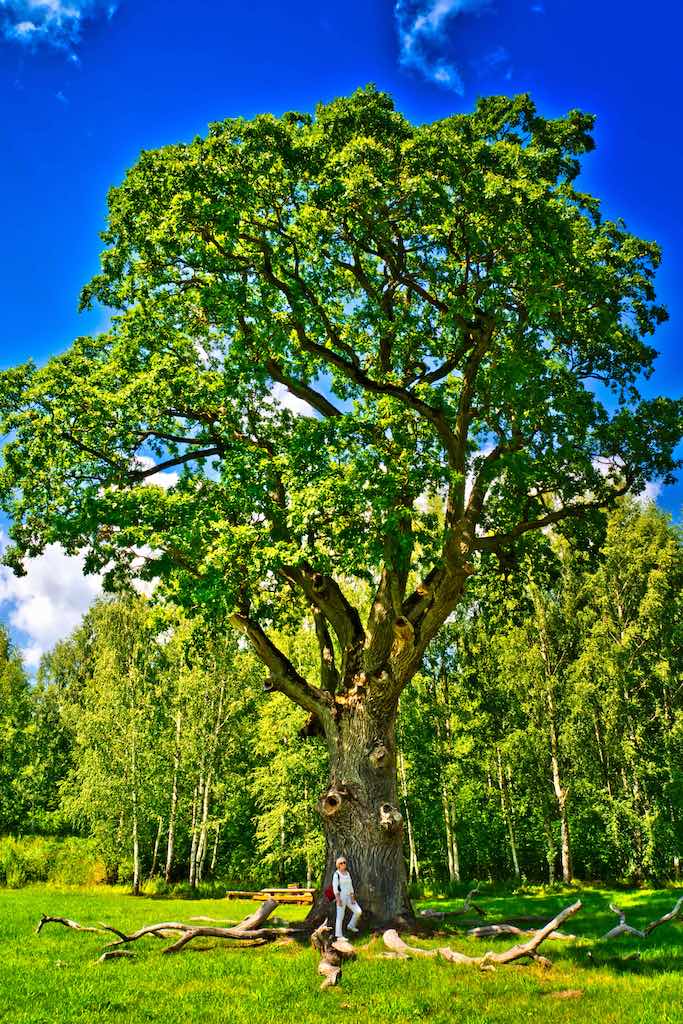
It was an extremely educative visit for us – something we were not aware of. And Ugis was an excellent teacher explaining everything in detail. Soon it was time to return to Riga.
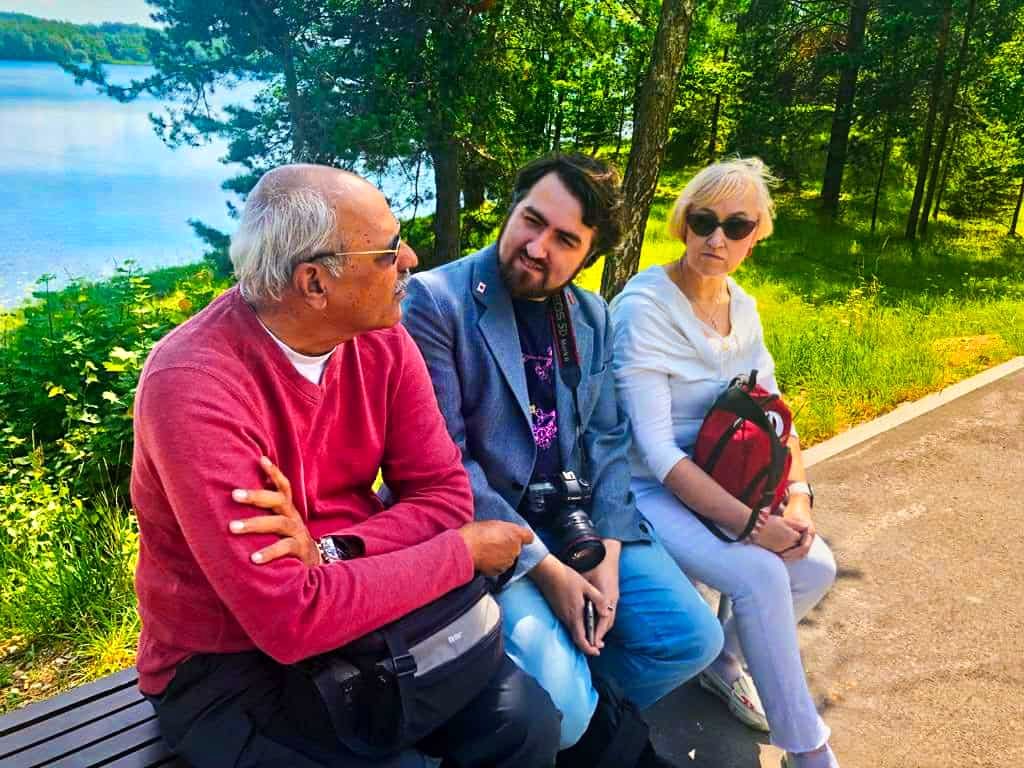
I recently heard a presentation on Dievturiba by Ugis. The link is given below.
.
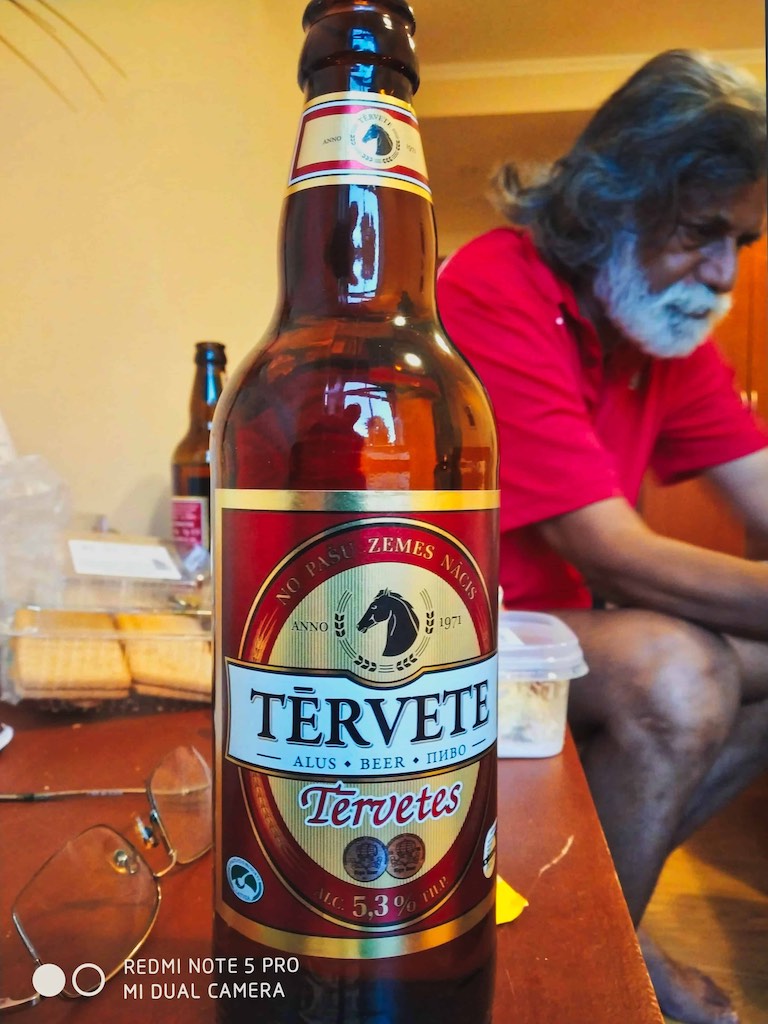
We had to catch a small feeder bus first to the nearest town, from where we caught the bus to Riga, reaching back at 5:30 pm. It had been a long day, so picked up some beer accompanied with bread and cheese for a quiet dinner in the room.
Riga is a treasure trove of the Art Nouveau architecture and it makes up about one-third of all buildings in the old town, the highest concentration of such buildings in the world! Surprisingly, these were built in just a decade between 1904-1914, financed by the rapid economic growth due to it being an important seaport of the Russian empire.
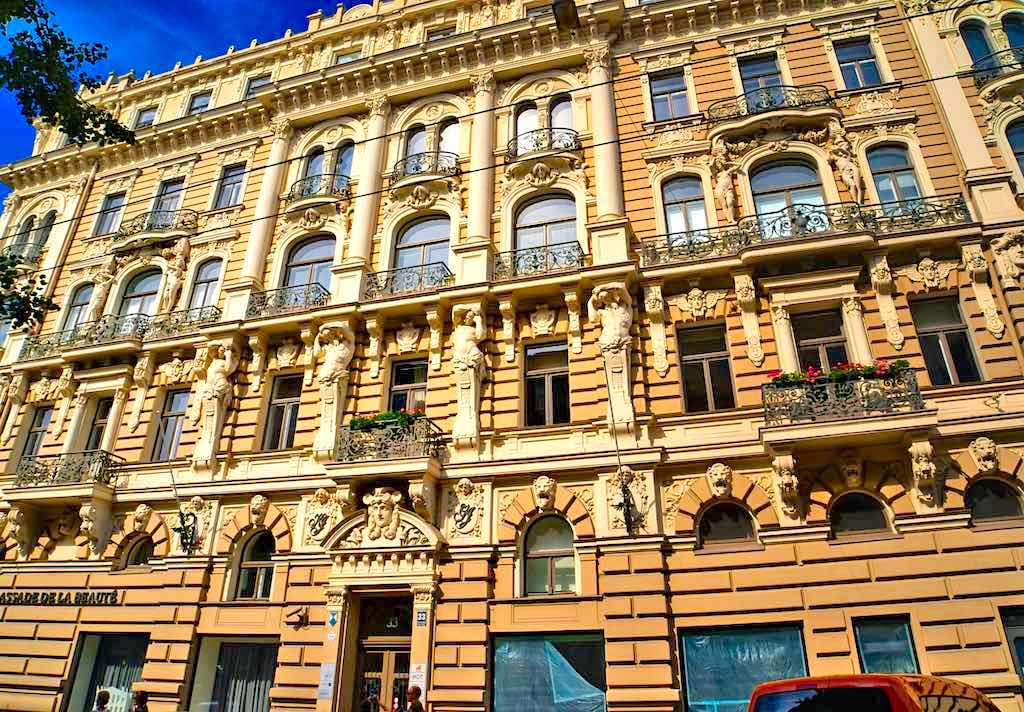
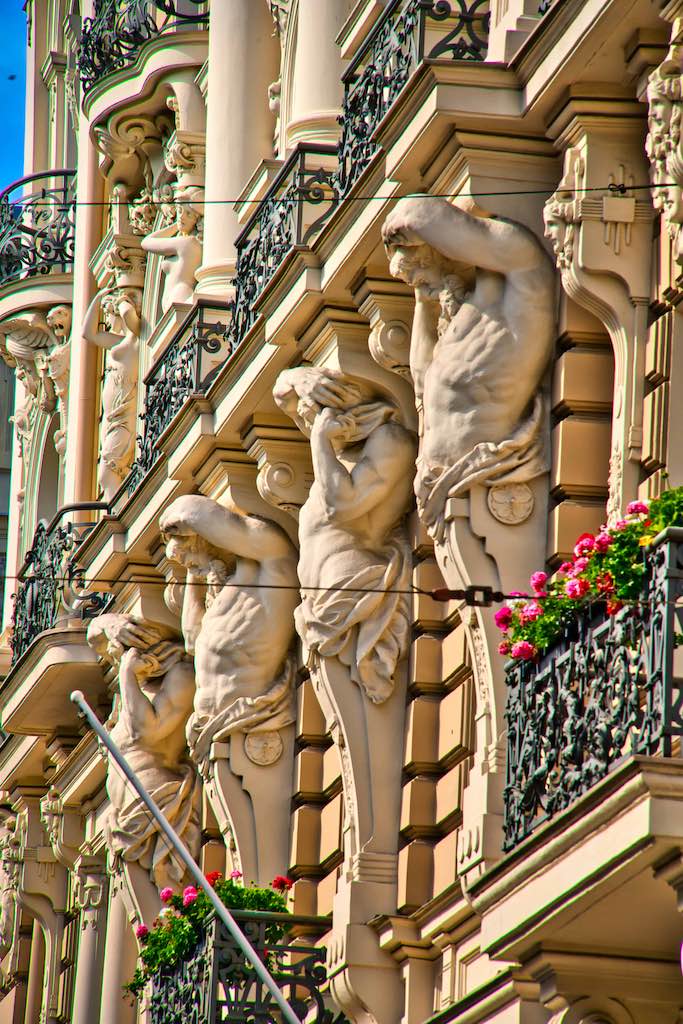
Art Noveau was a reaction to nineteenth-century mass production. Designers emphasized that every house and object should be a work of art. During that period roughly 300-500 new buildings were constructed every year!
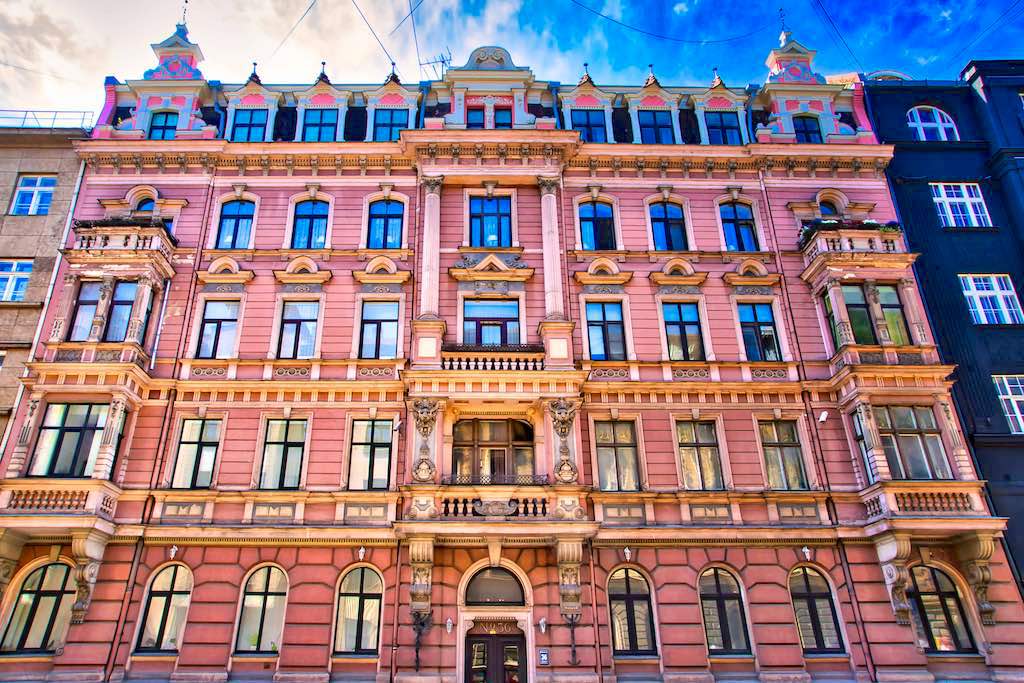
We discovered that Riga had free walking tours, generally half-day, which covered various themes. We joined one for a tour of the Art Nouveau district and it was a visual treat to walk through the District and admire the architecture and visualise the frantic construction activity which would have taken place to build at the phenomenal rate it was carried out!
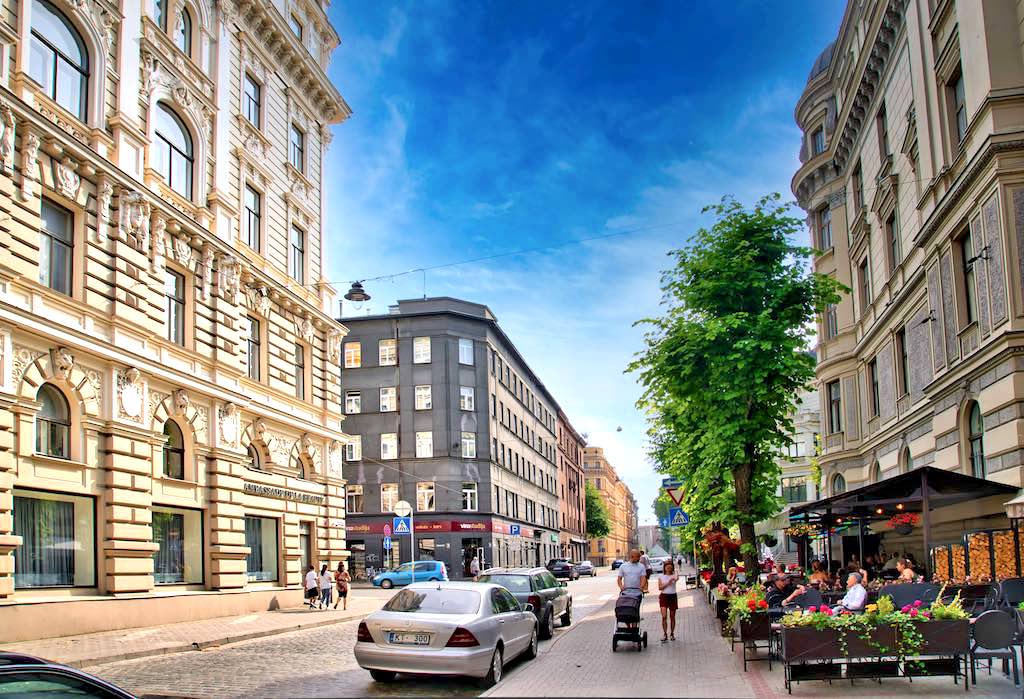
To cater to this building boom, the city walls and fort were pulled down and the city was expanded beyond the Old Town.
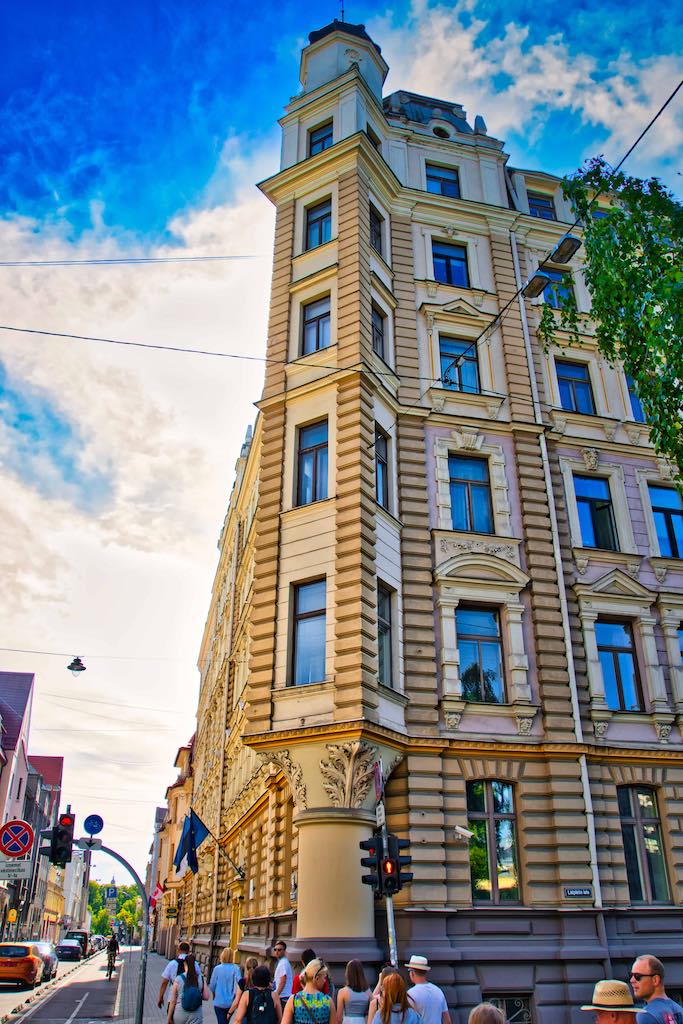
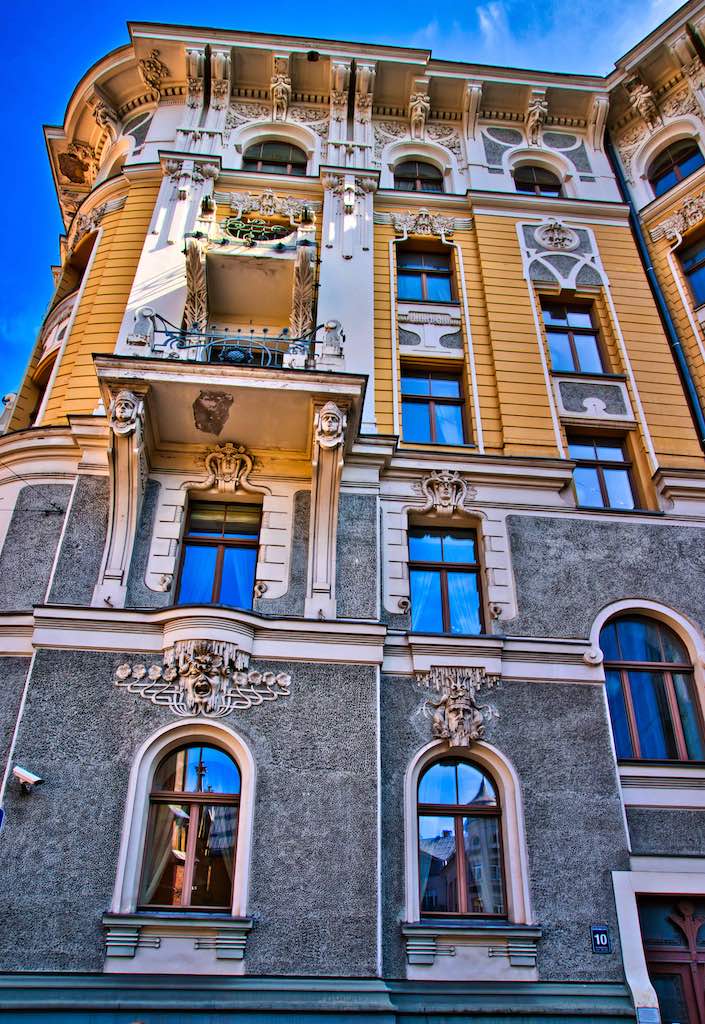

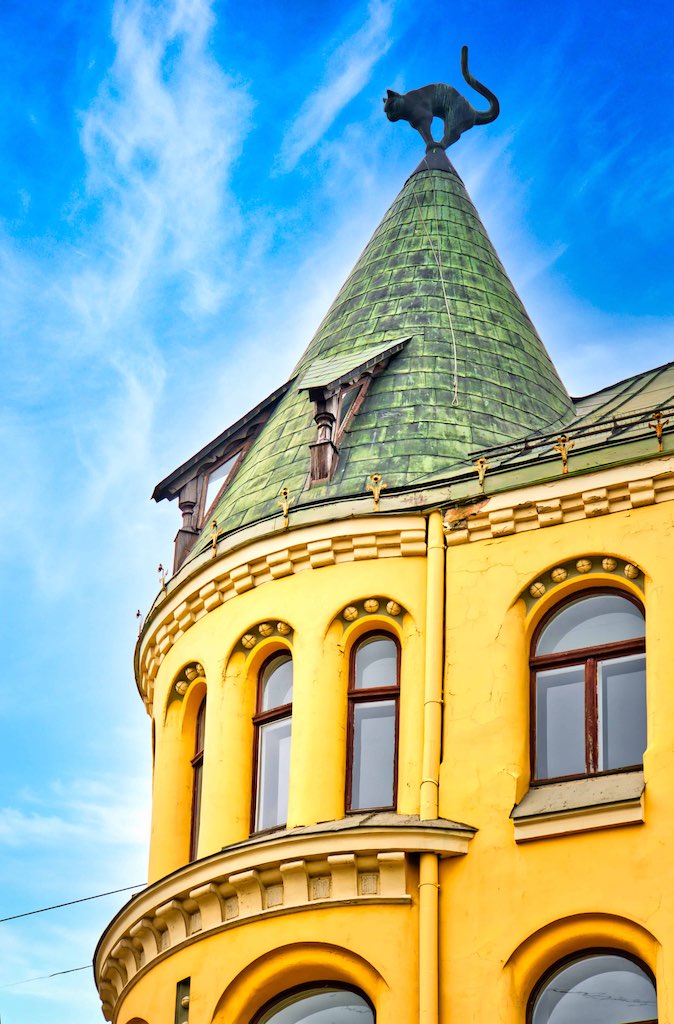
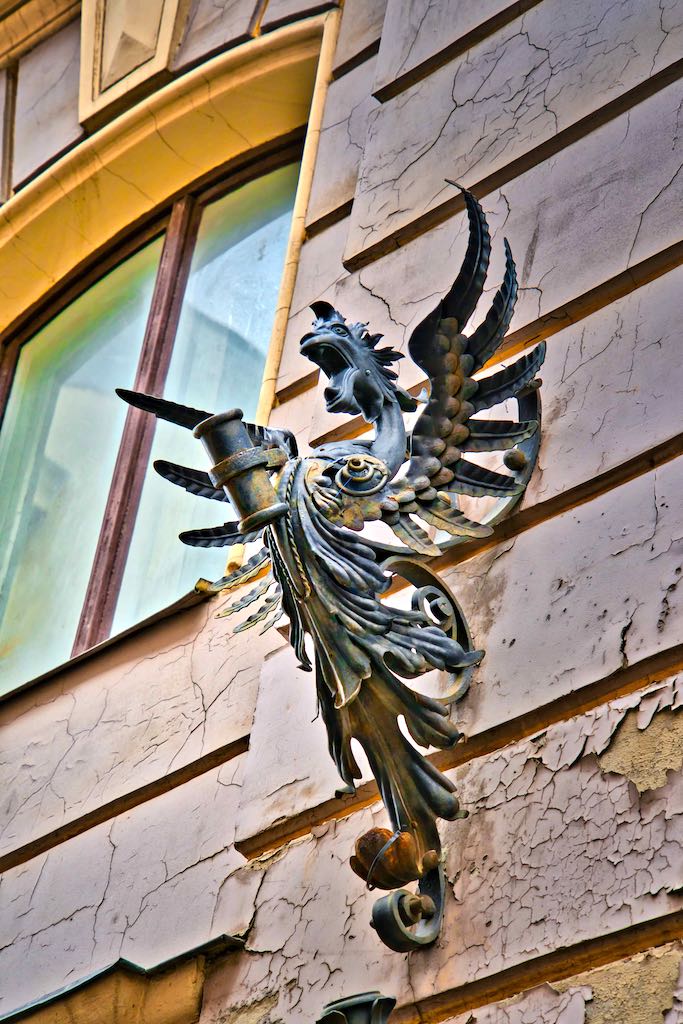
The main street for Riga’s Art Nouveau district is Elizabetes, which intersects Brivibas Boulevard. In addition to Elizabetes Street, Alberta and Strelnieku Streets also feature impressive examples of the style.
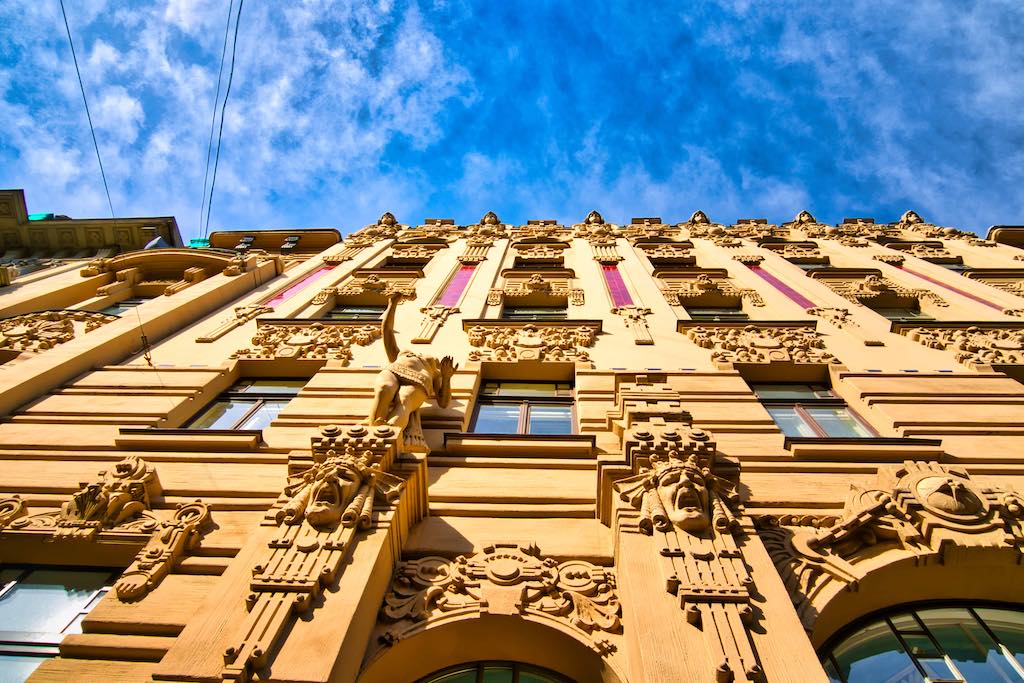
Swastika is an important sacred symbol of all the pagan religions, as it is with Hinduism. Despite the takeover of Europe by Christianity, the ancient beliefs remain and express themselves in subtle ways. Marking buildings with the sacred symbol for good luck was one way. It was visible on many.
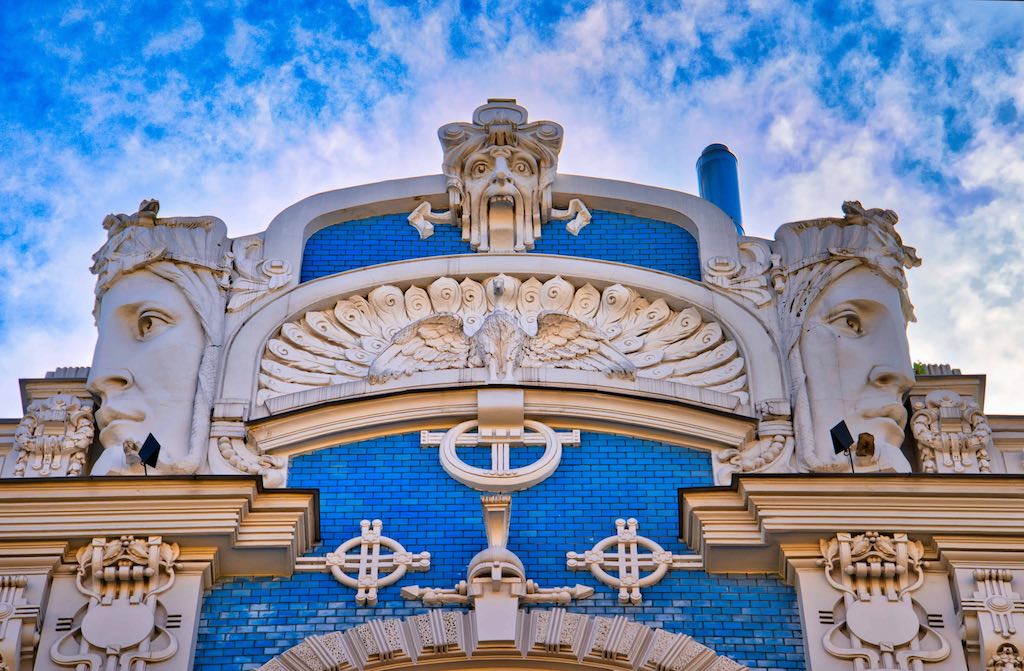
The characteristic elements of these buildings were the dynamic, undulating, and flowing lines and geometrical ornaments.

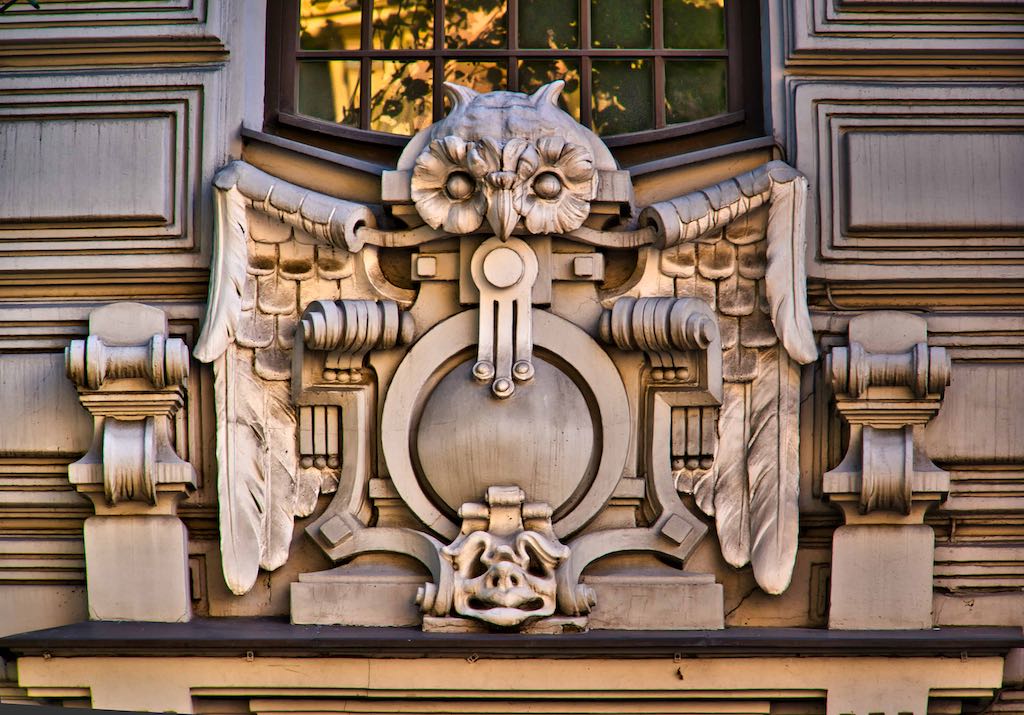
Adherents of the Art Nouveau favoured artistry above all else – the intricate and elaborate creations of the human mind and its infinite capacity for imagination.
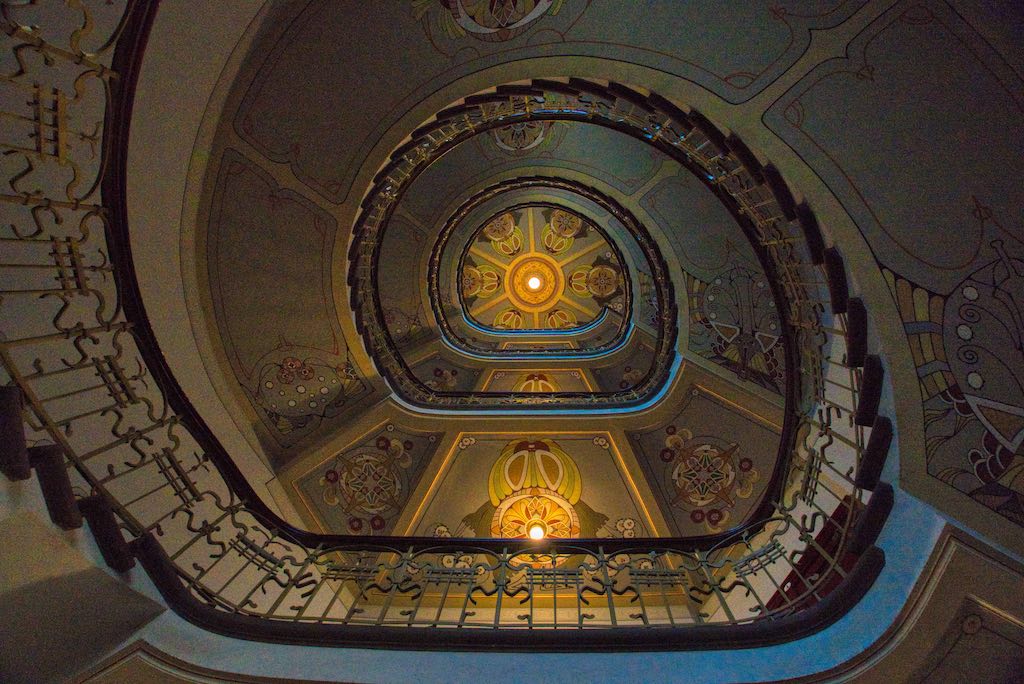
Churches are not only dominant in the panorama of the city of Riga, but also embody the suggestive breath of history and diverse cultural heritage of the city. As with the other cities we visited, there is a preponderance of churches, all having beautiful architecture. We visited quite a few, each better than the last and being a part of another free-walking tour we joined, these visits were very educative as well. The hour and forty-five minute long walk took us to the major churches in the city.
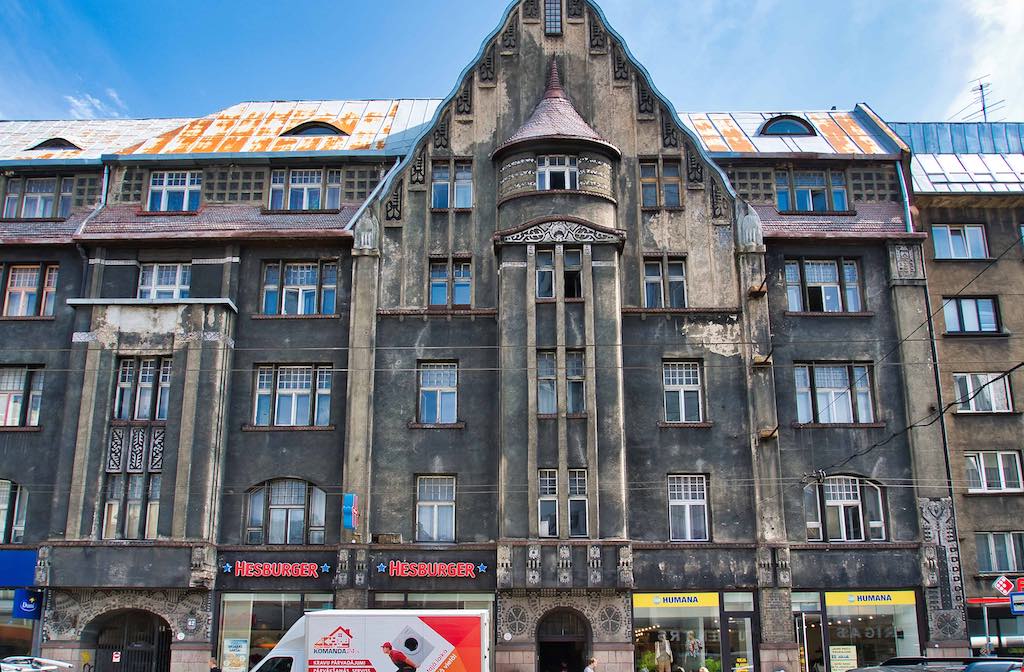
Despite the advent of Christianity across these areas, the subconscious longing for the pagan belief never died, even after centuries. And it crops up often in a mix of traditions since the adherents have continued with both belief systems, especially in these Baltic countries. Which is now spurring their growing popularity.

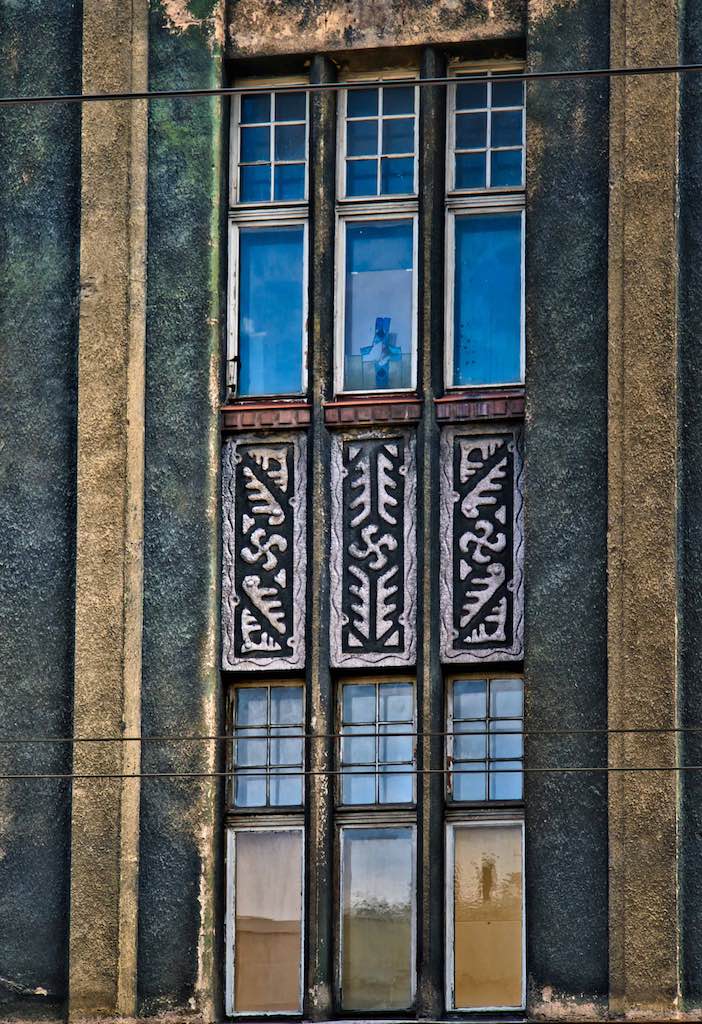
One such tradition is incorporating pagan symbols in their architecture, commonly seen in the Art Nouveau facades. This is done with the belief that the symbol will give protection from evil.
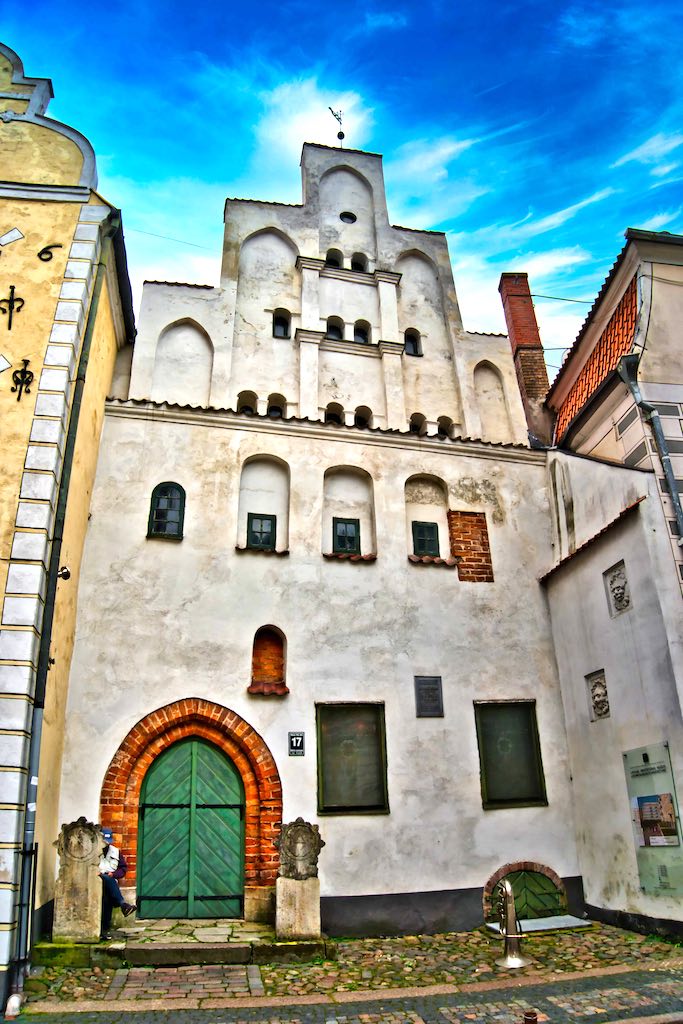
The Three Brothers is a building complex consisting of three houses, which together form the oldest complex of dwelling houses in Riga. Each house represents various periods of development of dwelling house construction. The building in 17 Maza Pils Street is the oldest, dating from the late 15th century. The exterior of the building is characterised by crow-stepped gables, Gothic decorations and a few early Renaissance details. Originally the building consisted internally of one large room and an attic used for storage. The neighbouring house, 19 Maza Pils Street, has an exterior dating from 1646, with a stone portal added in 1746. The style of the building shows influences from Dutch Mannerism.

The last house of the three, located in 21 Maza Pils Street, is the narrowest Baroque building which gained its present look probably during the late 17th century.
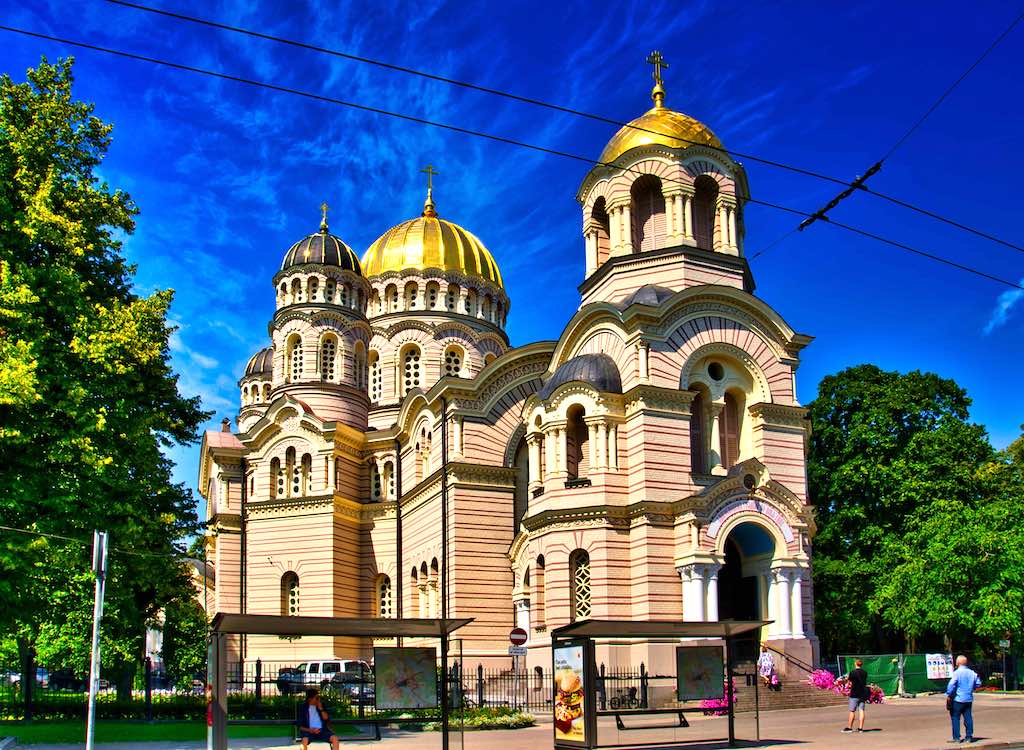
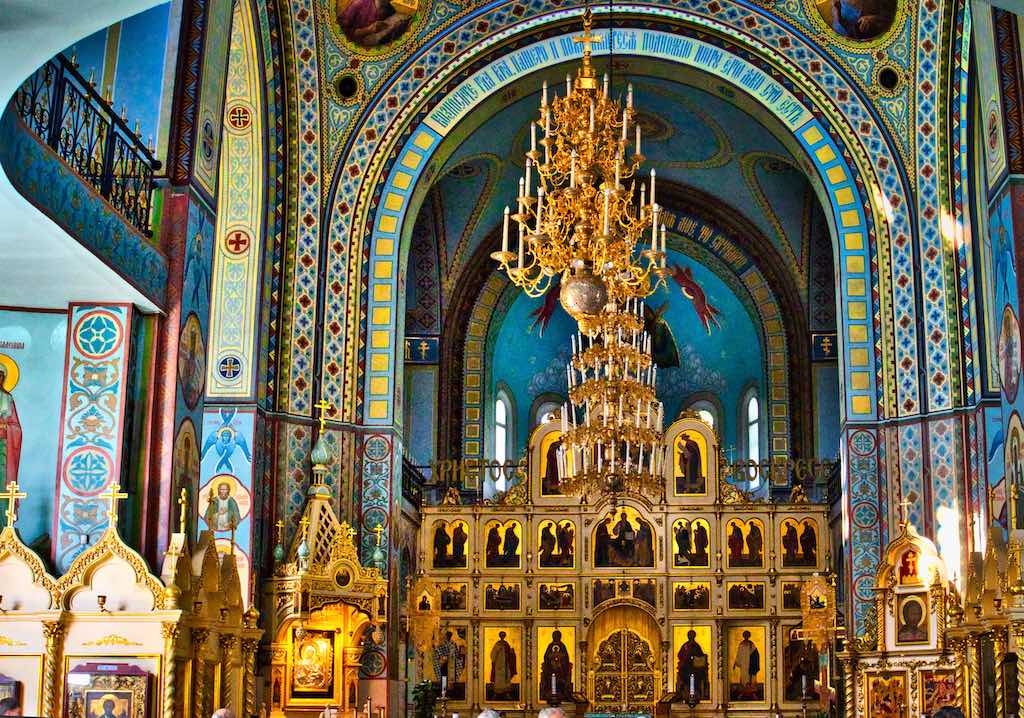
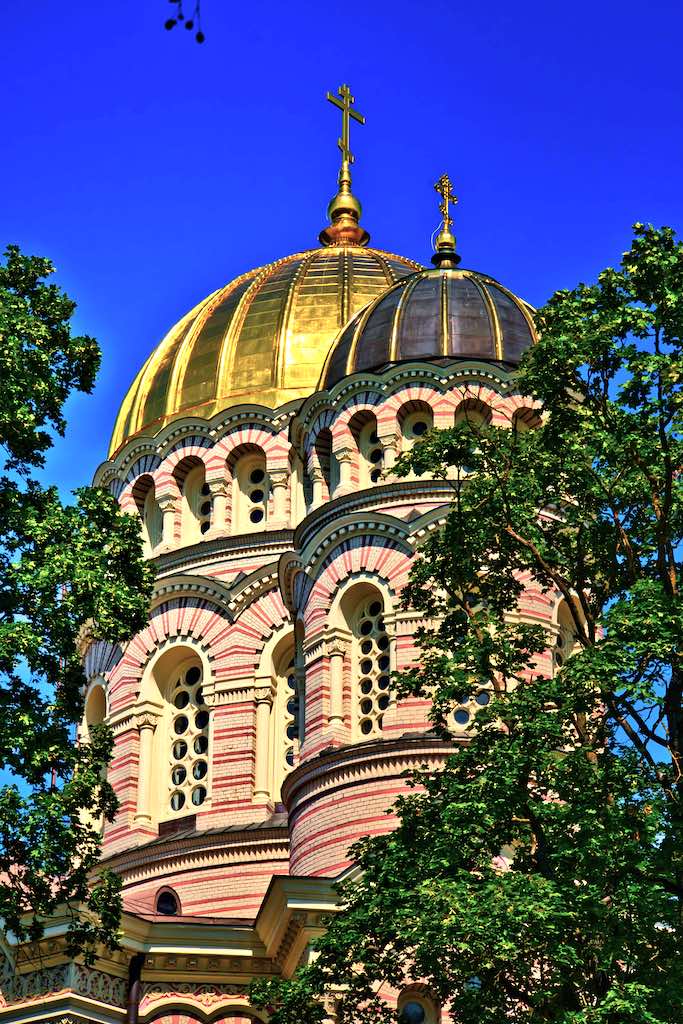
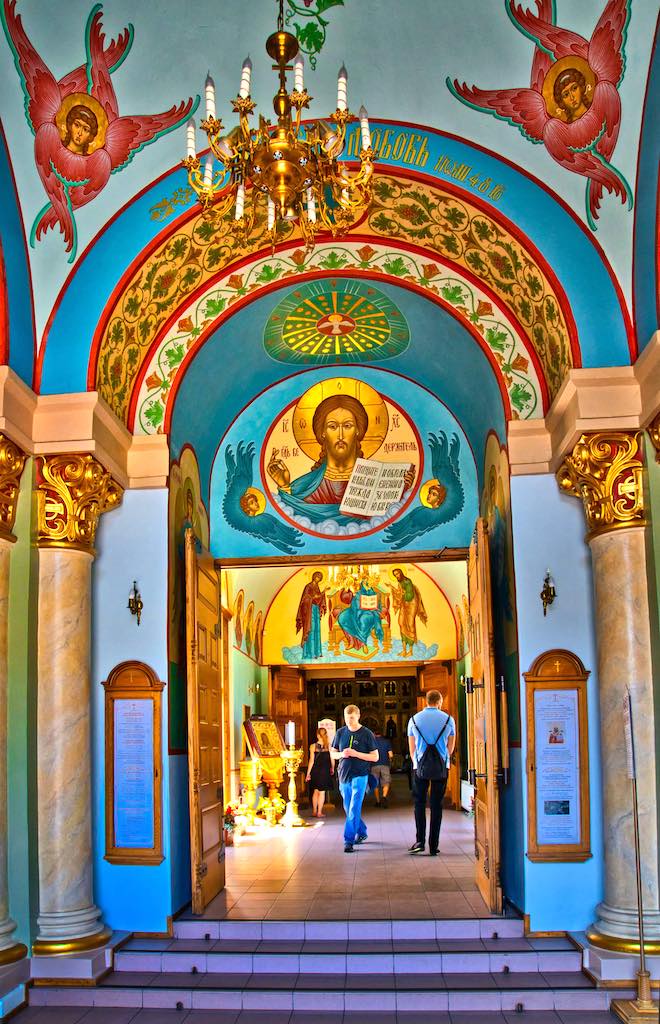
Riga’s Nativity of Christ Cathedral is the biggest Orthodox church in the city. Having served as a planetarium and a restaurant during the Soviet Era when even the bells were melted down, the building has been completely restored as a church and holds regular Orthodox services.
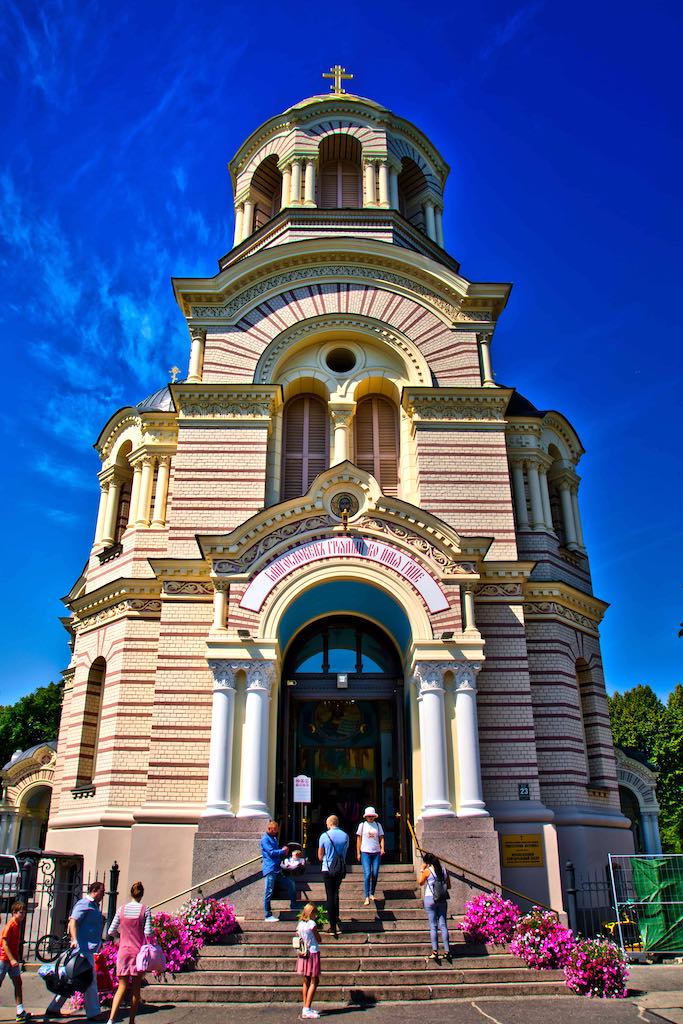
During the period under Soviet occupation, in order to stymie the importance of faith and religion churches were often used for other purposes, for instance, the Church of England Congregation of St. Saviour’s housed a student club, whereas many other church buildings were used as warehouses.
St.Peter’s Church dominates the cityscape as the tallest spire, and as one of the oldest and most valuable monumental architecture edifices in the Baltic States from the Middle Ages. St.Peter’s is the tallest of the Riga churches, a significant landmark, and a prime example of the 13th century Gothic style. The towers provides an excellent panoramic view of the city.


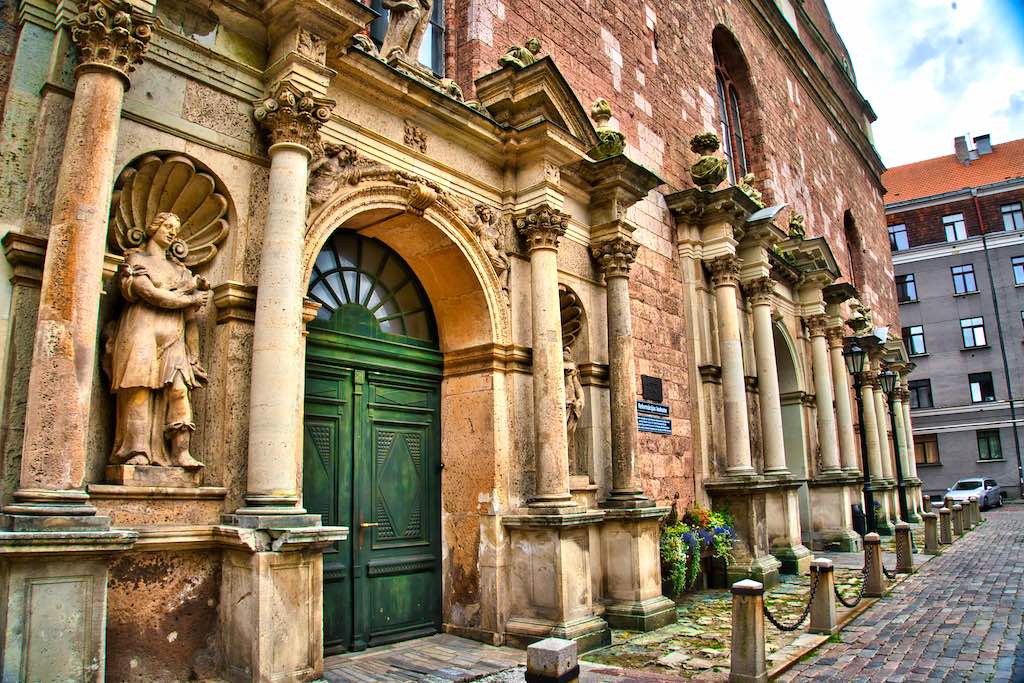
The next church we visited was the splendid Eclectic and Neo-gothic-style Old St. Gertrude’s Church, one of the rare churches in Riga which is located outside Old Town. Mostly patronised by the local ethnic German community.
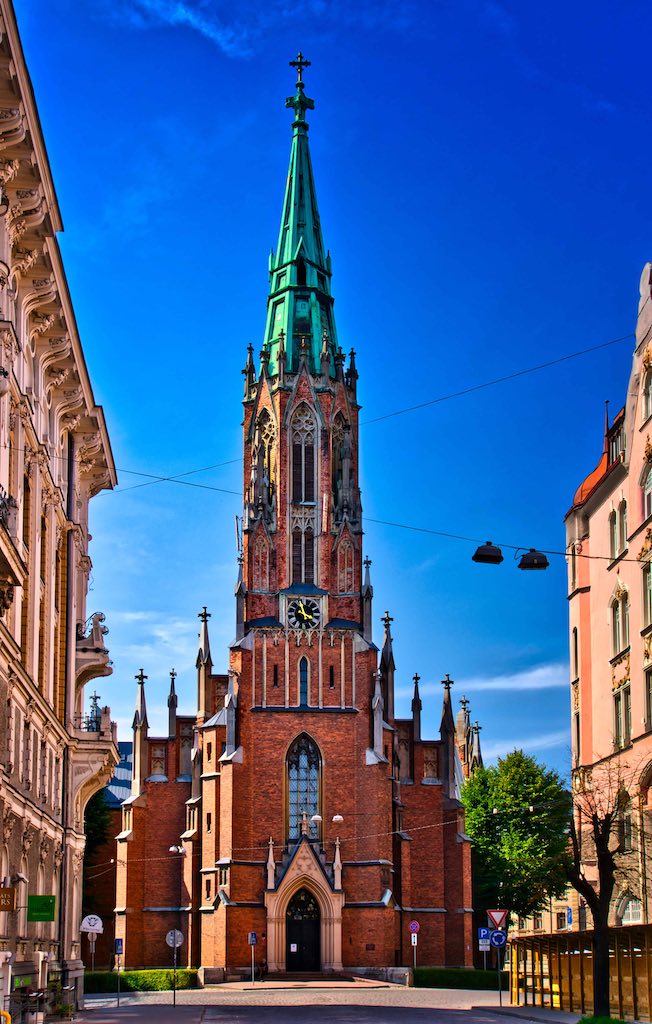
It displays the architectural elements particular to its style – portals, eaves, belfry ornamentation. The church has the unique distinction of have been razed to the ground and re-constructed seven times!

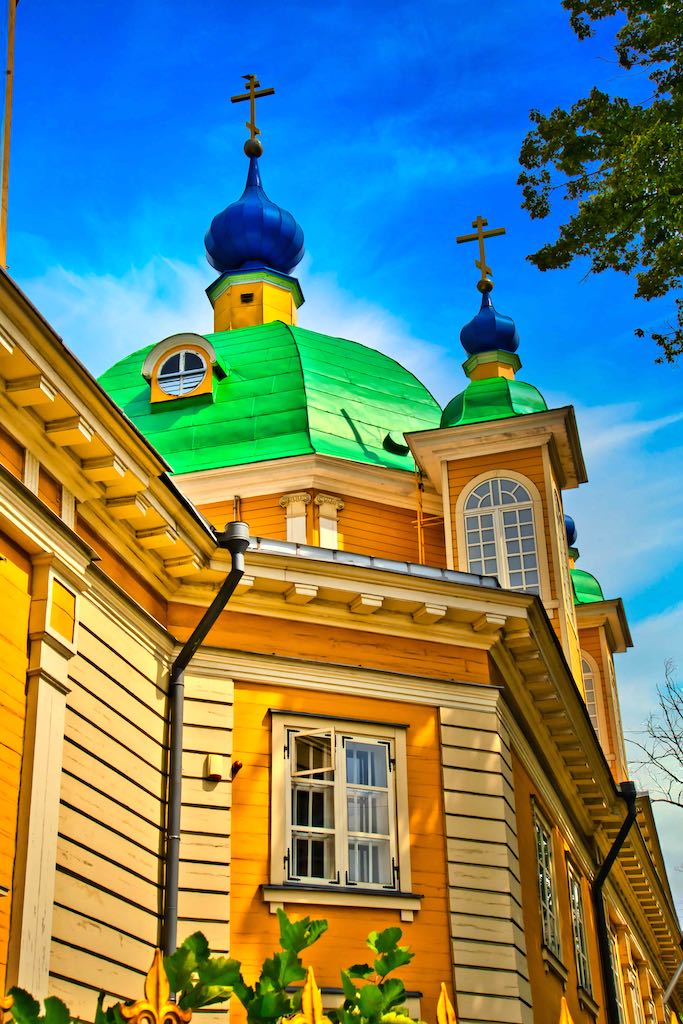
The church of the holy and right-believing Grand Prince Alexander Nevsky in Riga is a unique wooden architecture structure of the first quarter of the 19th-century, as well as one of the most honoured and cherished orthodox churches in Riga. The church, a UNESCO World Heritage site, is a classic-style building, surrounded by rotunda columns, is considered a true architectural masterpiece
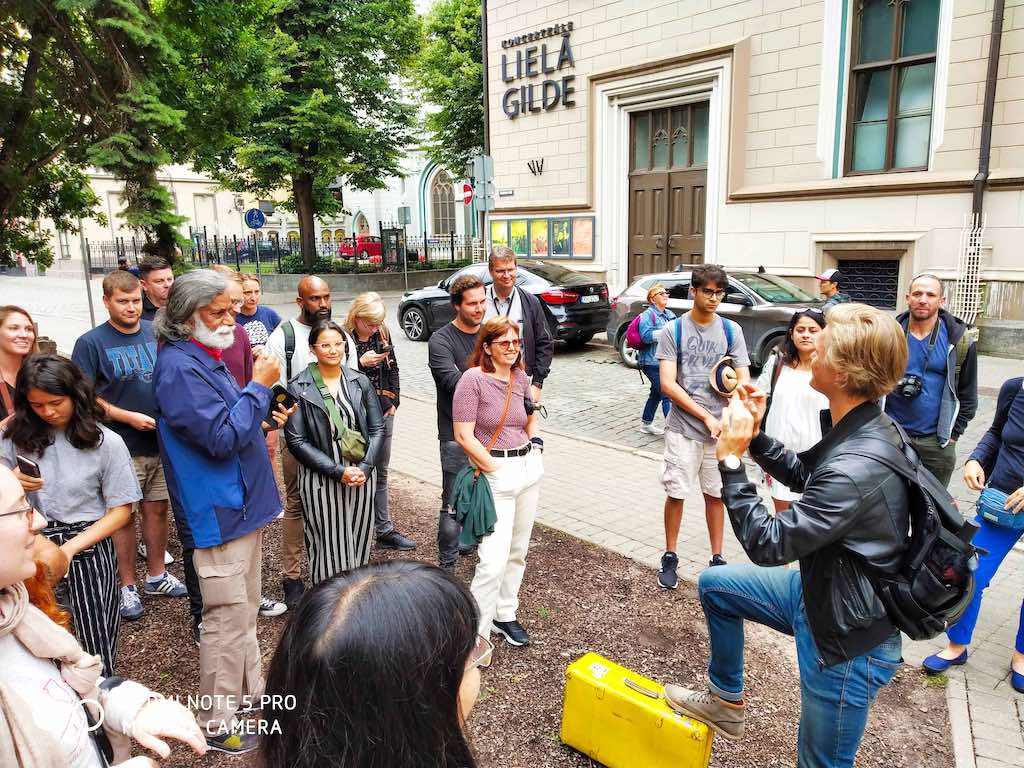
What we discovered during our walking tours is that the guides are providing voluntary services and hence they do look forward to tips at the end – but that too is purely voluntary! They are registered and had excellent knowledge of the history and stories about the places visited.
Most European cities have their own ghetto, Riga was no exception. The Nazis constructed a ghetto after occupying the country and forced jews into it. However, to accommodate more jews from other countries, the 35,000 “domestic” Jews were massacred by shooting them in two days! Out of the total of over 110,000 jews interned in the ghetto during the War, only about 300 survived by the end of the War!

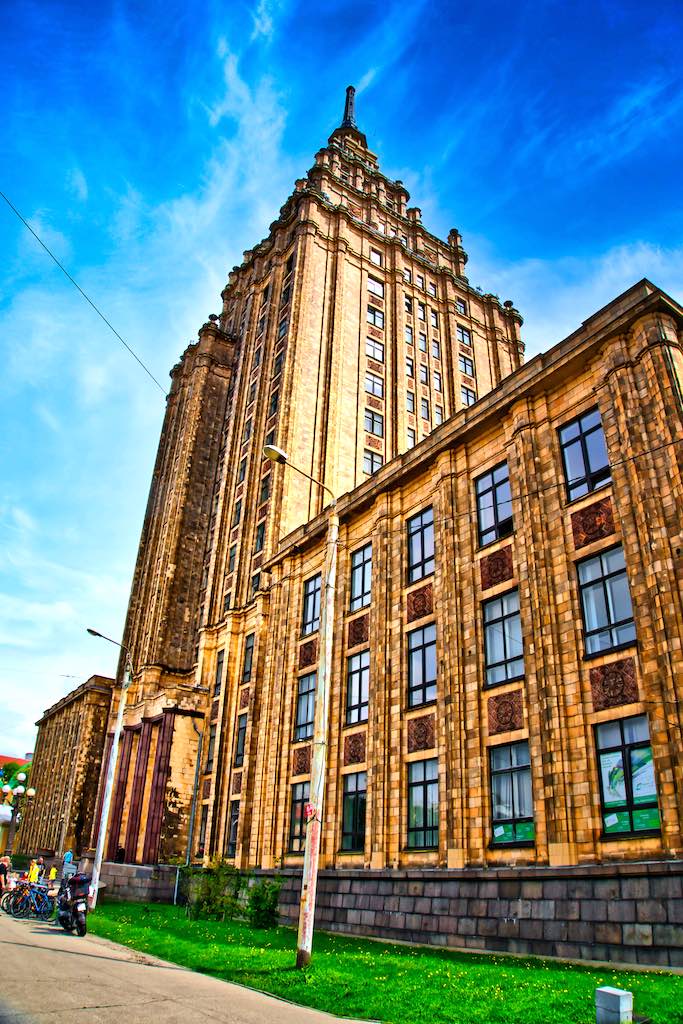
Some of the original wooden hutments comprising the ghetto survive till today and are preserved as a reminder. One of them can be seen in the photo. The classical communist-era skyscraper housing the Academy of Sciences can be seen in the background. There is an interesting story about the skyscraper – it was constructed to be a gift for Stalin, who however, expired

The skyscraper is a cousin to similar Stalin-era skyscrapers, which were representative of what became known as Stalinist architecture (sometimes referred to as Socialist Classicism). The architecture of the skyscraper resembles many others built in the Soviet Union at the time, most notably the main building of Moscow State University. Standing at 354 feet, in its time it was one of the highest reinforced concrete buildings in the world.
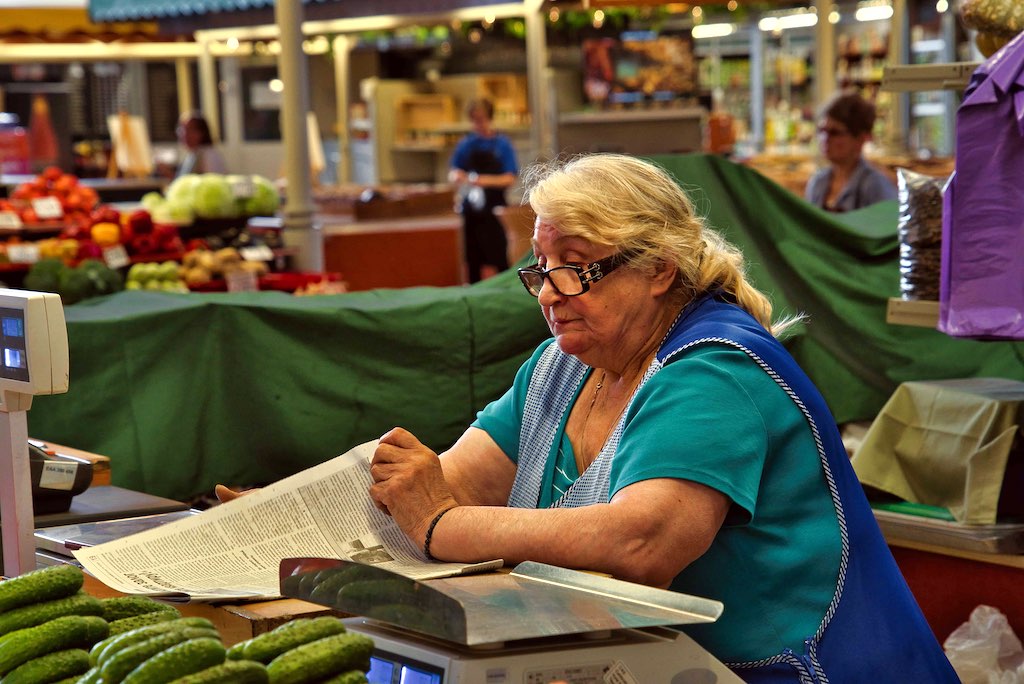
One of the notable sights of Riga was their Central Market, Europe’s largest market and bazaar! Originally Zeppelin hangers built after World War I, four such hangars (out of only nine remaining in the world) have been converted into the market with a daily footfall of about 70,000.
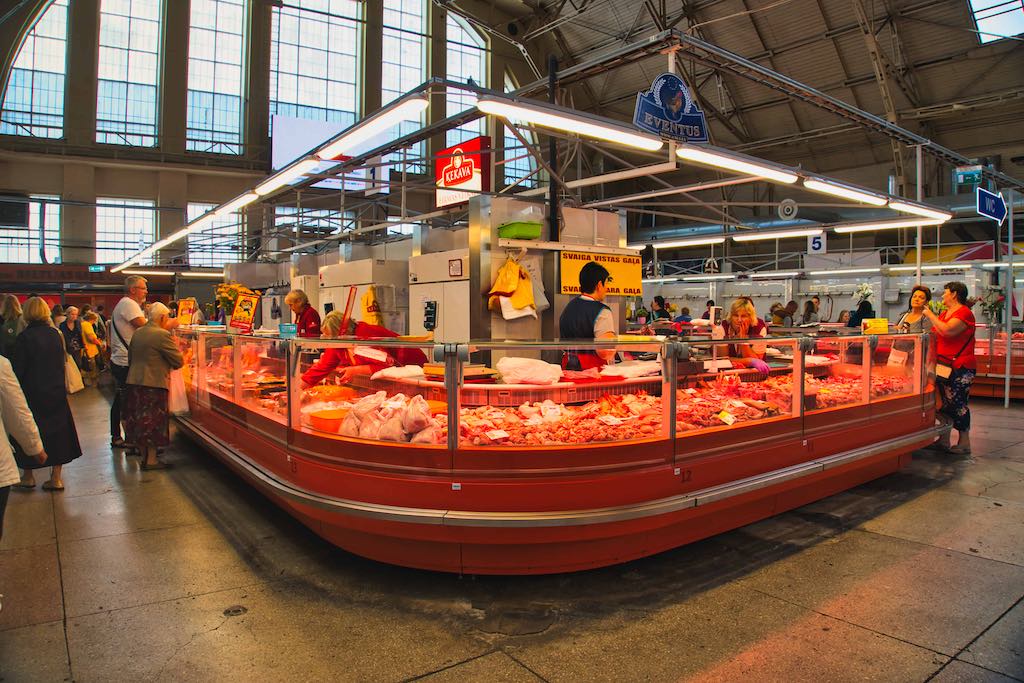
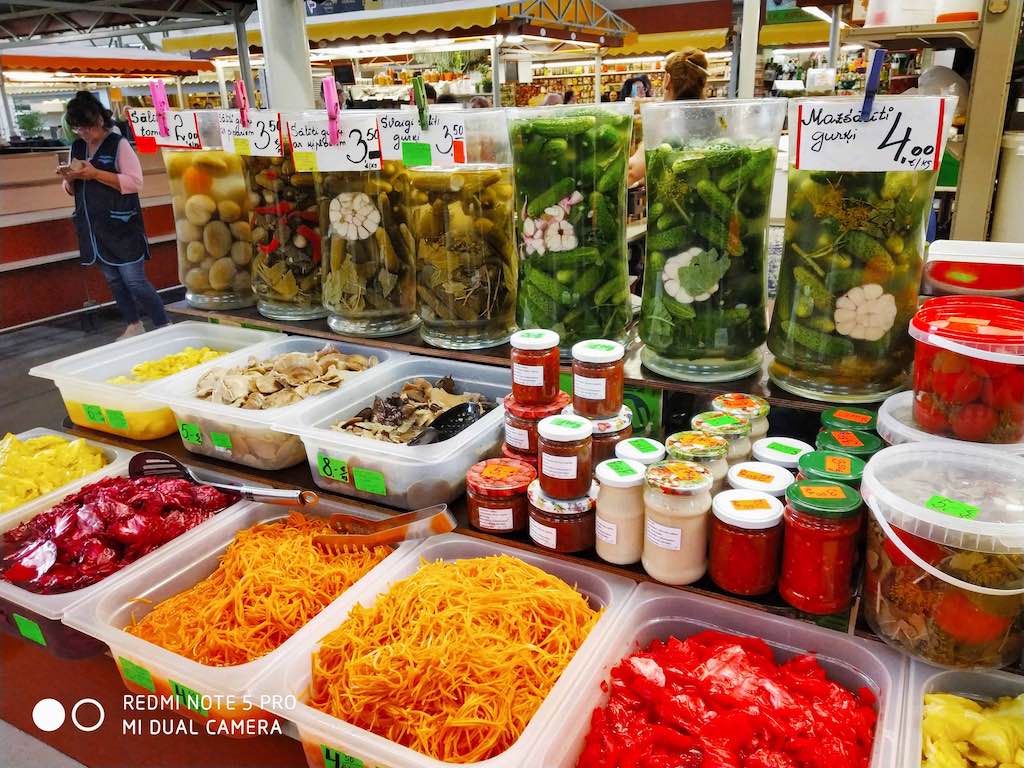
A huge variety of almost everything is available here, with the non-vegetarian items occupying most of the space. Interestingly, everything in pickled form is available, a carry-over from earlier times when only these items could last the long, harsh winters of this region.

The final stop of our Alternate Riga Walking tour was the Freedom Monument. The 47.2-meter granite and copper monument in the centre of Riga symbolises Latvian statehood, national unity, independence and freedom. The three golden stars at the top represent Latvia’s historical regions of Kurzeme, Vidzeme, and Latgale – out of which one has been lost to Russia since.
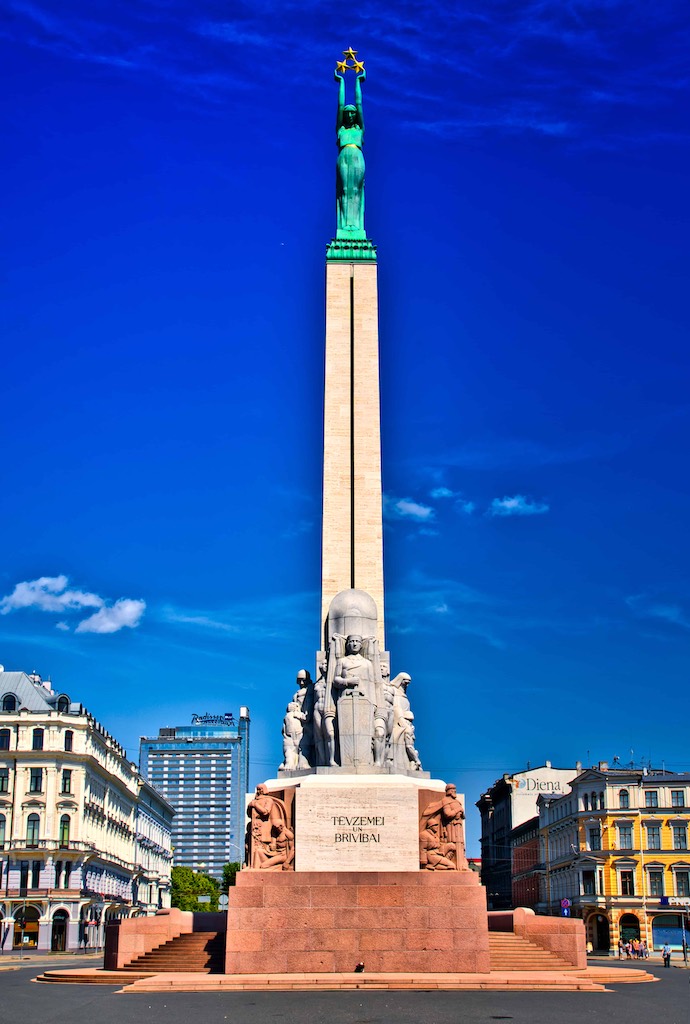
The motto “For the Fatherland and Freedom” is inscribed on the base. It was unveiled on 18 November 1935 and financed entirely from public donations. The 56 sculptures, arranged in four levels, depict significant events and personalities from Latvian history.
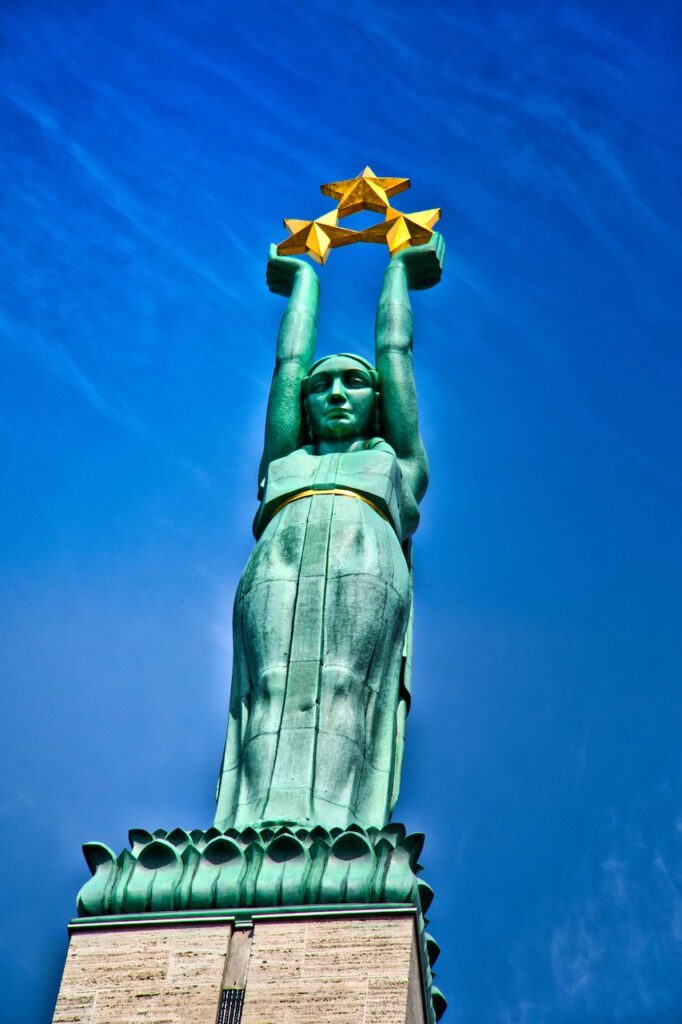
The monument was one of the few structures which survived the Russian occupation of the country between the two world wars because they feared the strong local sentiments attached to it. However, the Russians changed the narrative of the woman and the three stars – proclaiming that it represented Mother Russia, holding together the three Baltic states (all of which were under Russian occupation)!
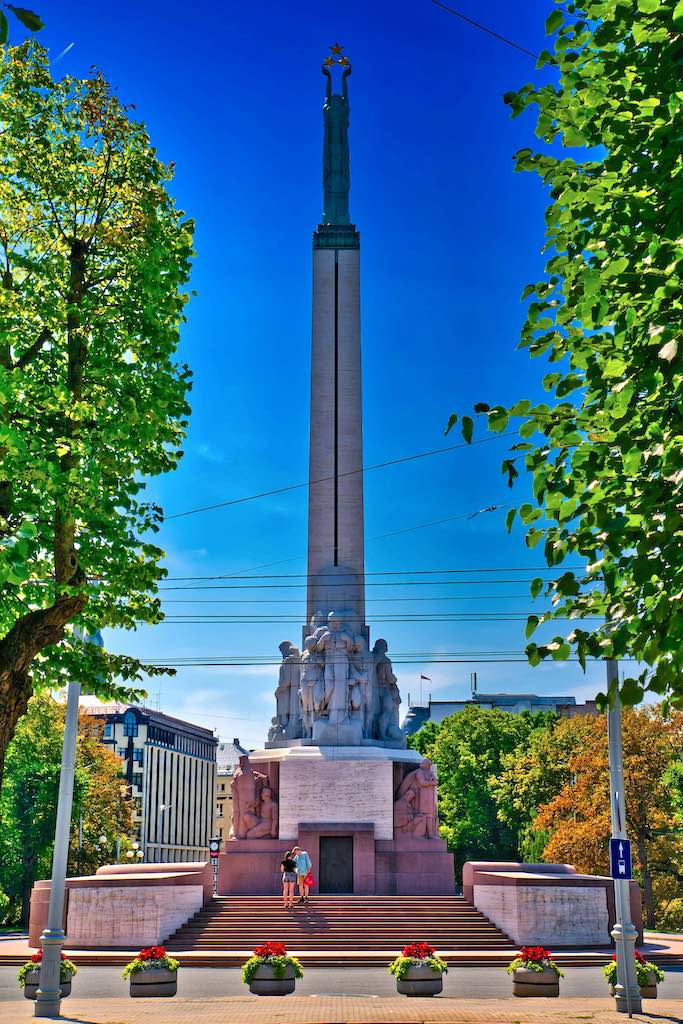
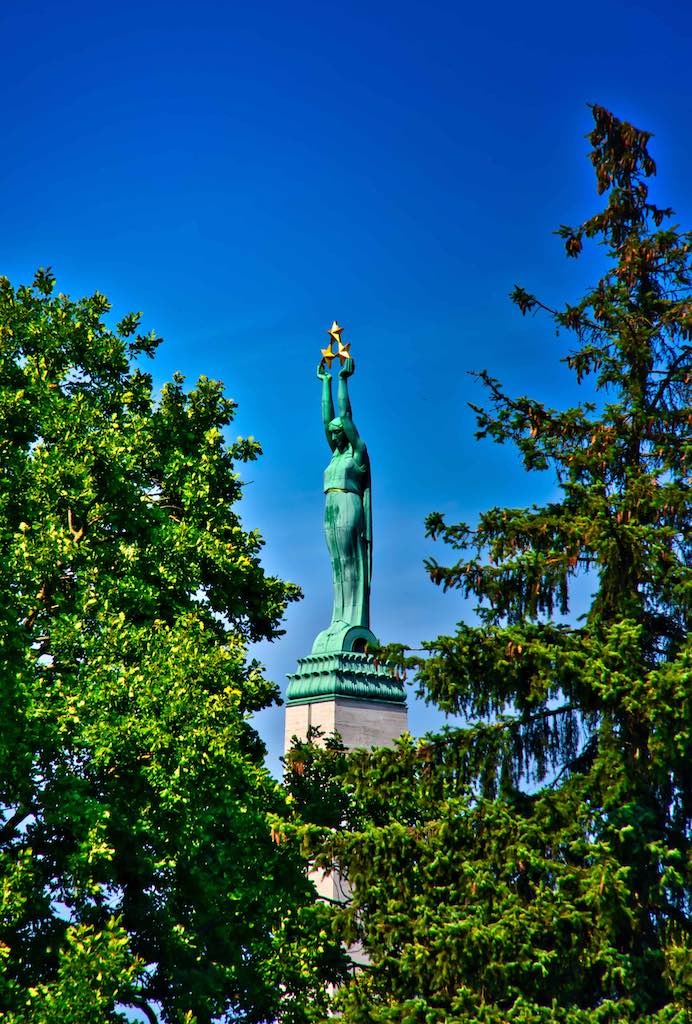
This walking tour took nearly three hours – and we still had a near-hour walk back to the hostel! The two tours on the last day were very exhausting!
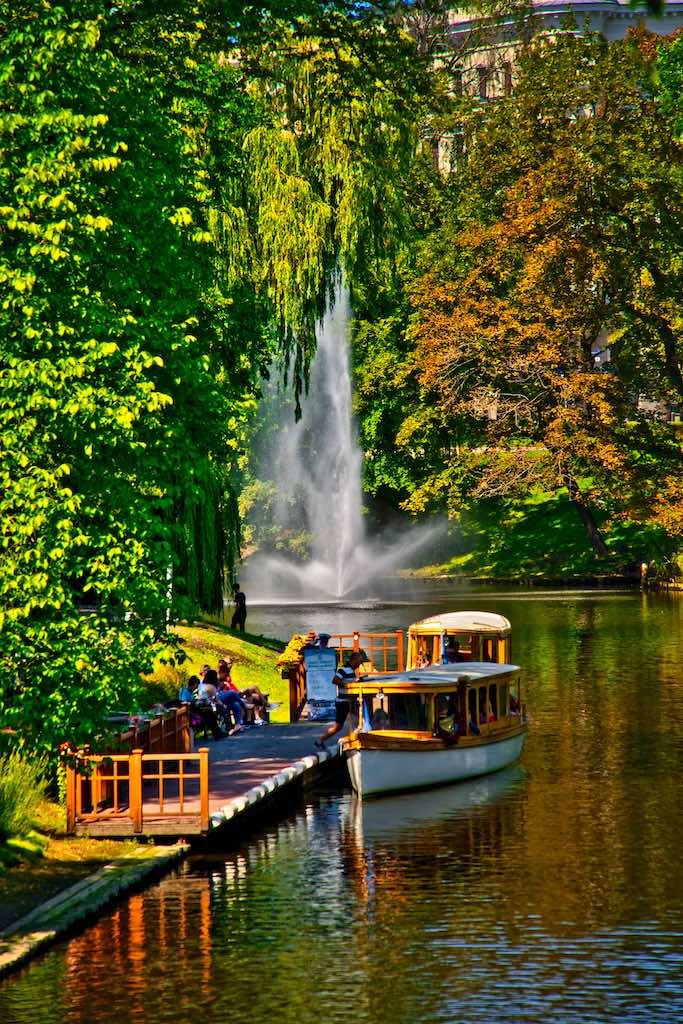
The walks back to the hostel daily took us past the Old Town, which is encircled by a canal – itself connected to the Daugava River. Most of the famous sights are located in this area.
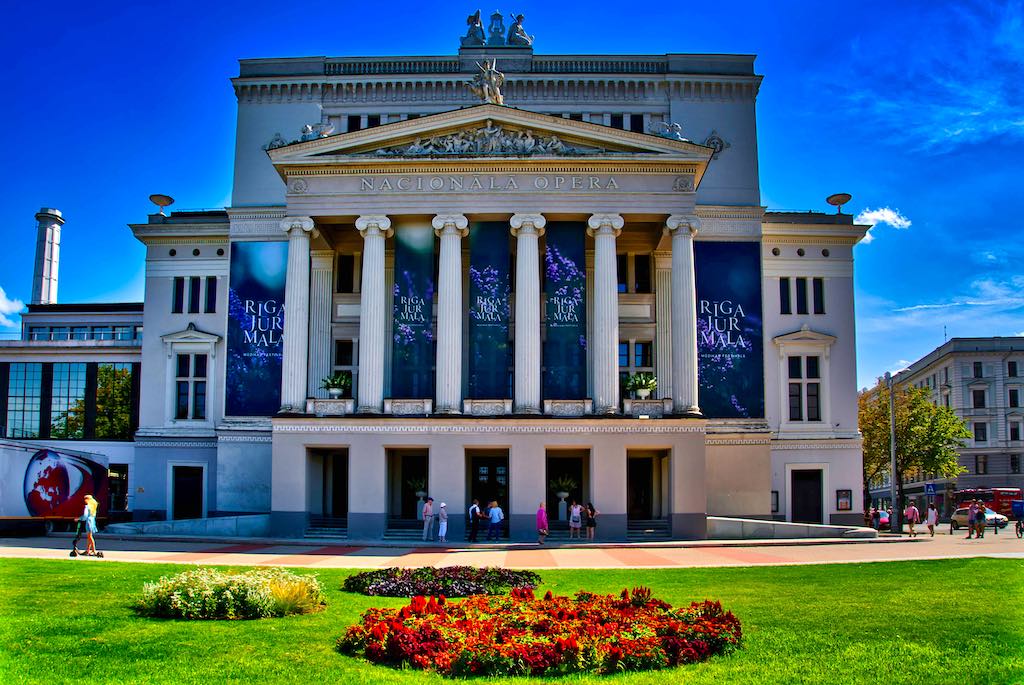
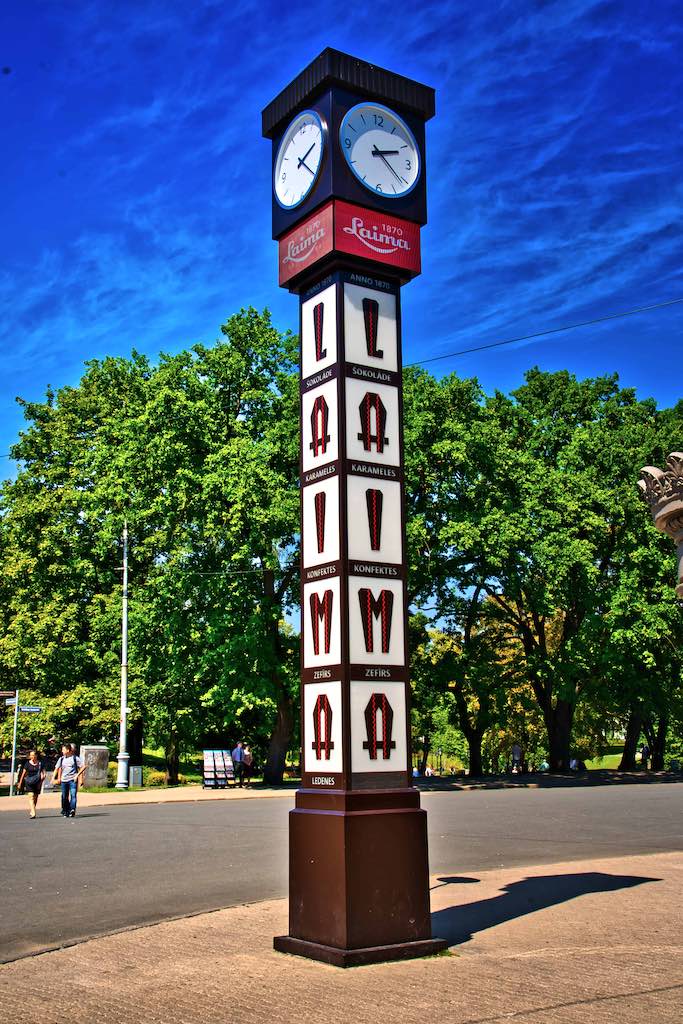
Near the opera is the Laima Square – with its iconic clock – situated at the junction of the Old Town and the commercial districts, and one of the popular landmarks of Riga. The clock, originally installed in 1924, is named after a famous chocolate brand.
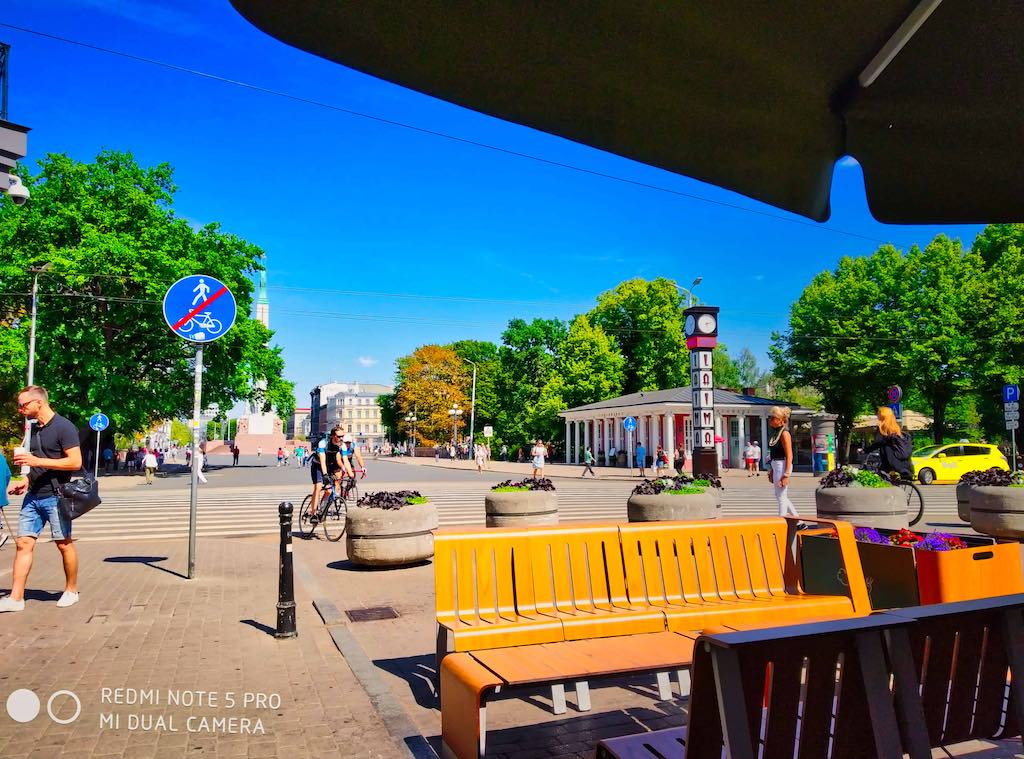
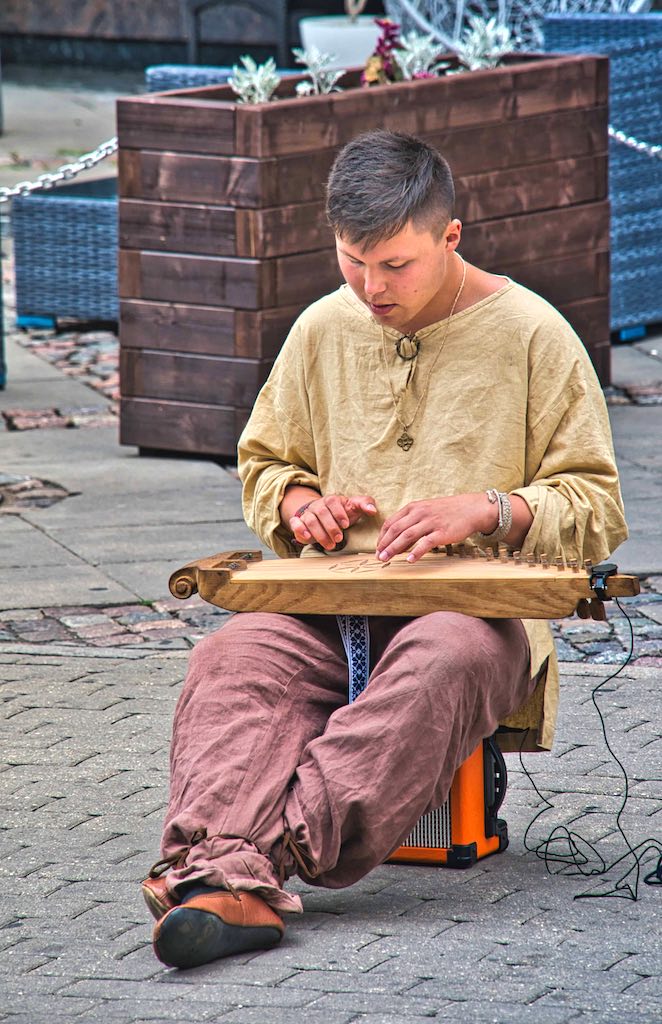
While relaxing at a restaurant at Laima Square, we found a local playing a traditional musical stringed instrument, known as kokle. This traces its origin from the 13th century.
And we just limped back to the hostel, eating whatever was left from our earlier grocery purchases. Luckily there were few cans of beer left to bring back a modicum of energy before we slept off.

The stay at Riga had come to an end. We had been lucky to have thought of visiting this virtually unknown place – it turned out to be another gem. More so because it showed us the linkages of Latvia with the Indian civilisation since the Vedic era! Another thing that is not known even in India! Ugis and his mother were kind enough to have taken the trouble to show us the holiest Dievturi shrine in Latvia and explain their traditions and significance of the various objects in the shrine, which would otherwise have escaped even the most learned. It was a unique and educative experience for us. For which I must acknowledge the assistance given by Inija Trinkūnienė, the high priestess of the Romuva community of Lithuania and my colleague, Major SN Mathur.
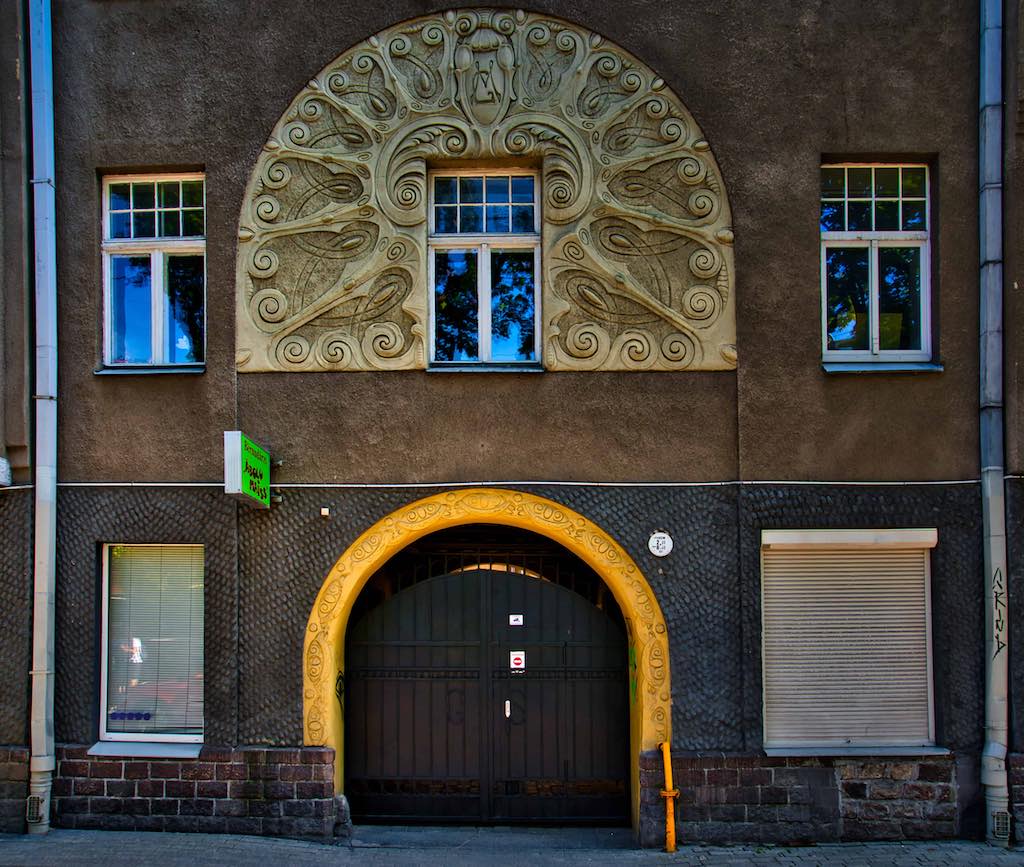
The Art Nouveau architecture of Riga was astounding, living up to the title of the “Art Nouveau capital of the World” given to the city.
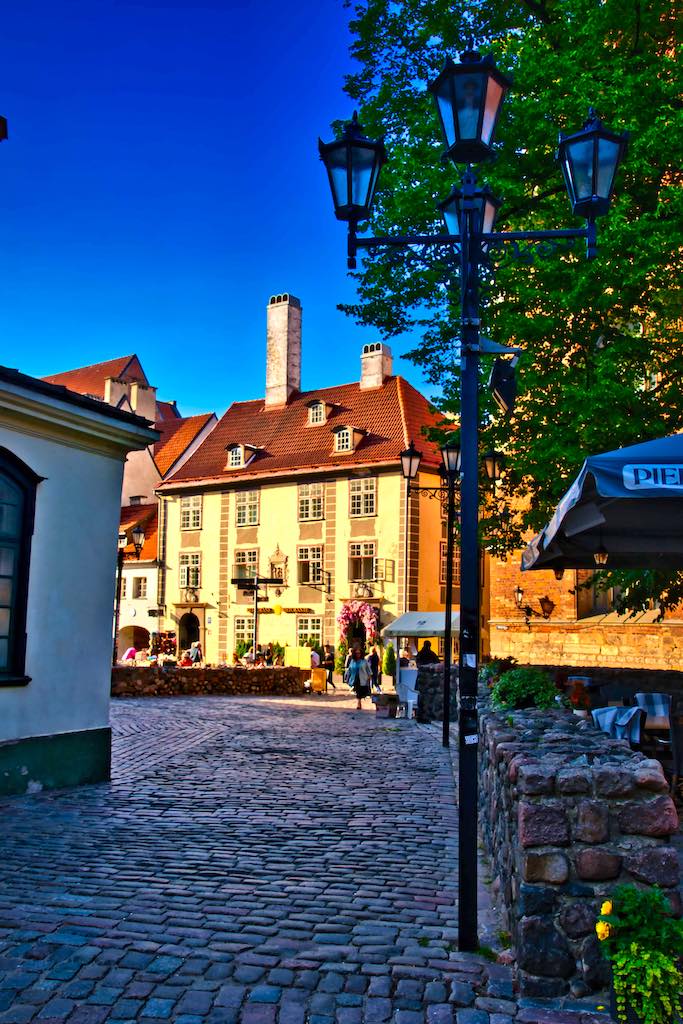
This was the last night in Riga. We had a morning bus to Vilnius and so gathered whatever few possessions were scattered around the room.
To read the next leg of our adventures in Lithuania, check out the next blog here.
The links to all the blogs in the series are listed below:-
- Norway – https://collectingmoments.in/my-trip-to-norway/
- Sweden – https://collectingmoments.in/fascinating-sweden/
- Finland – https://collectingmoments.in/stunning-finland/
- Estonia – https://collectingmoments.in/exploring-estonia/
- Lithuania – https://collectingmoments.in/lithuania-the-land-of-a-forgotten-past-and-the-romuva/
- Poland – https://collectingmoments.in/poland-the-phoenix-which-rose-from-dust/
Note: All photographs displayed above are my exclusive property and copyright; their use is prohibited without explicit consent, in writing.


15 Responses
Excellent
Thanks.
Hi Ajay a nice informative article. It is nice to know lot of medivieal countries and some resemblance to our culture. Was it a historical tour you did with your colleague? Keep posting such travelogue. Thanks Ramakrishna
Thanks. No, not a historical tour, but we got some local references which helped us to explore more than just casual tourists.
Nice pics, nice narration, like going back in time… Thanks for sharing.
Thanks!
Detailed account of wondrous locations which are off the beaten track!
Yes, places one has hardly even heard about, are the one’s to head for!
An excellent journey through a unknown, unheard area.So informative,so educative!!!Did not know anything abuot it.Nice pics, superb narration.Grear job!!!
Keep going!!!
In India we have hardly even heard of the country. It was a big eye-opener!
Beautiful photos with great memories!! Well written!! 😀😍👍
Amazing collection of memories and well written or I must say very well expressed.