
This blog is in continuation of the previous one on Latvia, part of my series on my travel through the Scandinavian and Baltic countries during the summer of 2019.
Norway was the first country we hitchhiked through; to read the first blog of my travels through the Scandinavian and Baltic countries, click here.
We were on the bus again at Riga at 11:00 am on 23 July headed for Vilnius, Lithuania. Distances in these countries are relatively less and after a 5-hour journey, we reached our destination by the afternoon. The Eurolines Business Class we had booked from India, was a double-decker bus and we had front row seats on top, giving an excellent view of the countryside.
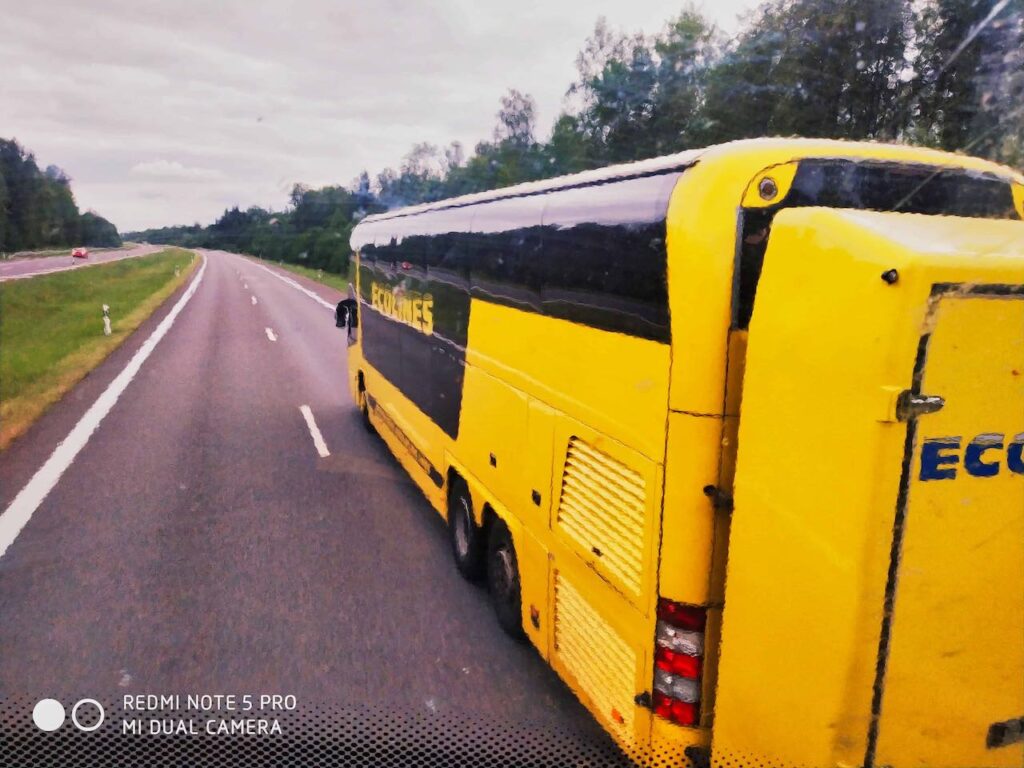
There are no expressways in Latvia and Lithuania, the road, for the most part, is a two-lane road, and with holiday traffic, the speeds are comfortably slow. It rained part of the distance, though not more than a drizzle.

The system followed for crossing borders was interesting – there was no border checking during our travels, but this time the bus driver checked all documents/passports before we boarded the bus.
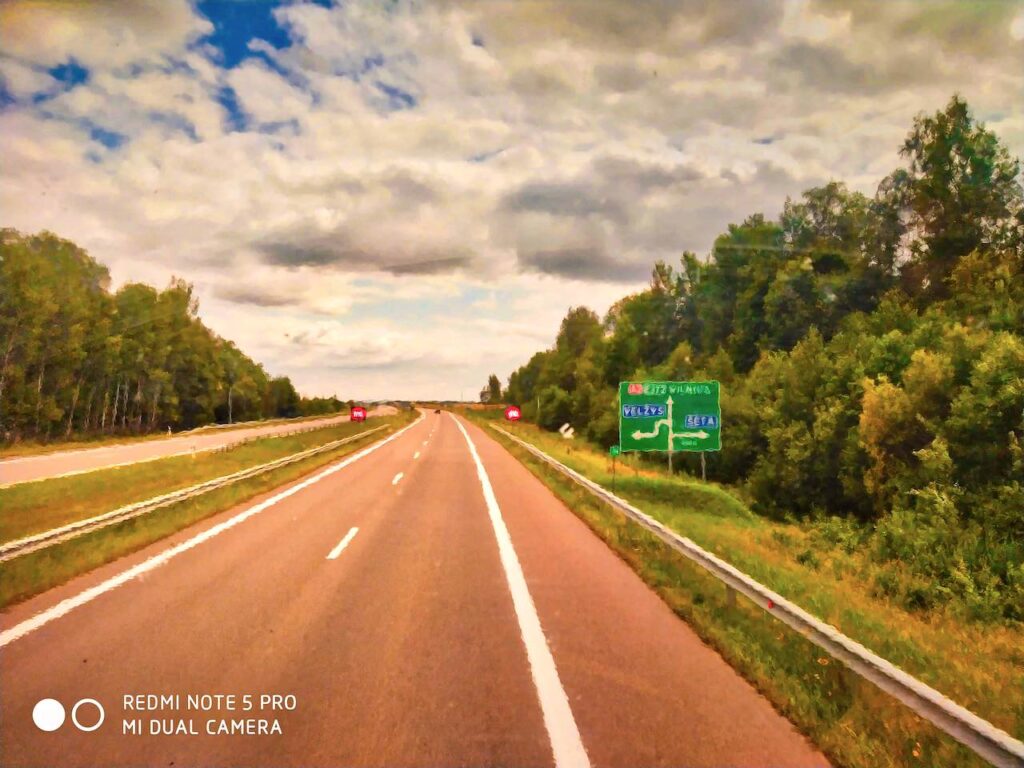
In Vilnius, we caught a Bolt cab to Hotel Ecotel where we were booked. The hotel was across the Old Town and during the drive, it’s apparent that the city was cleaner and better maintained than Riga. Our rooms were small, another common European concept! We had an introduction through my colleague Major SN Mathur to Inija Trinkūnienė, the High Priestess (Krivė) of the Romuva community of the old Lithuanian faith. She is a public figure in the country and I had met her and her late husband, Jonas Trinkūnas during one of their visits to India. We had an invitation to dinner at her house that day, and despite my protests, she insisted to come to our hotel and pick us up. Her daughter and niece prepared delicious Indian dishes for us, they all having visited India a couple of times.
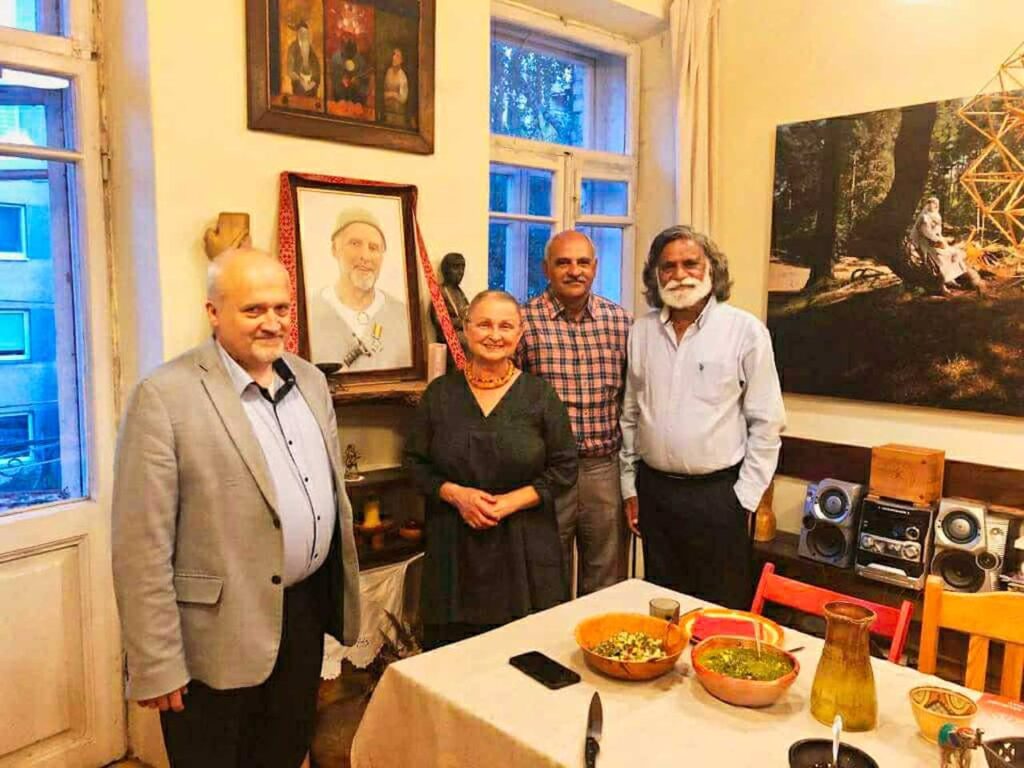
I got introduced to Gintaras Songaila, a renowned doctor, public figure and parliamentarian, at dinner. The Romuva trace the origin of their religion to Vedic India and he is writing a book to introduce the subject for further research. The book contains an appendix of about 4000 common words in Sanskrit and Lithuanian languages. He is a very knowledgeable person, especially of history, and during the conversation, it turns out he probably knows more about Indian history – and Sanskrit – than us! He is a very voluble person and keeps us all engaged throughout dinner.
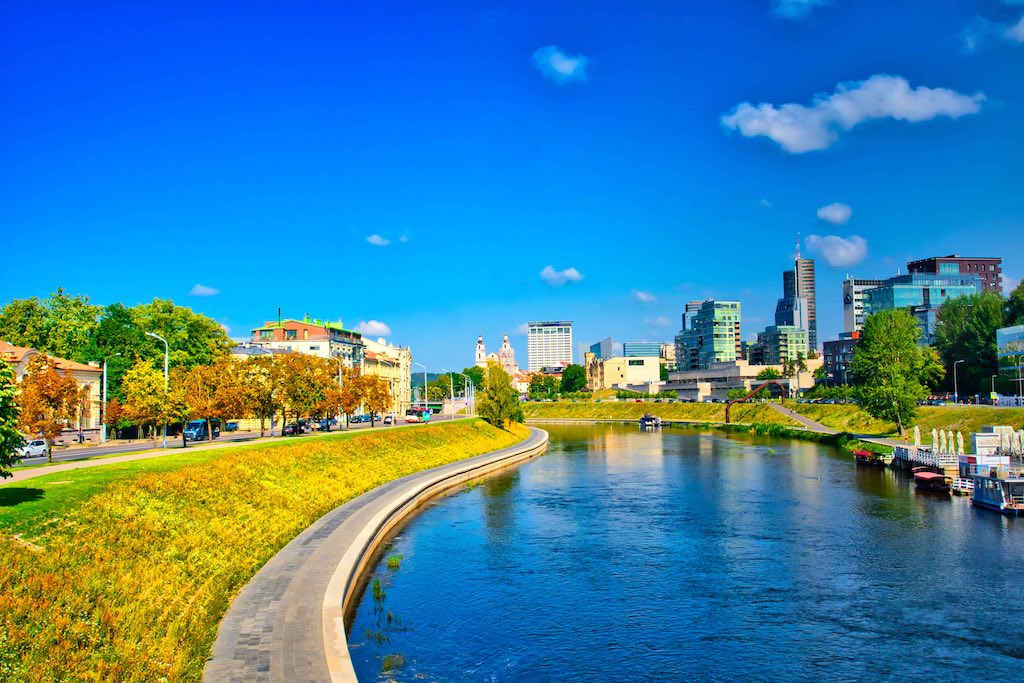
Next morning Gintaras is at our hotel before 10:00 am to show us around the city. A passionate nationalist, we learnt that in his younger days he was one of the leading figures in their independence movement from Russia. He preferred to walk, as being the best way to see the sights. The Old Town is across the Neris River from our hotel, which we walked across.
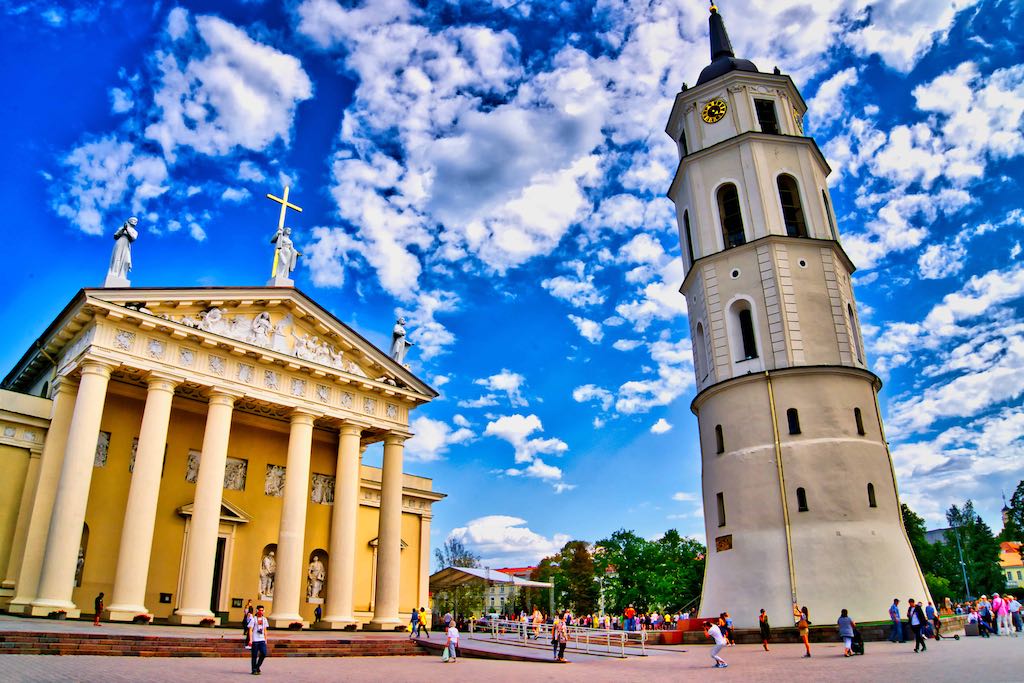
Soon we were at the biggest – and most famous – square of the city, the Cathedral Square. There is the imposing Vilnius Cathedral and an ancient bell tower – part of the old wall fortifications of the city – in the square.


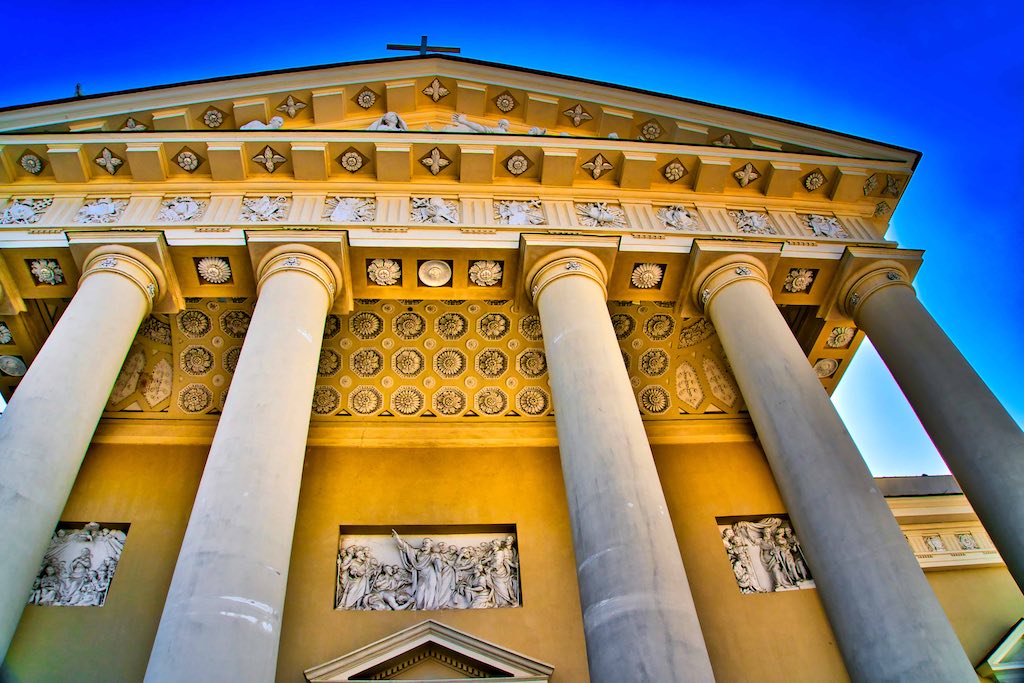
The Cathedral has been built over an ancient sacred pagan site, which supposedly still exists in the basement. Visitors are not allowed there.

The Square has an imposing bronze sculpture of Gediminas, who established the city after having a dream of an iron wolf baying on a hill here.

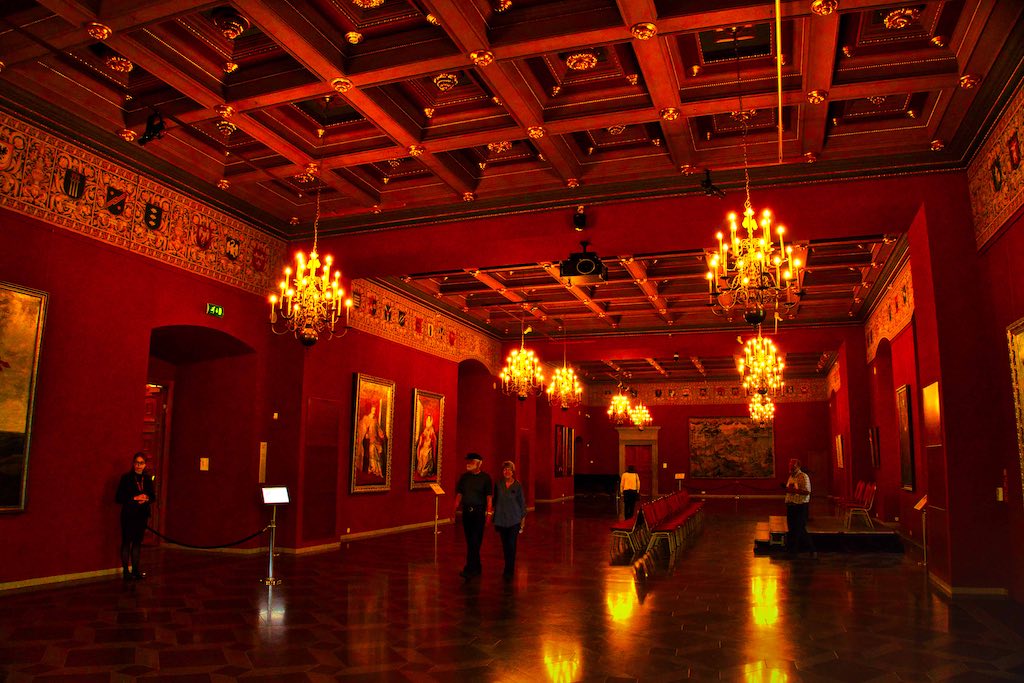
We walked around the Palace of the Grand Dukes that is now a museum. Its foundations and walls are original, with the superstructure having been re-built. It was a grand structure.
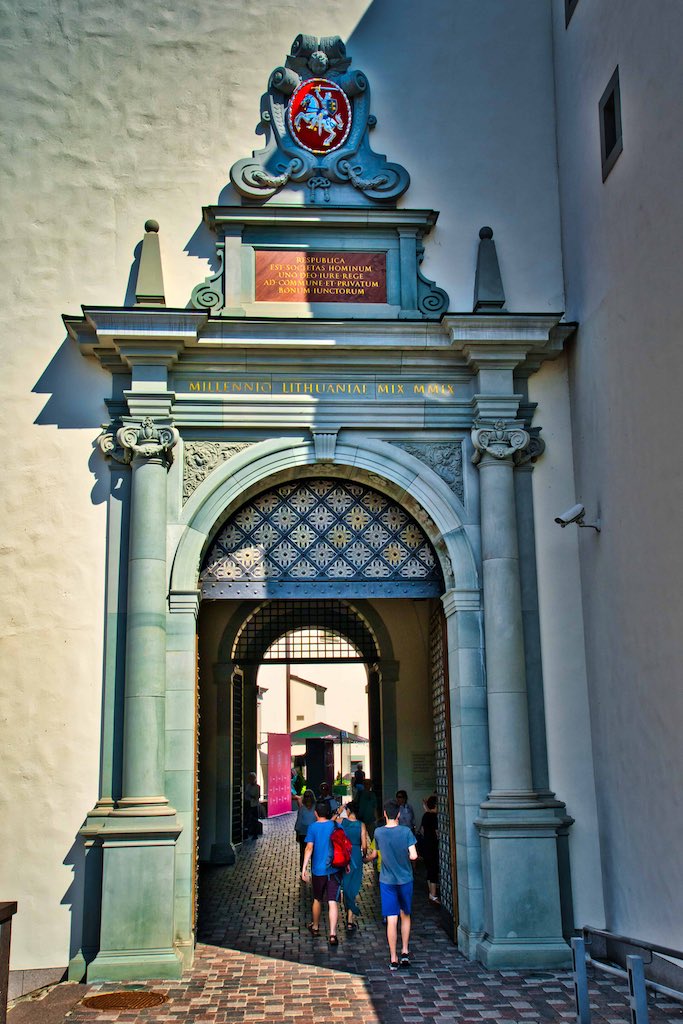
The display of the exhibits is novel and one can walk over the “exhibits” on glass floors and steps!
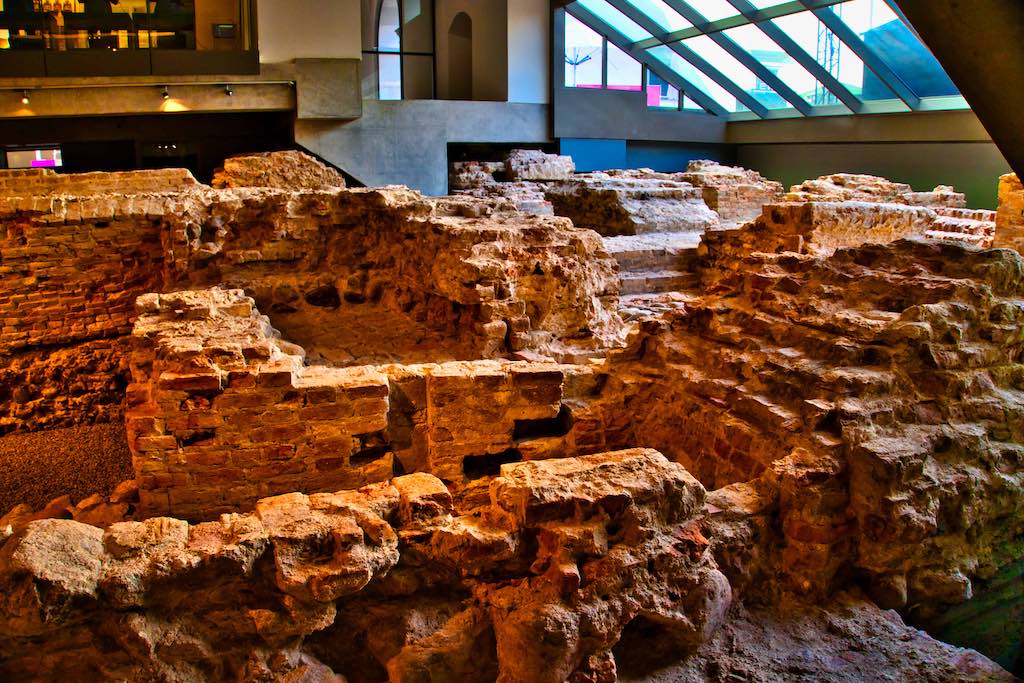

The exhibits are then out of reach of any mischief-monger! Gintares is a veritable encyclopedia and throughout the visit, he explains the history of every exhibit in detail! It’s an absorbing experience.

One of the astounding facts I learned was that for an extended period of medieval history, Lithuania was the largest country in Europe and extended from the North Sea to the Black Sea, and eastward till the Volga River i.e. beyond Moscow! Moscovites (before the name Russia came into being) were then a small country around Maskawa. Traces of Lithuanian settlements near Moscow existed till the late 19th century. As expected, history is written by the victors, and sadly the past glory of Lithuania has been largely omitted from it.
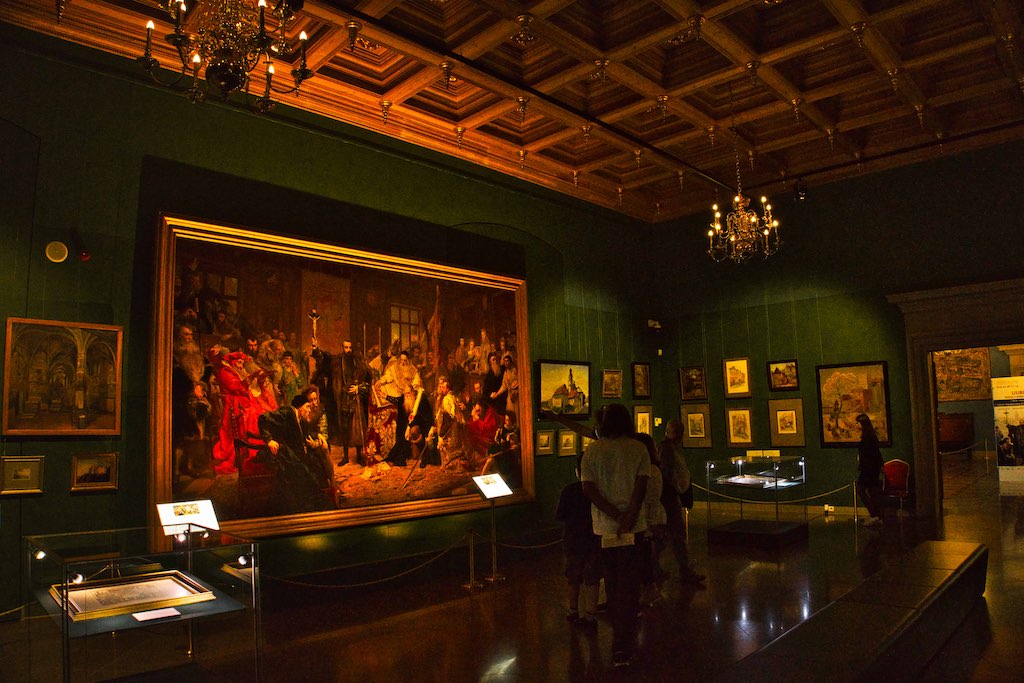
Another nugget of information we learned was on the crusades and Christianisation of Europe. Lithuania was first attacked in the 13th century by crusaders, who were defeated. Lithuanians continued fighting off the Teutonic Order (a German Order formed to spread and protect Christianity) for over 250 years and they were the last country to be converted in Europe.
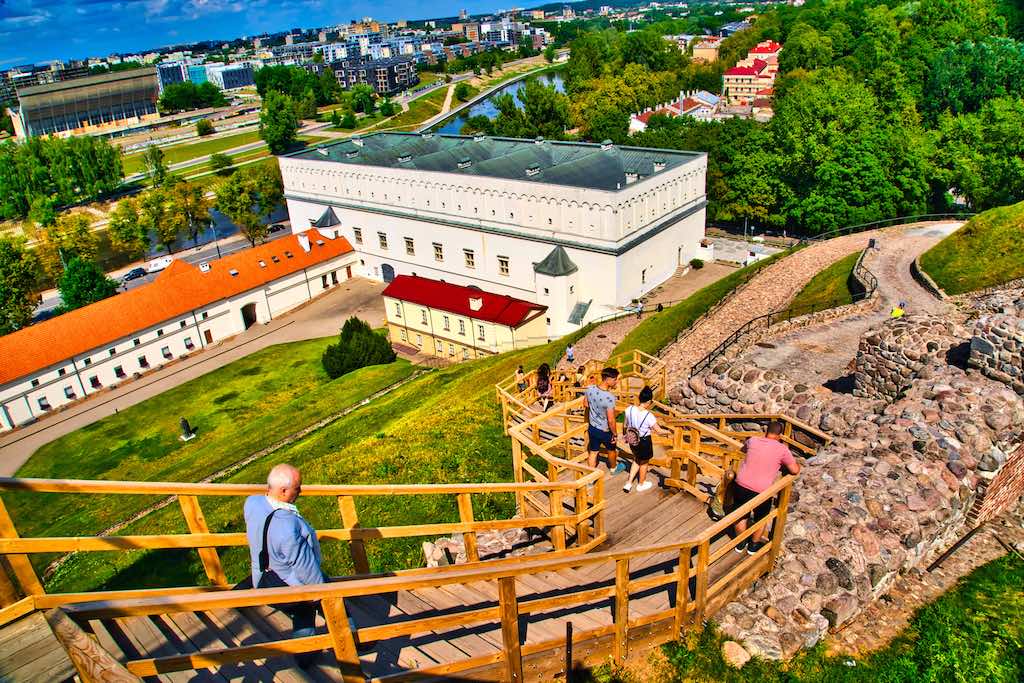
After a cup of coffee in the Museum cafeteria, we visited the famous Gediminas Tower, situated on the hilltop and dominating the city.

It is the last remnant of the Upper Castle originally built in 1409 CE by Grand Duke Gediminas, who founded the city after his dream. Gediminas’ Tower is an important state and historic symbol of the city of Vilnius and of Lithuania itself.

The tram to the hilltop top was not functioning, hence we walked up. From the top of the three-story tower, one got a magnificent view of the city. Vilnius has been built such that it is surrounded by forested hills.

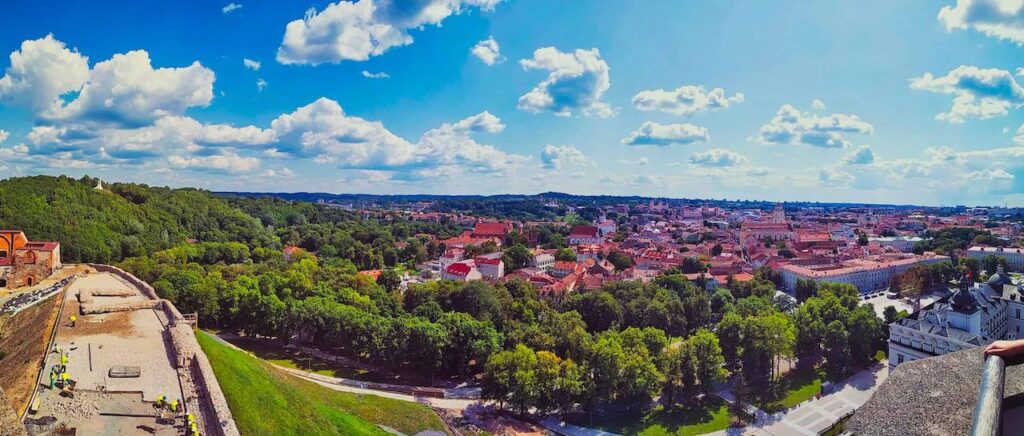
On one of the hills behind are three large white crosses, which was the site of the residence of the High Priest before Christianity arrived. These replaced the site of the original residence.

To protect your personal data, your connection to YouTube has been blocked.
Click on Load video to unblock YouTube.
By loading the video you accept the privacy policy of YouTube.
More information about YouTube’s privacy policy can be found here Google – Privacy & Terms.
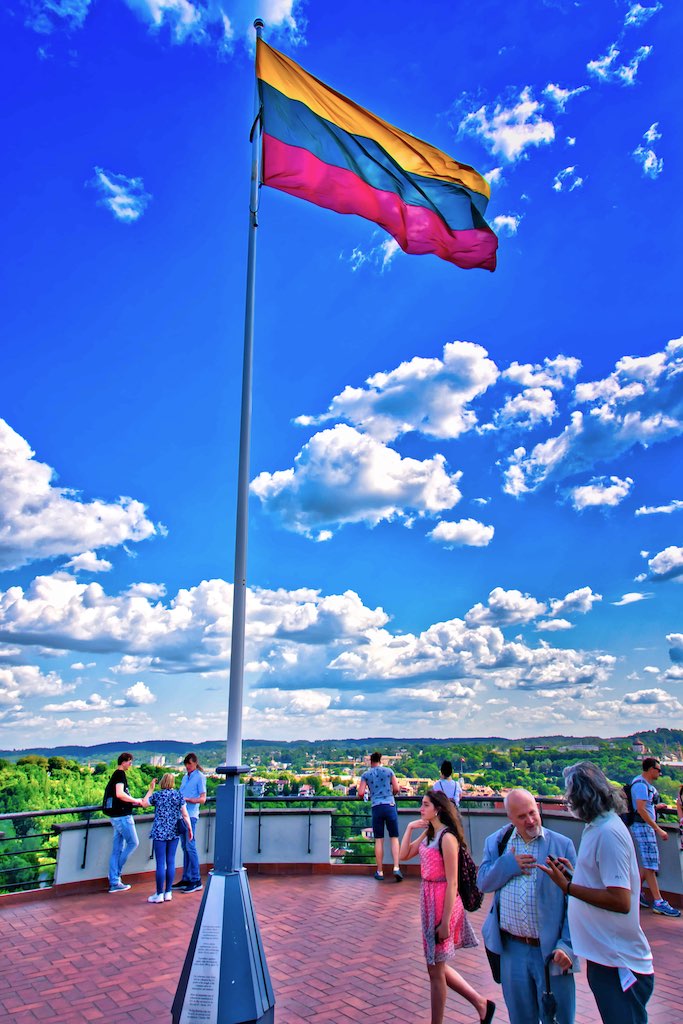
Among the interesting facts we learned was that Gintaras as a young man had taken part in the archaeological excavations in the hill where the Gediminas Tower was located. His knowledge was also practical, not just from books.
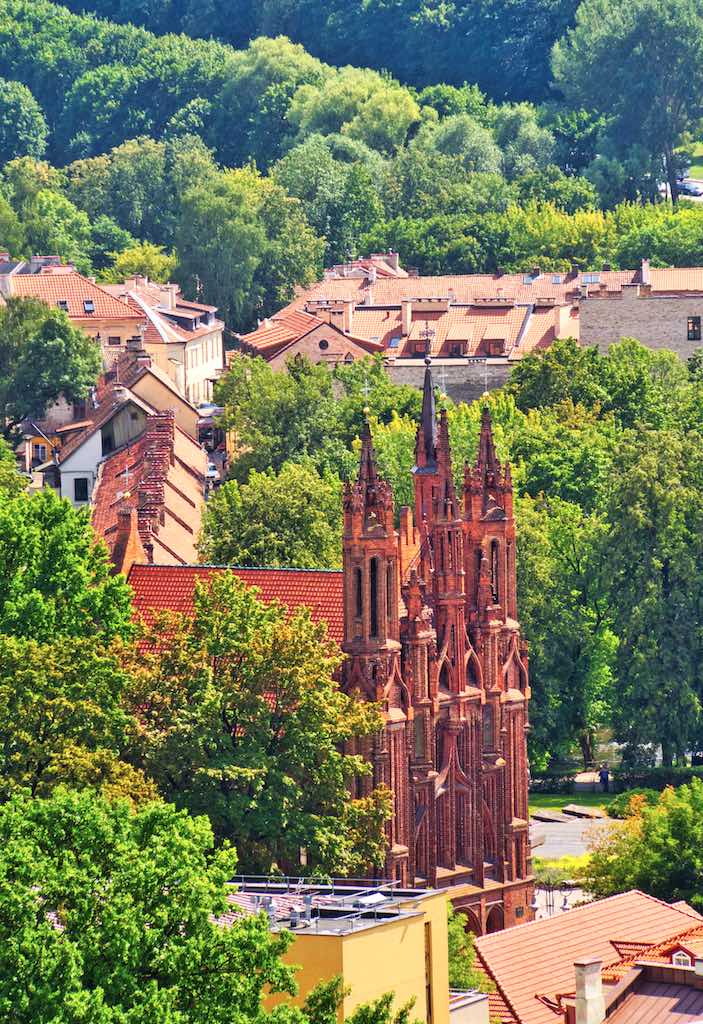
The Tower houses a museum exhibiting archaeological findings from the hill and the surrounding areas. The museum has models of Vilnius castle from the 14th to the 17th centuries, armaments, and iconographic material of old Vilnius.
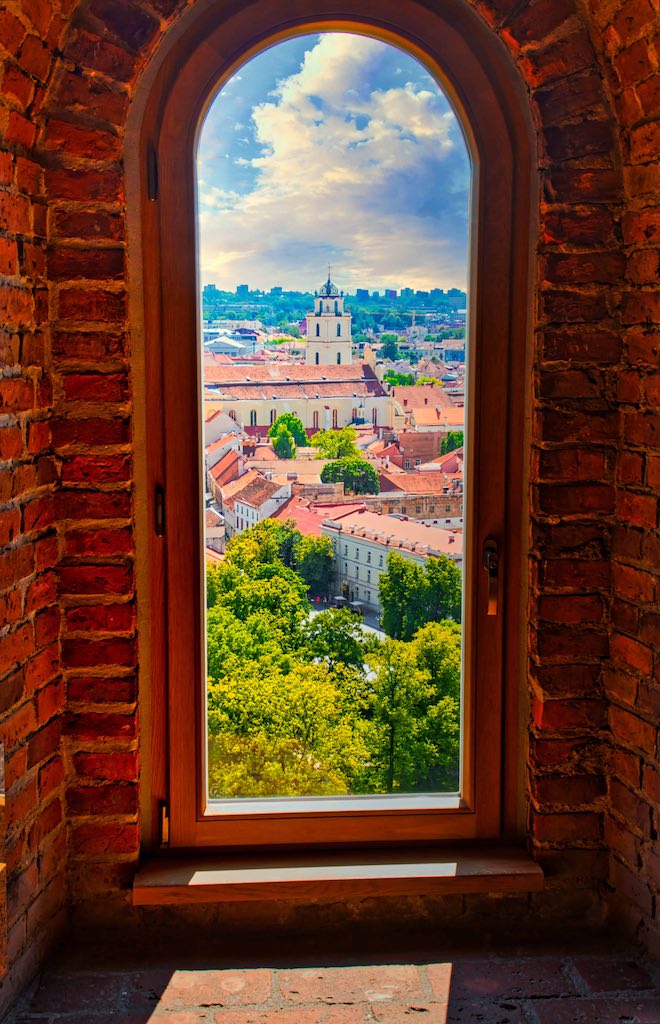
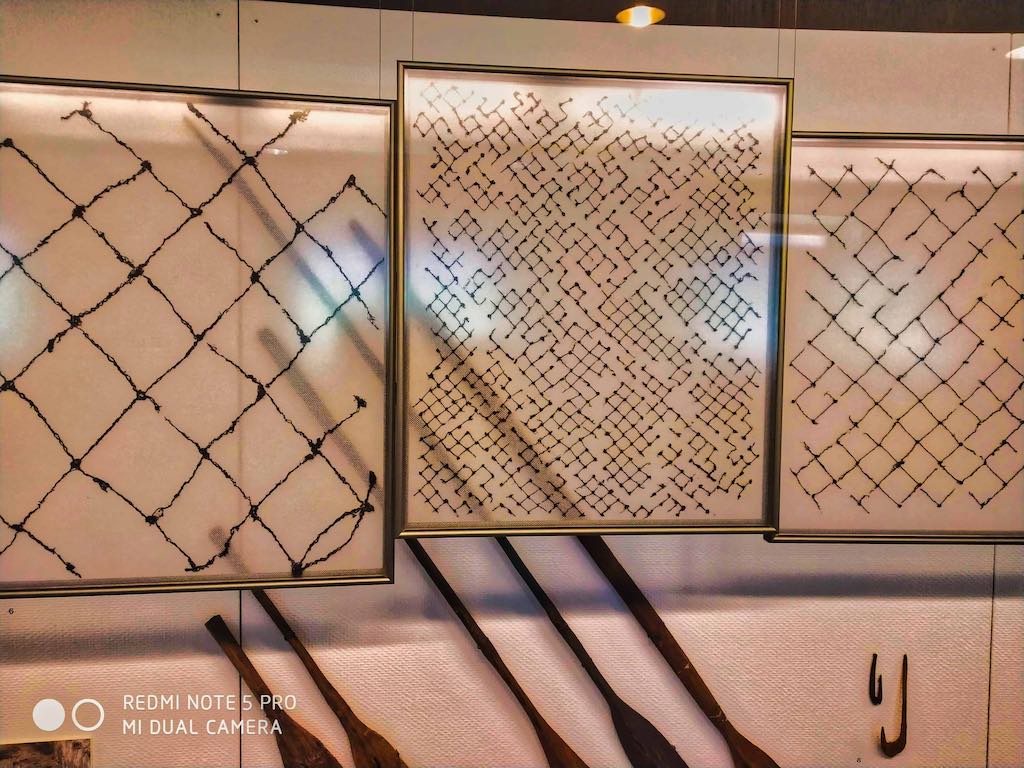
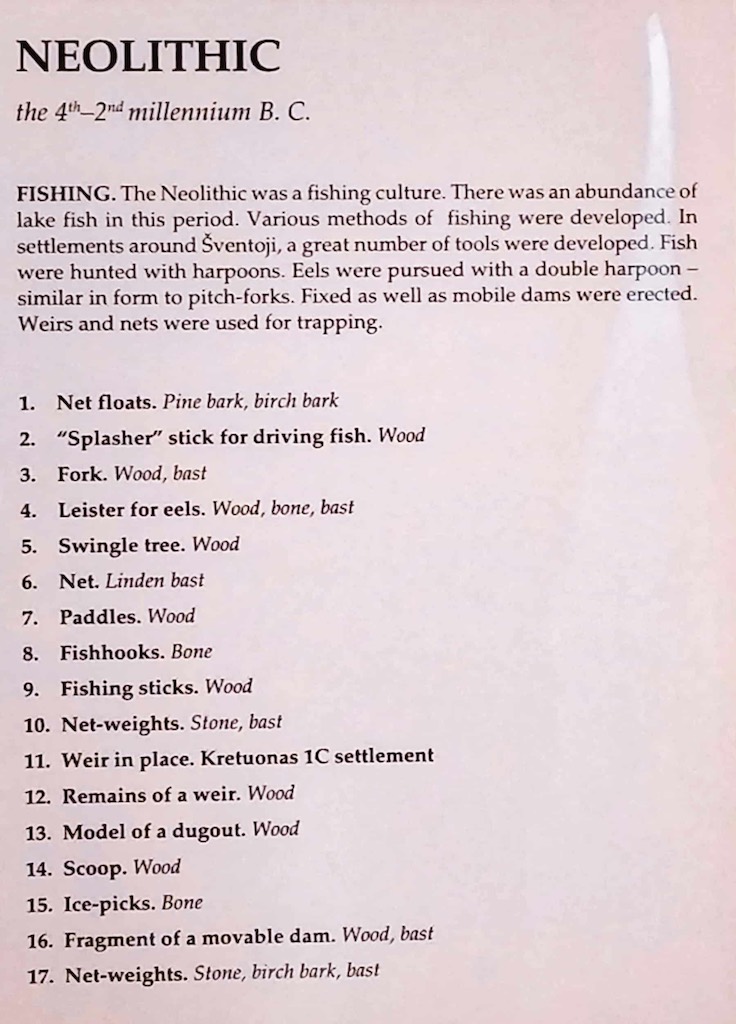
After visiting this beautiful museum, we walked down the hill and were enticed by Gintares to not miss the National Museum, basically an anthropological museum, which is located at the base of the hill.
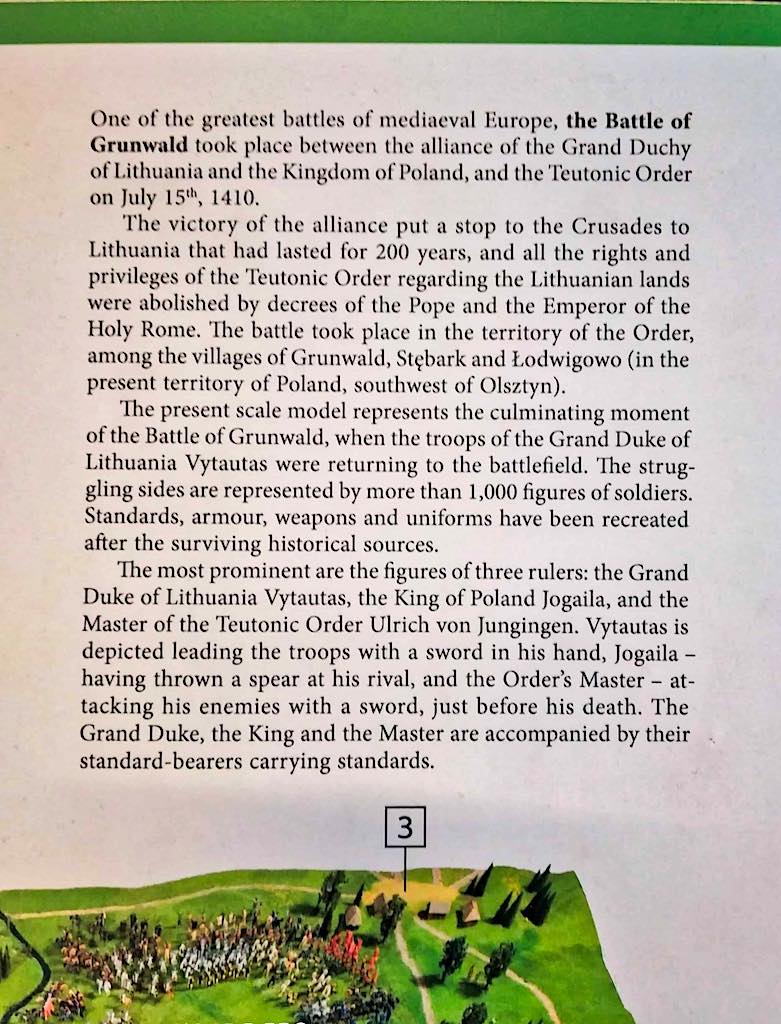
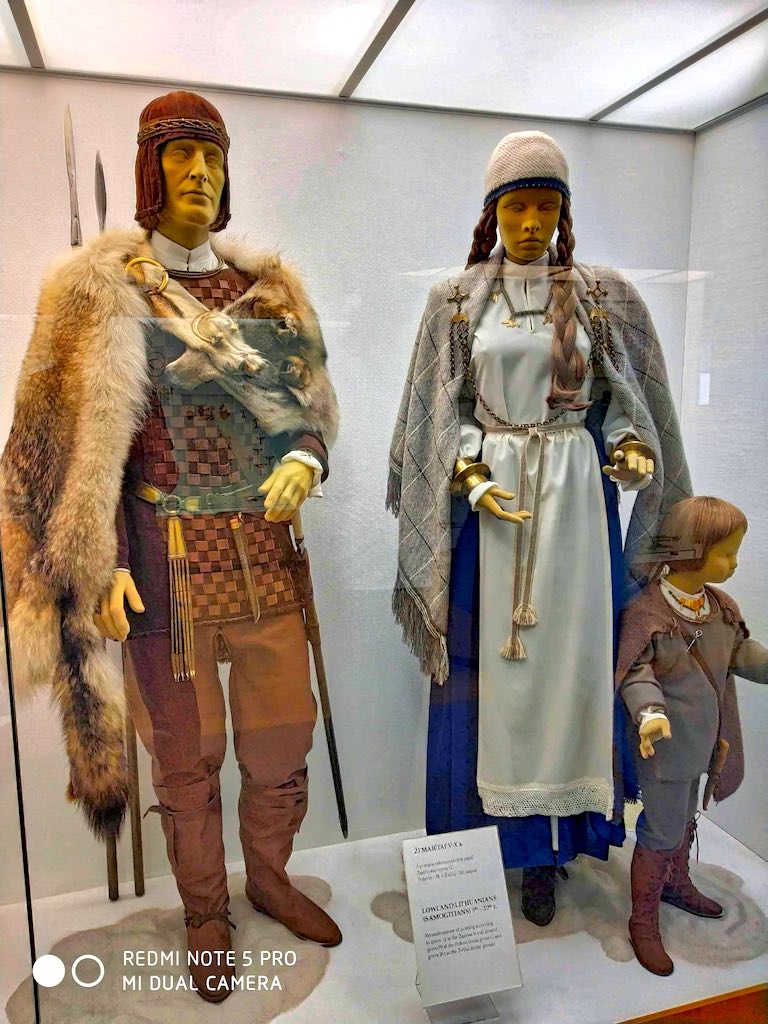
This had a plethora of ancient lifestyle displays, their dresses and tools/implements on display. Again all this is done in an extremely appealing way.


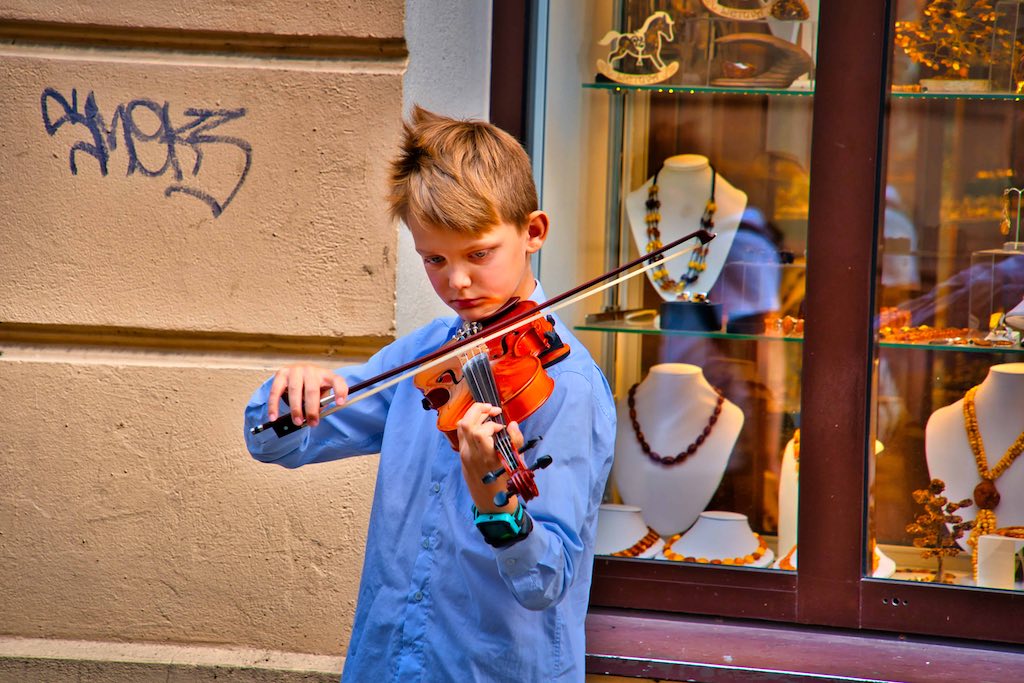
During our walk through the Old Town, I noticed a boy playing the violin very well, attracting the attention of those passing him.
By the time we finish viewing the exhibits, and getting more lessons on ancient history, it was past lunchtime and we headed to the Old Town to the not-to-be-missed Indian restaurant of Vilnius – the Sue’s Indian Raja!
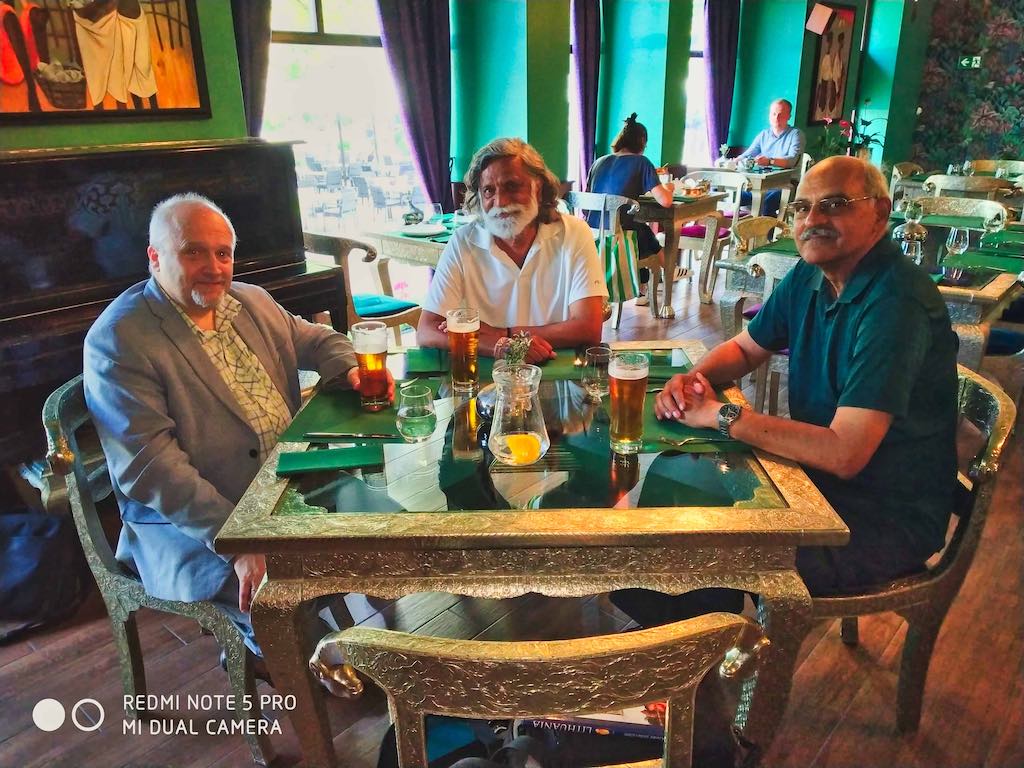
Its nearly 5:00 pm by the time we settle down for “lunch” – we had been walking since 10:00 am! The interiors of the restaurant are as authentic as their food. All furniture is aluminium-clad with Indian artwork embossed on them – in typical Gujrati style. The food was delicious. The owner, Mr Rajendra, was not there, but we met the chef who had come from Dehradun just three months back, probably the reason his food still tasted authentic!
By the time we finish lunch, it’s nearly time to proceed for Injia’s invite for an evening of traditional Romuva folk music and singing.

We rush through the Old Town with its proliferation of churches. Approximately 40 churches for a population of three-quarter million.

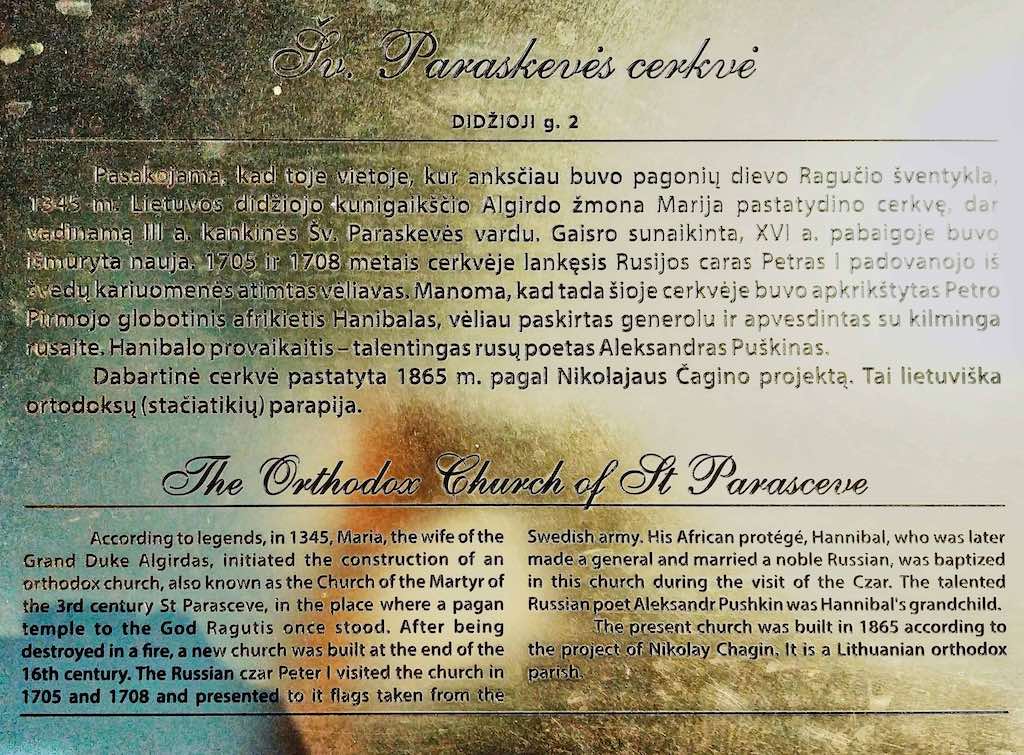
Gintares took us to the oldest Russian Orthodox church in Lithuania, the Church of St Paraskeva, which is constructed over an ancient sacred pagan religious site. The sacred altar stone with the depression on top for the fire, however, is still located behind the church and is revered by the Romuva. A lighted candle burns in a glass enclosure by its side.

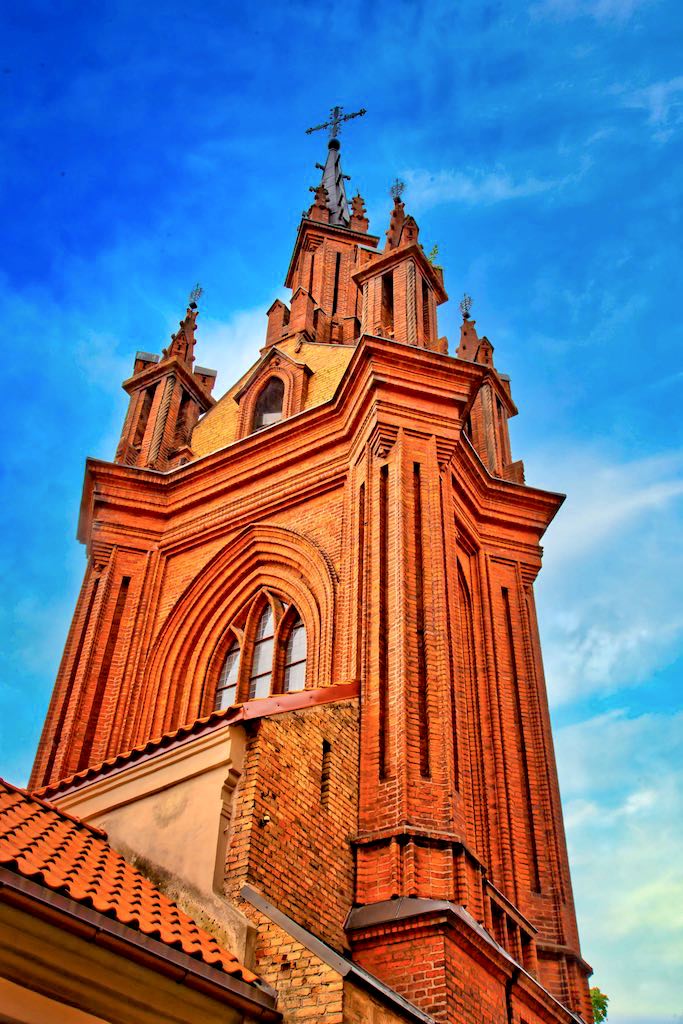
We finally rush to the Gothic church of St Anne’s. A landmark of the city, it is a prominent example of both Flamboyant Gothic and Brick Gothic styles. When Napolean saw the church during one of his campaigns against the Russians, he is reported to have wanted to carry it back with him to Paris!

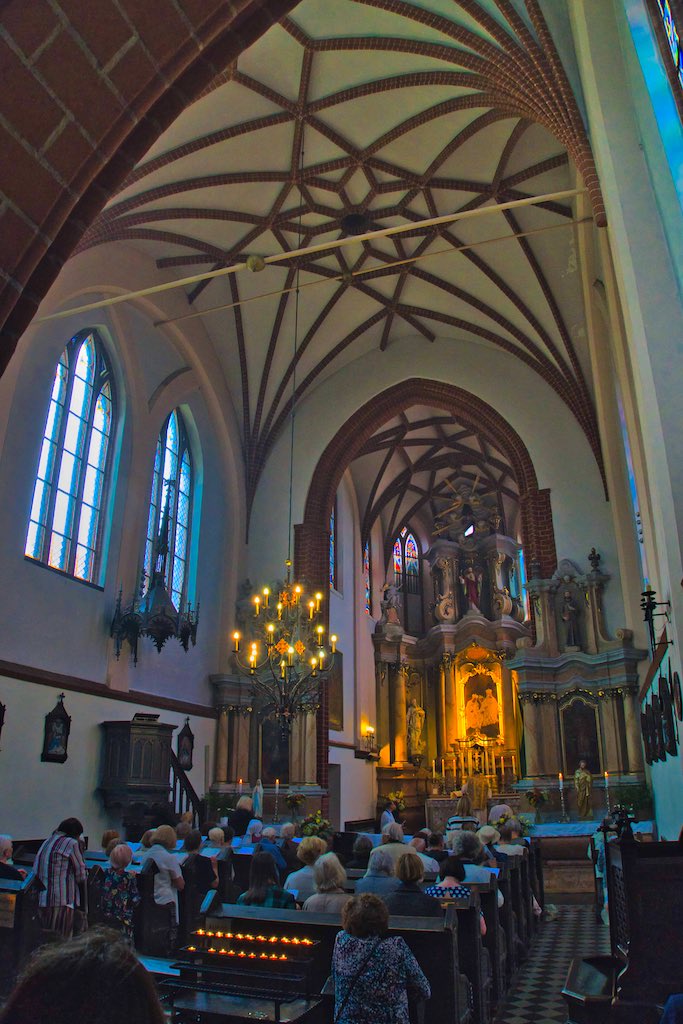
This is where where we meet Injia, who picks us up in her car for the musical evening.
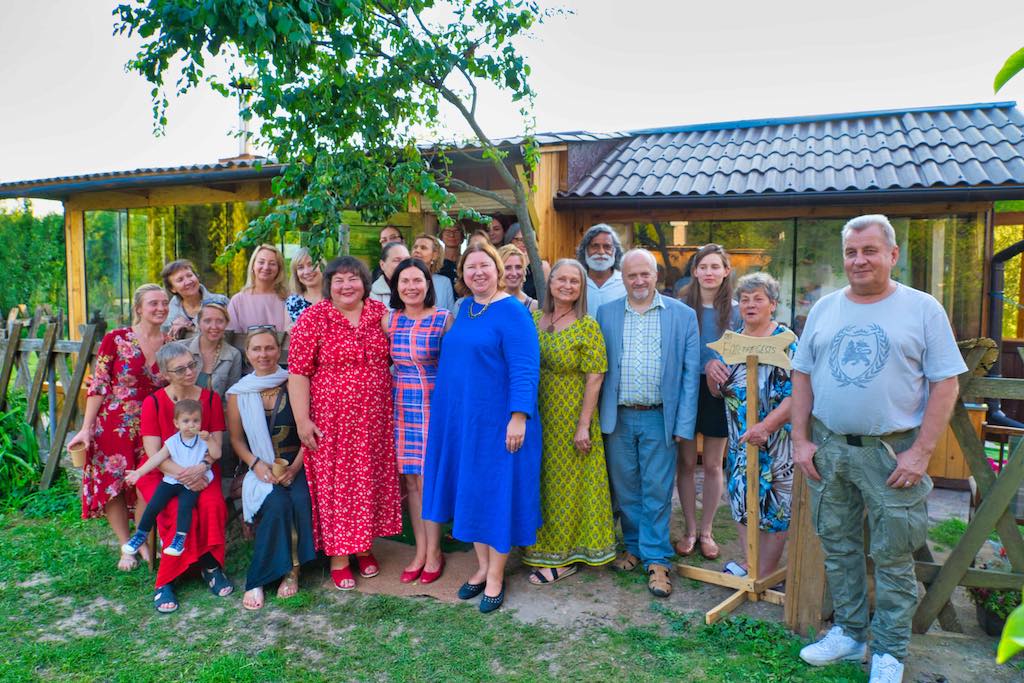
The gathering is at the house of Rita Balkute, a known researcher of herbal medicine – she has already compiled the medicinal properties of nearly 30,000 plants! She also hosts conferences on traditional cures. She is a ‘frequent’ visitor to India and is well versed in our past. Her house is slightly out of town, a farmhouse.

To protect your personal data, your connection to YouTube has been blocked.
Click on Load video to unblock YouTube.
By loading the video you accept the privacy policy of YouTube.
More information about YouTube’s privacy policy can be found here Google – Privacy & Terms.
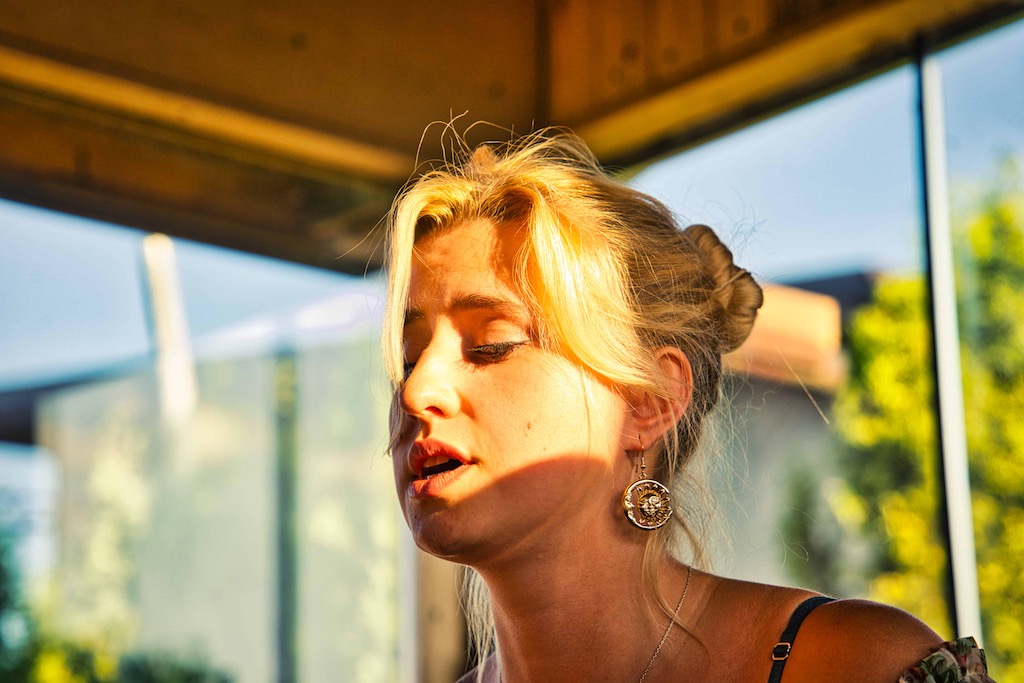
Its a big gathering and Rita’s daughter, Maria played their traditional instrument, the kankle, which is the oldest and most archaic of Lithuanian string instruments. To me, it appeared to be similar to the Indian santoor, also a trapezoid-shaped instrument.
To protect your personal data, your connection to YouTube has been blocked.
Click on Load video to unblock YouTube.
By loading the video you accept the privacy policy of YouTube.
More information about YouTube’s privacy policy can be found here Google – Privacy & Terms.
The music is accompanied by the singing of folk songs – in all, it was a lovely evening spent and we met many people.
There is an interesting belief about the kankle. It is believed that in order to make sonorous kankles, the wood from which they were crafted had to be cut from a mature forest on the day that a loved one died. As the household mourned, the wood acquired depth and soul. Playing kankles is very much like meditating and is thought to protect the musician from death, disease and accidents.
It had been a long day for us, and we were relieved to hit the bed when we reached the hotel.
Next day was another surprise lined up for us by Inija. Early in the morning, Rita landed up at our hotel in her car to take us for a full-day outing.
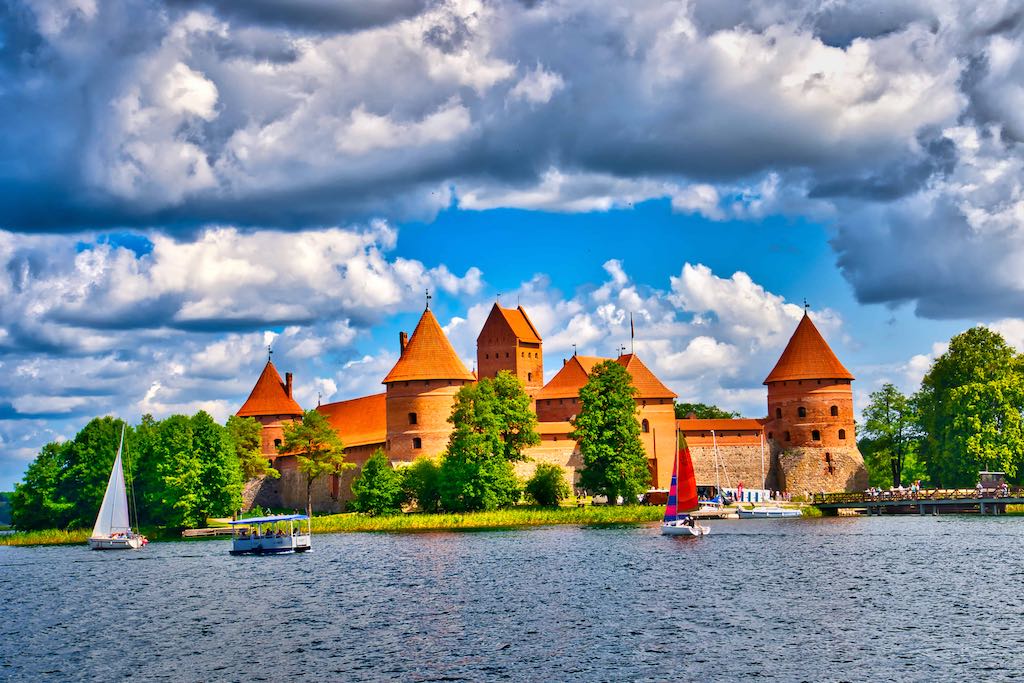
Our first stop was the Trakai Castle about 30 km away, a famous 14th-century historical site picturesquely located on an island in Lake Galve. Actually, the castle had been constructed on three small islands in the lake.
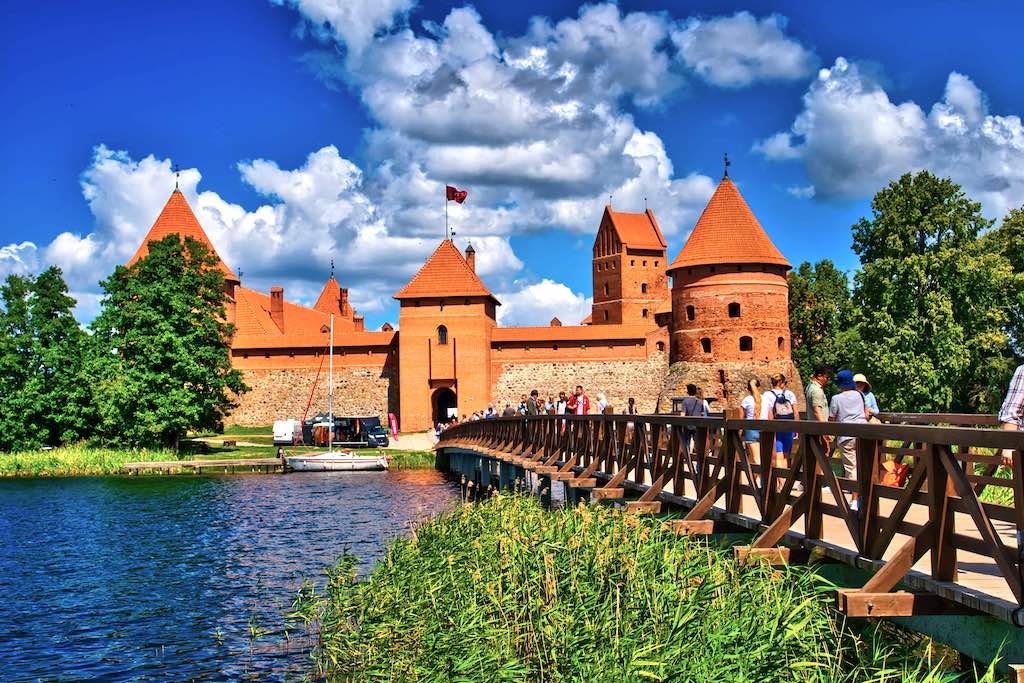
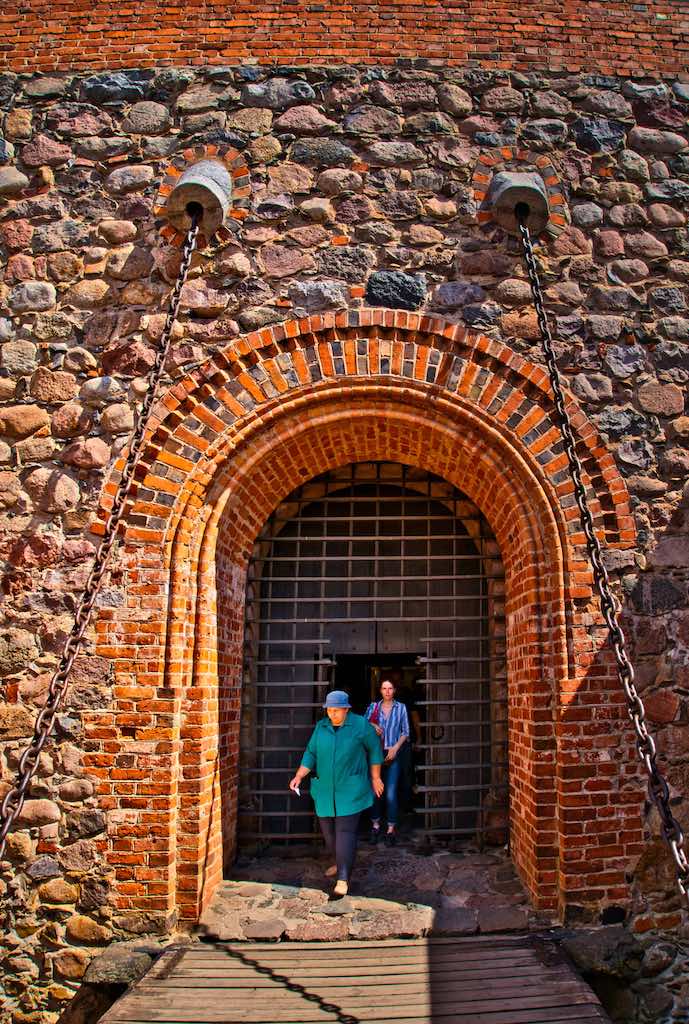
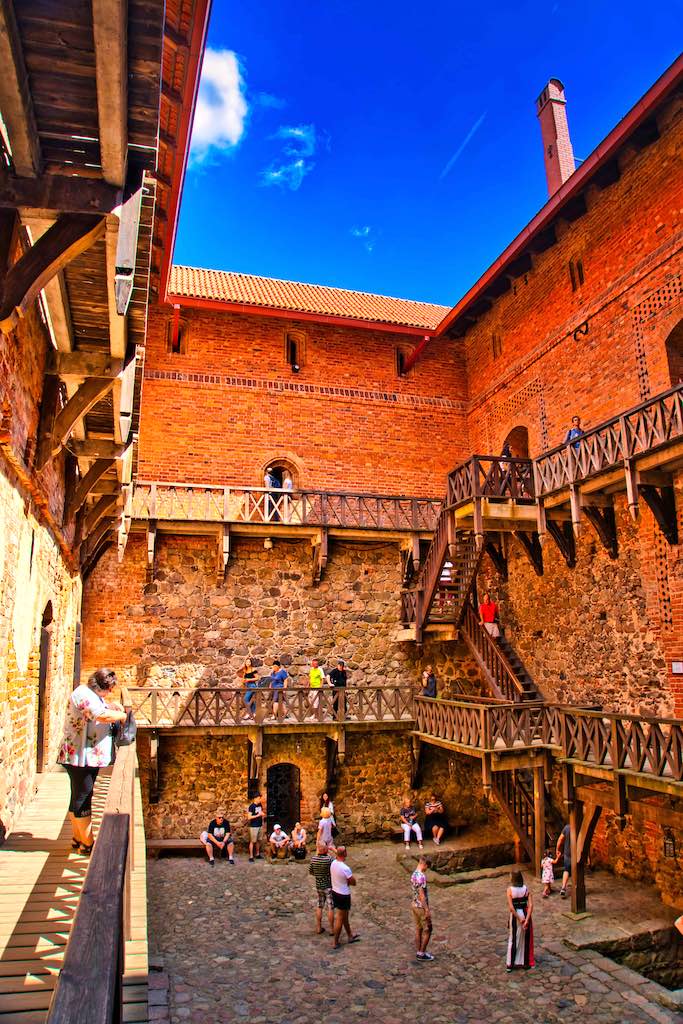
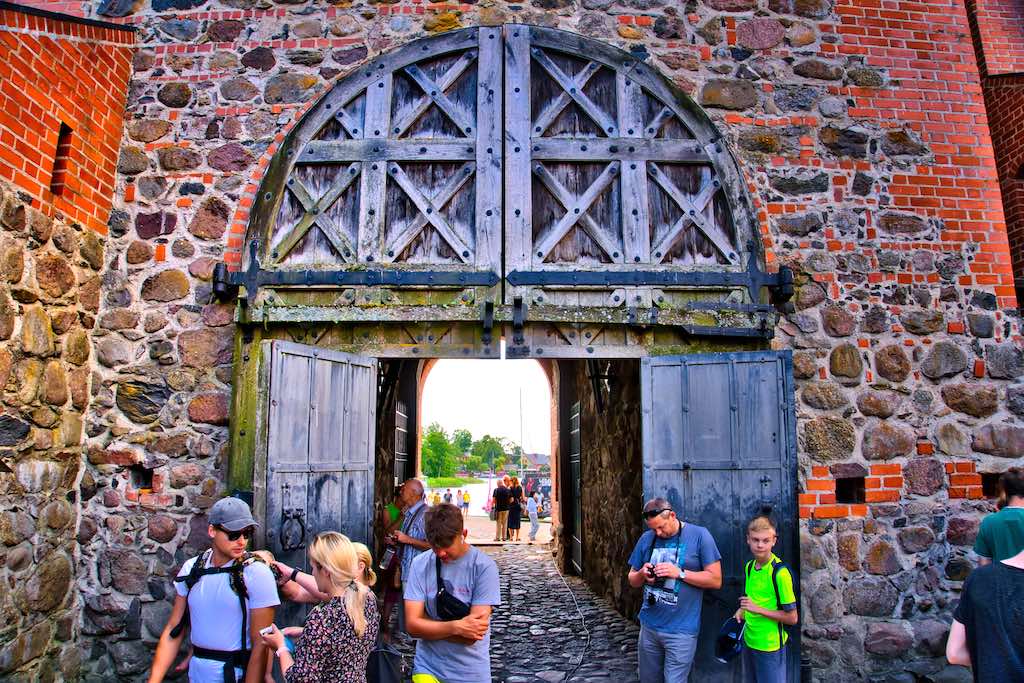
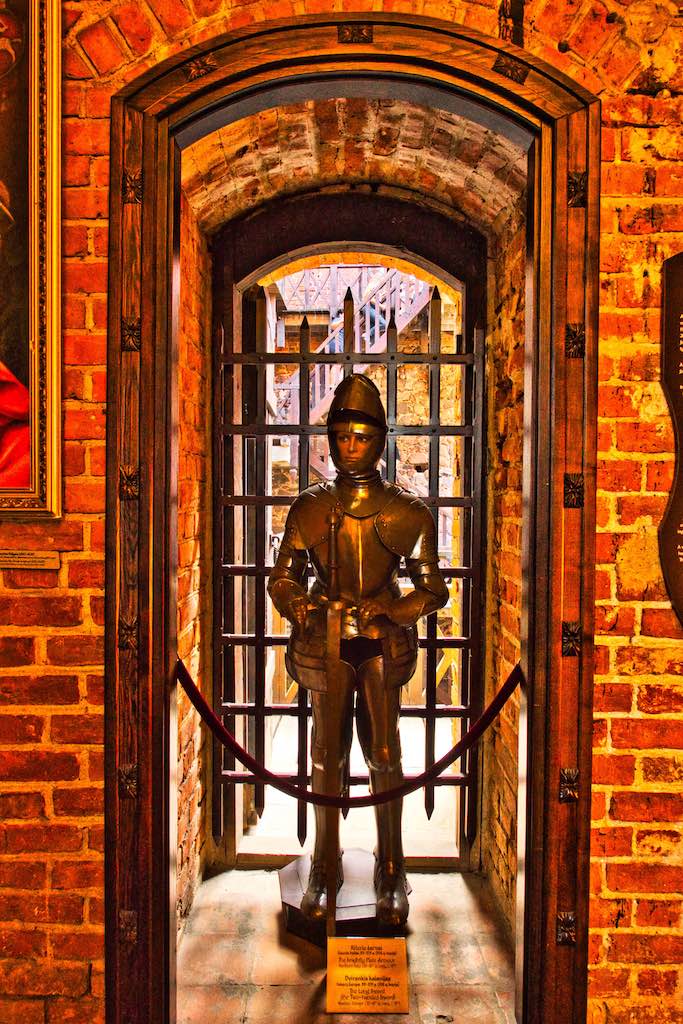
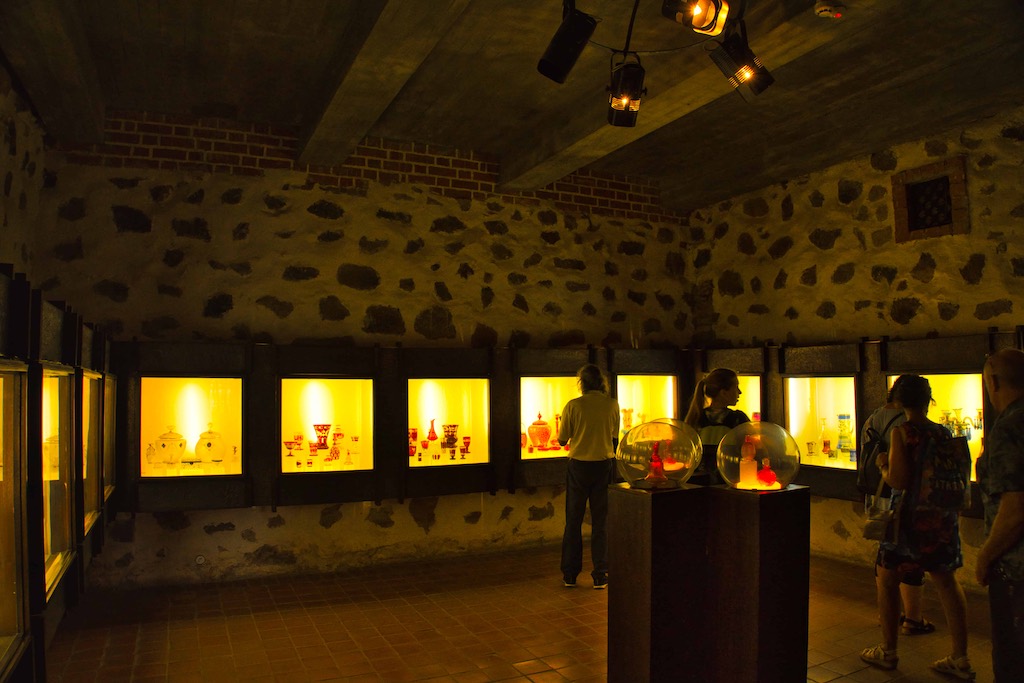
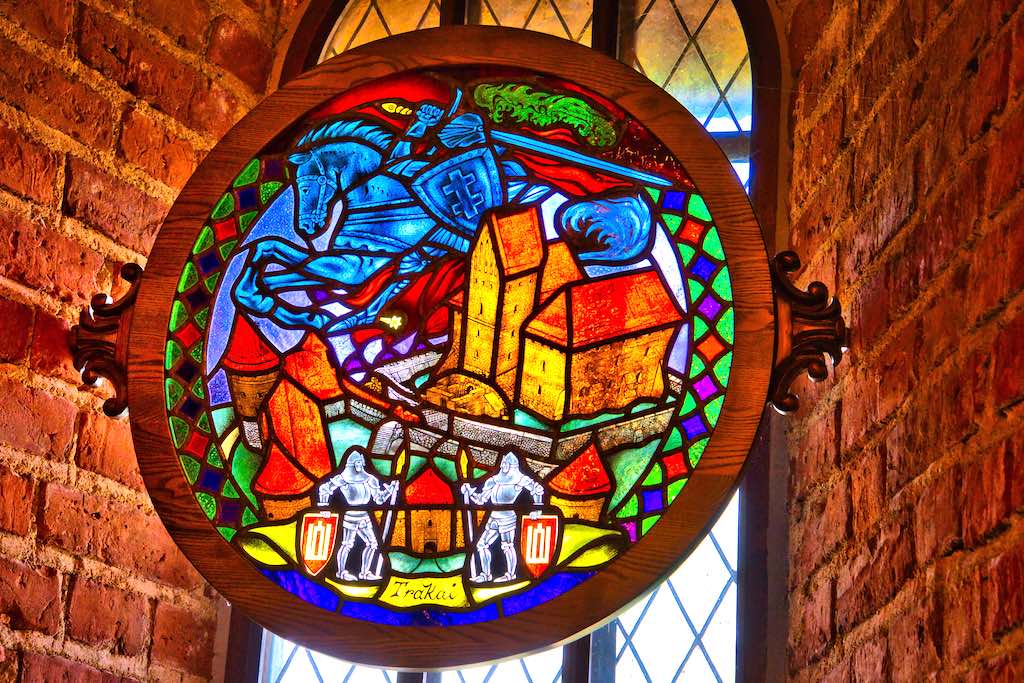
The castle has been fully restored to its original glory, a task which took nearly 10 years. Before the start of reconstruction work, only about a third of the structure had remained. It also houses an excellent museum.
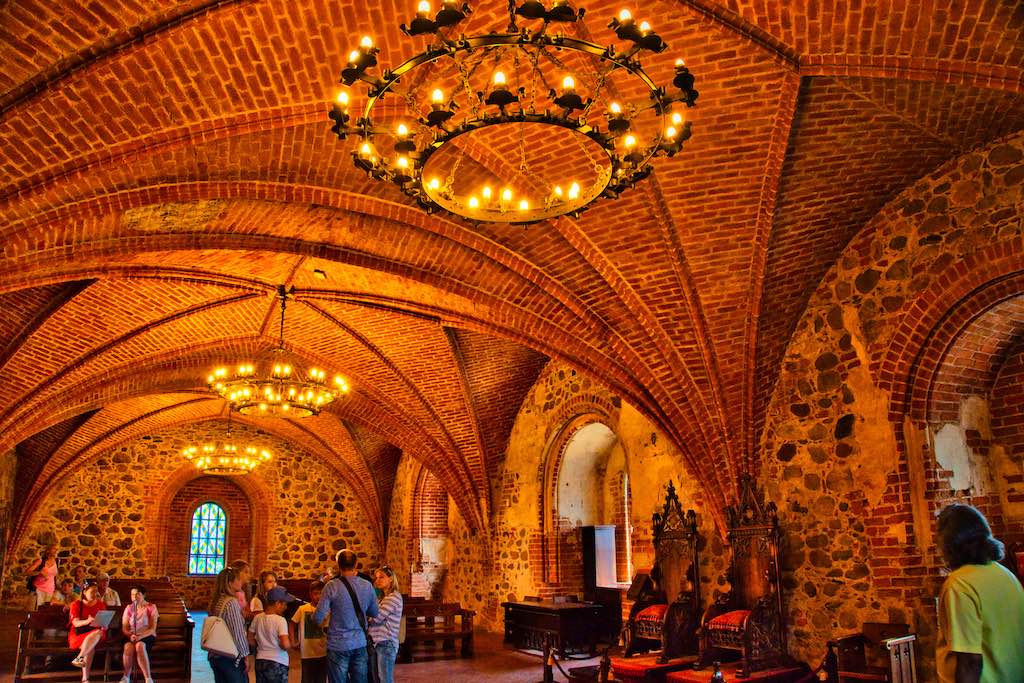
It took us half a day to see around the castle and the museum, but it was worth the effort in the warm weather.

From the castle, we headed straight for a Romuva wedding which was being presided over by Inija and performed according to the Romuva rituals.


These weddings are similar to the Vedic fire worship and held at one of the sacred sites i.e. on a hilltop – the concept of being connected with nature.
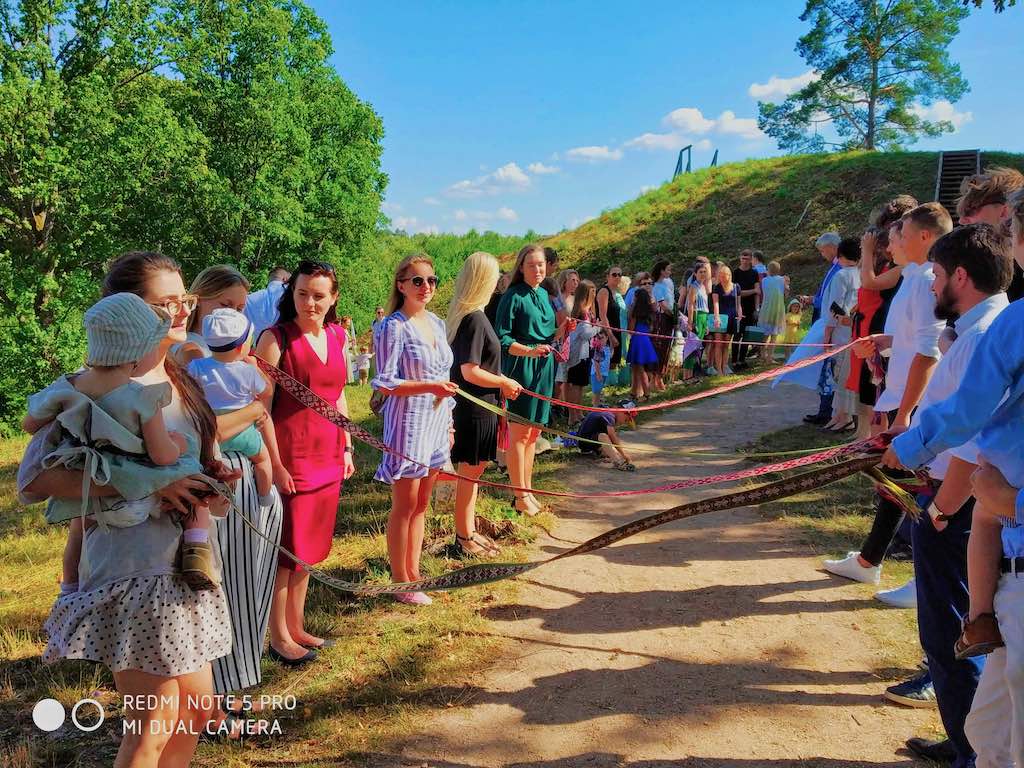
It was a new experience hearing the sound of ‘mantras’ being chanted over a fire and the couple going around the fire four times with their hands tied together symbolically by a woven cloth band!
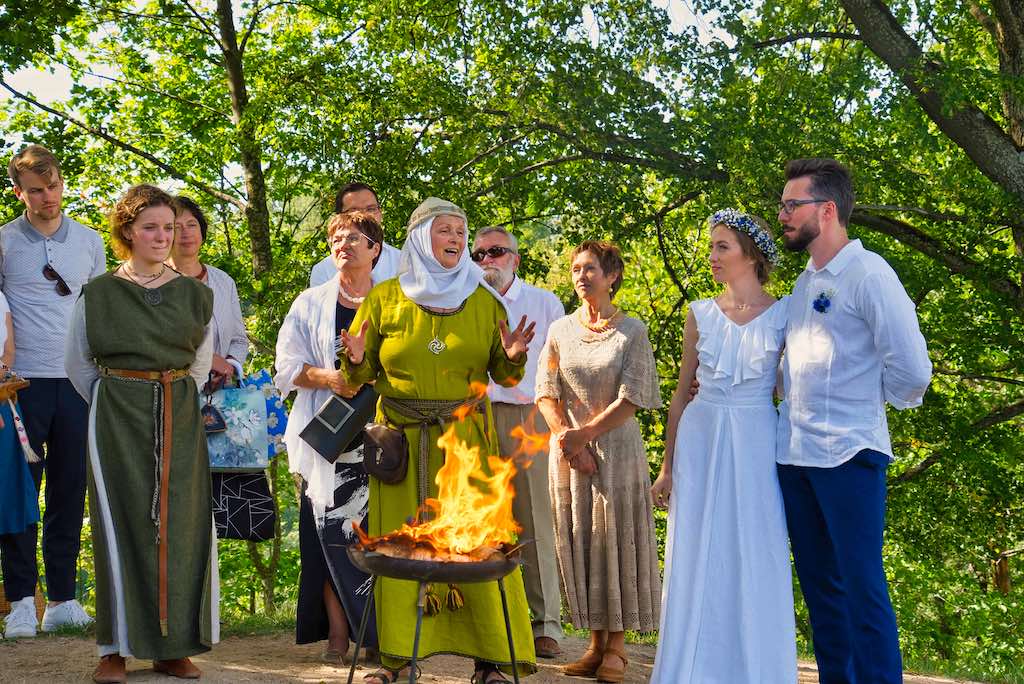

There were many similarities in the customs followed in a traditional Hindu wedding, and the experience was very intriguing.
To protect your personal data, your connection to YouTube has been blocked.
Click on Load video to unblock YouTube.
By loading the video you accept the privacy policy of YouTube.
More information about YouTube’s privacy policy can be found here Google – Privacy & Terms.

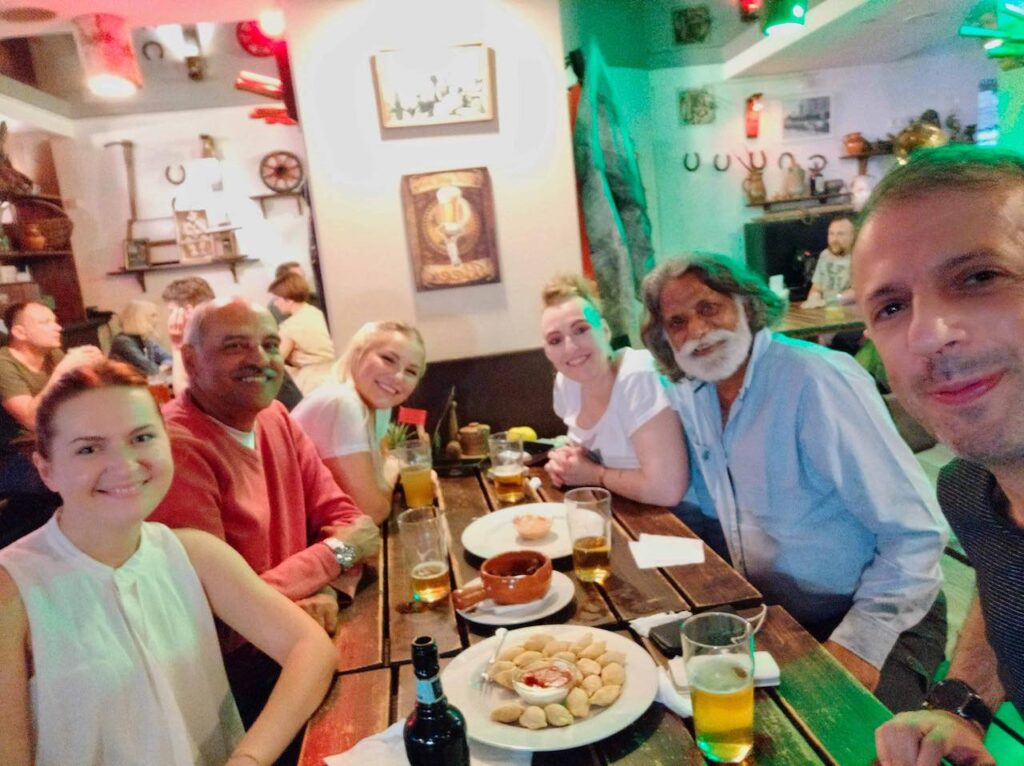
In between the hectic schedules arranged by Inija, we did find time to catch up with our Couchsurfing friends too. One of them had offered accommodation for us, but since the offer came only a few days before our arrival, we had declined.

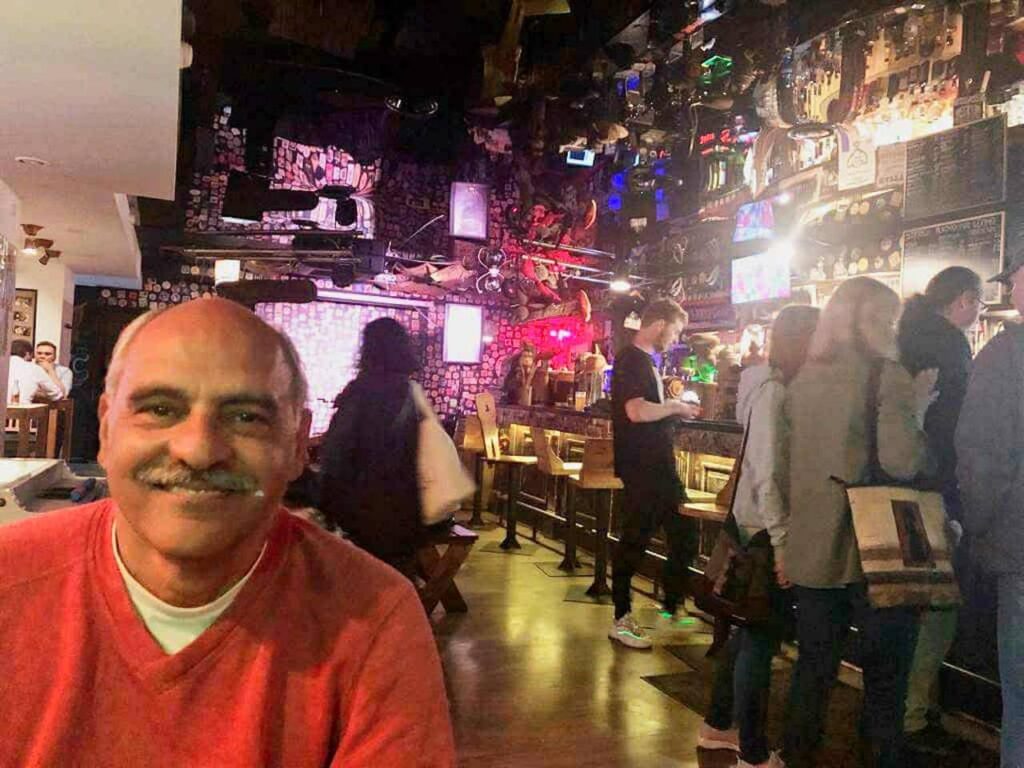
She did ask us to meet up though, and we spent a pleasant evening at a pub with her friends. Not knowing how to handle 70-year olds, she brought along two of her friends! Soon the apprehensions had vanished and the beer flowed well past midnight!
Our next destination was Minsk, Belarus. The flight was next evening. After a lazy morning, we checked-in at the airport and were stamped through immigration since we were now going to a non-Schengen country. While we were on the way to board the aircraft, we were stopped! The airline staff told us our visa had problems. Our Schengen visa was double- entry, it was all one needed to go to Belarus and re-enter Schengen into Poland. But Belarus rules specified a mandatory multiple-entry Schengen visa! Despite all our pleas that our visa was adequate for our travel itinerary, our baggage was off-loaded from the aircraft and we were stamped back into Lithuania through immigration!! Later one of the immigration staff informed us that it was better we didn’t go to Belarus, as the conditions there were very different and being put behind bars or being deported was very likely! Since English was not well understood, the meaning of the words was followed strictly.
So there we were, stranded at the airport, our flight and hotel bookings in Minsk having gone down the drain as it was too late to cancel. By now it was late evening. We managed to find a hotel booking from our mobile app and caught a cab to the new hotel, for which luckily we got a good deal since it was a last moment booking. Once in the hotel, I conveyed the news to Inija as a courtesy that we were still in her territory! We informed her that we were yet to decide on how long to stay in Lithuania or whether to proceed to Poland earlier than planned and see some other city in the time we had. But Inija was not to be side-tracked and hardly had we settled in our hotel room that I got a call from her that we will be picked up the next morning (very early!). And taken on another trip to some historic and sacred places. She informed us that the only catch was that Virginijus Kasinskas, who was to pick us up, didn’t speak much English! Well, I have managed worse situations and didn’t think much of this handicap.

Promptly at 6:00 am Virginijus was in the hotel lobby, and soon we were off on our next adventure! It turned out to be a drive right across the country…..today was my birthday (28 July), I was definitely pleased with the surprise ‘gift’! Initially, our conversation, if it could be called that, proceeded hesitatingly. But we managed to communicate important information!
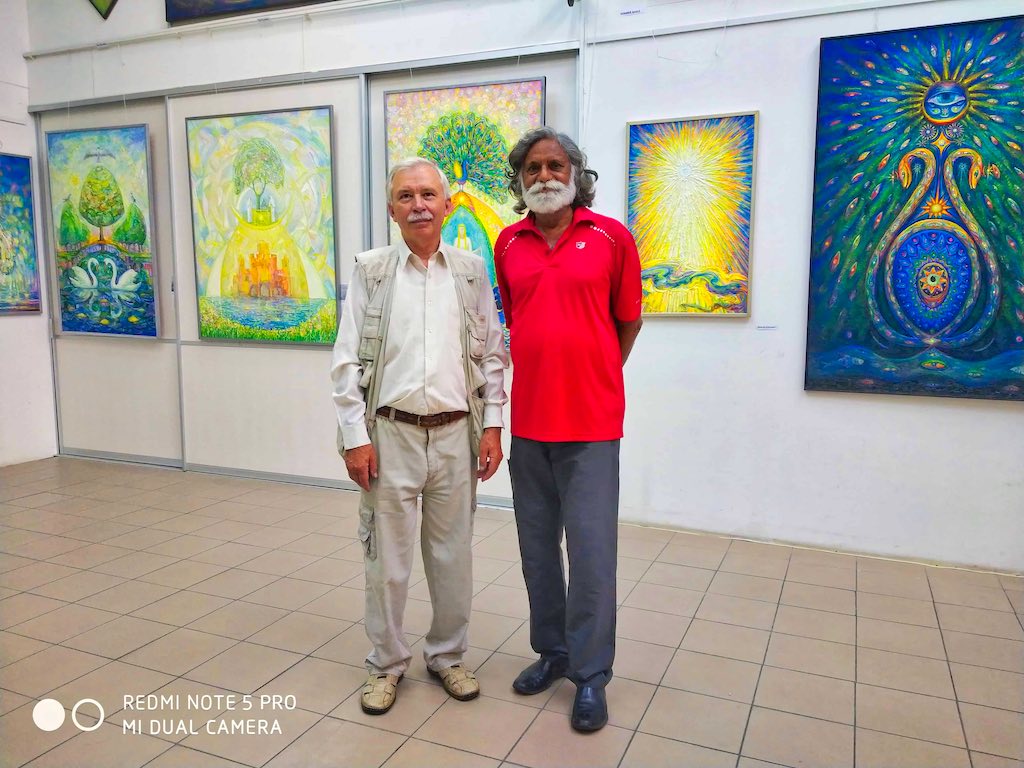

As it later turned out, Virginijus was a man of tremendous achievements, like all the others whom we had met till now. He was a painter by profession and passion! He taught in the Art Academy and had his own studio in Kaunas, which was our first halt.


His passion was painting pictures of scenes from Romuva folklore and poetry. It involved deep meditative visualisation and then attempting to put it on canvas. Some of his paintings had taken up to 10 to 12 years to complete!


His paintings through colours, symbols, patterns and mythological plots, reveal the depths of the spiritual heritage of the Lithuanian people. His paintings are a visual reconstruction of ancient Lithuanian spirituality.

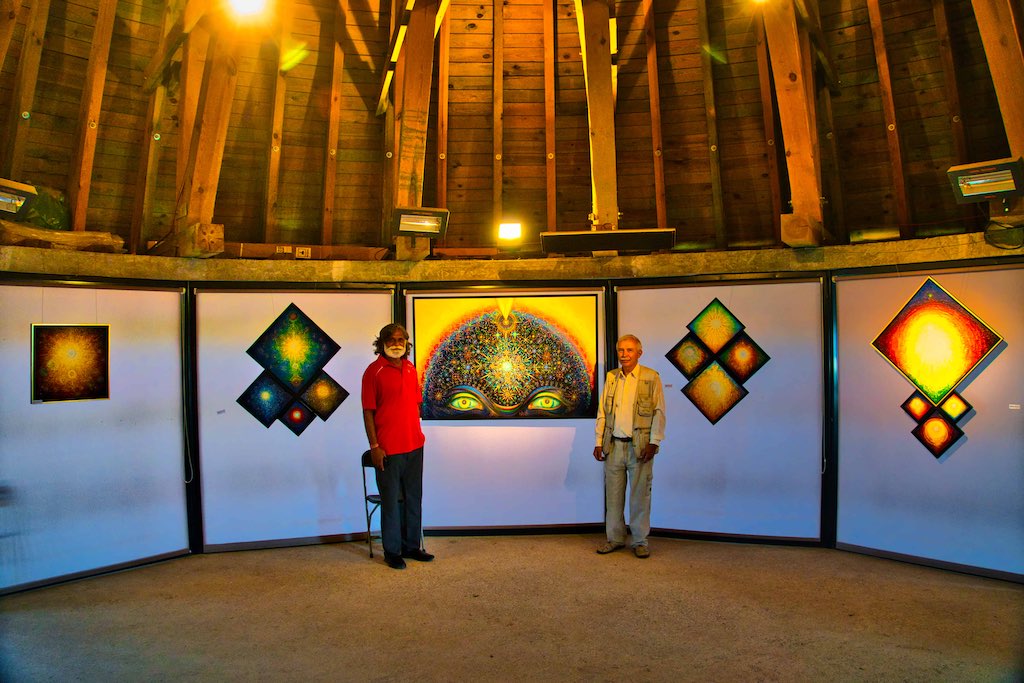
After spending time learning about the significance and meaning of each painting in the studio, we went to the historic 14th century Kaunas Castle, where Virginijus had a public art exhibition on display.

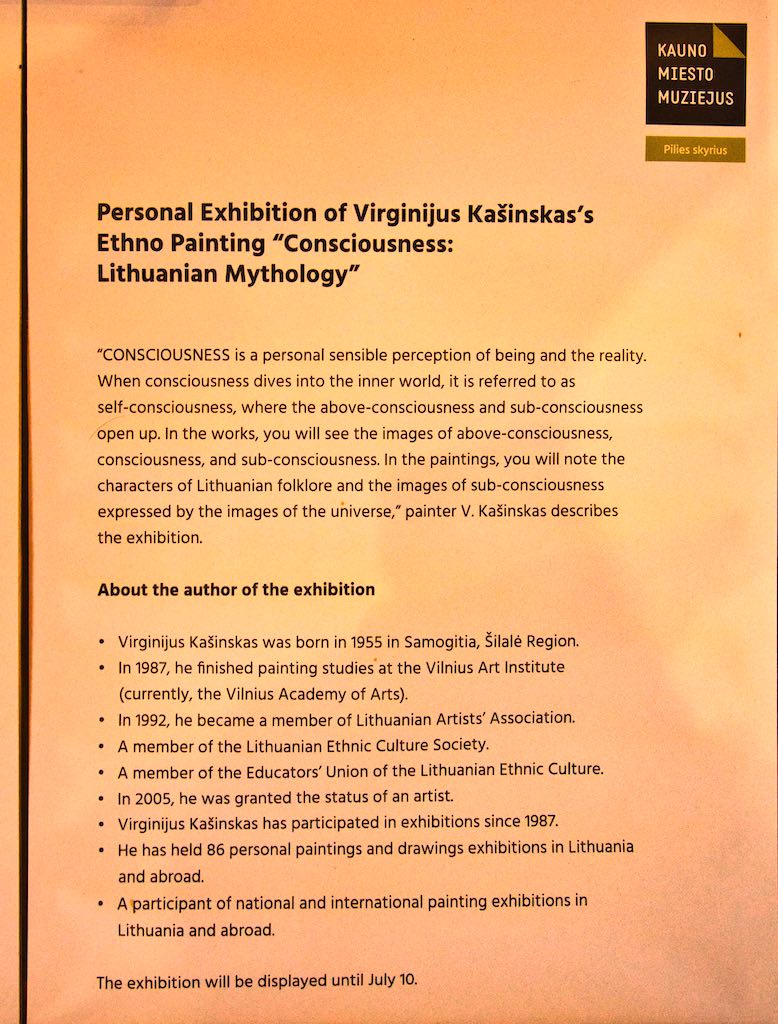
Many of his classic paintings were on display in the Tower, an ideal setting to display concepts of the pagan religion which predated Christianity, at a place which had been at the forefront of the fight against conversion in medieval times, primarily against the forces of the Teutonic Order.
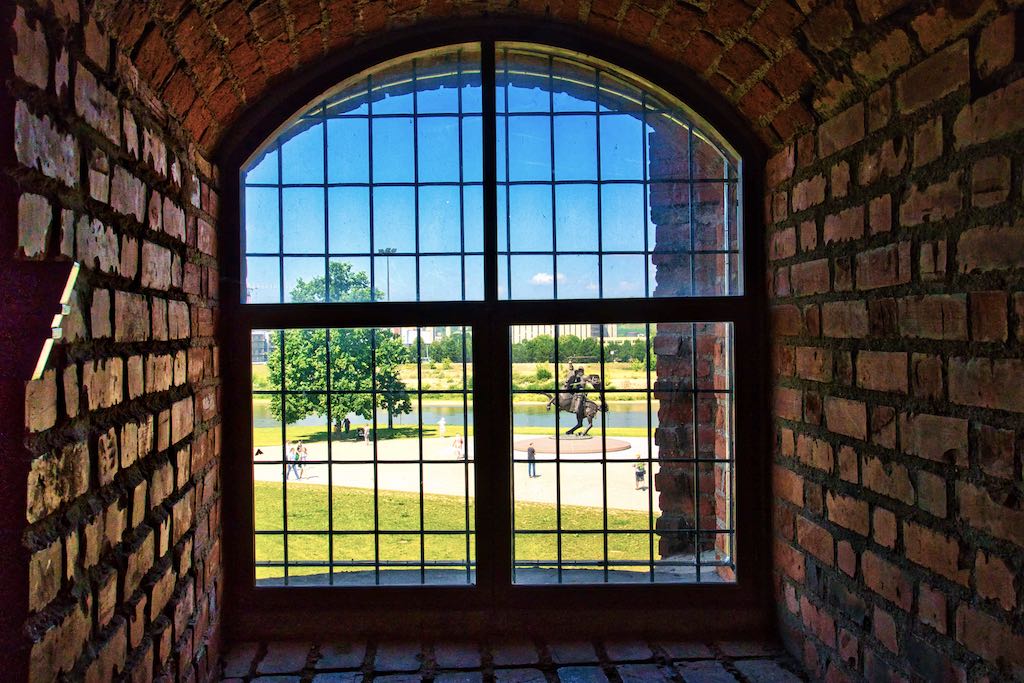
Kaunas is Lithuania’s second-largest city. Located on the banks of the Nemunas River near its confluence with the Neris River, it played an important role in the country’s history.


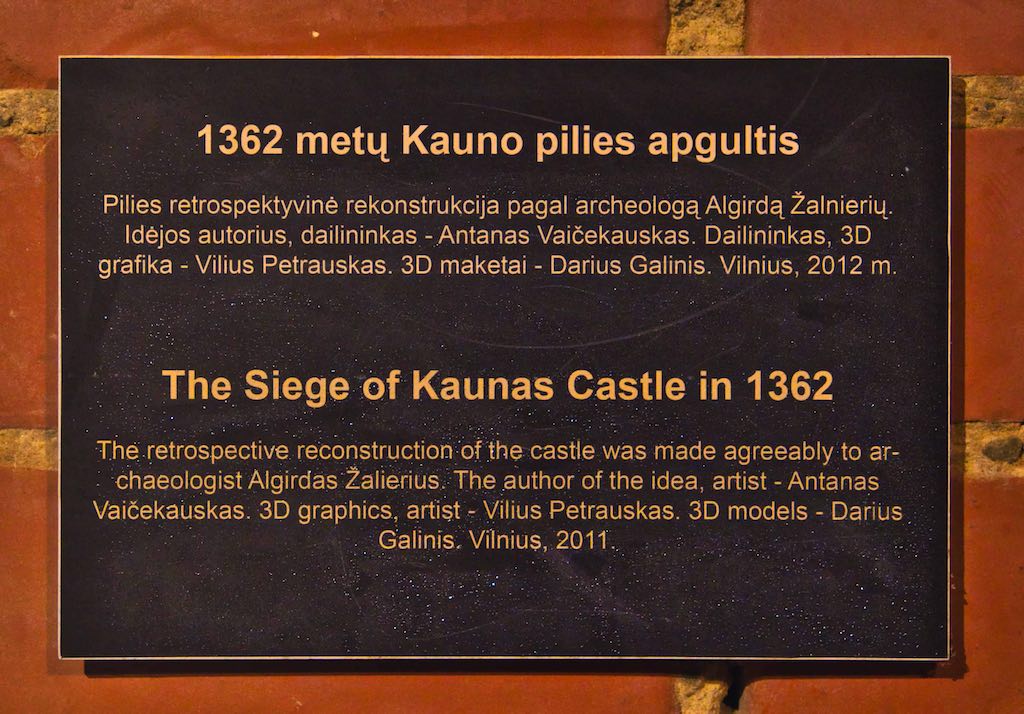
It was reconstructed in 2011 and houses a museum inside, which takes one from the top of the tower down to the cellars.

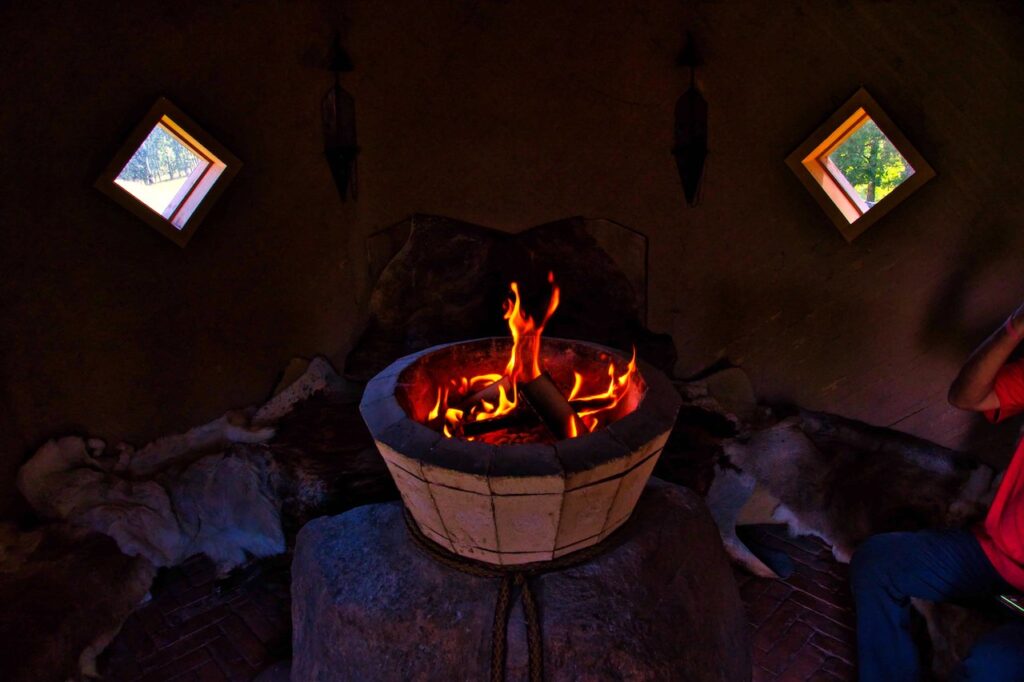
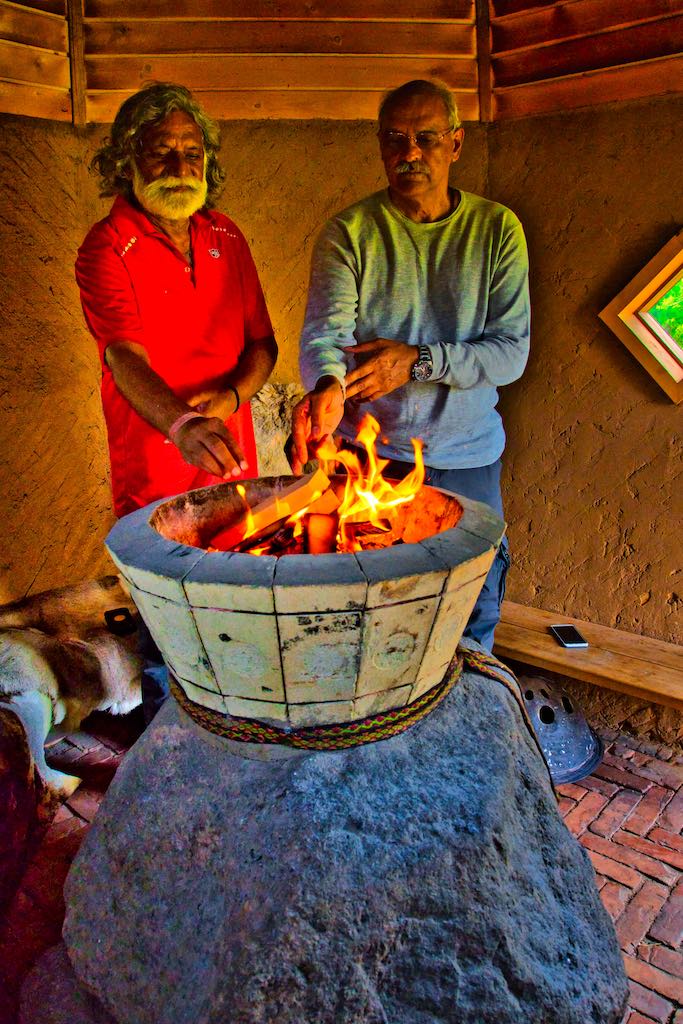
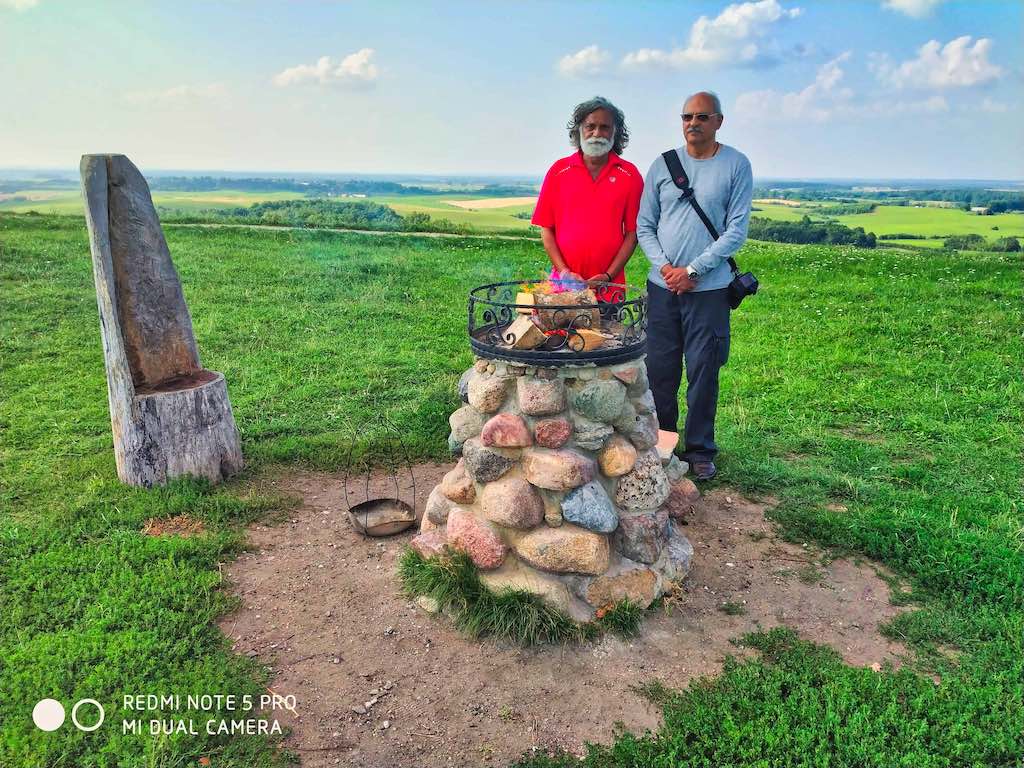
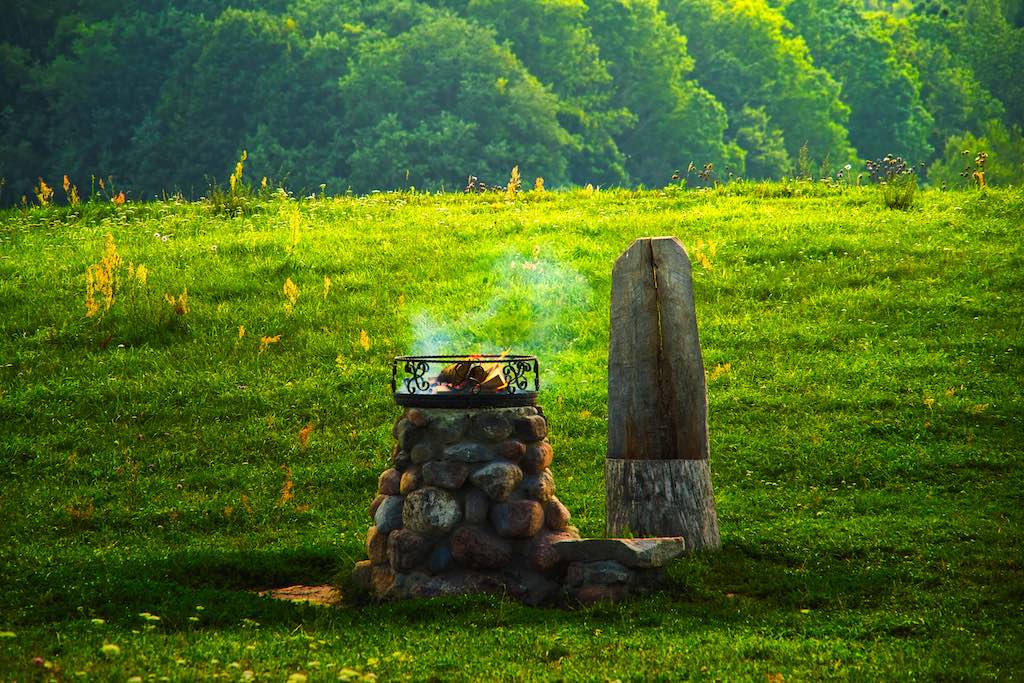
He also took us to a few sacred Romuva sites, which are still used for celebrating festivals. Aaukuras or “fire altar” is a stone altar in which a fire is ritually lit, is always present at these sites.

There is an interesting connection to our ancient Indian Vedic past. Romuvas also believe in Kalki, which is depicted as a knight astride a white horse and is their national symbol.

We have a delicious lunch of local specialities after visiting the castle. Our conversational abilities keep improving with all this interaction and by now we can communicate quite well with each other.
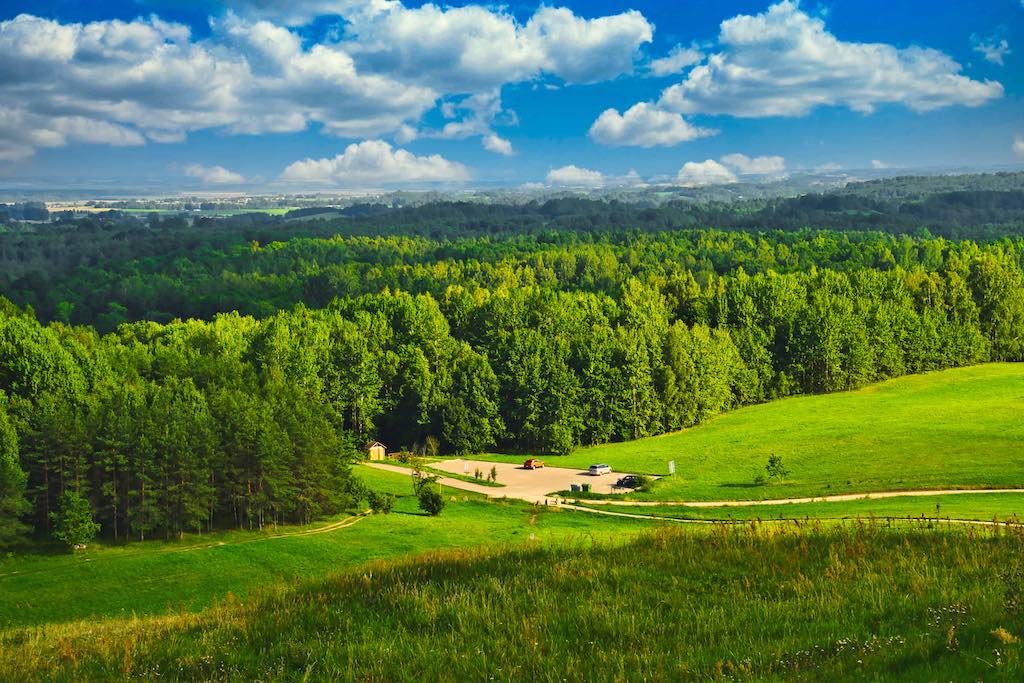
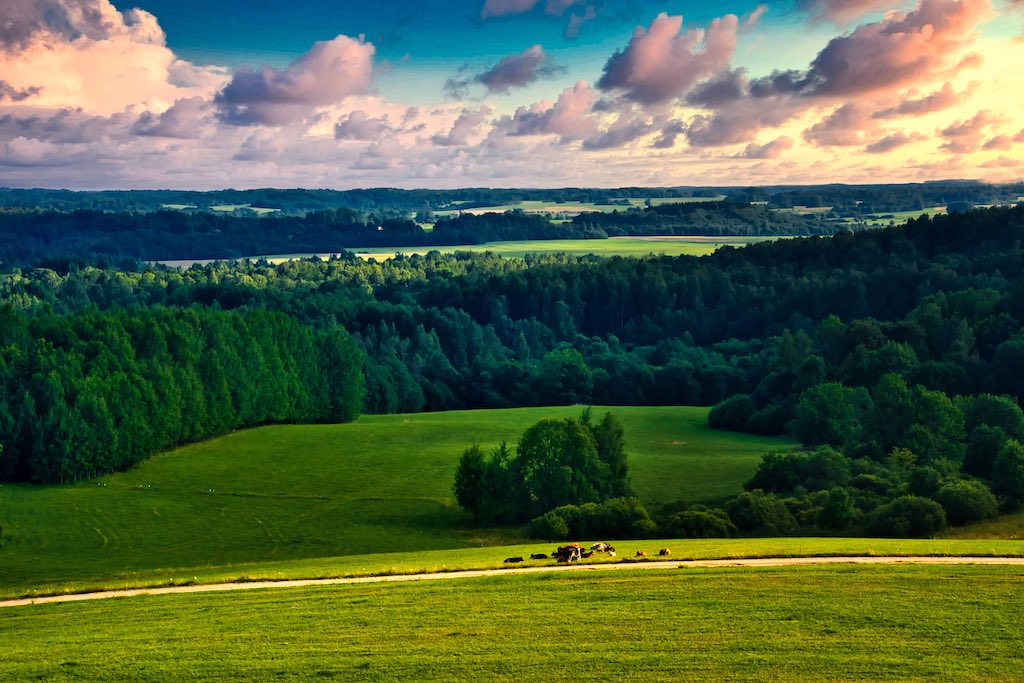
From Kaunas is a long drive to Satrijos Kalnas, which is the holiest site for Romuvas in the country. 300 km from Vilnius! All such sites are situated on hilltops, another custom which reminded me of small temples on hilltops dotting across India. A connection which all pagan religions had with nature.
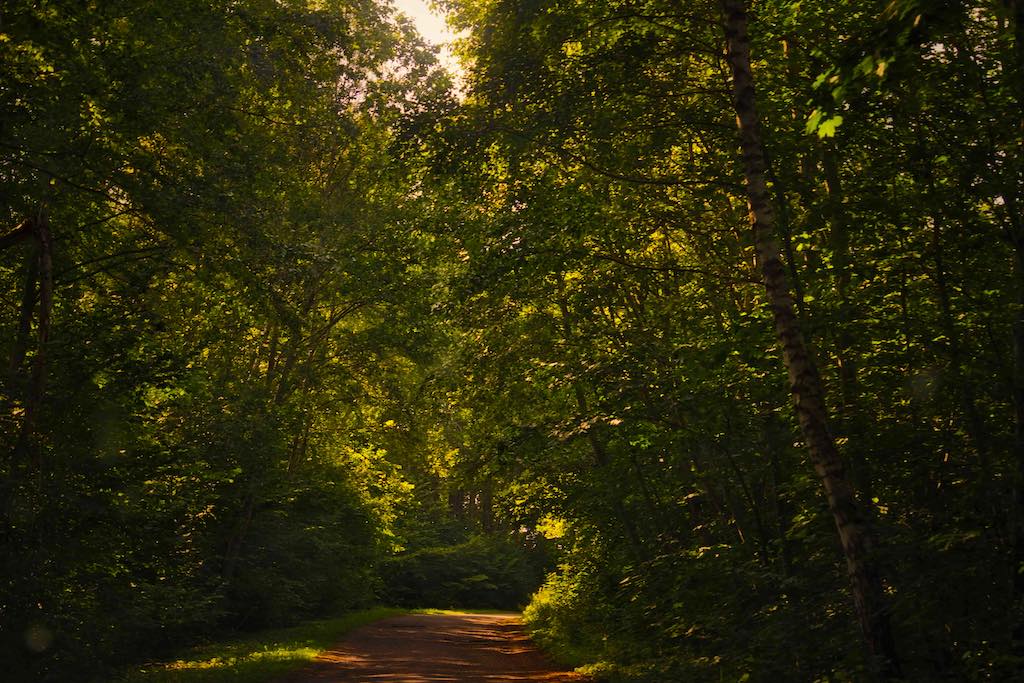
Before these sacred sites were destroyed by crusaders, there was an altar where the sacred fire used to burn eternally.

With the revival of their religion, the practice has again started and one person stays for 24 hours, by rotation, to ensure the flame burns continuously.
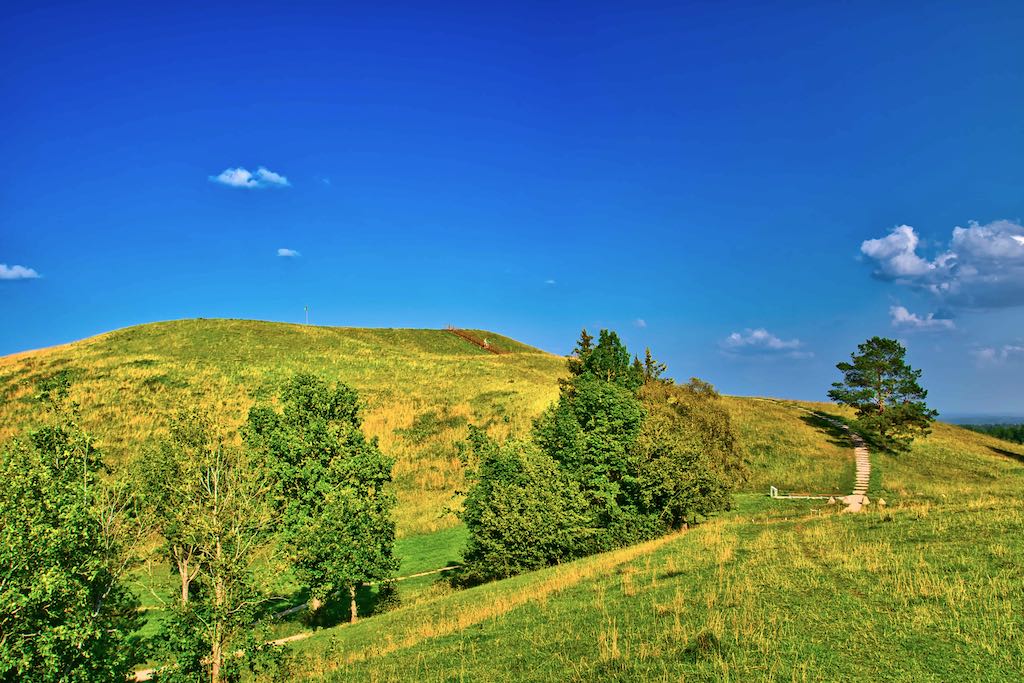

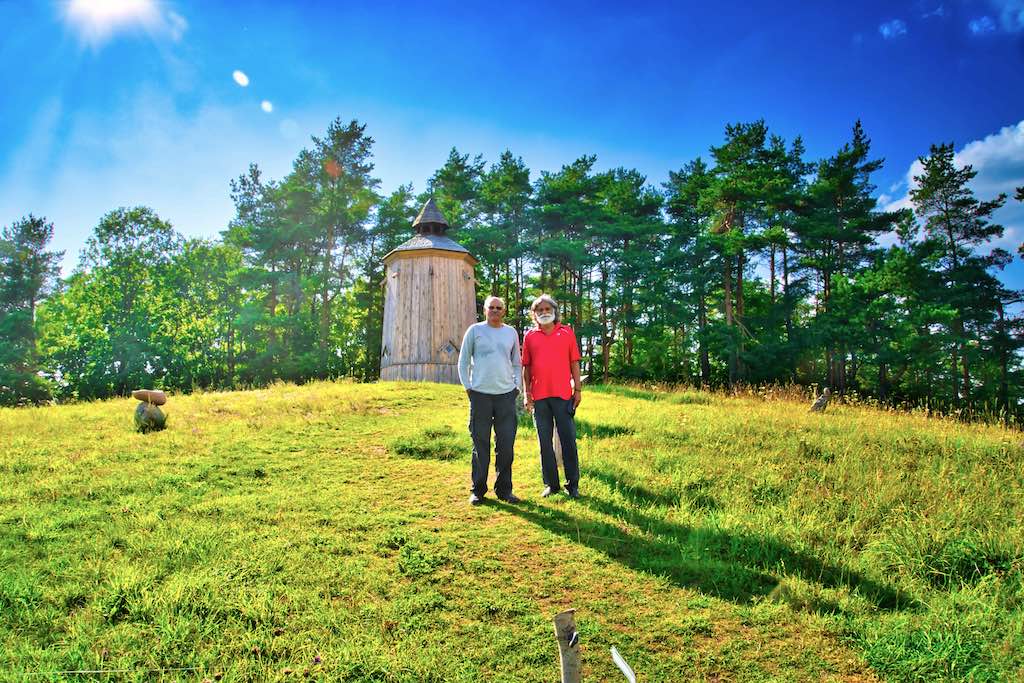
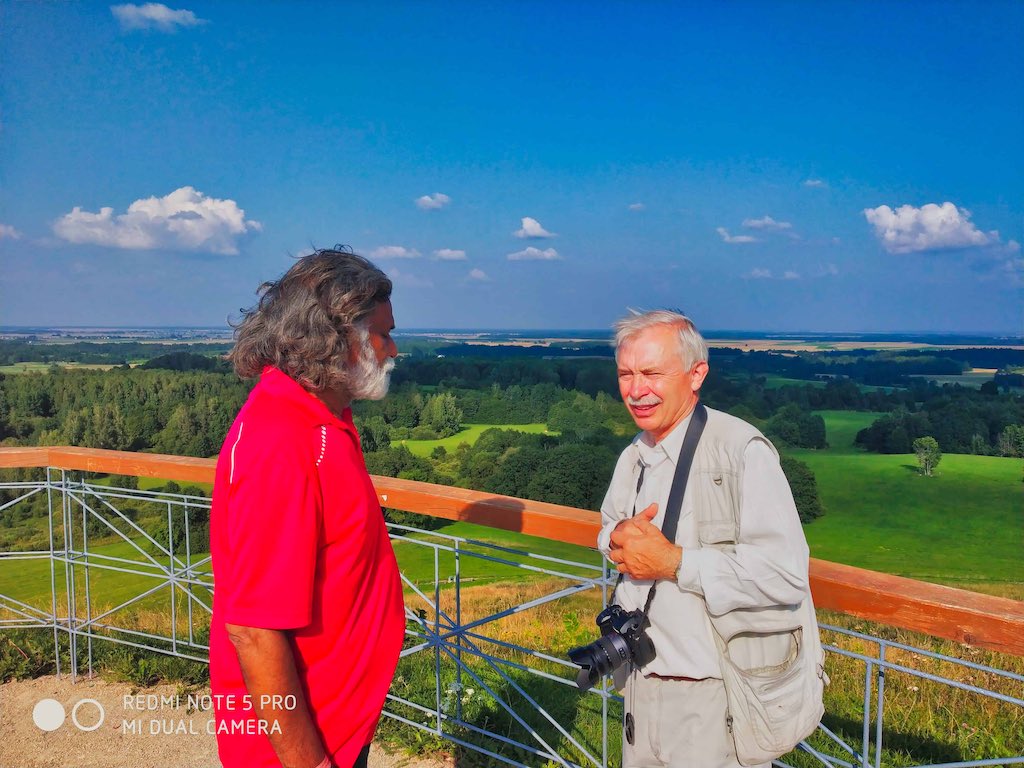
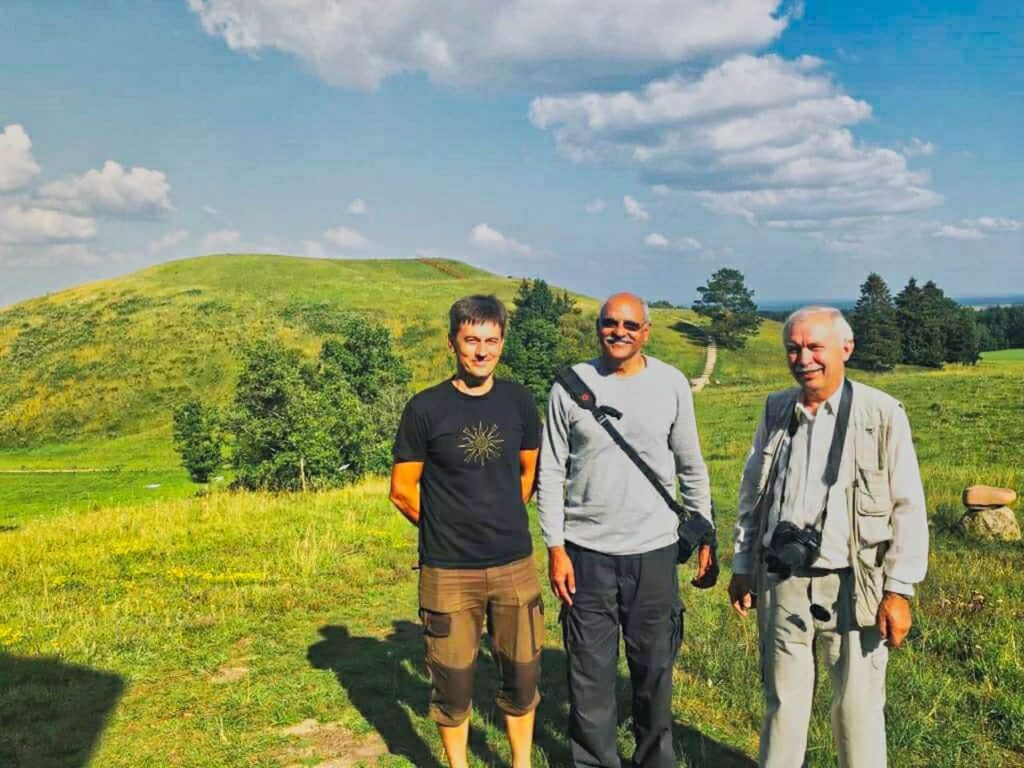
This site is on a hilltop. Providentially, I was able to worship and light the sacred fire at such a holy site on my birthday, in Europe, something I would never have imagined doing. Probably not going to Belarus was destined!


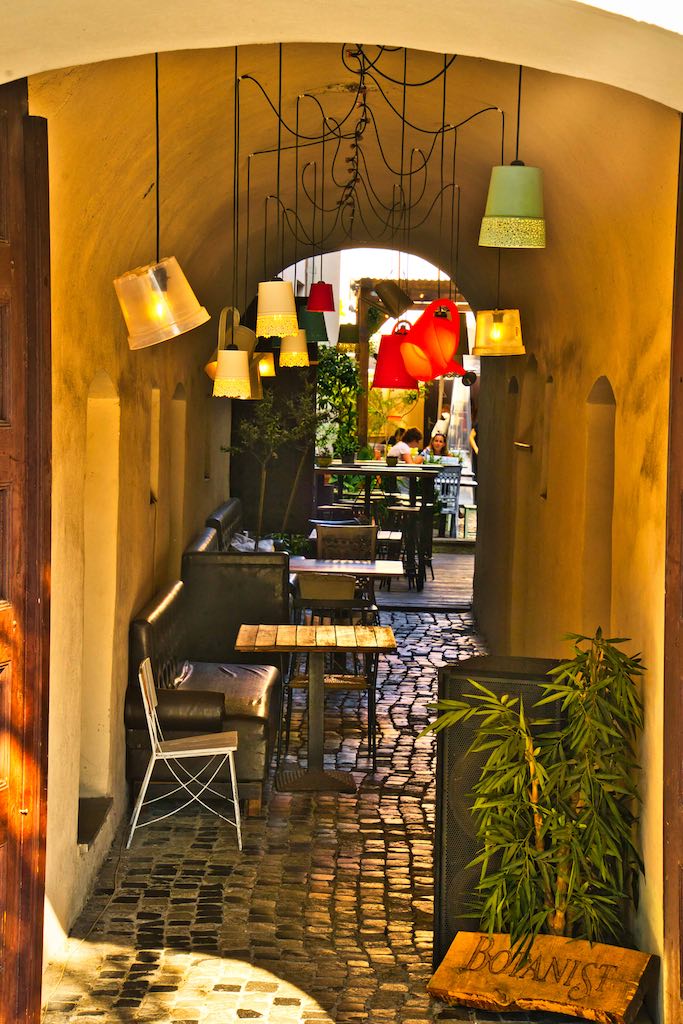
The last day in Vilnius was free for us and we walked around a few of the places in the Old Town which we had missed out.
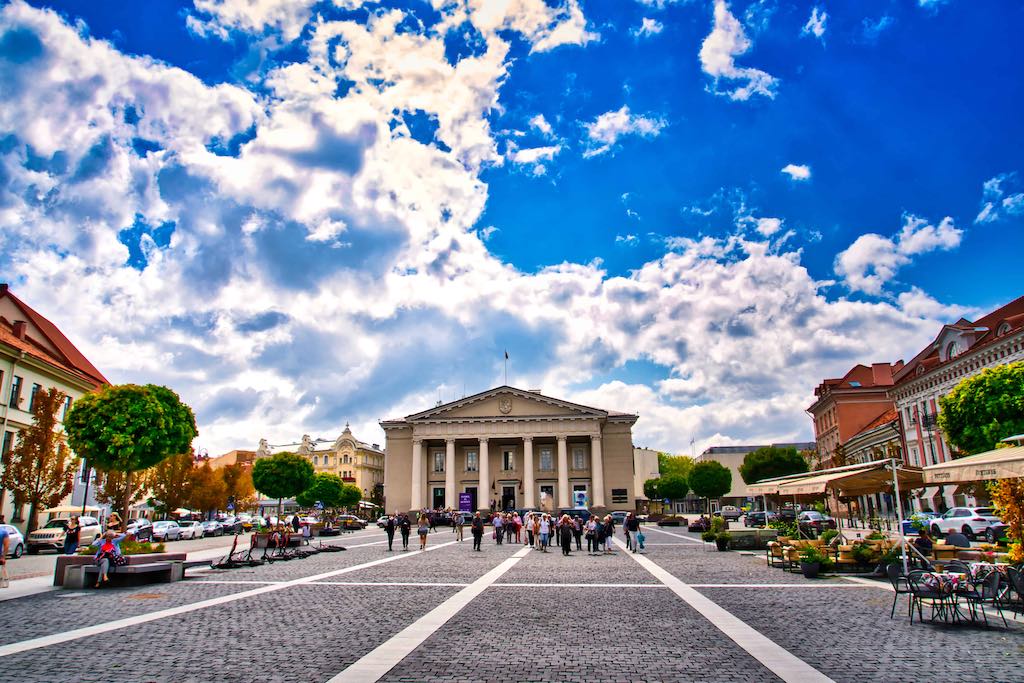
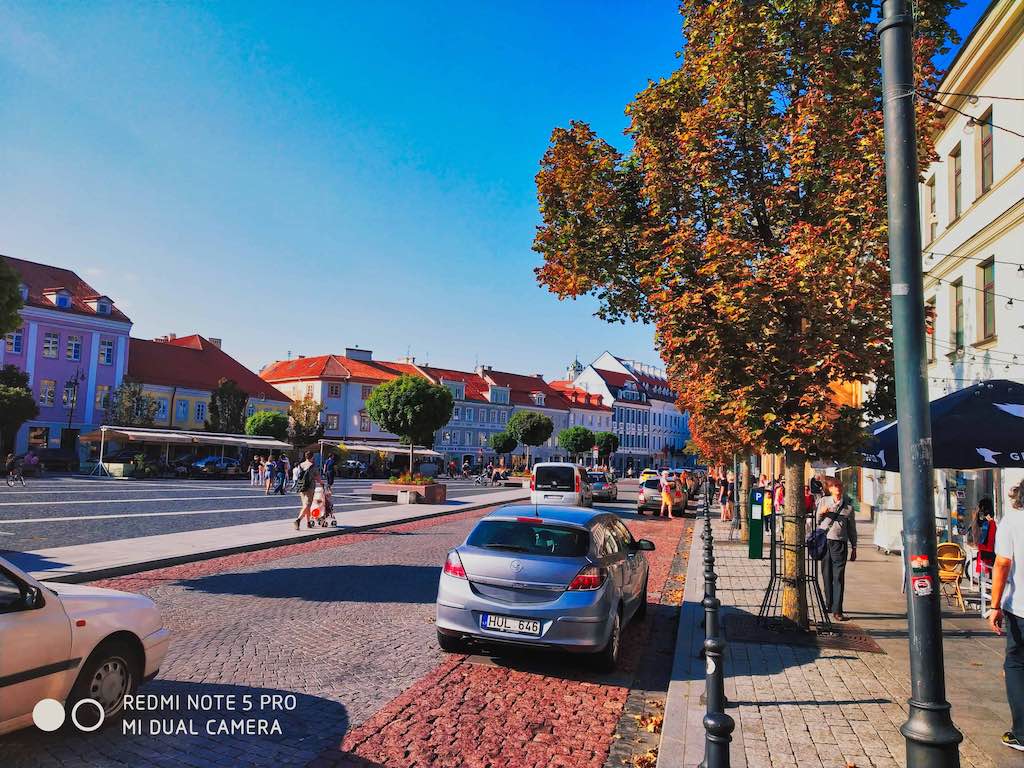
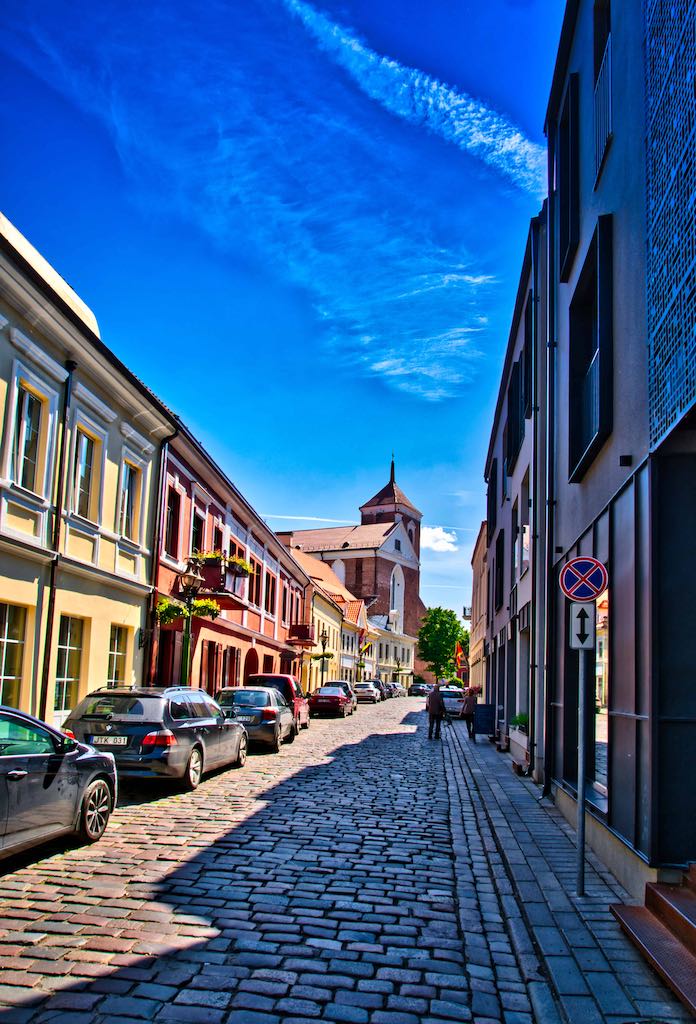
The last day was more of a leisurely walk through the beautiful tree-lined streets with quaint architecture, so typical of all the old towns we had visited so far.

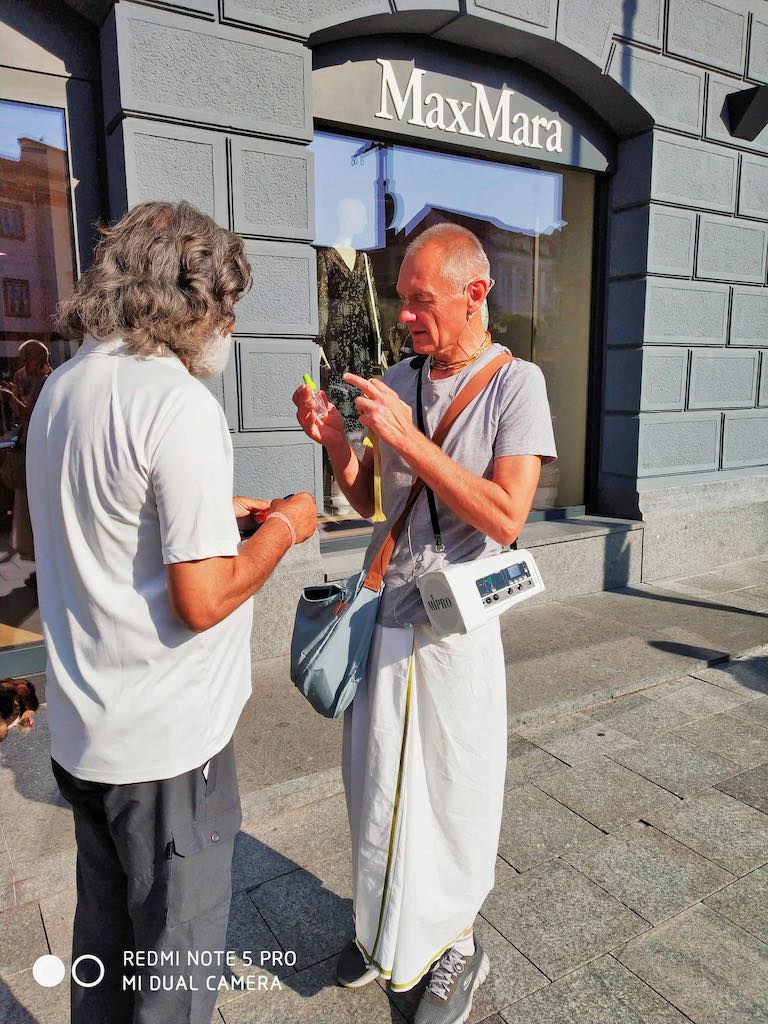
During our walk through the Old Town, we came across an ISKCON adherent, with Krishna bhajans playing from the small music system he was carrying.
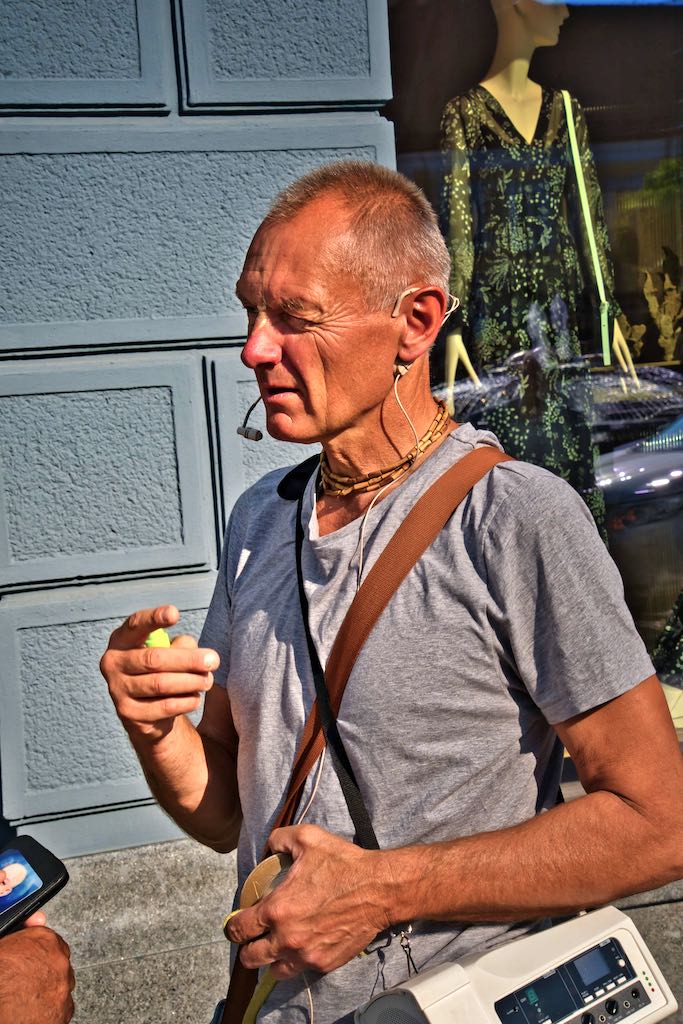
There was a lot to see, and we explored a few more churches and the alleys of the town. Before it was time to head back to the hotel to pick up our bags.

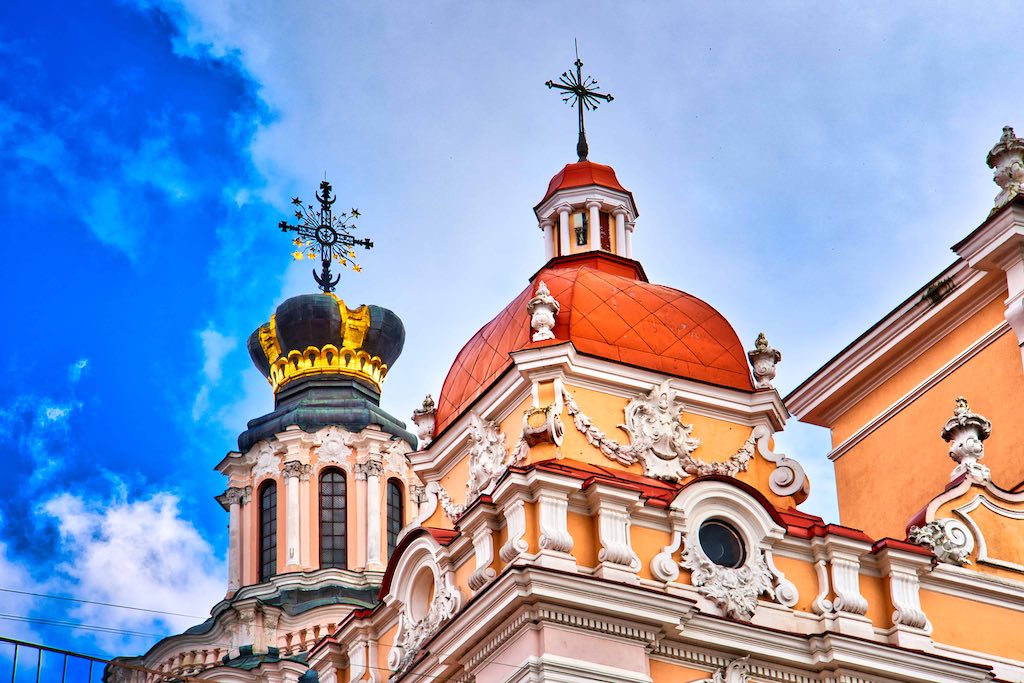
The Baroque Church of St Casimir is the only church in Lithuania that has been built according to the example of the Church of Jesus of Rome (Il Gesu). The church towers are decorated with a royal crown.
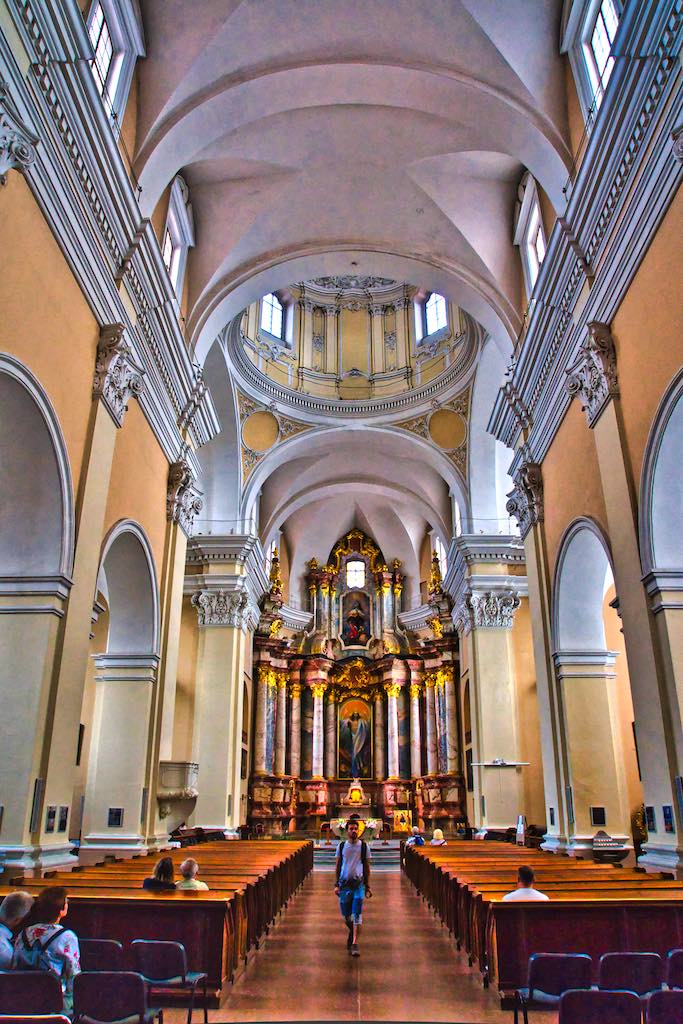
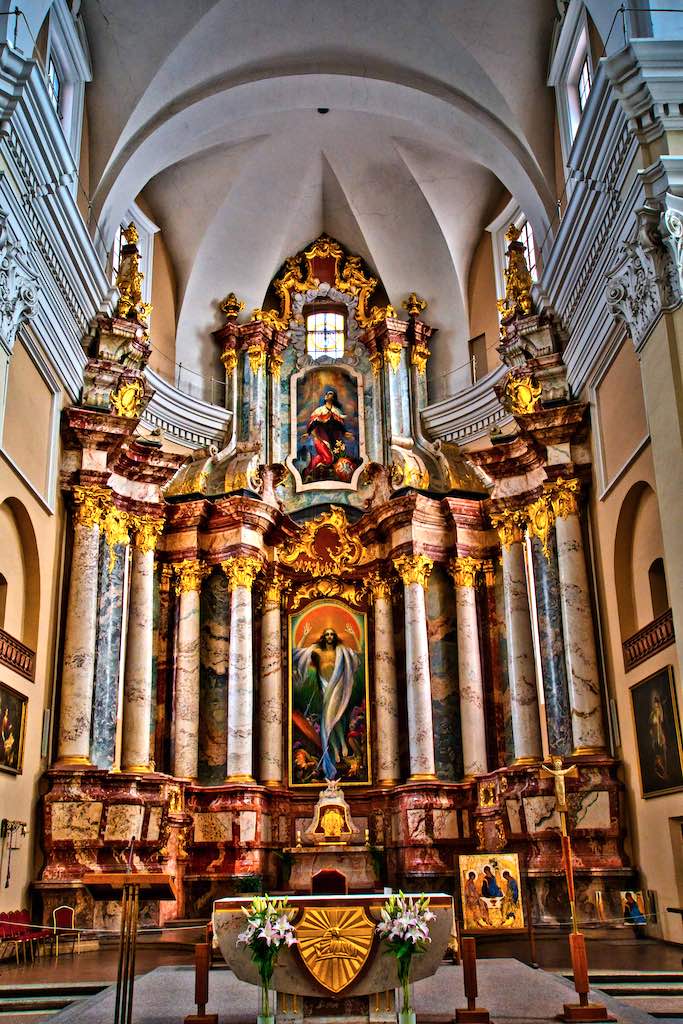
The interiors comprise of three late Baroque artificial marble altars. In 1949, the Soviet authorities closed the Church. It was converted into a wine warehouse, all church equipment was destroyed, and the altar, paintings, organ and bells were not preserved. The Church was returned to the believers only in October 1988.
St Casimir was the son of the Grand Duke of Lithuania and King of Poland, and he devoted himself to spirituality and piety. He died of tuberculosis and was buried in the Vilnius Cathedral. He was canonised in 1602 CE.

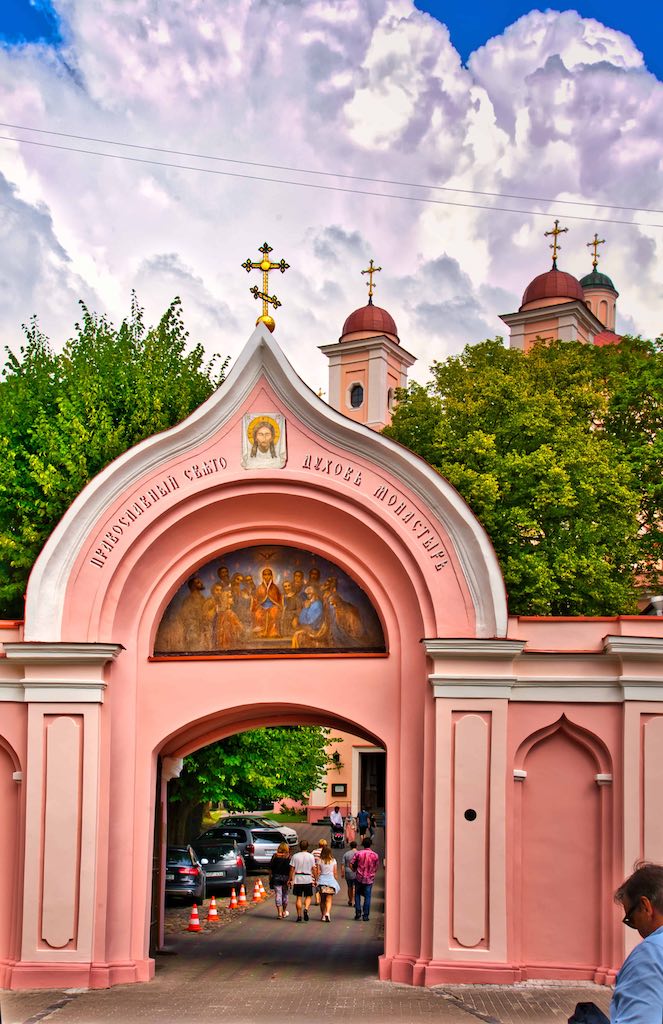
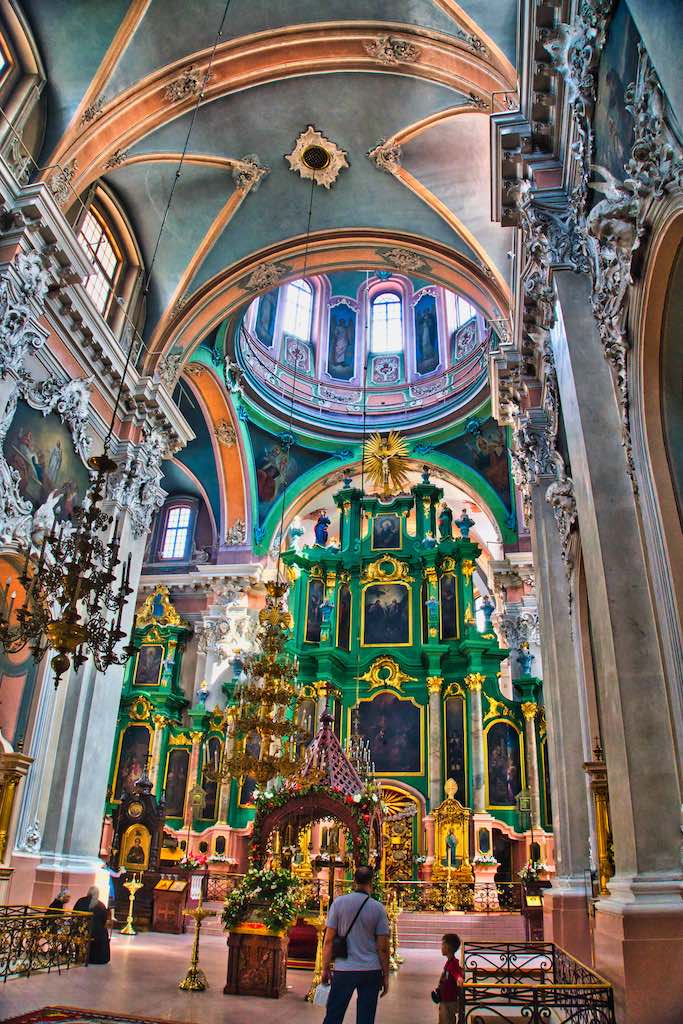
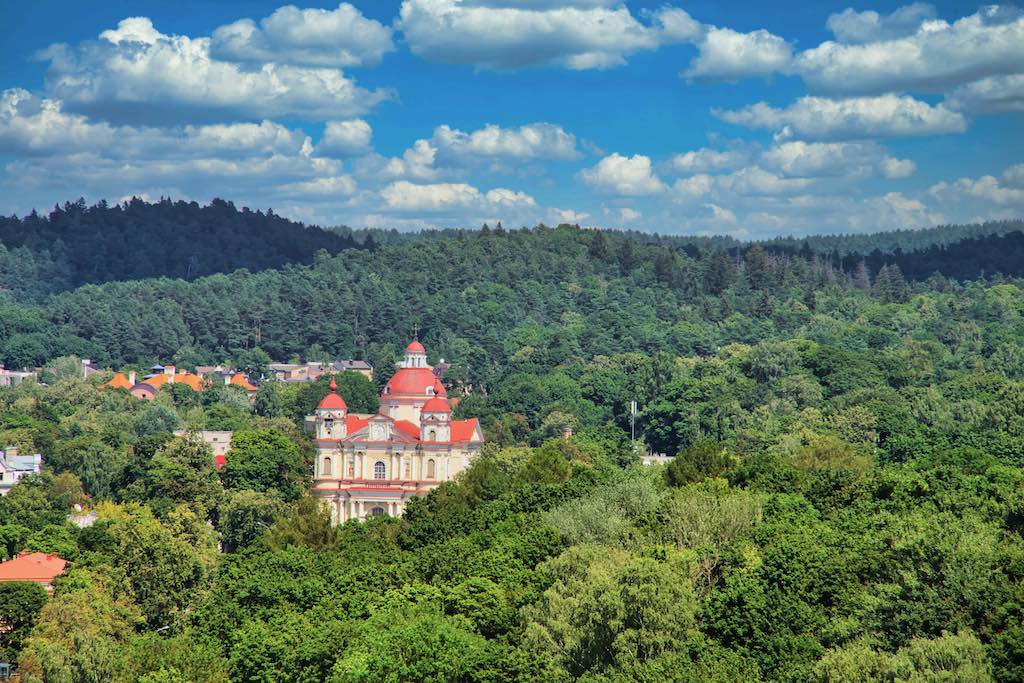
Among the numerous Russian Orthodox churches in the city, the Church of the Holy Spirit is one of the more elaborately constructed ones.
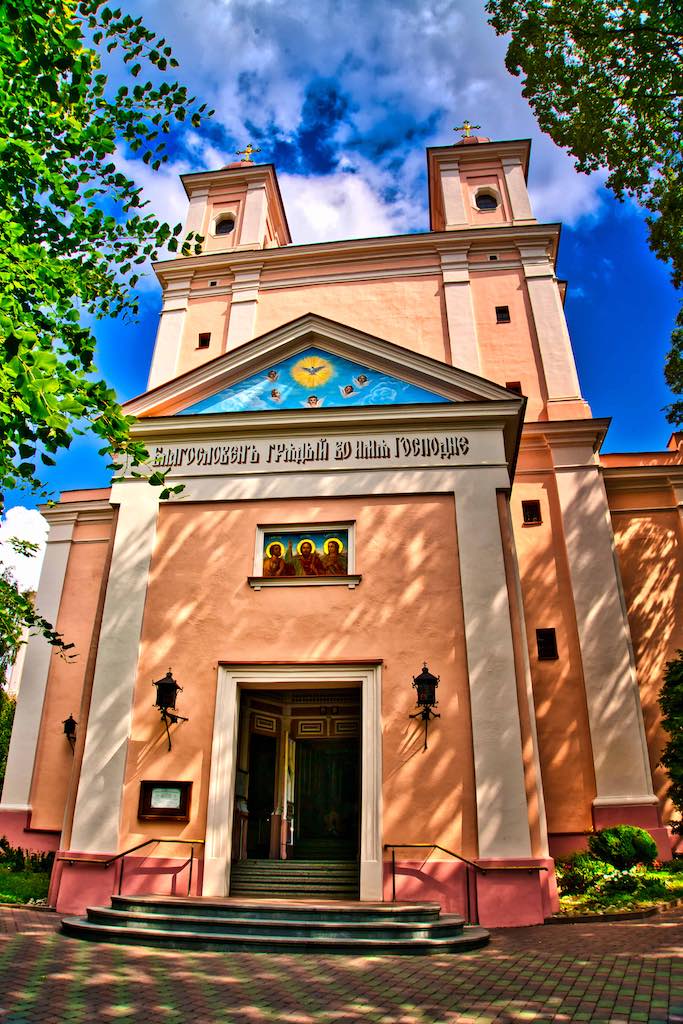
The Holy Spirit Church is the home of the Polish community. While Polish mass is celebrated in many churches of Vilnius only in this church there is no mass celebrated in any other language than Polish. Its interior is a very elaborate Baroque one and dates to 1776. The church was one of the few that survived without major closures or desecrations during Soviet occupation.
One of the landmarks of Vilnius is the Gates of Dawn, which has an interesting history. Most people associate the Gates of Dawn with a house of prayer. However, the name Gates of Dawn referred to the part of Vilnius’ defensive wall. Originally, the city’s defensive wall had ten gates, though the Gates of Dawn are the only ones to have survived to the present day.
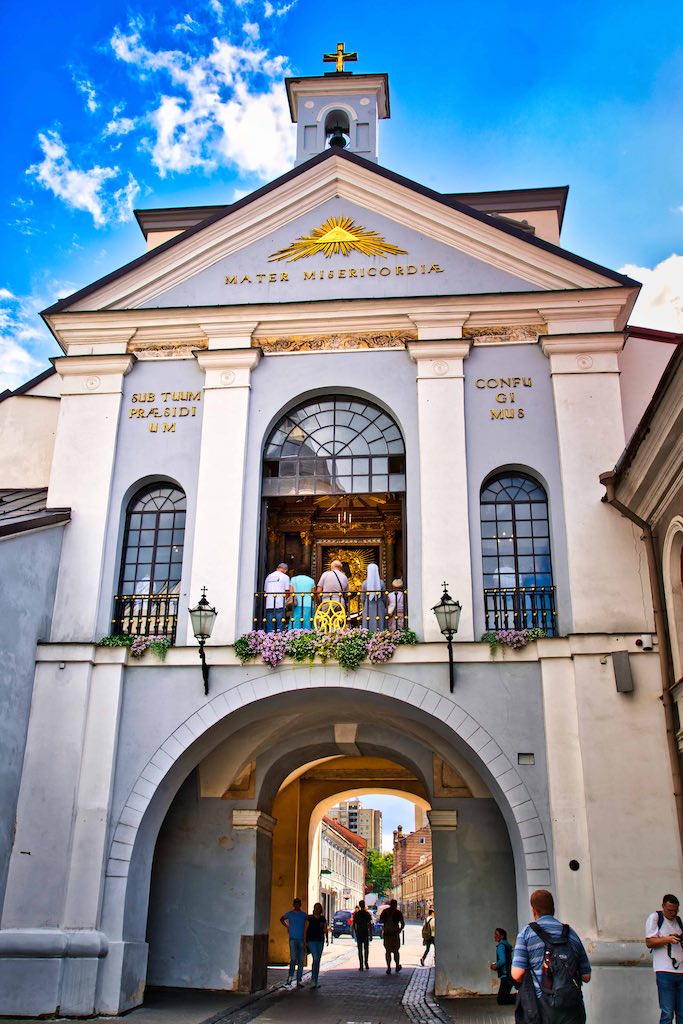
The Gates of Dawn was first mentioned in 1514 and has since become one of the symbols of Vilnius. Initially, these gates were called the Medininkai Gates because they led to Medininkai. The current name may have its origin in the story that the gates were on the eastern side, where you could first see the dawn.

The miraculous painting of the Blessed Virgin Mary, Mother of Mercy in the Gates of Dawn is one of the most famous Renaissance paintings in Lithuania. It’s also called the Madonna of the Gates of Dawn or the Madonna of Vilnius. It was painted in the 17th century.

It was time to head back to our hotel to pick up our bags; we had already checked out and kept them at the Reception.
Inija and her network of Romuva followers had gone out of the way to ensure we had a pleasant stay, and that we saw, learnt and experienced as much as was feasible during our stay. It had been one of the most phenomenal stays for me. Not only the generous hospitality we received, with every day someone there to show us around the sights, but the knowledge we gained was extraordinary. And the unique aspect of this knowledge was learning about the close Vedic ties which still exist in this part of the world, largely unknown even in India.

We caught the night bus for Warsaw that evening. This would be the last halt in our extended 5-week sojourn through the Scandinavian and Baltic countries.
.
Those wanting to read the 1st blog of the series, which commenced in Norway, click here. The links to the blogs in the series are listed below:-
- Norway – https://collectingmoments.in/my-trip-to-norway/
- Sweden – https://collectingmoments.in/fascinating-sweden/
- Finland – https://collectingmoments.in/stunning-finland/
- Estonia – https://collectingmoments.in/exploring-estonia/
- Latvia – https://collectingmoments.in/latvia/
- Poland – https://collectingmoments.in/poland-the-phoenix-which-rose-from-dust/
Note: All photographs displayed above are my exclusive property and copyright; their use is prohibited without explicit consent, in writing.


2 Responses